Published: 26 February 2026. The English Chronicle Desk. The English Chronicle Online.
The thing about inviting a tiger round for tea is that the guest tends to walk off with your dinner. The England and Wales Cricket Board is currently learning that accepting massive investment comes with a very heavy price. English cricket is now navigating a complex moral and legal minefield that threatens the very integrity of the sport. Money only passes in exchange for something of value and full payment is always eventually taken. Welcome to a period of groping crisis where the first tremors of a long-term disaster are finally being felt.
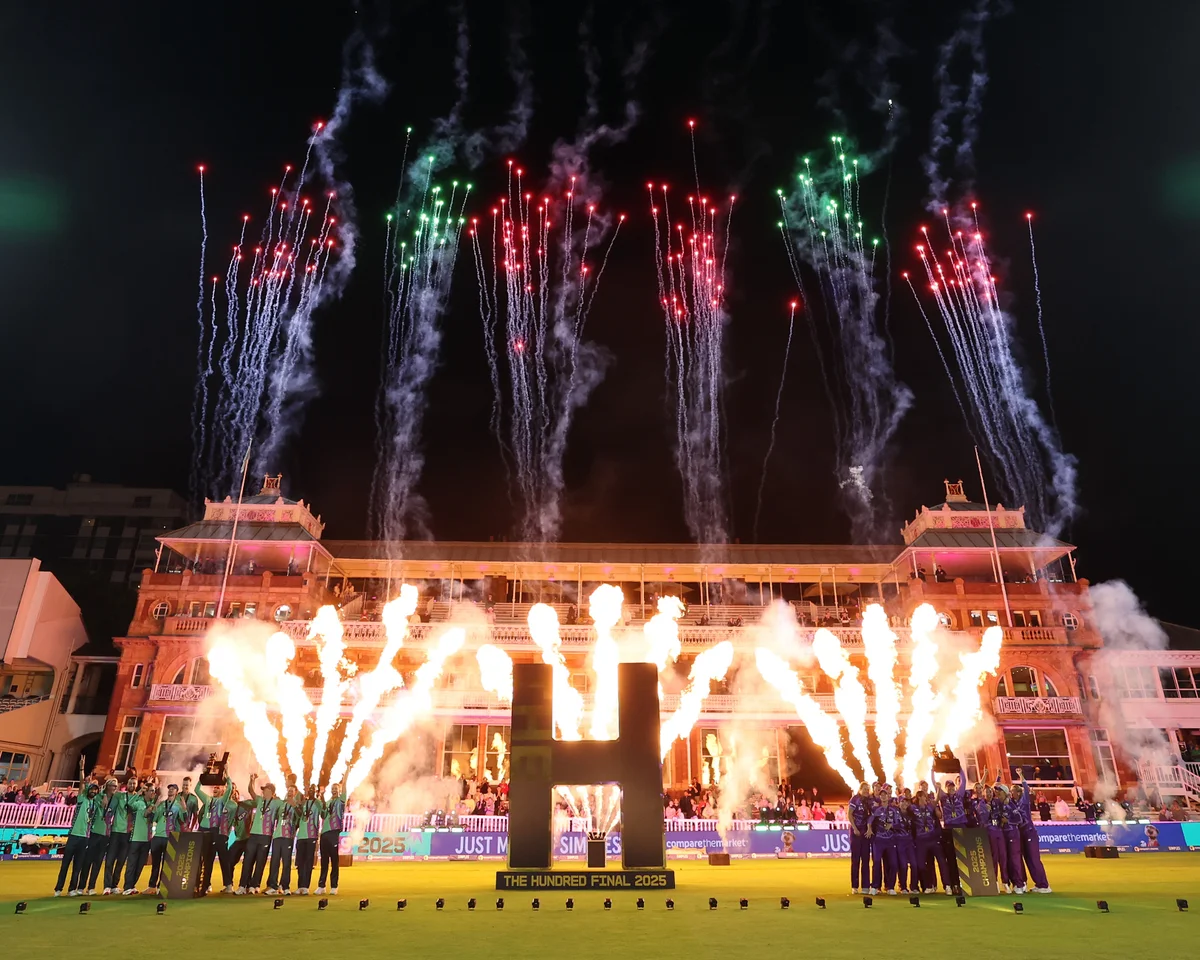
A vital question remains unanswered regarding the future of the Hundred franchises and their various county partners. Could these organizations face employment law claims for discrimination if Pakistan players are absent from next season’s rosters? The obvious answer is that nothing has officially happened yet but the tension is already quite palpable. The BBC recently suggested that Indian-owned franchises have deep reservations about hiring any players from Pakistan. The ECB has energetically denied a shadow ban exists but they cannot actually know that for sure. This creates a scenario where a commercial project sold as a force for modernity reinforces exclusion.

Every part of the marketing for the Hundred involves a beamingly self-righteous tone about sunshine and openness. All of that goes up in smoke if the underlying message is that you are not welcome. The broader answer to questions about legal action is that a significant challenge could theoretically happen soon. It may not be as difficult as many assumed if the right dots are joined by someone. Little wonder the ECB leadership has spent the week whirling around trying to put out a massive fire. This is a fire that was effectively set by their own hand through a desperate hunger for cash.
Nobody can say they were not warned about the risks of selling stakes to private Indian equity. The ECB knew about the potential exclusion of Pakistani players from the Hundred before the sale progressed further. Richard Gould actively soft-soaped suggestions that selling the summer to politically aligned finance would come with any baggage. Everyone knows that selection around the world is affected by the hostile relations between India and Pakistan. Everyone knows Indian cricket tends to fall into line with the nationalistic movement of the ruling party.
The BJP is led by Narendra Modi and the cricket infrastructure is dictated by this specific movement. As such, everyone in English cricket with a brain knew power was factored into the purchase prices. Does anyone involved in the leadership of English cricket actually have a brain or just a wallet? Lancashire’s chief executive even suggested selling a stake directly to the Board of Control for Cricket in India. This is the reality of a sport that is always looking for someone else to feed it. We now have a sneak preview of what selling off the summer means in actual practice.
The auction list for the men’s Hundred will be cut from hundreds of players to just sixty. There are sixty-three Pakistanis in the mix and the ECB has warned franchises about evidence of discrimination. What action could they take against billionaire owners who hold all the cards in this specific game? That sound you can hear is the chatter of teeth as the ECB issues its sternly worded warnings. As things stand, it would be surprising if no Pakistani players are selected given the current sensitivities. But beyond this, there are two well-rehearsed justifications for a roster that excludes every single Pakistani.
First, nobody can prove this is a deliberate policy if they claim the players are not good. Second, there is a quiet idea that India is paying for this and can do what it wants. Both of these arguments are misguided and dangerous for the long-term health of the domestic English game. At which point, the law enters the room to remind everyone of the Equality Act of 2010. Discrimination on the basis of nationality or national origin is a form of race discrimination in the UK. This applies to both prospective and current employees regardless of where the franchise owners are based.
The idea that Pakistan players as a bloc are not good enough seems entirely implausible to observers. The top run-scorer at the recent T20 World Cup is Pakistani and is on the auction list. This seems like a fairly strong objective case for selection in any elite short-format cricket competition. The fault lies in failing to consider someone fairly for employment rather than just the final result. Discrimination does not have to be proved beyond a shadow of a doubt in these specific cases. The law accepts that hard proof of a secret ban is very rare in professional sports.
A balance of probabilities is often enough for a court to decide that discrimination has actually occurred. The law is tenacious and it will not be easily shrugged off by wealthy team owners or boards. Who could face legal action over this if the draft results in a total snub of Pakistan? UK employment law can be applied to overseas bodies when they operate and hire within British borders. The counties are also vulnerable if they failed to ensure employees are treated equally during the recruitment. This is a massive exposure for an organization that claims to champion diversity and inclusion.

Given the evidence of every other franchise league, it was entirely foreseeable this would become a problem. The pattern is clear in the United Arab Emirates and in the South African league as well. Indian-owned teams in those regions have not signed a single Pakistan player in several consecutive seasons. We are not children and we know exactly why this pattern exists in global cricket today. The ECB simply brushed away the prospect of this trend coming to the Hundred during the negotiations. They claimed it would not happen here but the reality is looking much different this month.
Forget the legal angle for a moment and consider the moral angle of this entire sorry situation. How has the ECB put our summer sport in a position where it fears anti-racism laws? How does asking this question sit with the constant fanfaring about outreach to diverse local cricket communities? How will girls and boys of Pakistan origin feel when they see their heroes ignored by franchises? This does not sit well with the fine intentions of the recent State of Equity report. That report was billed as evidence of progress in engaging with every ethnically diverse community.
The report features noble talk about making cricket the most inclusive team sport in the entire country. It is vital that we do not take our foot off the pedal according to Richard Gould. An entire section talks up street cricket sessions designed to persuade British Pakistanis to take up cricket. This is not a credible strategy if it is not possible to be Pakistani in the Hundred. It is to be hoped that none of this comes to pass and politics stays away. If not, the ECB executive is hugely exposed to both legal challenges and a total moral collapse.
Related News:
 Badenoch Warns Farage’s Grooming Gangs Plan Could Backfire
 Salah & Gravenberch Lead Liverpool to Win Against Villa
 Granit Xhaka Rescue Earns Everton Draw at Sunderland
 Police Probe Four Knife Incidents Linked to Cambridgeshire Train Attack
 French Taxi Driver Cleared in David Lammy Theft Case After Fare Dispute
 Just Stop Oil Protesters Convicted Amid Climate Defence Row
 Bellingham has ‘the edge’ among England No 10s
 King Charles to Lead Nation in Remembrance Sunday Service
 Man City Masterclass on Guardiola’s Milestone Day Exposes Liverpool Woes
 VAR Must Rein Its Neck In to Save Football’s Spirit
 Mary Earps’s Manchester United Return Faces Mixed Reception
 Sam Kerr Stars in Chelsea Return with Champions League Double
 UK and Ireland Announce Venues for Euro 2028 Tournament
 Pop Stars Call on UK Government to Cap Resale Prices for Fans
 Major Rent Reform Ends No-Fault Evictions in England
 Peers Flood Assisted Dying Bill with 942 Amendments
 US Justice Department Files Lawsuit Against California Over Partisan Voting Maps
 Oklahoma Governor Grants Last-Minute Clemency to Death Row Inmate
 Saka Solidifies Role as Tuchel’s Key England Lieutenant
 Former Lion Heskey Warns of Shortage of England Strikers
 Rio Raid’s Death Toll Raises Questions About Gang Impact
 Trump Deploys DHS to Charlotte in Major Arrest Operation
 Charlotte Raids: 130 Arrested in Major Immigration Sweep
 Eminem Takes Legal Aim at Australian ‘Swim Shady’ Brand
 From heartbreak to glory: Scotland’s dramatic return to the World Cup
 Tiny Curacao Makes History as Smallest Nation to Reach World Cup
 Haiti Qualifies for World Cup Despite Coach Never Visiting Country
 Serial Rapist and Former Cop Found Guilty Again
 Man Charged Over Attempted Murder of Senior Officer
 Man Denies Stealing Bronze Age Gold from Museum
 Moyes Defends Gueye After Dramatic Everton Bust-Up
 Runaway Driver Caught by DNA Evidence
 Peers Get Extra Time to Debate Assisted Dying Bill
 Mbappe Scores 4 as Real Madrid Edge Olympiakos
 US National Guard Member Killed in DC Shooting
 ICC to Rule on Duterte’s Provisional Release
 Tokyo court rules Japan’s same-sex marriage ban constitutional
 Virgin Media Fined £23.8m Over Telecare Safety Failures
 Barcelona, Atletico set for decisive La Liga showdown
 Australia Face Big Changes as Cummins and Lyon Ruled Out of Ashes
 Van de Ven Tackle Leaves Isak with Fractured Leg
 City Set to Land Semenyo After Chelsea Exit from Transfer Race
 ECB powerless to halt England’s recurring Ashes failures
 Stokes urges empathy for England players amid Ashes struggles
 Damien Martyn in Induced Coma After Meningitis Diagnosis
 Spin Bowling Struggles as Pace Dominates 2025 Ashes Series
 Anthony Joshua Released After Nigeria Car Crash
 Chelsea Sack Looms: Enzo Maresca Relationship Collapses
 Africa’s Superpowers Shine in Cup of Nations Quarter-Finals
 Amorim’s United Future Uncertain Amid Wilcox Tension
 Raducanu Battles Injury as Britain Exit United Cup
 Australia Dominates England: Smith, Head Crush Bowlers in Sydney
 Australian Open Prize Money Hits Record $111.5m
 Manchester United Fan Group Targets Jim Ratcliffe Over Club Chaos
 Morocco sail into Afcon semis after Díaz inspires win
 Google Employee Claims Redundancy After Harassment Report
 Plans to Limit Jury Trials Face Retreat After Mounting Opposition
 Israeli fans ban questioned after Dutch police dispute evidence
 Labour Faces Internal Rift Over Hillsborough Law Dispute
 Geopolitical football: Iran, Trump and the World Cup clash
 Woman Jailed for Life After Killing E-Bike Rider in Tragic Mistaken Identity Case
 Regragui condemns Afcon final chaos after dramatic defeat
 Brahim Díaz’s Panenka Fail Highlights Penalty Risks
 ‘A long time coming’: US table tennis finds its moment
 NSW Inquiry Targets “Globalise the Intifada” in Public Spaces
 Study Finds One in Seven England Takeaways Are Dark Kitchens
 Mbappé’s Late Penalty Lifts Real Past Nine-Man Rayo
 Police Doubt Fugitive Dezi Freeman Survived Bushland
 Epstein Files Release Sparks Renewed Outrage Over Withheld Records
 Women’s FA Cup Could Introduce Seeded Teams from Last 32
 Yamal and Rashford Shine as Barcelona Reach Copa Semis
 ‘Scrutiny and Pressure on Irish Has Reached New Level’ — Rugby Faces Brutal Spotlight After France Defeat
 Australia’s Opposition Coalition Reunites After Rift
 Hugo Ekitike Becomes Liverpool’s New Cult Hero
 Infantino Faces Russia Threat and Trump Concerns at Uefa Congress
 How Dark Web Agent Spotted Bedroom Wall Clue to Rescue Girl from Years of Harm
 Civil Service Pay: Union Urges Ministers to End ‘Barking Mad’ Limits
 Trump Probe Fallout: Patel Fires FBI Staff Tied to Documents Case
 Hilary Knight speaks out on Trump’s recent hockey remarks
 Champions League Thrills as Atalanta and Galatasaray Advance