
Published: 06 September ‘2025. The English Chronicle Desk. The English Chronicle Online
Shabana Mahmood’s appointment as the UK’s new home secretary marks a historic moment as she becomes the first Muslim woman to hold one of the great offices of state. After her tenure as lord chancellor, where she earned recognition for her ability to drive through contentious policies such as early prisoner release schemes and a new sentencing framework, Mahmood now steps into a role laden with immense responsibility.

Her new portfolio encompasses some of the country’s most pressing issues: immigration, national security, and policing. Observers note that her performance will be crucial in limiting the political gains of Nigel Farage’s Reform UK, which has built momentum around criticism of the government’s immigration stance.
One of Mahmood’s foremost challenges is addressing the rising number of Channel crossings. Despite the efforts of six previous Conservative home secretaries and Labour’s Yvette Cooper, attempts to curb the flow of small boats from France have largely failed. The persistence of criminal smuggling networks and the ongoing global pressures of war, climate change, and poverty mean that arrivals have soared beyond 50,000 since Labour assumed office. Mahmood is expected to implement stricter asylum rules for those arriving irregularly and to accelerate their removal.
Linked to this is the issue of asylum accommodation. Labour’s election pledge to end the use of hotels has faltered, with more than 32,000 asylum seekers now residing in them. Public anger spiked after a serious crime at an Essex hotel involving an asylum seeker. Mahmood is likely to push for faster asylum decisions, reforms to the appeals process, and the use of alternative housing such as military bases, student halls, and modular units.
She must also respond to growing calls to cut net migration. Starmer has promised to tighten controls after a by-election defeat to Reform UK, with measures under consideration including stricter visa conditions and English language requirements, potentially cutting entries by 100,000 annually. Yet this could clash with demands from businesses, universities, and the healthcare sector, all of which rely on skilled foreign workers.

Another urgent matter is the ban on Palestine Action, proscribed under terrorism laws after causing millions in damage during protests against UK arms supplies to Israel. The ban, enforced by her predecessor, has provoked outrage among civil rights advocates who argue it broadens the scope of terrorism excessively. With protests continuing and Labour’s position on Gaza already costing votes in key constituencies, Mahmood will have to navigate a politically explosive issue with care.
Her tenure begins at a moment of heightened political sensitivity and public scrutiny. Mahmood’s decisions in the coming months will determine not only her own legacy but also the credibility of the government’s promises on law, order, and migration.
Related News:
 Tasers Introduced in UK Prisons to Combat Rising Violence and Protect Staff
 Peter Kyle Condemns Nigel Farage Over Reform UK’s Promise to Scrap Online Safety Act
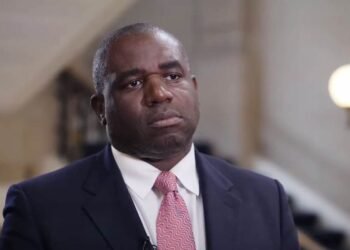 David Lammy Faces Possible Legal Challenge Over Foreign Office Secondment Scheme
 Ministers Accused of Defamation Over Palestine Action Ban and Mass Arrests
 Police Advised to Disclose Ethnicity of Suspects in High-Profile Cases
 Sally Rooney Pledges BBC Royalties to Support Palestine Action Despite UK Terror Ban
 UK’s First Transgender Judge Seeks Rehearing of Supreme Court Ruling on Biological Sex
 Government Signs Deal with Iraq to Return Illegal Migrants in Latest Bid to Deter Small Boats
 Migrant Hotel Chaos as Councils Consider Legal Action to Ban Asylum Seekers
 DWP Launches Independent Review of Post Office Staff Prosecutions
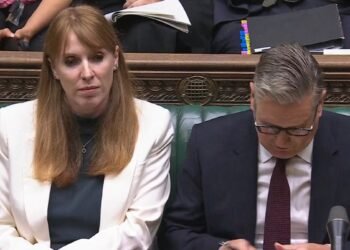 Angela Rayner Admits Underpaying Stamp Duty on £800,000 Seaside Flat
 Angela Rayner Faces Scrutiny as Stamp Duty Row Deepens
 Tanni Grey-Thompson Faces Abuse Over Opposition to Assisted Dying Bill
 New Home Secretary Hosts International Talks as Small-Boat Migrant Crossings Surge
 Police Watchdog Calls for End to Recording Non-Crime Hate Incidents
 Charlie Kirk Killing Used to Mobilise UK’s Largest Far-Right Rally in Decades
 First “One In, One Out” Deportation Flight Departs Without Migrants Amid Legal Challenges
 Hillsborough Law to Hold Public Officials Accountable, Promising Jail for Serious Misconduct
 Labour Urged to Rethink Growth Strategy as Top Economist Warns of Far-Right Surge
 Corbyn and Sultana Clash Over Membership Portal as Divisions Surface in New Leftwing Party
 Commons Speaker Warns UK Parliament Vulnerable to Foreign Espionage After China-Linked Case Dropped
Mahmood Pledges Reform of Modern Slavery Laws After Court Blocks Deportation Appeal
Commons Speaker Warns UK Parliament Vulnerable to Foreign Espionage After China-Linked Case Dropped
Mahmood Pledges Reform of Modern Slavery Laws After Court Blocks Deportation Appeal
 Migrants in UK May Need to Contribute or Face Removal, Home Secretary Signals
 Jailed Georgian Opposition Leaders Warn UK of Iranian Links to Ruling Party
 UK Police to Gain New Powers to Manage Repeated Protests, Home Office Announces
 MPs’ pay watchdog seeks to give public greater voice in how politicians are funded
 Digital ID Plans Ignite Debate Over £600m Treasury Tax Boost and Privacy Concerns
 Boris Johnson Breached Rules on Post-Office Business Contacts
 Shabana Mahmood Warns Border Failings Are Eroding Trust in States
 Lucy Powell urged ministers to reconsider costly legal case for Labour donor’s firm
 Starmer Accused of Creating ‘Toxic Downing Street’
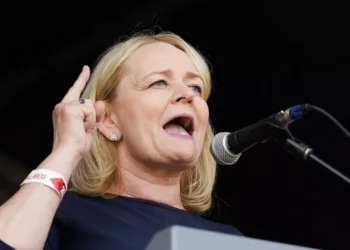 Tories Push to Dilute Labour’s Workers’ Rights Bill
 China Spy Case Hearing Reveals Key Gaps in Prosecution
 It’s time to come clean on the China spy case
Johnson Approved China’s London ‘Super-Embassy’ in 2018
It’s time to come clean on the China spy case
Johnson Approved China’s London ‘Super-Embassy’ in 2018
 Rachel Reeves Admits Renting Home Without Required Licence
 Experts Question HMRC Over Possible Child Benefit Privacy Breach
 Phillipson urges careful review of gender recognition guidance
 French Taxi Driver Cleared in David Lammy Theft Case After Fare Dispute
 Met Police Culture Makes Racial Harm ‘Inevitable’
 Remaining rebel Labour MPs have whip restored
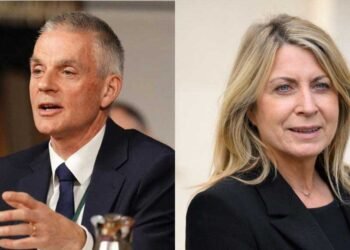 Tim Davie resigns as BBC director general amid bias claims
 Palace to reinstate hyphen in Andrew’s surname
 Victims’ commissioner Baroness Newlove dies aged 63
 BBC Apologises to Trump but Rejects $1bn Compensation Claim
 Major Rent Reform Ends No-Fault Evictions in England
 Peers Flood Assisted Dying Bill with 942 Amendments
 Nandy says BBC review to probe political board influence
 Your Party Turmoil Deepens Over Withheld Donations
 UK Unveils Fast-Track Deportation and Asylum Overhaul
 UK Asylum Overhaul Sparks Debate Over Human Rights and Deportations
 UK Asylum Reforms: Temporary Refugee Status and Faster Deportations
 Mahmood Defends Tough Overhaul of UK Asylum System
 Scottish Ministers Express Alarm Over UK Asylum Reforms
 Westminster Advances Legacy Bill Amid Criticism
 Minister Defends Tough New Asylum Reform Plan
 UK Net Migration Falls Sharply After ONS Revisions
 Peers Get Extra Time to Debate Assisted Dying Bill
 UK Must Act with Courage and Clarity on Israel-Palestine Conflict, Says Foreign Affairs Committee Report
 Targeted Attack in Bury Sparks Murder Investigation as Community Awaits Justice
 Radioactive Leak at UK’s Nuclear Warhead Base Sparks Outcry Over Safety and Secrecy
 Merseyside Police Helicopter Crew Cleared After Low-Altitude Pursuit of Suspect
 Is the UK Ready to Put Boots on the Ground in Ukraine? Assessing Military Capacity and Challenges
 Police Scotland Spends £500,000 Compensating Officers Over Trump Visit
 Urgent Action Needed on Windrush Compensation as Survivors Speak of “Waiting to Die”
Zarah Sultana Seeks Legal Action After Bitter Clash with Jeremy Corbyn Over Party Membership Funds
Urgent Action Needed on Windrush Compensation as Survivors Speak of “Waiting to Die”
Zarah Sultana Seeks Legal Action After Bitter Clash with Jeremy Corbyn Over Party Membership Funds
 Ed Miliband Urges Labour to Confront Billionaire-Backed Opposition to Net Zero Goals
 Public Trust in SNP Hits Historic Low Amid NHS Concerns
 Johnson Suggests Mandelson Linked to China Spy Controversy
 Ministry of Justice fails to file £11bn in spending receipts
 Rachel Reeves signals welfare reform ahead of key budget
 Reform UK candidate fined £19,000 after using AI-generated cases to challenge election
 William Steps Up Over Prince Andrew Palace Response
 Green Party Surges Past Labour in Latest UK Poll
 King Charles to Lead Nation in Remembrance Sunday Service
 Starmer Faces Growing Dissent as Labour MPs Weigh Leadership Challenge
 Trump Deploys DHS to Charlotte in Major Arrest Operation
 Serial Rapist and Former Cop Found Guilty Again
 Most Tories Expect to Support a Farage-Led Government
 Virgin Media Fined £23.8m Over Telecare Safety Failures