Published: 06 October 2025. The English Chronicle Desk, English Chronicle Online.
The Independent Parliamentary Standards Authority (IPSA), the body responsible for overseeing MPs’ pay and expenses, is exploring ways to give the public a stronger role in determining how politicians are funded. In a recent statement, Karen Walker, Ipsa’s newly appointed chief executive, outlined a series of reforms aimed at making the system more transparent, flexible, and responsive to both parliamentary requirements and public expectations.
Walker, who assumed leadership of the watchdog last month, emphasised that Ipsa had already implemented a significant change in the way MPs claim funding for office costs, staff salaries, travel, accommodation, and other essential expenditures. According to her, the system has shifted from a rigid, mechanistic set of rules to a more principles-based approach, grounded in the core tenets of value for money, parliamentary purpose, accountability, and integrity. The reform has granted MPs greater discretion in deciding what claims are appropriate, while still maintaining strict limits on overspending.

Despite these recent reforms, Walker acknowledged that more could be done to enhance public involvement in how MPs are funded. Ipsa recently convened a citizens’ forum consisting of 23 members of the public to discuss parliamentary pay and funding issues. Feedback from this group has informed Ipsa’s ongoing consultation, which aims to balance parliamentary needs with public opinion and social expectations.
One area under consideration is the introduction of variable funding allowances depending on constituency demands. Some MPs represent constituencies with higher populations or unique challenges that require increased staff support or elevated travel budgets. By allowing differential funding, Ipsa hopes to ensure that MPs can adequately serve their constituents without facing arbitrary limits that fail to account for local circumstances.
Walker also highlighted the importance of improving public understanding of MPs’ pay and expenses. Currently, Members of Parliament receive a base salary of £93,904 per year, with additional allowances capped at £250,000 annually for costs associated with their parliamentary work. The citizens’ forum largely agreed that the base pay was fair but emphasised that it should be contextualised within the broader social and economic realities facing ordinary working people.
The forum’s recommendations included benchmarking MPs’ salaries against similar roles in public service and comparable democracies, linking pay partially to national average household income, and recognising the demanding nature of the parliamentary role. Ipsa is actively considering these suggestions as part of its review process for the upcoming financial year.
Ipsa was established following the 2009–2010 parliamentary expenses scandal, which revealed widespread misuse of taxpayer funds. Since then, it has sought to ensure transparency, accountability, and fairness in MPs’ financial arrangements. The new focus on public consultation represents an extension of this mandate, reflecting the growing expectation that citizens should have a say in how their elected representatives are funded.
Under Walker’s leadership, Ipsa has also embraced a principles-based approach to regulation. This method allows MPs to make informed judgments about their claims, rather than relying on strict, prescriptive rules. While red lines and spending caps remain in place to prevent misuse, MPs now exercise more discretion within these boundaries, applying principles such as value for money and parliamentary purpose to guide their decisions.
Walker explained that the shift away from mechanistic rules has already improved compliance and accountability. “Previously, MPs would call us asking if they could make a specific claim, and the answer would be yes or no,” she said. “Now, the system asks them to consider how their constituents would view a particular expenditure. It encourages thoughtful decision-making rather than blind rule-following.”
She added that the principles-based framework also helps address nuanced areas such as communications. MPs can claim funding for constituency-related communication, but political activity or derogatory commentary about other politicians or the government is prohibited. The approach provides flexibility while maintaining the integrity of the system.
Walker noted that other regulatory bodies are also exploring similar principles-based frameworks. The Parliamentary Standards Commissioner, for example, has discussed with MPs the possibility of adopting a comparable model for their code of conduct. By aligning financial regulation with broader ethical principles, Ipsa hopes to create a more accountable and adaptable system for parliamentary oversight.
Public trust in how MPs are funded remains a key concern for Walker. “My biggest worry is ensuring MPs are funded fairly, while also acknowledging that public perception directly affects confidence in democracy,” she said. Walker emphasised that most MPs act responsibly, and lapses are often due to misunderstandings rather than deliberate misconduct. “Where someone makes a mistake, there is usually a reason, often related to a lack of understanding. We give the benefit of the doubt unless we see repeated patterns.”
The citizens’ forum process has already influenced Ipsa’s approach to pay and expenses. Forum members expressed a desire for MPs’ remuneration to reflect the complexity and demands of the role while remaining transparent and understandable to the public. Walker suggested that implementing these principles could enhance both public trust and parliamentary effectiveness.
In addition to public consultation, Ipsa’s reforms have focused on simplifying the application process for MPs while maintaining robust oversight. By moving away from a rigid checklist of allowable expenditures to a more nuanced framework based on judgment and principles, MPs can better prioritise spending that directly supports their parliamentary and constituency responsibilities.
The broader context for these changes includes heightened scrutiny of politicians’ pay, especially in light of widening social inequality and public sensitivity to government spending. While MPs’ base salaries and allowances are designed to support their parliamentary duties, the public forum’s feedback reflects a desire for financial arrangements to remain proportionate to the wider economic environment and accountable to taxpayers.
Walker’s previous experience in the private sector, including leadership roles at First Direct, Centrica, and Virgin Media, has informed her approach to modernising Ipsa’s processes. She has emphasised transparency, efficiency, and responsiveness, ensuring that MPs’ financial claims are subject to both regulatory oversight and public input.

Looking ahead, Ipsa intends to continue engaging with the public, refining its principles-based system, and implementing recommendations from the citizens’ forum. The organisation is consulting on pay and funding for the next financial year, with the board set to review the forum’s proposals before finalising any changes.
Walker concluded that Ipsa’s mission remains clear: to ensure MPs are appropriately funded, accountable, and guided by principles that reflect both parliamentary purpose and public expectations. “This is about creating a system where MPs can do their jobs effectively while the public can have confidence that their money is being used responsibly,” she said.
The reforms introduced under Walker mark a notable shift in parliamentary oversight, moving towards a system that blends professional discretion, accountability, and public engagement. As the next cycle of pay and funding decisions approaches, Ipsa is positioning itself at the forefront of transparent governance, aiming to foster trust, efficiency, and fairness in the management of MPs’ financial entitlements.
Related News:
 Tasers Introduced in UK Prisons to Combat Rising Violence and Protect Staff
 Peter Kyle Condemns Nigel Farage Over Reform UK’s Promise to Scrap Online Safety Act
 David Lammy Faces Possible Legal Challenge Over Foreign Office Secondment Scheme
 Ministers Accused of Defamation Over Palestine Action Ban and Mass Arrests
 Police Advised to Disclose Ethnicity of Suspects in High-Profile Cases
 Sally Rooney Pledges BBC Royalties to Support Palestine Action Despite UK Terror Ban
 UK’s First Transgender Judge Seeks Rehearing of Supreme Court Ruling on Biological Sex
 Government Signs Deal with Iraq to Return Illegal Migrants in Latest Bid to Deter Small Boats
 Migrant Hotel Chaos as Councils Consider Legal Action to Ban Asylum Seekers
 DWP Launches Independent Review of Post Office Staff Prosecutions
 Angela Rayner Admits Underpaying Stamp Duty on £800,000 Seaside Flat
 Angela Rayner Faces Scrutiny as Stamp Duty Row Deepens
 Shabana Mahmood Faces Daunting Challenges as New UK Home Secretary
 Tanni Grey-Thompson Faces Abuse Over Opposition to Assisted Dying Bill
New Home Secretary Hosts International Talks as Small-Boat Migrant Crossings Surge
Tanni Grey-Thompson Faces Abuse Over Opposition to Assisted Dying Bill
New Home Secretary Hosts International Talks as Small-Boat Migrant Crossings Surge
 Police Watchdog Calls for End to Recording Non-Crime Hate Incidents
 Charlie Kirk Killing Used to Mobilise UK’s Largest Far-Right Rally in Decades
 First “One In, One Out” Deportation Flight Departs Without Migrants Amid Legal Challenges
 Hillsborough Law to Hold Public Officials Accountable, Promising Jail for Serious Misconduct
 Labour Urged to Rethink Growth Strategy as Top Economist Warns of Far-Right Surge
 Corbyn and Sultana Clash Over Membership Portal as Divisions Surface in New Leftwing Party
 Commons Speaker Warns UK Parliament Vulnerable to Foreign Espionage After China-Linked Case Dropped
Mahmood Pledges Reform of Modern Slavery Laws After Court Blocks Deportation Appeal
Commons Speaker Warns UK Parliament Vulnerable to Foreign Espionage After China-Linked Case Dropped
Mahmood Pledges Reform of Modern Slavery Laws After Court Blocks Deportation Appeal
 Migrants in UK May Need to Contribute or Face Removal, Home Secretary Signals
 Jailed Georgian Opposition Leaders Warn UK of Iranian Links to Ruling Party
 UK Police to Gain New Powers to Manage Repeated Protests, Home Office Announces
 Digital ID Plans Ignite Debate Over £600m Treasury Tax Boost and Privacy Concerns
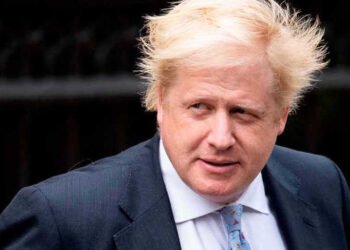 Boris Johnson Breached Rules on Post-Office Business Contacts
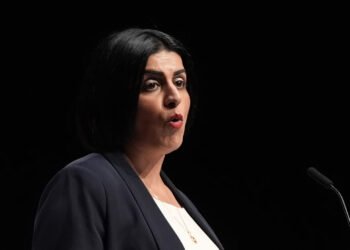 Shabana Mahmood Warns Border Failings Are Eroding Trust in States
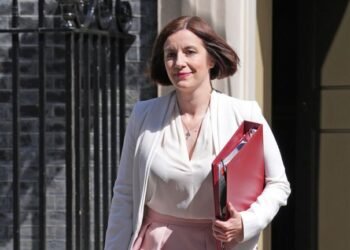 Lucy Powell urged ministers to reconsider costly legal case for Labour donor’s firm
 Starmer Accused of Creating ‘Toxic Downing Street’
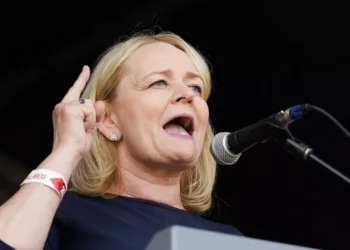 Tories Push to Dilute Labour’s Workers’ Rights Bill
 China Spy Case Hearing Reveals Key Gaps in Prosecution
 It’s time to come clean on the China spy case
Johnson Approved China’s London ‘Super-Embassy’ in 2018
It’s time to come clean on the China spy case
Johnson Approved China’s London ‘Super-Embassy’ in 2018
 Rachel Reeves Admits Renting Home Without Required Licence
 Experts Question HMRC Over Possible Child Benefit Privacy Breach
 Phillipson urges careful review of gender recognition guidance
 French Taxi Driver Cleared in David Lammy Theft Case After Fare Dispute
 Met Police Culture Makes Racial Harm ‘Inevitable’
 Remaining rebel Labour MPs have whip restored
 Tim Davie resigns as BBC director general amid bias claims
 Palace to reinstate hyphen in Andrew’s surname
 Victims’ commissioner Baroness Newlove dies aged 63
 BBC Apologises to Trump but Rejects $1bn Compensation Claim
 Major Rent Reform Ends No-Fault Evictions in England
 Peers Flood Assisted Dying Bill with 942 Amendments
 Nandy says BBC review to probe political board influence
 Your Party Turmoil Deepens Over Withheld Donations
 UK Unveils Fast-Track Deportation and Asylum Overhaul
 UK Asylum Overhaul Sparks Debate Over Human Rights and Deportations
 UK Asylum Reforms: Temporary Refugee Status and Faster Deportations
 Mahmood Defends Tough Overhaul of UK Asylum System
 Scottish Ministers Express Alarm Over UK Asylum Reforms
 Westminster Advances Legacy Bill Amid Criticism
 Minister Defends Tough New Asylum Reform Plan
 UK Net Migration Falls Sharply After ONS Revisions
 Peers Get Extra Time to Debate Assisted Dying Bill
 UK Must Act with Courage and Clarity on Israel-Palestine Conflict, Says Foreign Affairs Committee Report
 Targeted Attack in Bury Sparks Murder Investigation as Community Awaits Justice
 Merseyside Police Helicopter Crew Cleared After Low-Altitude Pursuit of Suspect
 Is the UK Ready to Put Boots on the Ground in Ukraine? Assessing Military Capacity and Challenges
 Police Scotland Spends £500,000 Compensating Officers Over Trump Visit
 Urgent Action Needed on Windrush Compensation as Survivors Speak of “Waiting to Die”
 TfL Invites RMT to Resume Talks as London Tube Strikes End
 Nigel Farage Unveils Controversial Immigration and Welfare Plans at Reform UK Press Conference
 No Evidence Found to Substantiate Alleged Rape in Oxfordshire Churchyard, Police Confirm
 Public Trust in SNP Hits Historic Low Amid NHS Concerns
 Johnson Suggests Mandelson Linked to China Spy Controversy
 Ministry of Justice fails to file £11bn in spending receipts
 Rachel Reeves signals welfare reform ahead of key budget
 Reform UK candidate fined £19,000 after using AI-generated cases to challenge election
 William Steps Up Over Prince Andrew Palace Response
 Green Party Surges Past Labour in Latest UK Poll
 King Charles to Lead Nation in Remembrance Sunday Service
 Starmer Faces Growing Dissent as Labour MPs Weigh Leadership Challenge
 Trump Deploys DHS to Charlotte in Major Arrest Operation
 Serial Rapist and Former Cop Found Guilty Again
 Most Tories Expect to Support a Farage-Led Government
 Virgin Media Fined £23.8m Over Telecare Safety Failures