New York / Washington — January 2026
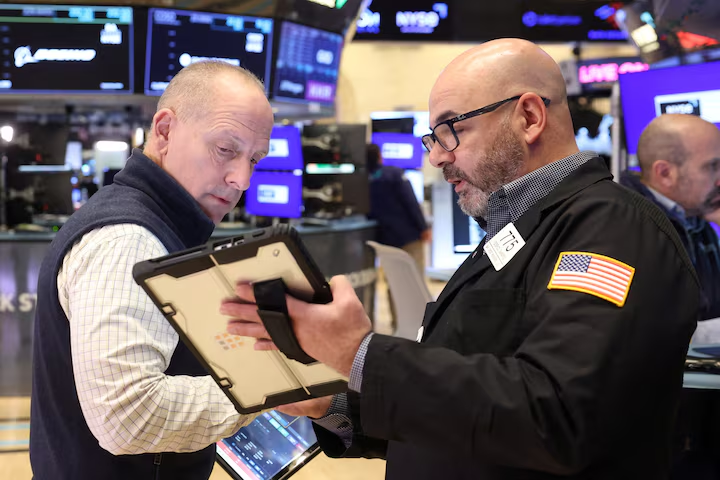
Trading Day: Trump crosses Fed Rubicon, market shrugs as former US President Donald Trump escalated his confrontation with the Federal Reserve, breaking long-standing political norms by openly pressuring the central bank, yet triggering little immediate reaction from global financial markets. Investors appeared largely unmoved, signalling confidence that the Fed’s institutional independence remains intact despite rising political noise.
Trump’s remarks, delivered through public statements and social media, criticised the Federal Reserve’s leadership and policy direction, crossing what many economists describe as a historic “Rubicon” — the informal boundary separating partisan politics from central banking. Despite the dramatic rhetoric, US equities ended the session mixed, bond yields showed limited movement, and the dollar held steady, suggesting markets were unconvinced that the confrontation would translate into policy disruption.

A Norm Broken, but Calm Prevails
Political pressure on the Federal Reserve is not new, but Trump’s language marked one of the most direct and sustained attacks on the institution by a senior political figure in modern US history. Analysts noted that while previous presidents have voiced dissatisfaction with interest-rate decisions, they have generally avoided direct challenges to the Fed’s authority.
“This is a symbolic escalation,” said one senior market strategist. “But markets are treating it as rhetoric rather than reality.”
The muted reaction reflects a belief among investors that the Fed’s legal independence and deep-rooted credibility will shield it from political interference, regardless of the intensity of public criticism.
Market Performance Signals Confidence
US stock markets showed little sign of alarm. Major indices fluctuated within narrow ranges, with gains in technology and consumer stocks offset by weakness in financials. Treasury yields edged slightly higher before stabilising, while the dollar remained broadly unchanged against major currencies.
The lack of volatility suggests investors are focused more on economic fundamentals — inflation trends, corporate earnings and global growth prospects — than on political confrontation.
“Markets have learned to distinguish between noise and action,” said a New York-based portfolio manager. “Unless there’s a tangible policy shift, traders will look past political drama.”
Why the Fed Matters to Markets
The Federal Reserve plays a central role in shaping economic conditions, influencing borrowing costs, asset prices and global capital flows. Its credibility depends heavily on independence from short-term political pressure, allowing policymakers to make decisions based on economic data rather than electoral cycles.
Economists warn that sustained political interference could undermine this framework over time, potentially leading to higher inflation expectations and increased market volatility. However, many believe the Fed’s institutional safeguards remain robust.
Trump’s Calculated Strategy
Trump’s renewed focus on the Federal Reserve is widely seen as part of a broader political strategy, appealing to voters frustrated by high interest rates and economic uncertainty. By positioning himself as a critic of monetary policy, Trump taps into public dissatisfaction while placing responsibility for economic challenges on unelected officials.
Supporters argue that scrutiny of the Fed is healthy and necessary, while critics counter that politicising monetary policy risks long-term economic damage.
Global Perspective
International investors are also watching closely. The US dollar’s role as the world’s dominant reserve currency is tied to trust in American institutions, particularly the Federal Reserve. So far, global markets have shown little concern that Trump’s rhetoric threatens that trust.
European and Asian markets mirrored Wall Street’s calm, reinforcing the view that the confrontation is being treated as political theatre rather than a systemic risk.
A Rubicon Crossed, but No Shockwave
The phrase “crossing the Rubicon” implies an irreversible step, yet markets appear unconvinced that Trump’s actions represent a point of no return. Instead, investors seem to believe the Fed will continue operating independently, insulated by legal protections and institutional norms.
Still, analysts caution that repeated political challenges could erode confidence gradually rather than trigger an immediate crisis.
“Independence isn’t lost overnight,” said an economist at a major investment bank. “It weakens slowly, through repeated pressure.”

What Comes Next
Attention now turns to upcoming Federal Reserve meetings and economic data releases. If policy decisions remain consistent with inflation and employment trends, markets are likely to remain calm. Any deviation, however, could be scrutinised for signs of political influence.
For now, the trading day tells a clear story: Trump may have crossed a symbolic boundary, but markets are shrugging — at least for now.
Publication Details
Published: January 2026
The English Chronicle Desk
The English Chronicle Online
Related News:
 Top Senate Republican Says Federal Probe of Powell Could Challenge Fed Nominees
 China’s crackdown on civil servant perks sparks economic concerns
 Shein UK Faces Allegations of Shifting Majority of Profits to Singapore to Reduce UK Tax
 Rachel Reeves to lead UK trade push in Saudi Arabia amid rights debate
 US private equity set to acquire UK online retailer Very Group
 Metals and Mining Stocks Lift FTSE 100 to Record Close
 German Supermarket Aldi to Open 180 US Stores This Year
 Trump Administration Probe of Fed’s Powell Draws Pushback
 Ofcom Shakes Up Royal Mail: New Delivery Targets and Pricing Review Amid Service Concerns
 Grocery Inflation Surges to 18-Month High in UK, Intensifying Pressure on Households
 Modi’s London Visit Seals Historic UK-India Trade Pact Amid Global Tensions
 HSBC Chief Warns Bank Tax Hike Could Undermine UK Growth Prospects
 Bank of England Poised to Cut Interest Rates Amid Rising Unemployment and Global Trade Pressures
 Non-Dom Tax Crackdown Risks Backfiring as Exodus Threatens UK Revenue and Investment
 Inflation Latest: Cost of Living Expected to Rise Again in Key Figures Released Today
 EuroMillions Record-Breaking £210m Jackpot Won by Lucky Lottery Ticket Holder
Retail Sales See Uptick Amid Errors and Delays as ONS Faces Scrutiny
EuroMillions Record-Breaking £210m Jackpot Won by Lucky Lottery Ticket Holder
Retail Sales See Uptick Amid Errors and Delays as ONS Faces Scrutiny
 UK House Prices Hit Record £299,331 as Market Shows Steady Growth
 UK Retail Sales Rise in August, but Tax Concerns Loom Over Festive Period
 Vodafone Faces Fourth Probe into Franchising Division Amid £120m Legal Battle
 UK Economy Flatlines in July, Raising Pressure on Rachel Reeves Ahead of Autumn Budget
Business Rates Hike Could Threaten Hundreds of UK Retailers, Putting 100,000 Jobs at Risk
UK Economy Flatlines in July, Raising Pressure on Rachel Reeves Ahead of Autumn Budget
Business Rates Hike Could Threaten Hundreds of UK Retailers, Putting 100,000 Jobs at Risk
 Aldi UK Chief Warns Shoppers Could Face Higher Food Prices if Budget Adds Costs for Retailers
 Rachel Reeves Hosts Top UK and US Financial Executives as Trump’s State Visit Begins
 UK Labour Market Shows Signs of Cooling as Wage Growth Slows and Redundancies Rise
 UK Wage Growth Remains High, But Cost of Living Pressures Bite
 UK Borrowing Surges to £18bn in August, Exceeding Forecasts
 British AI Startup Outshines Human Forecasters in Global Prediction Contest
 Dagenham Left in Limbo After Smithfield and Billingsgate Market Relocation Cancelled
 Gatwick Secures Approval for £2.2bn Second Runway Expansion
 Indian Court Deals Legal Setback to Elon Musk’s X in Free Speech Battle
 GSK Chief Executive Emma Walmsley to Step Down After Eight Years at the Helm
Retailers Warn Tax Rises Could Prolong Inflation as Shop Prices Climb
UK Housing Market Returns to Growth Amid Signs of Stability and Regional Variation
GSK Chief Executive Emma Walmsley to Step Down After Eight Years at the Helm
Retailers Warn Tax Rises Could Prolong Inflation as Shop Prices Climb
UK Housing Market Returns to Growth Amid Signs of Stability and Regional Variation
 Delivery Apps Could Double the Cost of Your Groceries, Warns Consumer Watchdog
 Kemi Badenoch Unveils ‘Golden Rule’ to Halve Spending Cuts for Deficit Reduction at Tory Conference
 Gold Hits Historic $4,000 Amid Global Uncertainty
 China warns UK over delayed London mega embassy decision
 B&M Finance Chief Steps Down Amid £7m Accounting Error
 UK inflation update: New rate expected as Budget approaches
 Real living wage set to rise nearly 7% for UK workers in 2026
 Fed Cuts US Interest Rates Again Amid Labour Market Uncertainty
 UK Small Business Owner to Challenge L’Oréal in Tribunal
 Court Hears Challenge Over Water Bills Funding Sewage Fixes
 UPS Cargo Plane Crash in Kentucky Kills Seven
 M&S Profits More Than Halve After Cyber-Attack
 Tony Blair think tank warns Rachel Reeves must cut taxes if manifesto broken
 MPs Press Rachel Reeves to Hike Gambling Taxes
 Warning as Britons prepare to spend £4 billion this Black Friday
 Millionaires group urge Reeves to introduce wealth tax to ‘lift kids out of poverty’
 US Strikes Last Penny After 230 Years of Production
 Trump Moves to Cut Coffee and Banana Tariffs in Latin America Deals
 Global markets drop amid tech sell-off and China slowdown
 Canada Passes Carney’s First Budget in Tight Parliamentary Vote
 UK Energy Bills to Rise Slightly in January
 Steel billionaire Lakshmi Mittal reportedly leaves UK
 Minister Denies Budget Leaks Have Harmed UK Economy
 Two National Guard Soldiers Critically Injured Near White House
 India’s Labour Law Overhaul Sparks Fierce Debate
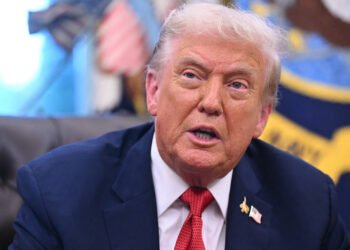 Trump to Recheck Green Cards from 19 Nations After DC Attack
 Carney’s Alberta Pipeline Deal Sparks Immediate Pushback
 Rising Water Bills Lift Troubled Thames Back to Profit
 Tesla Warns UK That Weak EV Rules Could Threaten Sales
 US Defence Chief on Drug Boat Strike: “Did Not See Survivors”
 UK Slashes Aid to Western Balkans, Raising Security Concerns
 Bet365 Boss Nets £280m Despite Profit Drop
 American Mother Extradited From UK to U.S. on Murder Charges
 Russia losses Ukraine war peace talks intensify amid rising deaths
 UK Investment G7: Britain Records Lowest Level Under Starmer
 Trump Taiwan China drills: US President Downplays Tensions
 Gold price silver fall: Precious metals hit by volatility
 FTSE 100 Hits 10,000: UK Market Celebrates Record Year
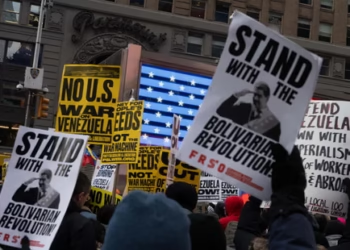 US Venezuela protests sweep cities after intervention
 US Cities Erupt in Protests Against Trump’s Venezuela Military Action
 Trump Escalates Minnesota Immigration Surge Amid Rising Tensions
 Austrian Airlines Halts Tehran Flights Amid Political Unrest
 Trump Says US Must ‘Own’ Greenland to Block Russia, China
 Trump Weighs Response to Iran Crackdown as Tehran Says Communication Open With US
 Uber Faces Sexual Assault Trial in Arizona, Safety Record Scrutinised
 Australia’s US Ambassador Rudd to Step Down Early