Published: 02 February 2026. The English Chronicle Desk. The English Chronicle Online.
In a marked turn in US foreign policy, President Donald Trump said Washington is engaging in Cuba talks with Havana’s leadership even as his administration intensifies economic pressure through oil restrictions and tariffs. Trump declared this shift while defending his broader strategy towards Cuba, which has recently faced severe energy shortages following the loss of Venezuelan oil supplies and threats of a de facto blockade. Cuba talks emerged as the president spoke to reporters, asserting that the United States wants the island to negotiate and avoid a worsening humanitarian crisis, though he offered few specifics about potential terms. Analysts note that these Cuba talks signal a complex balancing act between hardline measures and diplomatic engagement, highlighting the deepening crisis within the island nation’s economy and its political relations with Washington.

Trump’s comments on Cuba talks came against the backdrop of sweeping measures aimed at curtailing Cuba’s access to oil, an essential economic lifeline. In late January, the president signed an executive order threatening additional tariffs on countries that continue supplying oil to Cuba, part of what he described as a necessary response to perceived threats from the communist government. Mexico and Venezuela had been major sources of crude for the island, but Venezuelan shipments ceased entirely after the US military operation that ousted President Nicolás Maduro earlier this year. That move left Cuba increasingly dependent on Mexico, which has since modified shipments and faced pressure from Washington. The situation exacerbated fuel shortages and triggered protests and long queues at petrol stations throughout Havana.
Cuban officials have strongly criticised the US approach, calling the actions tantamount to an attempt to “suffocate” their economy. President Miguel Díaz‑Canel condemned the tariff threats and cutting of oil supplies as part of a strategy that aims to undermine Cuba’s sovereignty and destabilise its society. From Havana, Cuban ministers described the measures as unjust and called for respect for international law and stable bilateral relations without coercion or interference. Their response underlined a stark divergence in perspectives, with the Cuban leadership insisting that external pressure will not force political capitulation.
On the diplomatic front, the Cuba talks announcement has prompted reactions beyond Washington and Havana. Pope Leo appealed for sincere dialogue between the United States and Cuba, emphasising the need for diplomacy to alleviate human suffering and prevent further escalation. The pope’s call came as Cuban bishops echoed concerns about the potential humanitarian consequences of sustained economic pressure. In addition, Mexican President Claudia Sheinbaum pledged humanitarian assistance to Cuba, seeking to alleviate the plight of ordinary citizens amid constrained energy supplies and heightened regional tensions. These developments reflect broader international unease about the risk of a deepening crisis on the Caribbean island.

Despite the president’s optimism about Cuba talks, there remain deep uncertainties about whether meaningful progress can be achieved. Trump suggested that Cuba might be inclined to negotiate due to its dire economic situation, further claiming that his administration’s policies could lead to political liberalisation on the island. Yet Cuban statements from earlier in the year disputed the existence of formal government-to-government dialogues, underscoring how fluid and tentative these discussions remain. Observers say that any substantive talks will require clear frameworks and mutual willingness to address core issues related to energy, governance, and human rights if they are to yield lasting results.
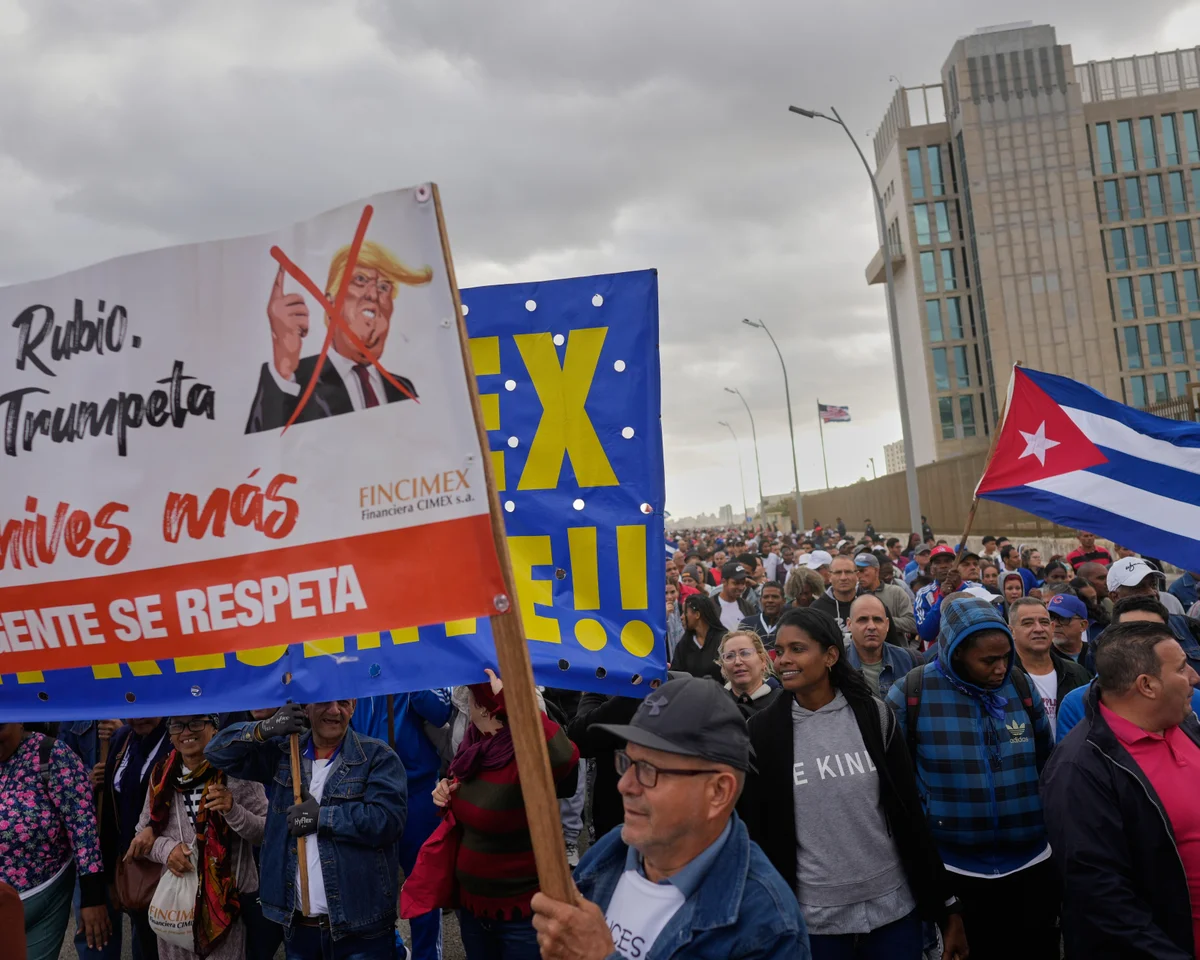
As the United States and Cuba navigate these tensions, the response among the Cuban populace has been one of resilience amid adversity. Many ordinary Cubans are confronting daily realities of prolonged power cuts, rising food and transport costs, and a shrinking availability of basic goods. Social media and local reporting depict long lines at fuel stations and widespread frustration among citizens, whose livelihoods are increasingly impacted by the geopolitical standoff and constrained energy flows. In this fragile environment, Cuba talks represent both a potential turning point and a reminder of the challenges that lie ahead for both governments and the people they govern.
Related News:
 Capitol Attack Anniversary Sparks Deep Political Divide
 Trump Labels Renee Good a ‘Paid Agitator’ After Minneapolis ICE Killing
 Trump targets Iran trade with 25% tariff warning
 Trump Receives Machado’s Nobel Medal in White House Meeting
 Thousands Protest ICE Operations in Nationwide US Day of Action
 Epstein Files Reveal Trump Officials’ Emails with Financier
 Thousands Protest ICE in New York Against Trump Deportation Campaign
 Ukraine war briefing: Zelenskyy offers help to Saudi Crown prince on combatting Iranian drones
 New Policy Allows US Troops to Carry Personal Firearms
 Michigan Battleground: Middle East Crisis Stirs US Senate Race
 Congresswoman Condemns Trump Over Iran Conflict
 Trump Signals Hope for New Iran Talks as Ceasefire Fades
 Trump’s Presidency: A House of Cards Collapsing?
 GOP Senator Criticizes Trump’s Feud With Pope Leo XIV
 Trump Starts $166bn Tariff Refund Process
 Investigation Into Anti-Trump Motives After Gala Shooting
 UK Urged to Adopt ‘Trade Bazooka’ Against Tariff Threats
 USS Gerald R Ford Ends Record Naval Deployment
 Trump orders US troop pullout from Germany
 Indiana Republicans Defy Trump in Key Vote Test
 Tensions Emerge in Netanyahu-Trump Alliance
 Fear and Betrayal: The Chilling Case of Kouri Richins
 Trump in Beijing: The Strongman Fantasy Made Flesh
 Trump Tightens Grip on GOP with Primary Victory
 Democrats release 2024 election report amid fierce backlash
 US judge dismisses Kilmar Abrego Garcia indictment
 Tulsi Gabbard exits after turbulent intelligence tenure
 Former ICC prosecutor condemns US sanctions
 Trump Weighs Retreat from Controversial $1.8bn Slush Fund
 Trump Allies Funded Hidden Network to Discredit US Vote
 UFC at the White House: Glory Marred by Bitter Smears
 The Dreamers Losing Jobs Under Trump’s Red Tape
 Battle for Washington: Mayoral Race Braces for Trump
 Trump Urged to Condemn UFC Fighter Over Obama Slurs
 Trump Halts Senate Hearing for Intel Pick Jay Clayton
 The Obama Center: Hope and Anxiety on Chicago’s South Side
 US Military Pacific Boat Strike Kills Three People
 FBI Chief Faces Backlash Over Premature Social Media Posts
 Trump’s Mount Rushmore Speech: A Divisive Anniversary
 House Democrats Divided Over Israel Military Funding Bid
 Houthis Strike Saudi Arabia as Middle East Tensions Rise
 Federal Immigration Shift: Officers Leave Louisiana for Minneapolis
 Friedman Uninvited From 2024 Adelaide Writers’ Week
 California Democrats Vow Trump Reckoning
 Trump’s Surgeon General Pick Evades Vaccine Questions
 Starmer Praised for Stance on Trump and Iran Conflict
 Utah Woman Found Guilty of Poisoning Husband for Inheritance
 African World Cup Fans Face $15,000 Entry Bond Fee
 Farage Shuns Truss as US Right-Wing Roadshow Hits London
 The Price of Hubris: Trump, Netanyahu, and the ‘Easy’ War
 Trump and Tehran Find Common Ground in Landmark Ceasefire
 Own an Entire Australian Town for the Price of a UK Flat
 Melania Trump Denies Ties to Epstein and Ghislaine Maxwell
 Reeves Slams Trump Over Iran War Lack Of Exit Plan
 Kyiv and Odesa Mourn After Deadly Wave of Russian Strikes
 US Forces Seize Iranian Ship Near Hormuz Blockade
 Investigation: Offshore Loans and Sanctions
 Prominent Voices Challenge Palestine Action Ban
 Trump Defiant After Washington Hotel Shooting
 Cross-Border Crisis Shatters Fragile Afghan Peace
 Trump approval plunges amid Iran war fears
 US ‘Narco Boat’ Strikes Draw Global Outcry
 The Burning Lens: An Iranian Artist’s Visual Resistance
 FIFA Confirms Global Ban for Benfica Star Prestianni
 One Nation Candidate’s Surprising Ties to Independents
 Putin Signals War End as Russian Momentum Stalls
 Romania’s Judicial Crisis: A System Under Siege
 Scepticism and tight security as Beijing braces for Trump
 Philippine Senator Flees After Days Under Senate Siege
 Secrecy Down Under: Albanese Faces FoI Scandal
 Tony Abbott Returns as New Liberal Party President
 Discontent grows around Putin amid war strain
 Teaching Machines Right From Wrong in the Digital Age
 Oman Defies US Pressure Over Strategic Strait of Hormuz
 Ex-CIA Agent Accused of $40m Gold Theft and Fake Spy Unit
 Aukus Deal Facing Fierce Backing and Historic Criticism
 Tragic Loss of Australian Sprinter Jemma Stapleton
 US Airman Avoids British Court in Indecent Exposure Case
 Trump Swaps Planes Amid Iran Tensions
 Yemen Accuses Iran of Violating National Sovereignty