Published: 02 February 2026. The English Chronicle Desk. The English Chronicle Online.
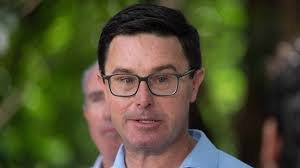
The Coalition split has dominated Australian politics, with David Littleproud confirming a meeting with Sussan Ley to discuss reuniting the parties. This development comes after Littleproud survived a leadership challenge, ending speculation over his role as Nationals leader. The focus on a Coalition reunion has intensified, as the political crisis escalated following the country party’s dramatic withdrawal from Ley’s shadow ministry. In Canberra, the meeting is scheduled for Monday evening, aiming to settle disputes that threatened to destabilise the centre-right alliance. Both leaders are under pressure from their MPs to resolve the conflict.
Colin Boyce attempted to topple Littleproud at a party room meeting, citing the Coalition split as a political failure. The Nationals leader’s survival of the challenge has positioned him to negotiate with Ley, though tensions remain high. Boyce accused Littleproud of guiding the Nationals over a “political cliff,” referencing the second Coalition split in less than a year. Despite the challenge, speculation over potential defections to One Nation continues, with former Nationals ally Barnaby Joyce hinting at announcements within 24 hours.

The initial split occurred after Ley accepted resignations from three Nationals over Labor’s hate speech laws, prompting all frontbench Nationals to step down. The party now insists the reinstatement of Senators Bridget McKenzie, Susan McDonald, and Ross Cadell is a precondition for reconciliation. Senior Liberals are divided over the approach: some advocate a swift reunion, while moderates prefer an extended period apart to reassess the alliance’s dynamics. The Coalition’s future remains a critical concern, with the opposition facing mounting pressure to present a united front before parliamentary proceedings resume on 9 February.
Littleproud’s cautious approach reflects the delicate balance required to restore the Coalition. His decision to meet Ley after rejecting earlier invitations underscores the political stakes at play. Senior Liberal MPs, including Alex Hawke, warn that failing to reconcile would be a historical “own goal” for centre-right politics. Meanwhile, Dan Tehan emphasises quiet negotiations between the parties to craft a lasting solution. Andrew Bragg stresses that the Liberals are not desperate to reunite and may enter elections independently if reconciliation fails.
The unfolding events highlight deep-seated tensions within the Coalition, revealing fractures that have persisted for months. The Nationals’ insistence on reinstating senators signals a demand for respect and accountability, while the Liberals’ internal debates indicate uncertainty about the alliance’s long-term viability. Analysts note that a successful reunion would require compromises from both sides, alongside assurances that such splits will not recur.
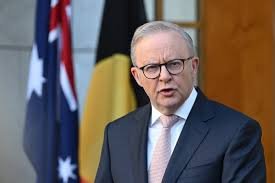
Prime Minister Anthony Albanese has weighed in, likening the Coalition’s struggles to a reality television drama, reflecting the national attention this political rift has attracted. Public opinion is closely watching how centre-right leaders navigate the complexities of their historic partnership, with polls suggesting rising support for alternative parties. The outcome of Monday’s meeting could reshape the opposition landscape in Australia, potentially influencing legislative priorities and strategies ahead of the next election cycle.

Despite the high-stakes environment, both leaders are under pressure to demonstrate unity and political maturity. The broader implications extend beyond party politics, touching on governance stability, policy implementation, and voter confidence. If Littleproud and Ley reach an agreement, it may signal a return to traditional Coalition politics. Failure, however, could solidify a permanent split, altering the trajectory of Australia’s centre-right forces for years to come.
Observers note that the Coalition’s internal conflicts mirror broader global trends of political volatility, where leadership challenges and party fractures have become increasingly common. The reconciliation talks are now seen as a critical test of leadership resilience and strategic negotiation. As Monday approaches, all eyes are on Canberra, anticipating whether compromise or continued division will define the future of Australian conservative politics.
The Coalition split remains the central issue driving debate, with key figures calling for calm and constructive dialogue. How Littleproud and Ley manage this historic test will influence the political landscape and potentially determine the success of future centre-right cooperation in Australia.
Related News:
 Liberal Turmoil Threatens Victorian Election Hopes
 Hanson and Joyce Use Rinehart Jet to Tour Flooded Queensland
 Labor’s Hate Speech and Gun Laws Face Federal Roadblocks
 Nationals Crisis Meeting Threatens Coalition Stability
 Sussan Ley leadership milestone shakes Liberal future
 Andrew Hastie Emerges as Leadership Rival to Ley
 Morrison Faces Backlash Over Call to Regulate Islam in Australia
 Jess Wilson Event Exit After Joyce Controversy
 Australia’s Opposition Coalition Reunites After Rift
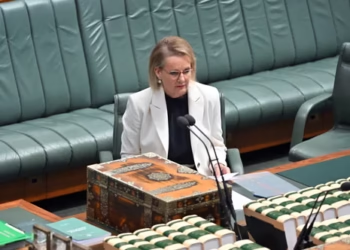 Liberal Party Faces Leadership Spill as Taylor Challenges Ley
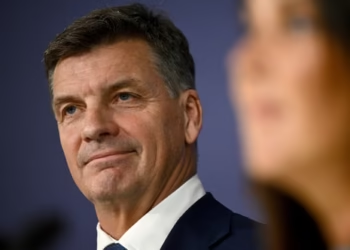 Angus Taylor Faces Immense Test with New Frontbench
 Liberal Review Shelved After Historic Election Loss
 SA Liberals Back Candidate With Controversial Views on Homosexuality
 Senator’s Anzac Day Post Sparks Online Music Controversy
 Queensland Government Faces Heat Over Ministerial Scandal
 One Nation Stuns Australia With Historic Farrer Win
 Tony Abbott Returns as New Liberal Party President
 Tony Abbott Returns as New Liberal Party President
 Moira Deeming Gains Respite in Liberal Party Standoff
 Court Lifts Suppression on Senator Thorpe MCG Assault Case
 Army Officers Orders to Cut Ties with Men-Only Clubs
 Trump’s UK Ambassador Urges North Sea Drilling to Strengthen US Ties
BBC to Apologise Over Edited Trump Speech Amid Backlash
Trump’s UK Ambassador Urges North Sea Drilling to Strengthen US Ties
BBC to Apologise Over Edited Trump Speech Amid Backlash
 Britain deploys RAF specialists to assist Belgium with drone threats
 Millionaires group urge Reeves to introduce wealth tax to ‘lift kids out of poverty’
 Reeves rejects £1bn plea for NHS redundancy payouts
 PM Condemns Leaks, Vows Loyalty to Ministers and Stability
 Major Rent Reform Ends No-Fault Evictions in England
 Greene Pushes Epstein Files Amid Trump Fallout
 December Run-Off in Chile as Election Produces No Winner
 Shadow Fleet at Sea: Europe’s Battle Against Illicit Oil Shipping
 Georgians Defy Government Crackdown After Year of Protests
 ICC to Rule on Duterte’s Provisional Release
 Starmer Says Labour’s Economic Plan Needs Years to Deliver
 PM pushes urgent hate speech and gun laws after Bondi terror attack
 Australia grants Asio powers to designate hate groups under new laws
 Trump press secretary attacks reporter over ICE question
 Spoof “Make America Go Away” Caps Rally Denmark Over Greenland
 Trump Fed bid heads to Supreme Court
 Pentagon Signals Reduced Role in Deterring North Korea
 Artificial intelligence will cost jobs, admits Liz Kendall
 Partial US Government Shutdown Hits Homeland Security Funding
 EU Signals Open Mind on UK Customs Union Talks
 Labour Thinktank Row Deepens Over Journalist Probe Claims
 Cabinet Secretary Shake-Up Triggers Due Diligence Warning
 Starmer Faces Inquiry Calls Over Thinktank Probe
 Royal Mail Delivery Crisis Deepens Amid Weather Chaos
 UK shelves £110m border project amid trade strain
 AFP Reviews Pauline Hanson Comments
 California Democrats Vow Trump Reckoning
 Trump Tariffs Threat Spark UK and EU Alarm
 Trump’s Surgeon General Pick Evades Vaccine Questions
 Anthony Albanese Must Uphold Rights for All Australians
 The Dangerous Rise of Remigration Across Modern Europe
 US to offer passport services in West Bank settlements
 Green Party Stuns Labour in Gorton and Denton Byelection
 Labour Together scandal sparks clean break vow
 NHS Plans to Cut Overseas Workers Labeled Overambitious
 Farage Shuns Truss as US Right-Wing Roadshow Hits London
 Italian Town Buys Mussolini Villa to Keep Away Fascist Fans
 Suspected Plot Targets Pipeline Before Hungary Vote
 Trump Defiant After Washington Hotel Shooting
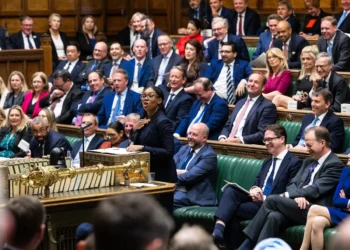 Starmer Survives Mandelson Rebellion
 Trump approval plunges amid Iran war fears
 Tough Fiscal Realities Await Next Scottish Government
 US ‘Narco Boat’ Strikes Draw Global Outcry
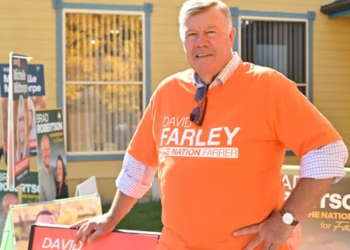 One Nation Candidate’s Surprising Ties to Independents
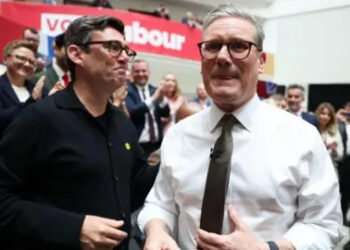 Labour Members Doubt Starmer Future as Burnham Leads Poll
 Reform UK Faces Crisis as Newly Elected Councillors Resign
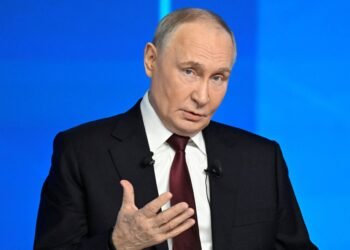 Discontent grows around Putin amid war strain
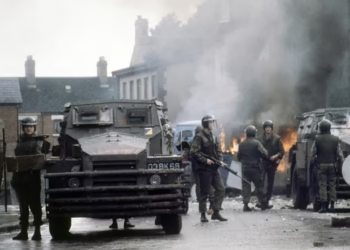 Secret Role of UK Security Services in Troubles Amnesty Law
 The Hidden Crisis Eroding Trust in British Communities
 Deepfake Abuse on X Sparks Safety Concerns for Dissidents
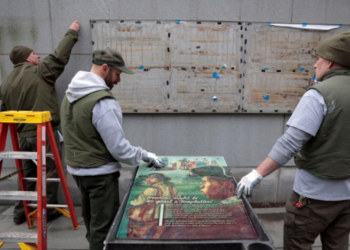 US Courts Back Trump on Park Signage Removals
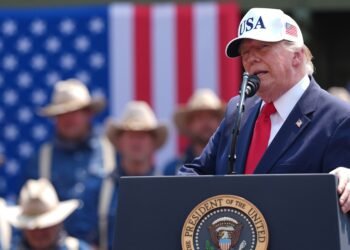 Trump’s Mount Rushmore Speech: A Divisive Anniversary
 Trump’s Red-Card Intervention Hurts the US World Cup
 Farage Warns Sky News Following Financial Inquiry
 Trump Swaps Planes Amid Iran Tensions
 Ann Widdecombe, Formidable Political Figure, Dies at 78
 Houthis Strike Saudi Arabia as Middle East Tensions Rise