Publishing Date: 10 February 2026
Desk: UK Politics Desk
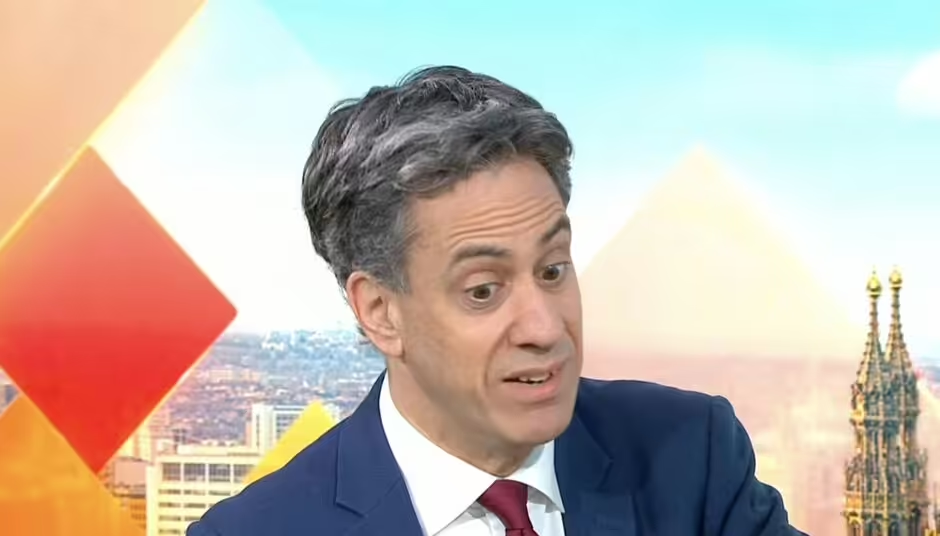
Labour is facing unprecedented internal turmoil as Ed Miliband publicly rebuked a senior Cabinet member, intensifying the party’s civil war amid growing speculation that Keir Starmer’s leadership is hanging by a thread. The incident, described by insiders as a “sharply worded confrontation,” highlights the deep divisions within the party and raises questions about Starmer’s ability to maintain authority. The Labour civil war intensifies as MPs and party members grapple with leadership challenges and ideological disputes.
Miliband, a former Labour leader and current influential MP, confronted a Cabinet colleague during a closed-door session over policy disagreements and perceived disloyalty. Witnesses described the exchange as tense, with Miliband asserting that certain actions risked undermining both party unity and public confidence.

Keir Starmer, already under scrutiny due to controversial decisions and party unrest, now faces renewed pressure as senior figures openly challenge his authority. Analysts suggest that while Starmer retains formal leadership, his ability to manage Cabinet cohesion is increasingly questioned.
“Starmer is on the brink,” said political analyst Dr. Helena Cartwright. “When former leaders like Miliband publicly clash with sitting Cabinet members, it signals serious fractures within the party.”
The incident comes amid ongoing criticism of Starmer’s handling of high-profile ethical and political controversies, leaving the leadership vulnerable to internal revolt.
Details emerging from the confrontation indicate that Miliband targeted policy inconsistencies and lapses in communication, warning that such behaviour could damage Labour’s credibility in upcoming elections. Observers note that Miliband’s intervention is rare and highlights the severity of the internal strife.
“I’ve seen party disagreements before, but this level of public assertiveness from Miliband shows the stakes are extremely high,” noted political commentator James Llewellyn.
While the precise Cabinet member involved has not been publicly named, speculation suggests it is someone closely aligned with Starmer’s inner circle, making the clash a potential flashpoint for further unrest.
The Labour Party has long been divided between moderate and left-wing factions, and the Miliband confrontation reflects deeper ideological tensions. Moderate MPs are reportedly frustrated by what they perceive as inconsistent messaging from the leadership, while left-leaning members demand more decisive action on key policy issues.
Analysts argue that these divisions are exacerbated by Starmer’s attempts to balance competing interests, leaving him vulnerable to high-profile challenges from former leaders and senior MPs alike.
Media coverage of the confrontation has intensified speculation about Starmer’s ability to lead. Headlines describe Labour as “riven by conflict” and “on the brink of collapse,” while social media buzzed with commentary from political enthusiasts and party supporters.
“This isn’t just a spat — it’s a civil war in the making,” tweeted one political observer.
Public confidence in Labour may be affected, with polls showing growing concern over internal instability and the party’s capacity to deliver coherent governance.
With local and national elections approaching, the Labour civil war threatens to overshadow policy achievements and campaign strategies. Party strategists warn that visible discord could erode voter trust and provide ammunition for rival parties, particularly the Conservatives, who have capitalised on Labour infighting in the past.
Experts highlight that maintaining unity and clear messaging is critical to reversing public scepticism and projecting competence.
Labour insiders indicate that backchannel negotiations are underway to contain the fallout. Starmer and senior advisers are reportedly working to calm tensions, reaffirm loyalty within the Cabinet, and reassure MPs that leadership remains stable.
However, analysts caution that public confrontations like Miliband’s rebuke may be difficult to manage, particularly as the media amplifies internal conflicts and party factions become more vocal.

The Labour civil war has reached a critical point as Ed Miliband publicly slaps down a Cabinet member, leaving Keir Starmer’s leadership teetering on the edge. The incident underscores deep divisions within the party, ideological clashes, and the challenges of maintaining authority under intense scrutiny. As Labour navigates this crisis, its ability to restore unity and public confidence will be crucial for its political future.
Related News:
 UK Must Act with Courage and Clarity on Israel-Palestine Conflict, Says Foreign Affairs Committee Report
 Wethersfield Controversy Deepens as Asylum Seeker Numbers Set to Surge by 50%
 Chancellor Faces Mounting Pressure Amid “Impossible Trilemma” Over Tax Rises
 Radioactive Leak at UK’s Nuclear Warhead Base Sparks Outcry Over Safety and Secrecy
 Mass Arrests in London as Protest Defies Ban on Palestine Action
 Mutual Inconvenience: Why Alaska Was Chosen for the Trump-Putin Summit on Ukraine
 Russell T Davies Warns of Declining UK Gay Rights Amid Rise of Reform UK and Trump Influence
 UK Government Expands ‘Deport Now, Appeal Later’ Policy to 23 Countries
 Farage Accuses PM of ‘Democratic Disparity’ in House of Lords Representation
 Chancellor Rachel Reeves Pushes for Sweeping Changes to Environmental Protections to Accelerate Development
 Larger Families Could Gain Thousands if Labour Ends Two-Child Benefit Cap
 Is the UK Ready to Put Boots on the Ground in Ukraine? Assessing Military Capacity and Challenges
 Palestine Action Ban Protesters Plan Tactic to Overwhelm Police at Next London Demonstration
 Police Scotland Spends £500,000 Compensating Officers Over Trump Visit
 Britain’s Migration Challenge: Rising Asylum Numbers and Hotel Pressures
 Elon Musk Sparks New Controversy by Backing Tommy Robinson Amid Farage Feud
 Urgent Action Needed on Windrush Compensation as Survivors Speak of “Waiting to Die”
 Tanni Grey-Thompson Faces Abuse Over Opposition to Assisted Dying Bill
 TfL Invites RMT to Resume Talks as London Tube Strikes End
 UK Rejoining EU ‘Unlikely in My Lifetime,’ Says Starmer’s Europe Reset Negotiator
 ‘Unite the Kingdom’ Rally Sparks Fears of Far-Right Normalisation Among Minority Britons
 Thousands Gather in London to Protest Donald Trump’s Second UK State Visit
 Zarah Sultana Seeks Legal Action After Bitter Clash with Jeremy Corbyn Over Party Membership Funds
 Nigel Farage Unveils Controversial Immigration and Welfare Plans at Reform UK Press Conference
 Top Andy Burnham Ally Launches Fierce Critique of Starmer Ahead of Labour Conference
 Mahmood Pledges Reform of Modern Slavery Laws After Court Blocks Deportation Appeal
 Ed Miliband Warns UK Government on X, Citing Elon Musk as a “Dangerous Influence”
 Ed Miliband Urges Labour to Confront Billionaire-Backed Opposition to Net Zero Goals
 A Third of EU Citizens in UK Report Discrimination by Public Bodies Post-Brexit
 Senior Tories Condemn Badenoch’s Vow to Repeal Climate Change Act as Catastrophic
 Digital ID Plans Ignite Debate Over £600m Treasury Tax Boost and Privacy Concerns
 Kemi Badenoch Unveils ‘Golden Rule’ to Halve Spending Cuts for Deficit Reduction at Tory Conference
 Public Trust in SNP Hits Historic Low Amid NHS Concerns
 Yvette Cooper Backs Digital ID Plan for UK Teens
 Johnson Suggests Mandelson Linked to China Spy Controversy
 UK border officers deployed to Balkans to tackle migrant smuggling
 Ministry of Justice fails to file £11bn in spending receipts
 UK MPs warn of repeat riots over online misinformation
 Rachel Reeves signals welfare reform ahead of key budget
 Reform UK candidate fined £19,000 after using AI-generated cases to challenge election
 William Steps Up Over Prince Andrew Palace Response
 Army Barracks to House Migrants as Hotels Phase Out
 Green Party Surges Past Labour in Latest UK Poll
 Celebrities and Charities Demand UK Government Act on Child Poverty
 Zarah Sultana Launches Party to Change Politics
 Trump’s UK Ambassador Urges North Sea Drilling to Strengthen US Ties
 FBI Director Kash Patel Defends Girlfriend Amid Government Jet Claims
 French Taxi Driver Cleared in David Lammy Theft Case After Fare Dispute
 Millionaires group urge Reeves to introduce wealth tax to ‘lift kids out of poverty’
 Starmer Faces Growing Dissent as Labour MPs Weigh Leadership Challenge
 Reeves rejects £1bn plea for NHS redundancy payouts
 PM Condemns Leaks, Vows Loyalty to Ministers and Stability
 Pressure Mounts on Starmer to Sack Chief of Staff Over Briefing Row
 Major Rent Reform Ends No-Fault Evictions in England
 Peers Flood Assisted Dying Bill with 942 Amendments
 Most Tories Expect to Support a Farage-Led Government
 Labour MP claims devolution bill is ‘blatant discrimination’ against Cornwall
 Millions Face Higher Taxes Under Reeves New Budget
 Starmer Says Labour’s Economic Plan Needs Years to Deliver
 England delays four mayoral elections amid criticism
 Reform campaign in Clacton faced ‘juggernaut’ scrutiny, say rivals
 Met officers ordered to declare Freemason links
 Culture secretary to review Telegraph takeover by Daily Mail owner
 Reform Candidate Sparks Fury Over Loyalty Comments
 Plans to Limit Jury Trials Face Retreat After Mounting Opposition
 Right Must Unite After Jenrick Defection, Urges Rees-Mogg
 UK Ministers Drop Foreign Student Targets for Global Education Push
 MPs warn AI financial risks threaten UK stability
 No Gas Boiler Ban as UK Warm Homes Plan Backs Heat Pumps
 Shinzo Abe’s killer receives life sentence in Japan
 Lords Vote Piles Pressure on Starmer Over Social Media Ban
 Reform UK Health Plan ‘Would Cost £1.7bn’, Streeting Says
 Police response times face strict new national limits
 Labour policing overhaul sparks fears over growing central control
 Tories criticised after Braverman defection sparks mental health row
 Starmer warns of toxic division politics in Reform challenge
 Starmer China visit raises human rights pressure on Beijing
 Palantir contracts face UK halt calls over transparency
 Senior Government Figures Forced to Hand Over Private Messages With Mandelson
 Diane Abbott Slams Applause for Keir Starmer as PM Vows to Stay On After Mandelson-Epstein Row