Published: 12 February 2026. The English Chronicle Desk. The English Chronicle Online.
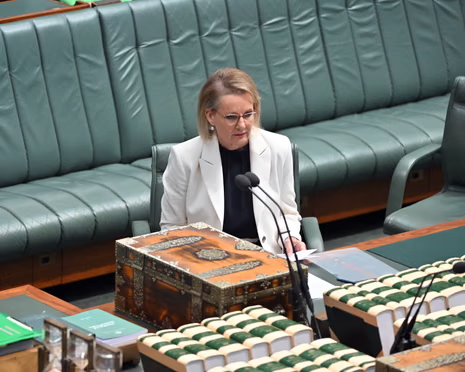
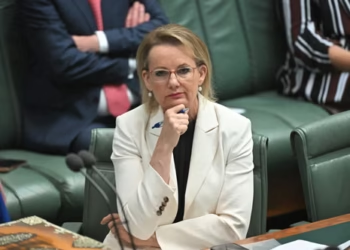
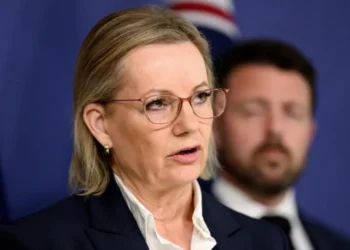
The Liberal party is facing an imminent leadership spill, with Taylor leadership supporters confident of defeating Sussan Ley in Friday’s vote. The focus on Taylor leadership has dominated the party room, and the shift in allegiance among senior MPs signals deep unrest. Within hours, ten frontbenchers, including Dan Tehan, Michaelia Cash, Jonathon Duniam, James McGrath, and Dean Smith, publicly withdrew support from Ley, effectively backing Taylor. This internal party upheaval comes amid growing concerns over policy direction and the party’s strategy against the Albanese Labor government.
Taylor sensationally resigned from the frontbench on Wednesday night, uploading a video on social media Thursday morning to formally announce his leadership bid. Ley, by contrast, remained largely silent on the challenge, though she agreed to a special party room meeting requested by MPs to enable a leadership vote. Her deputy, Ted O’Brien, also faces potential replacement, with senators Jane Hume and Dan Tehan likely to contest the deputy position. Former environment minister Melissa Price confirmed her candidacy for deputy, highlighting the intensifying internal contest.

Tehan, in announcing his resignation from the frontbench, warned that the Liberals risked a devastating electoral defeat without significant change. He stressed the urgency of unifying the party, holding the Albanese government accountable, and developing a clear policy manifesto to prepare for upcoming elections. McGrath’s decision to move to the backbench represented a critical blow to Ley’s position, as he had been considered one of her main supporters. He emphasised that the changes were necessary to ensure a strong opposition for Australia and to protect the country’s interests.
Ley attempted to maintain parliamentary focus by attacking Labor in a muted question time and participating in national apology anniversary events. Meanwhile, Labor highlighted internal Liberal infighting as parliament examined the latest Closing the Gap report on Indigenous disadvantage. The leadership spill requires half of the 52-member party room to vote to vacate the leadership. Should the motion succeed, Ley may choose not to contest the subsequent ballot, effectively acknowledging a vote of no confidence and potentially allowing Taylor to be elected unopposed. If she is ousted, Ley would become the second shortest-serving Liberal leader, trailing only Alexander Downer in the 1990s.
Speculation is growing that Ley could leave politics entirely if defeated, creating a challenging by-election scenario in her country seat. Ley’s loyalists, including Andrew Wallace, Julian Leeser, Paul Scarr, and Andrew Bragg, are attempting to consolidate support, though Taylor leadership backers enjoy broader backing. The faction supporting Taylor includes the nine MPs who resigned the frontbench along with conservative members Jacinta Nampijinpa Price, Tony Pasin, Jess Collins, Alex Antic, Ben Small, and Sarah Henderson.
Senior party figures, including Paterson, stressed that Taylor leadership represents the decisive change the Liberal party needs, describing him as a skilled policy strategist capable of reversing the party’s declining support. Key votes from influential senators, including Dave Sharma, Simon Kennedy, and Cameron Caldwell, were still pending as of Thursday evening. Many within the party predicted a swift resolution, with one insider claiming, “It’s done.”
If Hume is elevated to deputy leader, she could replace Cash as the Coalition’s Senate leader, strengthening her position in the upper house and limiting risks to her preselection. Conservatives are pushing for the new leadership to quickly announce clear policies on cost-of-living and immigration, criticising Ley’s slow approach and internal conflicts, especially around net-zero policy and tensions with the Nationals. The spill marks a critical moment in the party’s history, with Taylor leadership poised to steer the party toward a more assertive and policy-driven opposition strategy.

The outcome of Friday’s vote is likely to reshape the Liberal party’s leadership dynamics, with implications for its strategy, parliamentary operations, and public perception ahead of future elections. Both supporters and critics within the party are watching closely as the internal vote could determine the party’s direction for years. Taylor’s campaign has focused on unity and policy clarity, positioning him as a transformative figure capable of reinvigorating the party’s approach. Meanwhile, Ley’s remaining backers aim to maintain influence and safeguard ongoing initiatives, though the momentum appears to favour Taylor’s camp.
As the vote approaches, attention is focused on the ability of party members to navigate internal divisions, restore cohesion, and present a credible opposition to the Albanese Labor government. Leadership stability, policy articulation, and strategic alignment will be critical in the aftermath, with the potential for further shifts in parliamentary roles and party dynamics. The Liberal party now stands at a crossroads, where the leadership outcome could have lasting consequences for its electoral prospects and political influence in Australia’s complex parliamentary landscape.
Related News:
 Liberal Turmoil Threatens Victorian Election Hopes
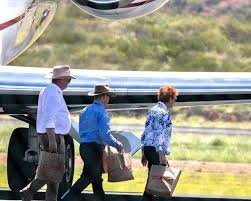 Hanson and Joyce Use Rinehart Jet to Tour Flooded Queensland
 Labor’s Hate Speech and Gun Laws Face Federal Roadblocks
 Nationals Crisis Meeting Threatens Coalition Stability
 Sussan Ley leadership milestone shakes Liberal future
 Andrew Hastie Emerges as Leadership Rival to Ley
 Morrison Faces Backlash Over Call to Regulate Islam in Australia
 David Littleproud and Sussan Ley to Discuss Coalition Future
 Jess Wilson Event Exit After Joyce Controversy
 Australia’s Opposition Coalition Reunites After Rift
 Angus Taylor Faces Immense Test with New Frontbench
 Liberal Review Shelved After Historic Election Loss
 SA Liberals Back Candidate With Controversial Views on Homosexuality
 Senator’s Anzac Day Post Sparks Online Music Controversy
 Queensland Government Faces Heat Over Ministerial Scandal
 One Nation Stuns Australia With Historic Farrer Win
 Tony Abbott Returns as New Liberal Party President
 Tony Abbott Returns as New Liberal Party President
 Moira Deeming Gains Respite in Liberal Party Standoff
 Court Lifts Suppression on Senator Thorpe MCG Assault Case
 Army Officers Orders to Cut Ties with Men-Only Clubs
 Trump’s UK Ambassador Urges North Sea Drilling to Strengthen US Ties
BBC to Apologise Over Edited Trump Speech Amid Backlash
Trump’s UK Ambassador Urges North Sea Drilling to Strengthen US Ties
BBC to Apologise Over Edited Trump Speech Amid Backlash
 Britain deploys RAF specialists to assist Belgium with drone threats
 Millionaires group urge Reeves to introduce wealth tax to ‘lift kids out of poverty’
 Reeves rejects £1bn plea for NHS redundancy payouts
 PM Condemns Leaks, Vows Loyalty to Ministers and Stability
 Major Rent Reform Ends No-Fault Evictions in England
 Greene Pushes Epstein Files Amid Trump Fallout
 December Run-Off in Chile as Election Produces No Winner
 Shadow Fleet at Sea: Europe’s Battle Against Illicit Oil Shipping
 Georgians Defy Government Crackdown After Year of Protests
 ICC to Rule on Duterte’s Provisional Release
 Starmer Says Labour’s Economic Plan Needs Years to Deliver
 PM pushes urgent hate speech and gun laws after Bondi terror attack
 Australia grants Asio powers to designate hate groups under new laws
 Trump press secretary attacks reporter over ICE question
 Spoof “Make America Go Away” Caps Rally Denmark Over Greenland
 Trump Fed bid heads to Supreme Court
 Pentagon Signals Reduced Role in Deterring North Korea
 Artificial intelligence will cost jobs, admits Liz Kendall
 Partial US Government Shutdown Hits Homeland Security Funding
 Mandelson Faces Police Inquiry Over Epstein Leak
 Morgan McSweeney downfall shocks Labour leadership
 UK and US Drop in Global Corruption Index Rankings
 Starmer Faces Inquiry Calls Over Thinktank Probe
 Royal Mail Delivery Crisis Deepens Amid Weather Chaos
 UK shelves £110m border project amid trade strain
 AFP Reviews Pauline Hanson Comments
 California Democrats Vow Trump Reckoning
 Trump Tariffs Threat Spark UK and EU Alarm
 Trump’s Surgeon General Pick Evades Vaccine Questions
 Anthony Albanese Must Uphold Rights for All Australians
 The Dangerous Rise of Remigration Across Modern Europe
 US to offer passport services in West Bank settlements
 Green Party Stuns Labour in Gorton and Denton Byelection
 Labour Together scandal sparks clean break vow
 NHS Plans to Cut Overseas Workers Labeled Overambitious
 Farage Shuns Truss as US Right-Wing Roadshow Hits London
 Italian Town Buys Mussolini Villa to Keep Away Fascist Fans
 Suspected Plot Targets Pipeline Before Hungary Vote
 Trump Defiant After Washington Hotel Shooting
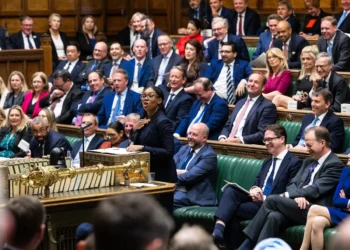 Starmer Survives Mandelson Rebellion
 Trump approval plunges amid Iran war fears
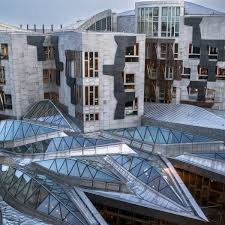 Tough Fiscal Realities Await Next Scottish Government
 US ‘Narco Boat’ Strikes Draw Global Outcry
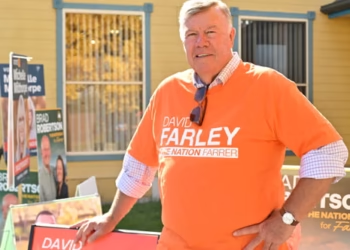 One Nation Candidate’s Surprising Ties to Independents
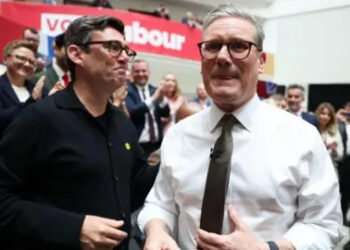 Labour Members Doubt Starmer Future as Burnham Leads Poll
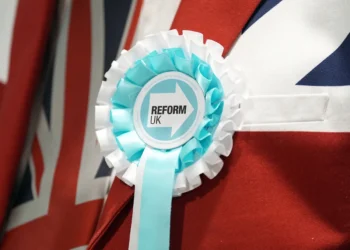 Reform UK Faces Crisis as Newly Elected Councillors Resign
 Discontent grows around Putin amid war strain
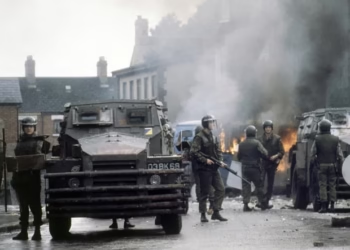 Secret Role of UK Security Services in Troubles Amnesty Law
 The Hidden Crisis Eroding Trust in British Communities
 Deepfake Abuse on X Sparks Safety Concerns for Dissidents
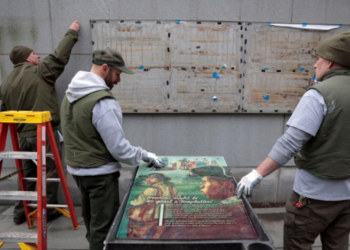 US Courts Back Trump on Park Signage Removals
 Trump’s Mount Rushmore Speech: A Divisive Anniversary
 Trump’s Red-Card Intervention Hurts the US World Cup
 Farage Warns Sky News Following Financial Inquiry
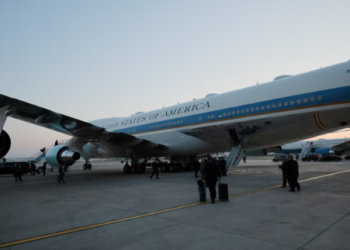 Trump Swaps Planes Amid Iran Tensions
 Ann Widdecombe, Formidable Political Figure, Dies at 78
 Houthis Strike Saudi Arabia as Middle East Tensions Rise