Published: 13 February 2026. The English Chronicle Desk. The English Chronicle Online
In a country often described as a tapestry of faiths, languages and identities, a single sentence spoken in a tense street confrontation has transformed an ordinary citizen into a national symbol. When Deepak Kumar declared, “My name is Mohammad Deepak,” he was not merely answering a question. He was making a statement about belonging, citizenship and coexistence that has since resonated across India. His spontaneous act of defiance during a confrontation between activists and a Muslim shopkeeper has ignited debate, admiration and backlash in equal measure, turning a local incident into a national conversation about pluralism and the price of speaking up.
The episode unfolded on 26 January in Kotdwar, a quiet town in the northern state of Uttarakhand. According to eyewitnesses and video footage that quickly spread online, several members of Bajrang Dal confronted an elderly Muslim shopkeeper, Vakeel Ahmed, demanding he remove the word “Baba” from the name of his decades-old clothing store. The activists argued that the term referred to a Hindu religious figure and therefore could not legitimately be used by a Muslim business owner. Ahmed and his family pleaded for time, visibly distressed as the confrontation escalated in front of onlookers.

Deepak, a 42-year-old gym owner, happened to be nearby visiting a friend when he noticed the commotion. Drawn by curiosity and concern, he approached and witnessed what he later described as rude and intimidating behaviour directed at an elderly man. Without planning or hesitation, he stepped into the dispute. The now-viral video shows him questioning the group’s logic and asking a pointed question that cut through the heated exchange: whether Muslims were not citizens of India. The question, simple yet direct, appeared to unsettle the men confronting the shopkeeper.
When they demanded his name, perhaps expecting a straightforward response, Deepak replied with the phrase that would soon echo across social media and television broadcasts. By calling himself Mohammad Deepak, he intentionally blended identities associated with different religions. He later explained that he wanted to send a message that nationality and humanity transcend religious labels, and that everyone has the same right to live and work in the country regardless of faith. The unexpected reply reportedly disarmed the activists, who soon dispersed.
What might once have remained a minor local incident instead took on national significance once the video spread online. Within hours it was circulating widely, shared by users who praised Deepak’s courage and composure. Many commentators described him as a symbol of the country’s secular ideals, while others hailed him as proof that ordinary citizens can challenge intolerance. The moment struck a chord because it appeared to capture, in a few seconds, a moral confrontation between intimidation and conscience.
Public reaction quickly moved beyond social media. Prominent figures weighed in, including opposition leader Rahul Gandhi, who publicly described Deepak as a hero defending constitutional values and humanity. Supportive messages poured in from across the political spectrum and from citizens who said his intervention restored their faith in the country’s social fabric. An editorial in The Indian Express called the video a source of hope, arguing that his words reflected the spirit of a diverse society where people of different religions can coexist peacefully.
Yet admiration was only one side of the reaction. The attention also drew hostility. Days after the incident, more than a hundred demonstrators reportedly gathered outside Deepak’s gym to protest his actions. Some critics accused him of betraying his religion, while others flooded his phone and social media accounts with abusive messages. He has said he received multiple death threats, including one recorded phone call he later shared publicly. The sudden shift from anonymity to notoriety has been overwhelming, leaving his family frightened and his business struggling as customers stay away.
The consequences illustrate how acts of civic courage can carry personal costs. Deepak says his gym, once bustling with more than 150 daily visitors, now sees only a fraction of that number. Friends and supporters worry about his safety, while opponents continue to criticise him online. The psychological pressure, he admits, has been intense. Yet despite the strain, he insists he would act the same way again if confronted with a similar situation. Silence in the face of injustice, he argues, teaches future generations to remain silent as well.
His story has resonated particularly strongly because it comes at a time when incidents of communal tension have become frequent topics of national debate. Analysts note that viral videos often shape public perceptions more powerfully than formal reports or official statements. In this case, the footage offered viewers an unfiltered glimpse of a confrontation and a citizen’s spontaneous response. For supporters, that authenticity made his stance all the more compelling. For critics, it made the incident more provocative, since it challenged narratives that emphasise religious division.
The broader significance of the episode lies in what it reveals about contemporary society. India’s constitution enshrines secularism and equal rights, but the country’s vast diversity also means tensions sometimes arise along religious lines. Public figures and commentators frequently argue over whether such incidents represent isolated disputes or symptoms of deeper social strains. Deepak’s intervention has therefore been interpreted not merely as an individual act of bravery but as a reflection of larger questions about identity, tolerance and citizenship.
Political observers point out that symbolic moments can shape national conversations in ways that policy debates often cannot. A single phrase, captured on camera, can crystallise complex issues into a story people can easily understand and discuss. In this case, the phrase “My name is Mohammad Deepak” has become shorthand for an idea: that identity can be inclusive rather than exclusive. Supporters say it reminds people that cultural and religious diversity need not be a source of conflict. Critics, however, argue that such symbolism risks oversimplifying real social tensions.
Some public figures have sought to translate admiration into tangible support. Among them, parliamentarian John Brittas visited Deepak and publicly expressed solidarity, describing him as a hopeful example in a climate of division. Others have encouraged citizens to support his struggling business by purchasing memberships or donations, a gesture intended both to help financially and to signal collective backing. The wave of support highlights how quickly public sentiment can mobilise around a person whose actions resonate with widely held values.

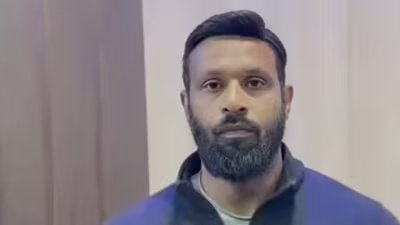
For Deepak himself, the experience has been surreal. Until recently he was known mainly to neighbours and gym clients. Now journalists call daily, strangers request photographs and his social media following has surged dramatically. In one widely viewed video message, he emphasised that he sees himself first and foremost as a human being, not defined solely by religious identity. The statement encapsulates the philosophy that has come to define his sudden fame.
Whether his moment in the spotlight will have lasting impact remains uncertain. Public attention can be fleeting, and viral fame often fades as quickly as it arrives. Yet even if the headlines move on, the questions raised by his story are likely to linger. They touch on enduring issues about coexistence, civic responsibility and the role individuals play in shaping the moral climate of their communities. His experience demonstrates that acts of conscience, however small they may seem at the time, can ripple outward in unexpected ways.
In the end, the significance of Deepak’s stand may lie less in the confrontation itself than in the conversations it has sparked. Supporters see him as evidence that ordinary citizens can embody the ideals written into the nation’s founding principles. Critics view the attention as exaggerated or politically charged. But almost everyone agrees on one point: a brief exchange on a street in Kotdwar has become a powerful symbol, reminding millions that courage sometimes begins with a single voice refusing to stay silent.
Related News:
 Peretz Targets FA Cup Upset Amid War Concerns
 Canadian astronaut French words ease language row
 Chornobyl Still at Risk 40 Years After Disaster
 Athens Mayor Moves to Tackle Overtourism Crisis
 Exploring Italy’s Forgotten Dolomites Beyond Crowds
 RAF Typhoons scrambled amid Russian drone threat near Nato
 Ukraine Urges UK to Seize Russian Oil Tankers
 Escobar’s Hippos May Be Moved to India Zoo
 Two Dead in Adelaide Airport Plane Crash Fire
 China Fireworks Factory Blast Kills 21 in Hunan
 France Faces Record Presidential Crowded Race Amid Far-Right Surge
 Trump’s Revenge Drive Deepens GOP Divide
 Pope Meets Families in Italy Toxic Waste Zone
 Farage and Reform UK Reshape British Politics
 Starmer Leadership Under Pressure After Setbacks
 Le Pen’s Popularity Holds Despite Conviction
 Bryne Backs Haaland Before England World Cup Clash
 Dreyfus Statue Finally Gets Permanent Paris Home
 Teen Charged After Layla Jeffery Found Dead
 England and Norway Fans Turn Miami Into World Cup Carnival
 Olympus Awaits Unesco Heritage Recognition
 Is America Ready for an AOC Presidential Run?
 Five Years of Taliban Rule Leave Afghanistan in Crisis
 BBC to Apologise Over Edited Trump Speech Amid Backlash
 Britain deploys RAF specialists to assist Belgium with drone threats
 Greene Pushes Epstein Files Amid Trump Fallout
 December Run-Off in Chile as Election Produces No Winner
 Zelenskyy Signs Fighter Jet Deal Amid Russian Drone Attacks
 Canada Passes Carney’s First Budget in Tight Parliamentary Vote
 Shadow Fleet at Sea: Europe’s Battle Against Illicit Oil Shipping
 Tiny Curacao Makes History as Smallest Nation to Reach World Cup
 Deadly Russian Strikes Hit Western Ukraine, 20 Killed in Ternopil
 Ukraine Peace Plan: Zelensky Ready for Dialogue
 US Suspends Afghan Immigration After White House Shooting
 Georgians Defy Government Crackdown After Year of Protests
 ‘Extinct’ Antelope Returns to Sahara, Bringing Hope
 Irish Beach Tragedy: Irish Drown at Whitehaven Beach in Australia
 Sanctioned oil tankers sail Channel amid Russia scrutiny
 Pentagon Signals Reduced Role in Deterring North Korea
 UK and US Drop in Global Corruption Index Rankings
 AFP Reviews Pauline Hanson Comments
 Trump Tariffs Threat Spark UK and EU Alarm
 The Dangerous Rise of Remigration Across Modern Europe
 US to offer passport services in West Bank settlements
 Iranian Australian community divided after vigils
 UK Rescue Flight Delayed Amid Middle East War
 Iran Defiance Grows Amid US-Israel War Pressure
 US Missile Strike on Iran School Sparks Global Shock
 Australian Petrol Crisis Deepens as Local Stations Run Dry
 Oil Slides, Stocks Jump on Trump Peace Signals
 Danish Election Deadlock Shakes Frederiksen’s Grip
 Pope Rebukes Leaders for War as Middle East Tensions Rise
 Army Probes Apache Flyover at Kid Rock’s Nashville Estate
 Artemis II: Humanity Returns to the Moon After Decades
 Nuns of Schloss Goldenstein Move Closer to Staying Home
 Italian Town Buys Mussolini Villa to Keep Away Fascist Fans
 Report Says Pezzullo Acted ‘Recklessly’ in Dealings
 Trump and Tehran Find Common Ground in Landmark Ceasefire
 Suspected Plot Targets Pipeline Before Hungary Vote
 Reeves Slams Trump Over Iran War Lack Of Exit Plan
 Learner Driver Charged After Expo Tragedy
 Coalition pushes fossil fuel phaseout plan
 Greens Face Internal Row Over Antisemitism Claims
 Trump approval plunges amid Iran war fears
 US ‘Narco Boat’ Strikes Draw Global Outcry
 FIFA Confirms Global Ban for Benfica Star Prestianni
 US and Mexico Face Heatwave as Floods Batter South Africa
 Putin Signals War End as Russian Momentum Stalls
 Australia Welcomes the Iconic Michelin Guide
 Scepticism and tight security as Beijing braces for Trump
 Philippine Senator Flees After Days Under Senate Siege
 Tensions Flare as Israeli Nationalists March in Jerusalem
 High Street Crisis: Fears Grow Over Post Office Closures
 Oil Markets Face ‘Red Zone’ Threat Amid Iran Crisis
 Discontent grows around Putin amid war strain
 Aukus Deal Facing Fierce Backing and Historic Criticism
 Trump’s Mount Rushmore Speech: A Divisive Anniversary
 UK Schools Struggle as Classrooms Top 40C
 Houthis Strike Saudi Arabia as Middle East Tensions Rise
 Westminster Council Threatens Charing Cross Soup Kitchen