Published: 18 February 2026. The English Chronicle Desk. The English Chronicle Online
The High Court in London heard compelling legal arguments this week as the Crown Prosecution Service (CPS) challenged a lower court’s decision to overturn a conviction against a man who burned a copy of the Quran in a busy central London street last year, telling judges that such an act is “in itself disorderly” and should not have been dismissed as lawful expression. The case has reignited debate over the limits of free speech, public order and protest rights in the United Kingdom, particularly where inflammatory acts intersect with religious sensitivities and public safety.
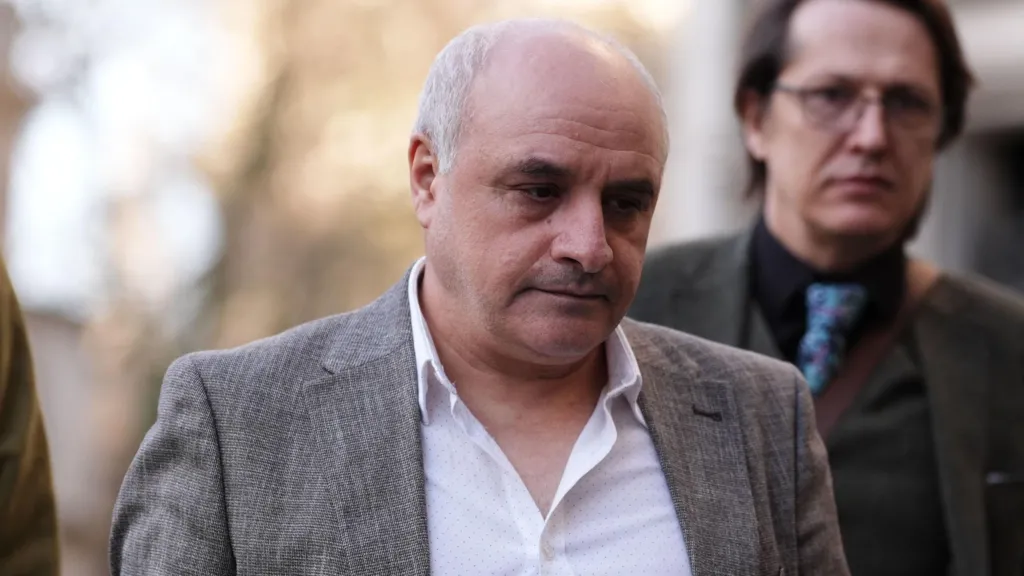
The case centres on Hamit Coskun, a 51‑year‑old man who set alight a Quran outside the Turkish embassy in Knightsbridge on 13 February 2025, shouting “f*** Islam” and “Quran is burning” as he protested against what he described as political and religious issues. At his original trial, Westminster Magistrates’ Court found him guilty of a religiously aggravated public order offence — specifically, using disorderly behaviour “within the hearing or sight of a person likely to be caused harassment, alarm or distress,” under the Public Order Act 1986 and the Crime and Disorder Act 1998. He was fined £240 plus a surcharge.

Coskun successfully appealed that conviction in October 2025, with Mr Justice Bennathan at Southwark Crown Court ruling that his action did not meet the legal threshold for disorderly conduct in context, and emphasising that freedom of expression must encompass provocative or offensive speech, even where it deeply disturbs or shocks others. The judge noted that there is no blasphemy offence in English law, and that the mere fact that many find the act “desperately upsetting and offensive” does not automatically make it criminal.
However, the CPS has launched an appeal against that acquittal, and in a hearing before the High Court on Tuesday, its barristers argued that the lower court was wrong to conclude the conduct was not disorderly. David Perry KC, representing the CPS, told Lord Justice Warby and Ms Justice Obi that burning a book in a London street is inherently disorderly, and that the act is even more so when the book is a holy text, regardless of religion. The prosecution sought to have the case remitted back to the Crown Court for reconsideration or to clarify how public order law should treat such provocative public demonstrations.
The CPS also highlighted the location and circumstances of Coskun’s protest — in a busy and residential area between Knightsbridge and Hyde Park — arguing that his choice of venue and accompanying offensive slogans made the act a foreseeable source of harassment or distress to others, including those of the Muslim faith. The prosecution has characterised the actions as going beyond legitimate political expression and crossing into conduct that undermines public order.
Coskun, an atheist, has resisted the appeal and attended the High Court hearing in London. He has argued — supported by groups such as the National Secular Society and the Free Speech Union — that his protest was a political expression protected by Article 10 of the European Convention on Human Rights, which safeguards freedom of expression, including speech that may offend, shock or disturb. Critics of the CPS’s challenge have warned that upholding the appeal could effectively bring back blasphemy‑like restrictions by the back door, chilling legitimate protest and dissent.
The case has also drawn wider attention because of its implications for how public order offences are defined in British law — whether an act can be intrinsically disorderly by its very nature, or whether disorder must be judged by its context, intent and actual impact on those around it. Opponents of the CPS appeal have argued that equating the burning of a book with disorder risks undermining fundamental speech rights, while supporters of the appeal stress the state’s duty to prevent provocative actions that could lead to public disorder or targeted harassment.
During the hearing, the CPS also pointed to the violent reaction Coskun received at the time — when he was attacked by an onlooker who told him he was defending his religion — as evidence of the foreseeable social impact of the act. While the violence against Coskun was unlawful, prosecutors argue it demonstrates how inflammatory the protest was, saying that a reasonable person could foresee the risk of harassment, alarm or distress.

Coskun has been offered Home Office accommodation due to threats made against him since his protest, and the legal battle has continued to evolve amid strong opinions on both sides about how British law balances free expression with social harmony. The High Court reserved judgment at the end of Tuesday’s hearing, with judges expected to decide at a future date whether the CPS’s appeal should succeed and how the law should be interpreted going forward.
The outcome of this case could shape how public demonstrations involving religious symbols are regulated in the UK, and whether actions that deeply offend religious communities can be treated as disorderly conduct, even when framed by protestors as political speech. Public order laws remain a contested territory where principles of free speech, tolerance and social order are continually negotiated in the courts.
Related News:
 Ministers Accused of Defamation Over Palestine Action Ban and Mass Arrests
 Charlie Kirk Killing Used to Mobilise UK’s Largest Far-Right Rally in Decades
 Jailed Georgian Opposition Leaders Warn UK of Iranian Links to Ruling Party
 Shabana Mahmood Warns Border Failings Are Eroding Trust in States
 UK Gamer Recruited by Wagner Group Found Guilty of Arson
 Johnson Approved China’s London ‘Super-Embassy’ in 2018
 Pregnant UK Teen to Be Freed from Georgian Jail
 Just Stop Oil Protesters Convicted Amid Climate Defence Row
 British Grandmother to Return Home After Death Sentence in Bali
 UK and EU Signal Fresh Push for Defence Cooperation Talks
 Emails Show Epstein Funded Mandelson’s Husband After Jail
 Jet2 Hands Passengers Life Ban After Mid‑Air Brawl
 Dual Nationals Face Scramble for UK Passports as New Rules Come Into Force
 Trump Administration Dismisses 17 Immigration Judges, Sparking Debate Over Judicial Independence
 UK Must Act with Courage and Clarity on Israel-Palestine Conflict, Says Foreign Affairs Committee Report
 Tasers Introduced in UK Prisons to Combat Rising Violence and Protect Staff
 Northern Ireland Family of Three Shot Dead in Maguiresbridge Home Incident
 Targeted Attack in Bury Sparks Murder Investigation as Community Awaits Justice
 Man Remanded After Children Fall Ill at Leicestershire Summer Camp in Shocking Child Cruelty Case
 Prison System Faced Collapse Under Sunak’s Leadership, Reveals Damning Review
 Diane lost her husband to a reckless driver — and the long wait for justice was nearly just as agonizing.
 Radioactive Leak at UK’s Nuclear Warhead Base Sparks Outcry Over Safety and Secrecy
 Mutual Inconvenience: Why Alaska Was Chosen for the Trump-Putin Summit on Ukraine
 Inquest Finds Agency Worker Failings Led to Unlawful Death of Vulnerable 14-Year-Old
 Terence Stamp, ’60s British Film Legend and Star of Superman, Dies at 87
 Where Is Prince William and Kate Middleton’s New House? Inside the Historic Lodge Set to Become Their ‘Forever Home’
 FIFA Eyes Biennial Club World Cup from 2029, Plans Possible Expansion
 Merseyside Police Helicopter Crew Cleared After Low-Altitude Pursuit of Suspect
 Is the UK Ready to Put Boots on the Ground in Ukraine? Assessing Military Capacity and Challenges
 High Court Rules Against Noel Clarke in Libel Case Against Guardian Publisher
 Shein UK Faces Allegations of Shifting Majority of Profits to Singapore to Reduce UK Tax
 British Couple Among 16 Killed in Lisbon Funicular Tragedy
 Tanni Grey-Thompson Faces Abuse Over Opposition to Assisted Dying Bill
 Protests Expected as Israeli Arms Firms Join Global Defence Trade Fair in London
 UK Launches Major Crackdown on Networks Profiting from Online Child Sexual Abuse
 Thousands Gather in London to Protest Donald Trump’s Second UK State Visit
 British AI Startup Outshines Human Forecasters in Global Prediction Contest
 Liverpool Vs outhampton Set for Carabao Cup Clash at Anfield
 Mahmood Pledges Reform of Modern Slavery Laws After Court Blocks Deportation Appeal
 UK Fighter Jet Purchase Could Breach Nuclear Treaty, Warns CND
 Migrants in UK May Need to Contribute or Face Removal, Home Secretary Signals
 A Third of EU Citizens in UK Report Discrimination by Public Bodies Post-Brexit
 No Evidence Found to Substantiate Alleged Rape in Oxfordshire Churchyard, Police Confirm
 Digital ID Plans Ignite Debate Over £600m Treasury Tax Boost and Privacy Concerns
 Public Trust in SNP Hits Historic Low Amid NHS Concerns
 Cooper Unveils £4m Cyber Plan Against Russian Hackers
 Johnson Suggests Mandelson Linked to China Spy Controversy
 Rachel Reeves signals welfare reform ahead of key budget
 Kosovo agrees to host Britain’s refused asylum seekers
 French Taxi Driver Cleared in David Lammy Theft Case After Fare Dispute
 Top Christmas Books Reads: Classics to Cozy Romcoms
 I’m a Celebrity 2025 line-up revealed: Osbourne joins
 King Charles to Lead Nation in Remembrance Sunday Service
 Palace May Restore Hyphen to Andrew Mountbatten-Windsor’s Name
 Trump Urges Herzog to Grant Netanyahu Full Pardon
 Major Rent Reform Ends No-Fault Evictions in England
 Peers Flood Assisted Dying Bill with 942 Amendments
 US Justice Department Files Lawsuit Against California Over Partisan Voting Maps
 Trump Deploys DHS to Charlotte in Major Arrest Operation
 Serial Rapist and Former Cop Found Guilty Again
 Royal Navy Shadows Russian Warships Entering the Channel
 Peers Get Extra Time to Debate Assisted Dying Bill
 Tokyo court rules Japan’s same-sex marriage ban constitutional
 Virgin Media Fined £23.8m Over Telecare Safety Failures
 Google Employee Claims Redundancy After Harassment Report
 Plans to Limit Jury Trials Face Retreat After Mounting Opposition
 Woman Jailed for Life After Killing E-Bike Rider in Tragic Mistaken Identity Case
 Betfair Faces Pressure Over Funds Lost to Gambling Fraud
 Starmer China visit raises human rights pressure on Beijing
 UK New Car Discounts Near £6,000 as Prices Are Slashed
 Study Finds One in Seven England Takeaways Are Dark Kitchens
 Appeal to B&B Owners Over Cash Point Ram-Raid
 The Victorian aristocrat who became Britain’s first Muslim lord
 Starmer Weighs Fast-Tracking Defence Boost
 Wayne Couzens Still Eligible for £7k Pension
 Motorists Could Face ‘Mandatory’ Driving Ban for Road Offences Under Tougher Laws
 Students Begin Covid Compensation Claim Against 36 More Universities
 Disability and LGBT Hate Crimes Set to Become Aggravated Offences
 Snow and Rain Warnings as Cold Snap Continues in the UK
 Last‑ditch Call to Save Police Front Counters in London