Published: 19 February 2026. The English Chronicle Desk. The English Chronicle Online.
A growing row over the UK passport rule change has prompted urgent calls for flexibility from the Liberal Democrats. The party says British dual nationals risk being stranded abroad without an immediate grace period. From 25 February, new entry requirements will require dual citizens to present a valid British passport or specific documentation. Critics argue the sudden shift has created confusion, anxiety and potential financial hardship for thousands of families.
The changes form part of a broader border strategy overseen by the Home Office. Officials say the reforms are designed to streamline immigration procedures and strengthen identity checks. Under the new system, British dual nationals must show either a valid UK passport or a certificate of entitlement attached to their foreign passport. Airlines, ferry operators and rail companies will be required to verify compliance before boarding.
The Liberal Democrats argue that communication surrounding the UK passport rule change has been inadequate. Will Forster, the party’s shadow immigration and asylum minister, said many citizens were unaware of the shift until recent press coverage. He described the rollout as poorly planned and warned that families were being left distressed and uncertain.
Forster stressed that numerous dual nationals do not currently hold a British passport. Some have travelled for decades using their second nationality without difficulty. He said they now face expensive application fees and lengthy processing times to secure urgent documentation. In some cases, that could mean cutting short holidays or missing major family events.

Reports have surfaced of British couples honeymooning in New Zealand who may need to return early. One husband, a dual national without a UK passport, fears being unable to board his return flight after the deadline. Others in Canada and Australia have rearranged travel plans to avoid complications. Many say they support border security but question the timing and communication of the change.
One Canadian-based dual national brought forward his journey to the UK before 25 February. He hoped to visit his brother, who is seriously ill with a brain tumour. He said missing his sibling’s birthday would be devastating and described the new requirement as unreasonable. His comments have resonated widely on social media, where hundreds share similar concerns.
Several families say they risk missing funerals, weddings or final visits with dying relatives. For them, the UK passport rule change feels abrupt and emotionally harsh. While few object to proving citizenship, they question why no transitional period has been offered. Many argue that a short grace period would allow time to obtain proper documentation.
Travel industry leaders have echoed these concerns. ABTA, the trade body for tour operators and travel agents, has publicly backed calls for flexibility. Luke Petherbridge, its director of public affairs, said there was significant confusion among holidaymakers. He noted that many travellers booked trips months ago without knowing about the new rules.
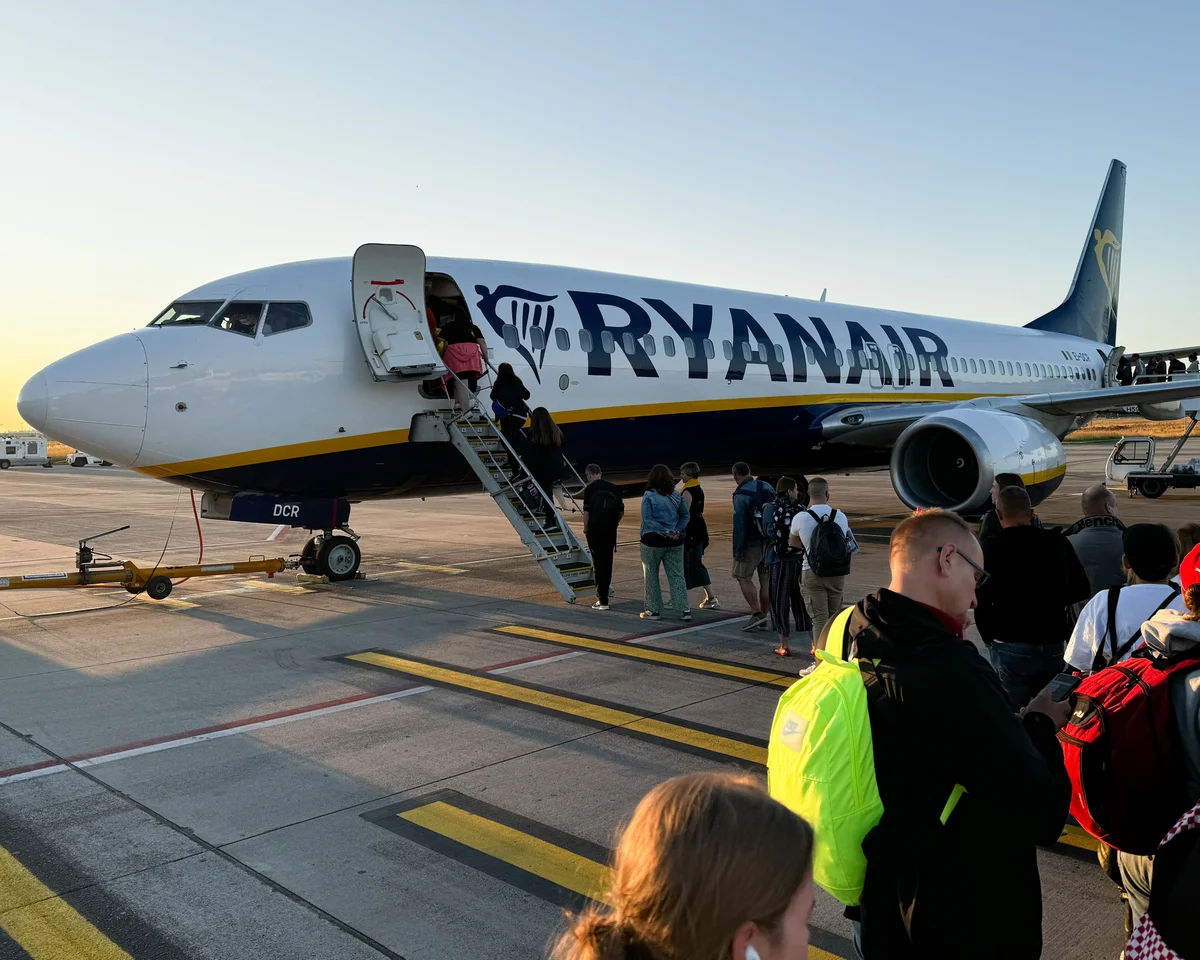
Airlines also face practical challenges due to “carrier liability” regulations. Under these rules, transport operators can be fined for boarding passengers without correct documentation. Ryanair said it may accept passengers with expired British passports only if authorised by the government. The airline confirmed it would consult the official carrier support hub before allowing travel.
Immigration lawyers expect border officials to adopt a pragmatic approach during the initial days. Sacha Wooldridge suggested authorities would not want major airports such as Heathrow Airport to face disruption. She predicted frontline staff might exercise discretion while systems adjust. However, she also noted the government appears determined to press ahead.
Legal experts say the central issue lies in documentation verification. Airlines must confirm a traveller’s right to enter before departure. Without a valid British passport or certificate of entitlement, confirmation becomes difficult. That uncertainty increases the risk of refused boarding at overseas airports.
The Home Office maintains that British citizens must enter the UK as British citizens. Officials argue that the requirement is consistent with longstanding legal principles. They say the new rule simply clarifies obligations that already existed in theory. From their perspective, stronger border integrity benefits the wider public.
Yet critics insist the implementation has overlooked practical realities. Passport processing times can extend for weeks, especially during busy periods. Obtaining a certificate of entitlement also involves application fees and administrative delays. For travellers already abroad, options are limited and costly.
Business owners have voiced frustration too. One entrepreneur said he has entered and exited the UK more than a hundred times on his foreign passport. Throughout that period, he paid UK taxes and maintained residency ties. He believes the sudden restriction undermines trust in the system.
The controversy has gained momentum across social media platforms this week. Dual nationals share stories of cancelled flights and rearranged travel plans. Some describe feeling effectively barred from their own country. Others worry about unexpected financial burdens during already expensive journeys.
Forster insists the solution is straightforward. He argues for a temporary grace period while communication improves and applications are processed. He also calls for affordable alternatives to the current certificate system. In his view, humane flexibility would prevent unnecessary hardship.
The government has so far resisted committing to such a concession. Officials emphasise that clear guidance has been available online. They state that dual nationals were advised to ensure documentation was valid well in advance. Nevertheless, critics counter that awareness remained limited until recent media attention.
 Notably, Irish British dual nationals are exempt from the new arrangement. They may continue travelling with either passport without additional certification. That distinction reflects longstanding agreements between the UK and Ireland. However, it has further fuelled questions among other dual citizens.
Travel agents report receiving hundreds of urgent enquiries in recent days. Many clients ask whether alternative identification might be accepted temporarily. Industry representatives warn that inconsistent decisions could create further confusion. Clear guidance, they say, is essential before the deadline arrives.
As 25 February approaches, uncertainty continues to build. Families abroad weigh the cost of emergency applications against disrupted plans. Some are advancing flights to avoid potential refusal. Others remain hopeful that ministers will introduce last-minute flexibility.
The debate ultimately balances border control with compassion. Supporters of the UK passport rule change stress national security and administrative clarity. Opponents highlight human consequences and emotional distress. Both sides agree that communication and certainty are vital.
Whether a grace period emerges may depend on political pressure in the coming days. For now, dual nationals are urged to check documentation carefully and seek advice. The situation remains fluid, with airlines awaiting final confirmation from authorities. Until clarity arrives, many British families abroad face anxious decisions about returning home.
Related News:
 British Woman in Iran ‘Losing Hope’ Amid Ongoing Detention
 BBC Journalist Held and Interrogated in Vietnam
 Green Party Surges Past Labour in Latest UK Poll
 Celebrities and Charities Demand UK Government Act on Child Poverty
 Trump’s UK Ambassador Urges North Sea Drilling to Strengthen US Ties
 FBI Director Kash Patel Defends Girlfriend Amid Government Jet Claims
 French Taxi Driver Cleared in David Lammy Theft Case After Fare Dispute
 MPs Press Rachel Reeves to Hike Gambling Taxes
 Boris Johnson accused of undermining BBC leadership
 ‘Reckless’ cuts to victims’ services will cost more than they save
 Millionaires group urge Reeves to introduce wealth tax to ‘lift kids out of poverty’
 Starmer Faces Growing Dissent as Labour MPs Weigh Leadership Challenge
 Reeves rejects £1bn plea for NHS redundancy payouts
 Farage appointee to lead Reform youth accused of anti-British views
 Politics latest: Starmer ‘will fight any leadership coup’ as Streeting denies attempt to oust Labour PM
 PM Condemns Leaks, Vows Loyalty to Ministers and Stability
 Major Rent Reform Ends No-Fault Evictions in England
 Peers Flood Assisted Dying Bill with 942 Amendments
 England’s Special Needs Support Faces Breaking Point
 MoD warned over Excel risks before Afghan data breach
 UK Asylum Overhaul Sparks Debate Over Human Rights and Deportations
 UK Asylum Reforms: Temporary Refugee Status and Faster Deportations
 UK Candidate Moved to Safe House After Election Threats
 Mahmood Defends Tough Overhaul of UK Asylum System
 UK Warns China After MI5 Issues Espionage Alert
 Westminster Advances Legacy Bill Amid Criticism
 UK Vulnerable to Attack, Defence Committee Finds
 Labour Faces Historic Decline in Wales
 Rama Rebukes Mahmood for Targeting Albanian Families
 PM Highlights UK Business at G20 in South Africa
 Kate Forbes: Motherhood Harder Than Politics
 Welsh Government Christmas 2020 Lockdown Criticised
 Most Tories Expect to Support a Farage-Led Government
 Labour MP claims devolution bill is ‘blatant discrimination’ against Cornwall
 Millions Face Higher Taxes Under Reeves New Budget
 Peers Get Extra Time to Debate Assisted Dying Bill
 Planned Palestinian Flag Raising at Belfast City Hall Faces Delay Amid Legal Concerns
 Government righting decades-old injustice for miners
 Starmer Says Labour’s Economic Plan Needs Years to Deliver
 UK delays ruling on China embassy plan until January
 Culture secretary to review Telegraph takeover by Daily Mail owner
 Andy Burnham Apologises for Past LGBTQ+ Police Discrimination
 Reeves Slams Farage Over Two-Child Benefit Cap Opposition
 Plans to Limit Jury Trials Face Retreat After Mounting Opposition
 Jenrick Reform defection deepens Tory civil war
 China Dependence Threatens UK Energy Supply Chains and Jobs
 Right Must Unite After Jenrick Defection, Urges Rees-Mogg
 UK Ministers Drop Foreign Student Targets for Global Education Push
 MPs warn AI financial risks threaten UK stability
 MPs warn AI financial risks threaten UK stability
 No Gas Boiler Ban as UK Warm Homes Plan Backs Heat Pumps
 Hugh Grant Joins Call for Under-16 Social Media Ban in UK
 Shinzo Abe’s killer receives life sentence in Japan
 US Africa aid remarks spark anger after leaked State email
 Lords Vote Piles Pressure on Starmer Over Social Media Ban
 Planned Troubles Board Game Sparks Outrage in Northern Ireland
 Reform UK Health Plan ‘Would Cost £1.7bn’, Streeting Says
 Police response times face strict new national limits
 Labour policing overhaul sparks fears over growing central control
 Tories criticised after Braverman defection sparks mental health row
 Burnham Westminster return hopes fade amid Labour rift
 Starmer warns of toxic division politics in Reform challenge
 Starmer China visit raises human rights pressure on Beijing
 Labour Must Revive High Streets to Avoid Election Collapse
 Conservative Party Rejects Centrism Under Badenoch’s Leadership
 Calls Grow for King Charles to Apologise for Crown’s Role in Slavery
 Starmer Signals UK Return to EU Defence Pact Talks
 Starmer crisis deepens as Labour MPs turn on PM
 Palantir contracts face UK halt calls over transparency
 Labour Thinktank Row Deepens Over Journalist Probe Claims
 Morgan McSweeney downfall shocks Labour leadership
 Sarwar call shakes Labour as No 10 calms fears
 Labour Lord Doyle Apologises Over Paedophile Ties in Political Storm
 Palestine Action Verdict Sparks Debate on Activist Tactics
 Cabinet Secretary Shake-Up Triggers Due Diligence Warning
 Starmer Faces Inquiry Calls Over Thinktank Probe
 Royal Mail Delivery Crisis Deepens Amid Weather Chaos
 Labour Together probe scandal sparks fresh Cabinet Office investigation
 Farage to Name Jenrick as Reform Chancellor Pick
 Farage Unveils Reform UK Frontbench Team