Published: 20 February 2026. The English Chronicle Desk. The English Chronicle Online
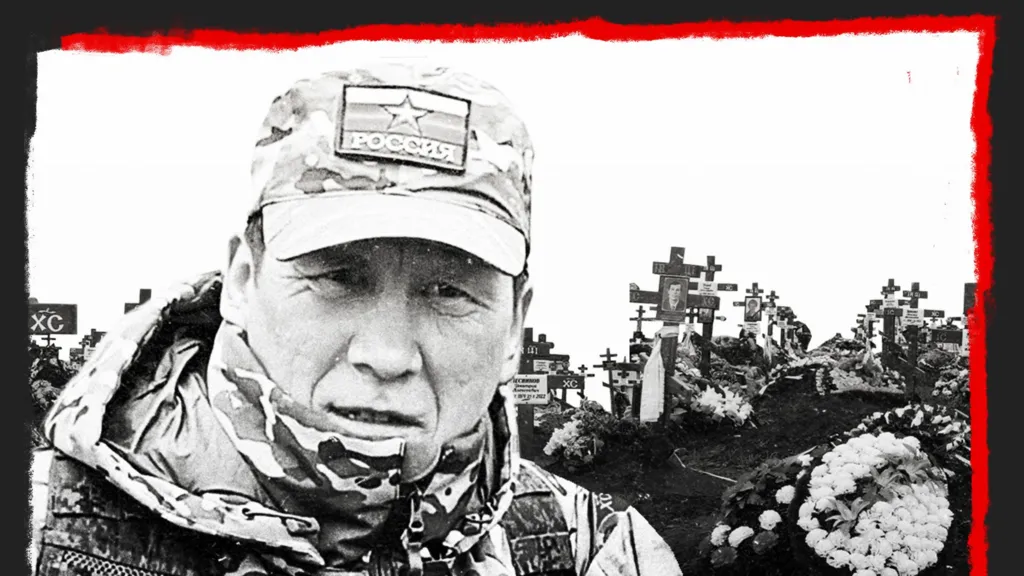
In a quiet corner of western Russia, the silence is heavy and unbroken. The small village of Novoye Berezovo — once alive with the sounds of tractors, schoolchildren and weekend gatherings — now carries a different rhythm. Church bells toll more often. Photographs of young men in military uniform line the walls of modest homes. In nearly every street, there is a mother, wife or grandmother grieving a son lost to war.
As Russia’s conflict in Ukraine stretches into another year, its impact is no longer measured solely in shifting frontlines or diplomatic standoffs. In villages like this one, the cost is counted in empty chairs at kitchen tables and abandoned farm equipment rusting in fields that once sustained generations.
Novoye Berezovo is not unique. Across rural Russia — from the republic of Buryatia in Siberia to small settlements in the Volga region — disproportionately high numbers of men have been mobilised, contracted or conscripted into the armed forces. For communities already struggling with economic stagnation and population decline, the war has accelerated a demographic crisis that was quietly unfolding long before the first shots were fired.

Official casualty figures remain tightly controlled, and independent verification is difficult. However, local memorials and regional media reports suggest that losses in certain rural districts far exceed those seen in major cities like Moscow or St Petersburg. Analysts say this imbalance reflects recruitment patterns, with poorer and more remote regions supplying a larger share of soldiers.
In Novoye Berezovo, a village of fewer than 1,500 residents, more than 40 men have died since the conflict escalated in 2022, according to local residents. Many were in their twenties or thirties — farmers, mechanics, factory workers — whose absence has left both emotional and economic voids.
“I buried my son last spring,” says Marina, standing beside a newly built wooden cross in the village cemetery. “He was 24. He wanted to save money to move to the city.” Her voice trembles, but she does not cry. In a place where grief has become communal, tears seem almost exhausted.
The war has reshaped daily life in subtle but profound ways. The local school has merged classes due to declining enrolment, as some families relocate in search of work or to escape the shadow of loss. The agricultural cooperative struggles to find enough labour during harvest season. Elderly residents now tend fields once managed by their sons and grandsons.
Sociologists warn that the long-term effects may be severe. Rural Russia has faced decades of youth migration to urban centres, leaving behind aging populations and limited infrastructure. The war, they argue, has deepened these vulnerabilities. A shortage of working-age men affects not only families but the viability of entire communities.
State media emphasises heroism and sacrifice, often highlighting financial compensation offered to families of fallen soldiers. In villages like Novoye Berezovo, these payments have helped some households repair homes or pay debts. Yet many residents say money cannot replace lost futures.
“There are new roofs,” notes a local shopkeeper quietly. “But fewer young people to live under them.”
Public discussion of the human cost of the war remains sensitive within Russia. Independent journalists and activists who attempt to document casualties face legal and political pressure. Still, word spreads through informal networks — social media posts, funeral announcements, whispered conversations at bus stops.
For some families, pride and patriotism coexist with sorrow. Others question whether their community has borne a disproportionate burden. Few, however, speak openly on record, wary of potential consequences.
In recent months, Moscow has signalled efforts to broaden recruitment bases and reduce reliance on certain regions. Whether this will ease the strain on villages like Novoye Berezovo remains uncertain. Meanwhile, the war continues, and with it the steady departure of men who may never return.

The church at the centre of the village holds memorial services almost weekly. Candles flicker beneath icons as names are read aloud — a ritual that has become tragically routine. Outside, snow covers the ground in winter silence, muffling footsteps and the distant hum of machinery.
The Russian village that lost its men to war is not merely a headline; it is a lived reality across vast stretches of countryside. Its story is one of endurance, grief and quiet resilience. While geopolitical strategies and diplomatic manoeuvres dominate international headlines, in places like Novoye Berezovo the war’s legacy is written in absence.
The fields still need ploughing. The school bell still rings. Life continues, though altered. And in the fading daylight, as smoke rises from chimneys and the village prepares for another cold evening, the emptiness left behind is as palpable as the frost in the air.
Related News:
 Five Young People Die in Spain Apartment Block Fire
 High-speed Spain train crash leaves nation in mourning
 EU weighs response amid Greenland tariff crisis with Trump
 EU Says US Ties Have Suffered ‘Big Blow’ After Greenland Crisis
 Thousands Left Without Heating in Ukraine Amid Russia Strikes
 Russia sanctions hit economy hard, says EU envoy
 Canada Dispatches Senior Officials to Open Greenland Consulate
 Portugal Election Delivers Socialist Win as Far Right Surges
 Hindu Man’s Stand Sparks Hope in India
 Macron Rebuked in Franco-German Defence Row
 Facing a Demographic Catastrophe, Ukraine Is Paying for Troops to Freeze Their Sperm
 ‘Staggeringly Stupid’ Man Jailed After Tattooing Children
 Police Assessing Stansted Airport Private Flights Over Epstein Ties
 Snow and Rain Warnings as Cold Snap Continues in the UK
 TfL Advert Banned for Harmful Racial Stereotype
 Suspect in Rhode Island Ice Hockey Shooting Killed Ex‑Wife and Son
 UK Must Act with Courage and Clarity on Israel-Palestine Conflict, Says Foreign Affairs Committee Report
 Northern Ireland Family of Three Shot Dead in Maguiresbridge Home Incident
 Tottenham Takes On Newcastle
 Gen Z Embraces the Big, Bold ‘Fake’ Indian Wedding Party Trend
 Radioactive Leak at UK’s Nuclear Warhead Base Sparks Outcry Over Safety and Secrecy
 Mutual Inconvenience: Why Alaska Was Chosen for the Trump-Putin Summit on Ukraine
 China’s crackdown on civil servant perks sparks economic concerns
 Terence Stamp, ’60s British Film Legend and Star of Superman, Dies at 87
 Hong Kong Summons UK and Australian Envoys Following Asylum Grants to Democracy Activists
 Is the UK Ready to Put Boots on the Ground in Ukraine? Assessing Military Capacity and Challenges
 Shein UK Faces Allegations of Shifting Majority of Profits to Singapore to Reduce UK Tax
 Channel Crossings Surge: Over 1,000 People Arrive in the UK in Small Boats in a Single Day
 Widow of Charlie Kirk Forgives Killer at Emotional Memorial Service
 Public Executions in Gaza City Captured on Video Amid Ongoing Conflict
 Macron Phones Trump Over Traffic Jam in New York
 Comey Indictment Deepens Fears of Political Retribution Under Trump
 Google at 27: The Untold Story of Ruth Kedar, the Woman Behind the Iconic Logo
 Yvette Cooper Signals Global Momentum Towards Gaza Peace Deal Amid Humanitarian Crisis
 “It Was Very Tough, But I Love Life”: Former Israeli Hostage Rebuilds Life After Family Killed by Hamas
 Chaos at Ibrox as Martin’s Rangers Era Comes to an End
 Nobel Prize Honours Pioneers Behind Materials That Could Heal the Planet
 Trump Claims Modi Has Agreed to Halt Russian Oil Imports Amid Heightened US Pressure
 Russia’s Latest Push to Win US Favors Shows Deep Desperation
 I’m a Celebrity 2025 line-up revealed: Osbourne joins
 BBC to Apologise Over Edited Trump Speech Amid Backlash
 Britain deploys RAF specialists to assist Belgium with drone threats
 Palace May Restore Hyphen to Andrew Mountbatten-Windsor’s Name
 Trump Urges Herzog to Grant Netanyahu Full Pardon
 Indian authorities demolish Kashmir home linked to Red Fort blast
 Greene Pushes Epstein Files Amid Trump Fallout
 December Run-Off in Chile as Election Produces No Winner
 Zelenskyy Signs Fighter Jet Deal Amid Russian Drone Attacks
 Canada Passes Carney’s First Budget in Tight Parliamentary Vote
 Shadow Fleet at Sea: Europe’s Battle Against Illicit Oil Shipping
 Tiny Curacao Makes History as Smallest Nation to Reach World Cup
 Deadly Russian Strikes Hit Western Ukraine, 20 Killed in Ternopil
 Ukraine Peace Plan: Zelensky Ready for Dialogue
 India’s COP30 Delay Raises Global Climate Concerns
 Royal Navy Shadows Russian Warships Entering the Channel
 Trump EPA Moves to Roll Back Soot Pollution Limits
 US Suspends Afghan Immigration After White House Shooting
 Georgians Defy Government Crackdown After Year of Protests
 ‘Extinct’ Antelope Returns to Sahara, Bringing Hope
 Facebook Slow to Remove Bondi Attack Praise, Anti-Hate Group Claims
 Trump Weighs Response to Iran Crackdown as Tehran Says Communication Open With US
 US Clears Nvidia AI Chip Sales to China in Policy Shift
 Gulf states warn Trump Iran strikes risk wider Middle East war
 Sydney Shark Attack Surge Shocks Australia Beaches
 Videos reveal earlier clash before Alex Pretti shooting
 UK New Car Discounts Near £6,000 as Prices Are Slashed
 Israel Moves to Bar MSF From Gaza Operations
 South Africa’s Garden Route Gem Faces Looming Water Crisis
 Labour Utterly Humiliated by Straight-Talking Mum Who Cut Through Keir Starmer’s Insanity
 Renters Furious as Decent Homes Standard Delayed Until 2035
 Australian Families Leave Syrian Camp for Home
 Starmer Weighs Fast-Tracking Defence Boost
 Japan’s Lost “Tigers” Were Actually Lions, Study Reveals
 Motorists Could Face ‘Mandatory’ Driving Ban for Road Offences Under Tougher Laws
 US Civil Rights Leader Jesse Jackson Dies Aged 84
 Austrian Man Charged Over Foiled Taylor Swift Concert Attack Plot
 ‘I Would Scream in My Sleep’: Alawite Women from Syria Tell of Kidnap and Rape
 Nine Arrested in France Over Death of Far‑Right Student
 Indian University Kicked Out of AI Summit for Claiming Chinese Robot Dog as Its Own Invention
 Eight Skiers Found Dead After California Avalanche