Published: 20 February 2026. The English Chronicle Desk. The English Chronicle Online
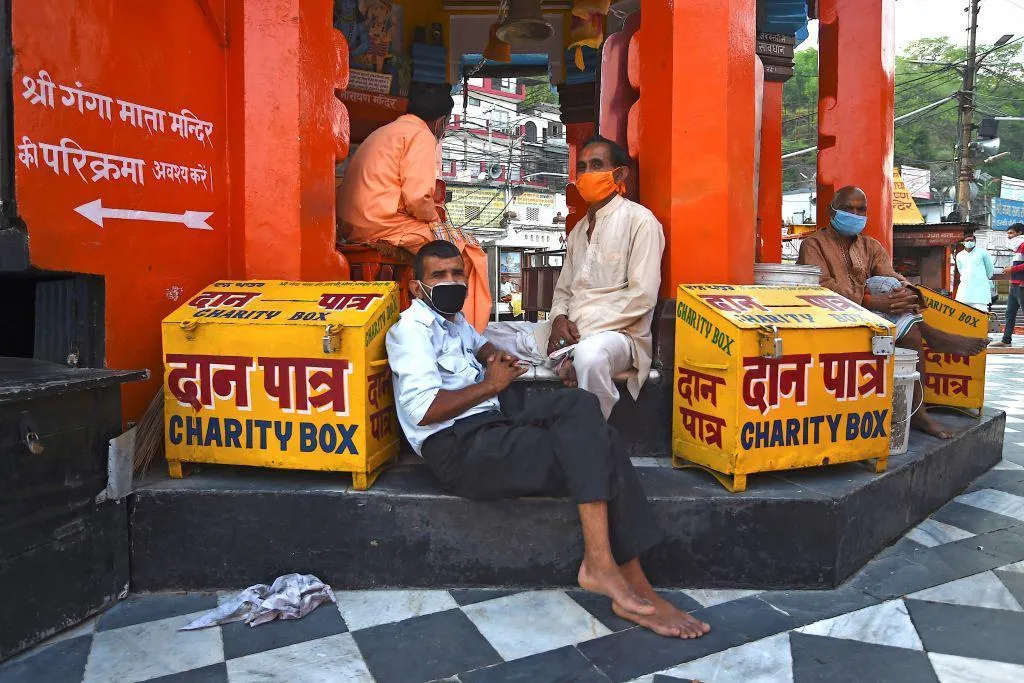
In a country of more than 1.4 billion people, India’s spirit of giving shines brightly. Behind the headlines of rapid economic growth and technological breakthroughs lies a quieter but powerful story: ordinary Indians collectively donate billions of rupees to charity each year, supporting communities, religious causes, health initiatives and social welfare programmes across the country.
Recent reports show that Indian households donated an estimated ₹27,000 crore (approximately $3.2 billion) to charitable causes during the financial year 2021–22 — a significant rise from previous years. This figure reflects a steady growth in the number of donor households and the value of contributions made by ordinary citizens. In that period, nearly 91 % of surveyed Indian households made monetary donations, highlighting a broad culture of generosity across urban and rural areas alike. Many of these donations went to religious organisations, which received the largest share, followed by support for impoverished individuals and community services.

The data suggests two distinct but complementary facets of philanthropy in India. On the one hand, everyday donations often originate in personal and cultural practices — giving to temples, mosques, gurudwaras and community causes remains an enduring custom. On the other hand, a growing number of Indians direct support to social services, healthcare, elderly care and child welfare, reflecting expanding awareness of broader societal needs.
This generous impulse is reflected during times of crisis. For example, during the COVID-19 pandemic, individual giving surged dramatically, with the average amount of individual donations increasing by about 43 % in response to the emergency. Many donors supported local relief efforts with both money and goods, demonstrating how charitable behaviour expands in times of acute need.
Beyond everyday citizens, wealthier Indians and business leaders also contribute significantly to charitable causes. According to the latest philanthropy rankings, India’s top philanthropists collectively donated over ₹10,380 crore in 2025 alone, with business figures such as Shiv Nadar, Gautam Adani and Mukesh Ambani among the most generous contributors. While these mega-donations represent a smaller share of total giving, they play an important role in sustaining large-scale charitable activities, educational foundations, healthcare initiatives and disaster relief efforts.
The combined force of everyday generosity and high-profile philanthropy underscores a uniquely broad philanthropic landscape in India — one where ordinary people, family networks and community traditions play as much a role in giving as wealthy individuals and high-impact benefactors.

For many Indians, charity remains a personal act deeply rooted in cultural values, religious observances and a shared sense of social responsibility. Whether through small monthly donations to local causes or larger contributions during festivals and crises, the cumulative impact of these acts of giving amounts to billions of rupees every year — a testament to the country’s enduring generosity and community spirit.
Related News:
 Hindu Man’s Stand Sparks Hope in India
 Five Young People Die in Spain Apartment Block Fire
 Lunar New Year 2026: Celebrations Around the World
 ‘There Is a Feeling of the Greatest Outrage’: The Mystery of Stolen Champion Racehorse Shergar
 Tourism Is Booming in 2026 — Just Not Where You Think
 ‘Staggeringly Stupid’ Man Jailed After Tattooing Children
 Police Assessing Stansted Airport Private Flights Over Epstein Ties
 Snow and Rain Warnings as Cold Snap Continues in the UK
 TfL Advert Banned for Harmful Racial Stereotype
 Suspect in Rhode Island Ice Hockey Shooting Killed Ex‑Wife and Son
 China Shows Off Nunchuck‑Wielding Humanoid Robots for Lunar New Year
 Singapore Offers to Set Up Single Americans with ‘Epic’ First Dates – There’s Just One Catch
 The Russian Village That Lost Its Men to War
 UK Must Act with Courage and Clarity on Israel-Palestine Conflict, Says Foreign Affairs Committee Report
 Northern Ireland Family of Three Shot Dead in Maguiresbridge Home Incident
 Tottenham Takes On Newcastle
 Gen Z Embraces the Big, Bold ‘Fake’ Indian Wedding Party Trend
 Radioactive Leak at UK’s Nuclear Warhead Base Sparks Outcry Over Safety and Secrecy
 Mutual Inconvenience: Why Alaska Was Chosen for the Trump-Putin Summit on Ukraine
 China’s crackdown on civil servant perks sparks economic concerns
 Terence Stamp, ’60s British Film Legend and Star of Superman, Dies at 87
 Hong Kong Summons UK and Australian Envoys Following Asylum Grants to Democracy Activists
 Is the UK Ready to Put Boots on the Ground in Ukraine? Assessing Military Capacity and Challenges
 Shein UK Faces Allegations of Shifting Majority of Profits to Singapore to Reduce UK Tax
 Channel Crossings Surge: Over 1,000 People Arrive in the UK in Small Boats in a Single Day
 Widow of Charlie Kirk Forgives Killer at Emotional Memorial Service
 Macron Phones Trump Over Traffic Jam in New York
 Comey Indictment Deepens Fears of Political Retribution Under Trump
 Yvette Cooper Signals Global Momentum Towards Gaza Peace Deal Amid Humanitarian Crisis
 “It Was Very Tough, But I Love Life”: Former Israeli Hostage Rebuilds Life After Family Killed by Hamas
 Chaos at Ibrox as Martin’s Rangers Era Comes to an End
 Trump Claims Modi Has Agreed to Halt Russian Oil Imports Amid Heightened US Pressure
 Russia’s Latest Push to Win US Favors Shows Deep Desperation
 I’m a Celebrity 2025 line-up revealed: Osbourne joins
 BBC to Apologise Over Edited Trump Speech Amid Backlash
 Britain deploys RAF specialists to assist Belgium with drone threats
 Palace May Restore Hyphen to Andrew Mountbatten-Windsor’s Name
 Trump Urges Herzog to Grant Netanyahu Full Pardon
 Indian authorities demolish Kashmir home linked to Red Fort blast
 Greene Pushes Epstein Files Amid Trump Fallout
 December Run-Off in Chile as Election Produces No Winner
 Zelenskyy Signs Fighter Jet Deal Amid Russian Drone Attacks
 Canada Passes Carney’s First Budget in Tight Parliamentary Vote
 Shadow Fleet at Sea: Europe’s Battle Against Illicit Oil Shipping
 Tiny Curacao Makes History as Smallest Nation to Reach World Cup
 Deadly Russian Strikes Hit Western Ukraine, 20 Killed in Ternopil
 Ukraine Peace Plan: Zelensky Ready for Dialogue
 India’s COP30 Delay Raises Global Climate Concerns
 Royal Navy Shadows Russian Warships Entering the Channel
 Trump EPA Moves to Roll Back Soot Pollution Limits
 US Suspends Afghan Immigration After White House Shooting
 Georgians Defy Government Crackdown After Year of Protests
 Tokyo court rules Japan’s same-sex marriage ban constitutional
 ‘Extinct’ Antelope Returns to Sahara, Bringing Hope
 American Mother Extradited From UK to U.S. on Murder Charges
 Facebook Slow to Remove Bondi Attack Praise, Anti-Hate Group Claims
 Albanese Opens Door to Bondi Royal Commission Amid Rising Pressure
 Trump Weighs Response to Iran Crackdown as Tehran Says Communication Open With US
 US Clears Nvidia AI Chip Sales to China in Policy Shift
 Gulf states warn Trump Iran strikes risk wider Middle East war
 EU weighs response amid Greenland tariff crisis with Trump
 Sydney Shark Attack Surge Shocks Australia Beaches
 EU Says US Ties Have Suffered ‘Big Blow’ After Greenland Crisis
 Videos reveal earlier clash before Alex Pretti shooting
 UK New Car Discounts Near £6,000 as Prices Are Slashed
 Israel Moves to Bar MSF From Gaza Operations
 South Africa’s Garden Route Gem Faces Looming Water Crisis
 Labour Utterly Humiliated by Straight-Talking Mum Who Cut Through Keir Starmer’s Insanity
 Portugal Election Delivers Socialist Win as Far Right Surges
 Renters Furious as Decent Homes Standard Delayed Until 2035
 Australian Families Leave Syrian Camp for Home
 Starmer Weighs Fast-Tracking Defence Boost
 Japan’s Lost “Tigers” Were Actually Lions, Study Reveals
 Motorists Could Face ‘Mandatory’ Driving Ban for Road Offences Under Tougher Laws
 US Civil Rights Leader Jesse Jackson Dies Aged 84
 ‘I Would Scream in My Sleep’: Alawite Women from Syria Tell of Kidnap and Rape
 Nine Arrested in France Over Death of Far‑Right Student
 Indian University Kicked Out of AI Summit for Claiming Chinese Robot Dog as Its Own Invention
 Eight Skiers Found Dead After California Avalanche
 Andrew Arrest Sparks Republic Debate in Australia