Published: 23 February 2026. The English Chronicle Desk. The English Chronicle Online.
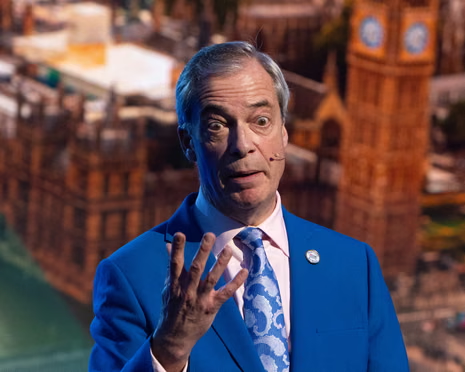
Nigel Farage has been accused of staging political theatre after claiming he was blocked from visiting the Chagos Islands. The Farage Chagos Islands controversy erupted after he said ministers stopped his humanitarian mission. Critics swiftly branded the episode a distraction from pressing domestic issues.
The Reform UK leader said he had travelled to the Maldives to support displaced Chagossians. He claimed the group hoped to establish a small settlement on one island. Their action aimed to protest Britain’s planned transfer of sovereignty to Mauritius. The Chagos Islands dispute has remained politically sensitive for decades.
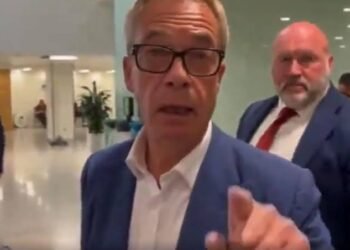
In a video posted on X, Farage alleged government interference. He said officials pressured Maldivian authorities to prevent his onward travel. Wearing a striped polo shirt, he described efforts to block his journey. He suggested Britain’s high commissioner intervened directly with Maldivian leaders.
Farage compared his treatment with asylum seekers crossing the Channel. He claimed militants would receive better hospitality from British authorities. The remarks quickly drew criticism from political opponents and commentators. Many accused him of inflaming tensions with exaggerated rhetoric.
Government sources said they had no prior notice of his travel. Officials insisted they were unaware he had reached the Maldives. Entry to the British Indian Ocean Territory requires formal permits. These rules apply to all visitors without exception.

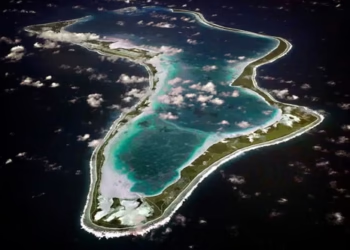
The Chagos Islands are administered as the British Indian Ocean Territory. Access is tightly controlled because of strategic military operations. The largest island, Diego Garcia, hosts a joint UK-US base. The base remains central to Western security planning.
Farage reportedly used a private jet for the journey. He spent just over a day in the Maldives. He then returned to Britain ahead of a byelection campaign. Labour figures criticised the trip’s cost and timing.
A Labour source claimed he should have campaigned in Manchester instead. The Gorton and Denton contest was seen as politically significant. Critics said the Farage Chagos Islands episode overshadowed local concerns. They questioned the sincerity of his humanitarian claims.
The controversy intensified after comments from former defence secretary Ben Wallace. Ben Wallace described the trip as a cheap stunt. He accused Farage of performing “Maga stunts” for attention. Wallace argued that strict access rules apply across UK military sites.
He noted that MPs cannot simply visit sensitive installations. Permits are required for nuclear facilities and special forces bases. The same restrictions cover the British Indian Ocean Territory. Wallace suggested Farage knew these rules beforehand.
Farage insisted he received a warning call from Maldivian officials. He claimed British authorities did not want him leaving. In his video, he said search efforts were underway. He portrayed himself as unfairly targeted by the establishment.
The Foreign Office responded with a measured statement. Officials said their primary concern was safety. They warned that certain islands are unfit for habitation. Extreme weather and medical emergencies pose serious risks there.
At the heart of the dispute lies Britain’s proposed deal with Mauritius. The agreement would transfer sovereignty while retaining military access. Negotiations have drawn scrutiny both domestically and internationally. Some Conservative figures have opposed the arrangement outright.
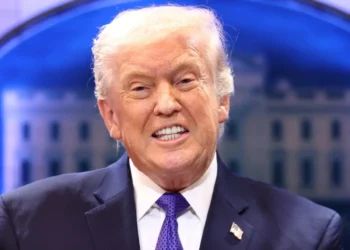
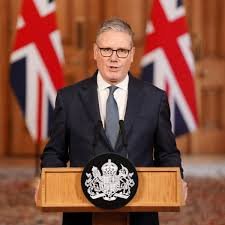
The United States has also shown interest in developments. Donald Trump recently urged Britain not to “give away” Diego Garcia. His remarks added diplomatic pressure on Prime Minister Keir Starmer. Keir Starmer has defended negotiations as pragmatic and lawful.
Government insiders believe tensions with Washington complicated matters. Reports suggested disagreements over airbase use influenced American concerns. Britain reportedly declined permission for certain potential military operations. Those decisions may have shaped wider perceptions of the deal.
The Chagos Islands dispute has deep historical roots. Between the 1960s and 1970s, around 2,000 islanders were removed. Families were relocated mainly to Mauritius and the United Kingdom. Many have campaigned tirelessly for recognition and return.
Legal battles have unfolded in British and international courts. In 2019, the International Court of Justice issued an advisory opinion. It found that Britain should end its administration of the territory. The ruling intensified calls for a negotiated settlement.
For displaced Chagossians, the debate is deeply personal. Some activists recently sailed to Île du Coin. They hoped to establish a symbolic settlement there. Their action aimed to highlight their enduring connection to the land.
Human rights advocates argue their claims deserve compassion and justice. They say decades of exile have caused lasting hardship. Critics of the government insist any deal must protect return rights. Others warn that security interests cannot be compromised.
Against this complex backdrop, Farage positioned himself as a defender. He described his mission as humanitarian and principled. Supporters praised his willingness to challenge official narratives. They argued the Farage Chagos Islands row revealed uncomfortable truths.
Opponents viewed the episode differently. They suggested it mirrored American-style political spectacle. The phrase “Maga stunts” reflected concerns about imported campaign tactics. Critics accused him of amplifying tensions for electoral gain.
Political analysts note the timing was significant. Reform UK has gained traction in recent polling. Farage has sought to project leadership beyond domestic issues. International controversies can sometimes energise a political base.
Yet the optics of private jet travel drew scrutiny. Environmental campaigners questioned the carbon footprint involved. Labour figures contrasted the trip with local campaigning duties. The debate quickly became as much about style as substance.
The government maintained that safety considerations were paramount. Officials stressed that some islands lack basic infrastructure. There are no hospitals, permanent settlements, or evacuation facilities. Severe storms can develop rapidly in the Indian Ocean region.
Diplomats also emphasised the need for orderly negotiations. They warned that unilateral visits could complicate sensitive talks. Britain and Mauritius continue to discuss sovereignty arrangements. Both sides aim to preserve strategic defence cooperation.

For many Britons, the story highlights broader questions. How should historical injustices be addressed responsibly today. Can national security and moral accountability coexist harmoniously. The Farage Chagos Islands dispute touches on each concern.
As campaigning intensifies ahead of local elections, rhetoric may sharpen. Political rivals are unlikely to soften their language soon. Yet the underlying issue remains the future of the archipelago.
The Chagos Islands carry emotional weight beyond their remote shores. They symbolise unresolved chapters of Britain’s colonial legacy. They also host one of the West’s most important military facilities.
Whether Farage’s intervention shifts public opinion remains uncertain. The controversy has undoubtedly drawn renewed attention to the territory. It has also exposed divisions within British politics.
In the coming months, negotiations with Mauritius will continue. International partners will watch developments closely. Displaced Chagossians will await concrete progress on their aspirations.
For now, the Farage Chagos Islands row remains a flashpoint. It blends diplomacy, history, and domestic political rivalry. As debate unfolds, the archipelago’s future hangs delicately in balance.
Related News:
 British Woman in Iran ‘Losing Hope’ Amid Ongoing Detention
 BBC Journalist Held and Interrogated in Vietnam
 Zohran Mamdani becomes New York City’s first Muslim mayor
Zohran Mamdani names all-female transition team for NYC mayoralty
Zohran Mamdani becomes New York City’s first Muslim mayor
Zohran Mamdani names all-female transition team for NYC mayoralty
 Second world war veterans honoured as King leads Remembrance Sunday
 BBC director-general and news chief resign amid bias row
 Rama Rebukes Mahmood for Targeting Albanian Families
 Russian Vessel Used Lasers on RAF Pilots, UK Claims
 Ireland Boosts Ukraine Aid as Zelensky Visits Dublin
 US Africa aid remarks spark anger after leaked State email
 Starmer China visit raises human rights pressure on Beijing
 UK and EU Signal Fresh Push for Defence Cooperation Talks
 Cory Bernardi joins One Nation for SA election
 Starmer Condemns ‘Depraved’ Russian Strikes on Ukraine
 Trump Warns Over Chagos Islands Deal
 Trump and Chagos Deal Rift Over Iran Strikes
 Andrew Mountbatten-Windsor Arrest After FBI Radar
 Trump Tariffs Threat Spark UK and EU Alarm
 UK Allows US Base Use Amid Iran Tensions
 Trump Rebukes Starmer Over Iran Strikes Row
 UK Prepares Aircraft Carrier for Middle East Crisis
 Gordon Brown urges court for crimes against children
 Yvette Cooper: UK Must Follow Principles, Not US Pressure
 UK Minister Denies Iran Missile Threat to Britain
 Army Probes Apache Flyover at Kid Rock’s Nashville Estate
 Relationship with Trump may be beyond repair, Starmer warned
 Charles Faces Trump Test in High-Stakes US Visit
 UK Stands Firm on Falklands Amid US Rift
 Ceasefire Standoff Deepens in Ukraine War
 Koh-i-noor Diamond Row Reignites Colonial Debate
 Starmer Faces Revolt After Crushing Election Losses
 UK Pushes for New EU Goods Trade Deal
 Reeves Fights to Keep Treasury Role Amid Labour Turmoil
 Farage and Reform UK Reshape British Politics
 Starmer Leadership Under Pressure After Setbacks
 Deadly Russian Air Raids Strike Across Ukraine
 UK Government Cancels Higher Education Programme for Women and Girls
 New South Wales Premier Chris Minns Signals Tough Road Ahead for Labor
 Labour MPs Urge Burnham to Revive UK Aid Target
 Former Diplomats Urge UK and France to Act on Palestine
 UK Must Act with Courage and Clarity on Israel-Palestine Conflict, Says Foreign Affairs Committee Report
 Trump’s UK Ambassador Urges North Sea Drilling to Strengthen US Ties
BBC to Apologise Over Edited Trump Speech Amid Backlash
Trump’s UK Ambassador Urges North Sea Drilling to Strengthen US Ties
BBC to Apologise Over Edited Trump Speech Amid Backlash
 Britain deploys RAF specialists to assist Belgium with drone threats
 Millionaires group urge Reeves to introduce wealth tax to ‘lift kids out of poverty’
 Reeves rejects £1bn plea for NHS redundancy payouts
 PM Condemns Leaks, Vows Loyalty to Ministers and Stability
 Major Rent Reform Ends No-Fault Evictions in England
 Greene Pushes Epstein Files Amid Trump Fallout
 December Run-Off in Chile as Election Produces No Winner
 Shadow Fleet at Sea: Europe’s Battle Against Illicit Oil Shipping
 Georgians Defy Government Crackdown After Year of Protests
 Starmer Says Labour’s Economic Plan Needs Years to Deliver
 Pentagon Signals Reduced Role in Deterring North Korea
 Artificial intelligence will cost jobs, admits Liz Kendall
 UK and US Drop in Global Corruption Index Rankings
 Canberra Poster Seizure Sparks Free Speech Row
 California Democrats Vow Trump Reckoning
 The Dangerous Rise of Remigration Across Modern Europe
 Green Party Stuns Labour in Gorton and Denton Byelection
 Labour Together scandal sparks clean break vow
 Starmer Praised for Stance on Trump and Iran Conflict
 NHS Plans to Cut Overseas Workers Labeled Overambitious
 Danish Election Deadlock Shakes Frederiksen’s Grip
 Pope Rebukes Leaders for War as Middle East Tensions Rise
 Italian Town Buys Mussolini Villa to Keep Away Fascist Fans
 Report Says Pezzullo Acted ‘Recklessly’ in Dealings
 Suspected Plot Targets Pipeline Before Hungary Vote
 Starmer Survives Mandelson Rebellion
 Trump approval plunges amid Iran war fears
 US ‘Narco Boat’ Strikes Draw Global Outcry
 Labour Members Doubt Starmer Future as Burnham Leads Poll
 Reform UK Faces Crisis as Newly Elected Councillors Resign
 Discontent grows around Putin amid war strain
 Secret Role of UK Security Services in Troubles Amnesty Law
 The Hidden Crisis Eroding Trust in British Communities
 Deepfake Abuse on X Sparks Safety Concerns for Dissidents
 Farage Warns Sky News Following Financial Inquiry
 Ann Widdecombe, Formidable Political Figure, Dies at 78
 Houthis Strike Saudi Arabia as Middle East Tensions Rise