Published: 24 February 2026. The English Chronicle Desk. The English Chronicle Online
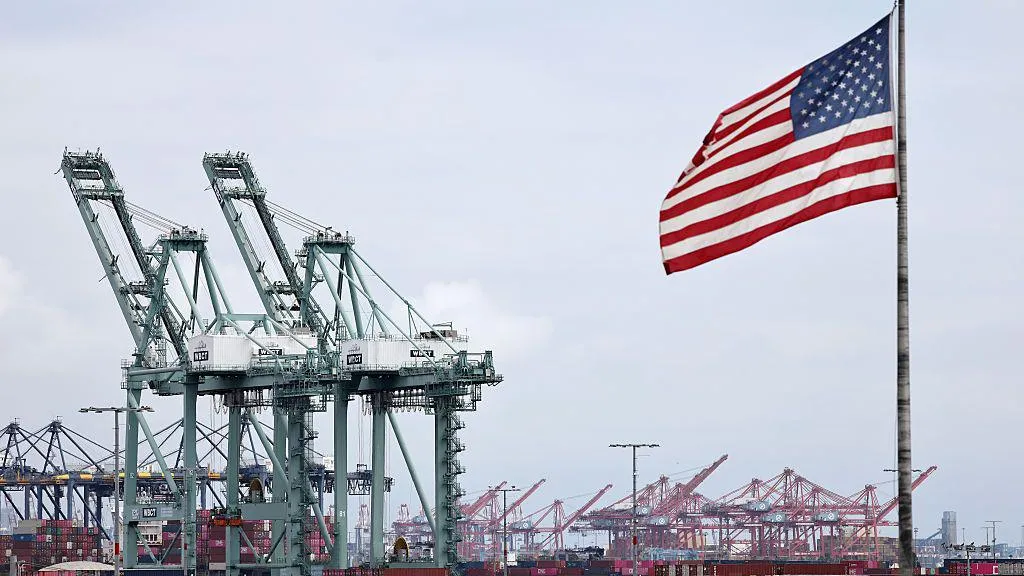
US President Donald Trump has implemented a new global import tariff at a rate of 10%, after the Supreme Court blocked many of his sweeping import taxes last week. Hours after the court’s ruling, Trump signed an executive order to impose the levy, which came into effect on 24 February, aiming to address what he described as “fundamental international payments problems” and to rebalance trade relationships in favour of American workers, farmers, and manufacturers.

The new tariff rate is below the 15% previously announced by the president, reflecting a temporary adjustment while the administration considers additional measures. The White House has yet to issue an official directive to raise the rate, creating uncertainty for businesses and global markets. Analysts warn that this fast-changing environment increases the risk of retaliatory measures from trading partners and could heighten the likelihood of a full-scale trade war.
Carsten Brzeski, an economist with ING, said the situation “adds to the chaos and mess,” stressing that the unpredictable tariff landscape mirrors last year’s trade uncertainty. He noted that trading partners may respond aggressively if the United States does not clearly define the scope and duration of its tariffs.
The executive order relies on Section 122 of the 1974 Trade Act, which allows the president to impose tariffs for 150 days without congressional approval. Trump has argued that these tariffs are necessary to reduce America’s trade deficit, which reached a new high last week of approximately $1.2 trillion, up 2.1% compared to 2024. Prior tariffs imposed under the 1977 International Emergency Economic Powers Act (IEEPA) have already generated at least $130 billion in revenue.
The Supreme Court’s 6-3 ruling found that last year’s sweeping tariffs exceeded the president’s authority under IEEPA. Trump criticised the decision as “ridiculous, poorly written, and extraordinarily anti-American,” while threatening to impose higher tariffs on countries that “play games” with trade deals.
Global responses have been cautious. The UK indicated that reciprocal action is “not off the table” if trade agreements are violated, though officials stressed that no one desires a trade war. The European Union suspended ratification of a summer trade deal and requested clarity from the US, with European Parliament delegate Brando Benifei urging coordinated responses to protect mutual trade interests. Meanwhile, India deferred previously scheduled talks over the uncertain tariff environment.

The unfolding situation highlights the fragility of global trade negotiations amid executive actions, legal challenges, and market reactions. Companies reliant on imports face uncertainty regarding duties and compliance, while governments and international institutions continue to assess the broader economic implications of US tariffs.
Related News:
 Capitol Attack Anniversary Sparks Deep Political Divide
 Trump Labels Renee Good a ‘Paid Agitator’ After Minneapolis ICE Killing
 Trump Says US Will Act on Greenland ‘Whether They Like It or Not’
 Uber Faces Sexual Assault Trial in Arizona, Safety Record Scrutinised
 German Supermarket Aldi to Open 180 US Stores This Year
 Top Senate Republican Says Federal Probe of Powell Could Challenge Fed Nominees
 Trump Administration Probe of Fed’s Powell Draws Pushback
 Trading Day: Trump Crosses Fed Rubicon, Market Shrugs
 Trump targets Iran trade with 25% tariff warning
 Government Unveils Northern Powerhouse Rail Plans
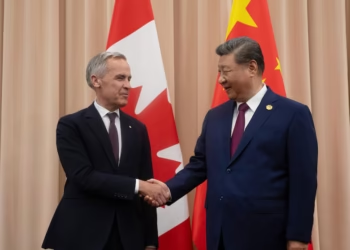 Canada-China trade gains momentum in new strategic partnership
 Trump Receives Machado’s Nobel Medal in White House Meeting
 China Halts Nvidia H200 Chips Despite US Export Approval
 Trump Fed bid heads to Supreme Court
 India-EU Free Trade Deal Marks Historic Economic Shift
 Keir Starmer meets Xi to strengthen UK-China economic relations
 Thousands Protest ICE Operations in Nationwide US Day of Action
 Epstein Files Reveal Trump Officials’ Emails with Financier
 Thousands Protest ICE in New York Against Trump Deportation Campaign
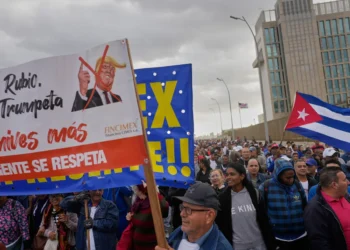 US-Cuba Negotiations Shift as Oil Blockade Looms
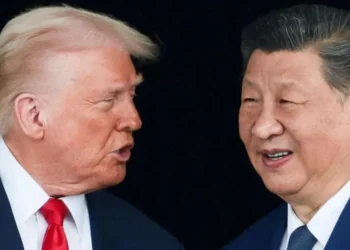 US Must Be Prudent When Supplying Arms to Taiwan, Xi Tells Trump
 Fears of New Arms Race as US-Russia Nuclear Weapons Treaty Expires
 US Military Says Two Killed in Strike on Alleged Drug Boat in Eastern Pacific
 Trump Endorses Japan’s Takaichi Ahead of Snap Election
 Venezuela’s Opposition Says Party Leader Kidnapped Hours After Being Freed
 UK Experts Raise Alarm Over Machinery Export to Armenian Firm
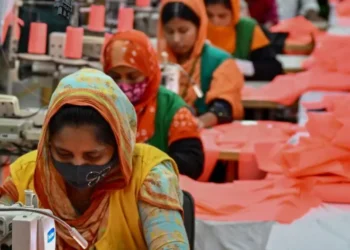 US to Exempt Some Bangladeshi Clothes from Tariffs
 Trump Bizarrely Claims China Will ‘Terminate All Ice Hockey in Canada’ in Threat to Block New Border Bridge
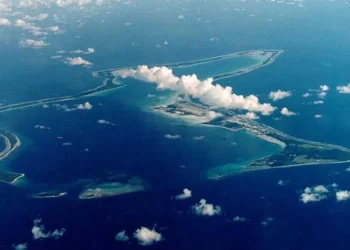 US Says It “Supports” UK Chagos Islands Deal
 Iran Says ‘Guiding Principles’ Agreed With US at Nuclear Talks
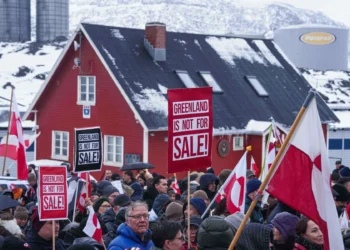 I Saw First‑Hand Why Trump Still Wants More from Greenland
 As Trump Retreats from Climate Goals, China Is Becoming a Green Superpower
 Sanders Condemns Billionaire ‘Greed’ in California Tax Debate
 US and Indonesia Finalise Deal to Cut Tariffs to 19%
 Uncertainties Loom for Businesses and Consumers After Trump’s Tariff Changes
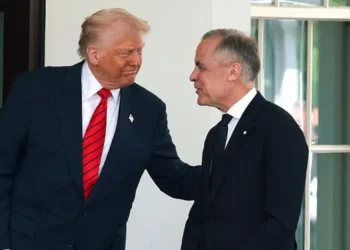 Canada Eyes Trade Talks After US Supreme Court Tosses Trump Tariffs
 US Will Not Back Out of Tariff Deals with UK and Others, Says Trump Trade Representative

 FedEx Sues for Trump Tariff Refund After Supreme Court Ruling
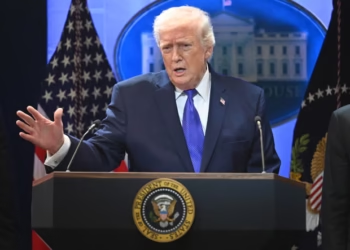 Trump’s tariff strategy collapse sows global chaos and confusion
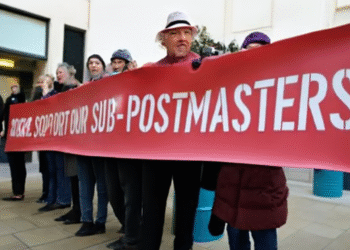 Post Office Scandal Compensation Tops £1 Billion as Victims Finally See Justice
 Big Pharma Investment Freeze Puts UK Life Sciences Sector Under Strain
 Great Britain’s Energy Operator Commits to Strengthening Grid to Prevent Blackouts
 UK House Price Growth Slows as Buyers Exercise Caution Ahead of Autumn Budget
 Kemi Badenoch Unveils ‘Golden Rule’ to Halve Spending Cuts for Deficit Reduction at Tory Conference
 New V-Level qualification to transform post-16 education
 Real living wage set to rise nearly 7% for UK workers in 2026
 Reeves Faces Setback as Labour May Miss Homes Target
 Trump’s UK Ambassador Urges North Sea Drilling to Strengthen US Ties
 Ryanair Chief UK Economy ‘Doomed’ Under Labour
 M&S Profits More Than Halve After Cyber-Attack
 Millionaires group urge Reeves to introduce wealth tax to ‘lift kids out of poverty’
 From Lego to Pokémon: How Adults Are Driving UK Toy Market Growth
 Starmer Says Labour’s Economic Plan Needs Years to Deliver
 Historic £100-Weekly Pension Boost Brings Relief for UK Mineworkers
 American Mother Extradited From UK to U.S. on Murder Charges
 FTSE 100 Hits 10,000: UK Market Celebrates Record Year
 Saudi Officials Report Zubaidi Flee Before Yemen Peace Talks
 Trump Weighs Response to Iran Crackdown as Tehran Says Communication Open With US
 Minnesota Sues Trump Administration Over ICE Surge
 US Clears Nvidia AI Chip Sales to China in Policy Shift
 US Senate rejects resolution limiting Trump military powers
 Gulf states warn Trump Iran strikes risk wider Middle East war
 Geopolitical football: Iran, Trump and the World Cup clash
 Shinzo Abe’s killer receives life sentence in Japan
 EU Says US Ties Have Suffered ‘Big Blow’ After Greenland Crisis
 China General Under Investigation Amid Leadership Purge
 US Dollar Hits Four-Year Low Amid Market Turmoil
 UK New Car Discounts Near £6,000 as Prices Are Slashed
 Pound Sinks and Borrowing Costs Rise as Starmer Fights for Job
 Major UK Clothing Firm Collapses into Administration — 109 Jobs at Risk
 BT Names New Openreach Chief Amid Major Fibre Expansion
 Is Dining Out Dying Out?
 ‘Trump Will Be Gone in Three Years,’ Top Democrats Tell Europe
 Could Manchester Lead the UK’s Economic Revival?
 Lloyds Boss Accepts Concern Over Use of Staff Data in Pay Talks
 Indian University Kicked Out of AI Summit for Claiming Chinese Robot Dog as Its Own Invention
 AI Coding Firm’s ‘Pride’ at Business Award Win
 UK Job Vacancies Hit Five-Year Pandemic Low
 Drugs, Denial, Stigma: Fiji’s HIV Crisis Hits Children