Published: 25 February 2026 . The English Chronicle Desk. The English Chronicle Online
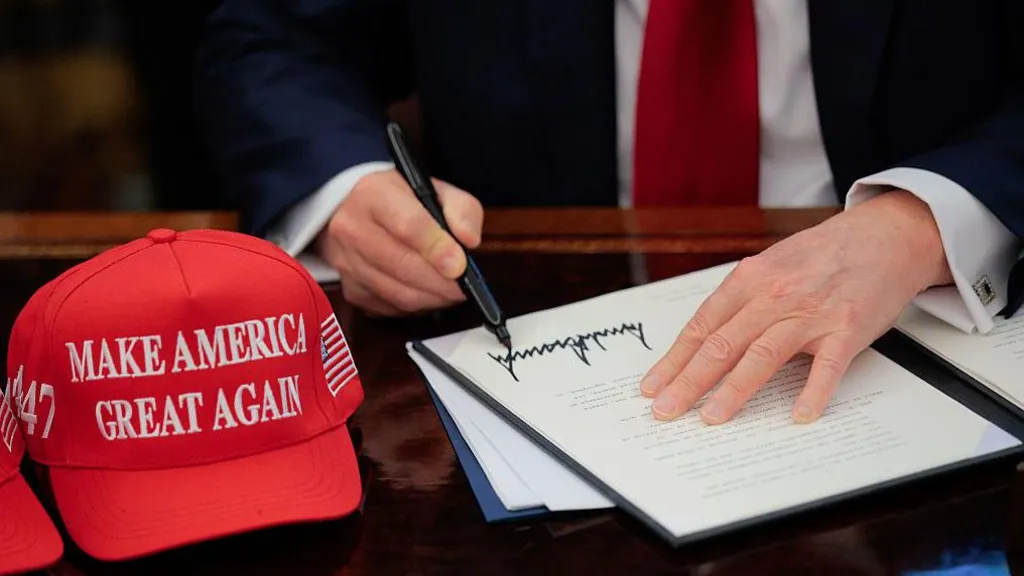
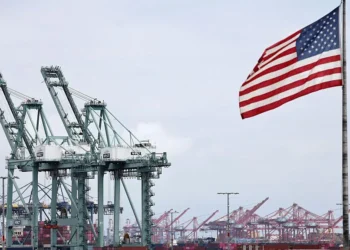
Former US President Donald Trump has repeatedly turned to tariffs as a core tool of his trade policy, aiming to reshape America’s economic relationships with key trading partners. Tariffs — taxes levied on imported goods — have figured prominently in his approach both during his 2017–2021 presidency and in his renewed political rhetoric since announcing a bid for the White House in 2024. Supporters argue that tariffs protect domestic industries and address unfair trade practices, while critics contend they raise costs for consumers and risk retaliation.

Trump’s most consequential tariff actions began early in his first term, as the administration sought to reduce the US trade deficit and revive manufacturing employment. In 2018, the White House imposed a 25 per cent tariff on steel imports and a 10 per cent tariff on aluminium imports from a wide range of countries, citing national security grounds under Section 232 of the Trade Expansion Act. These tariffs applied to major suppliers including the European Union, Canada and Mexico, previously exempted under longstanding trade norms. The measures sparked objections from trading partners but were defended by Trump as necessary to “protect American workers.”
In addition, the Trump administration launched a high‑profile tariff campaign against China. Beginning in 2018, the United States imposed multiple rounds of tariffs on hundreds of billions of dollars’ worth of Chinese goods. By 2019, tariffs on Chinese imports reached levels of up to 25 per cent on a wide swath of manufactured products, electronics and consumer goods. The stated purpose was to confront China’s trade practices, including intellectual property theft, forced technology transfer and state subsidies that Washington said disadvantaged US firms. These actions were part of what became known as the US–China trade war.
Beyond steel, aluminium and China, Trump extended tariffs on other categories. The administration placed levies on solar panels and washing machines under Section 201 of the Trade Act, arguing that surges in imports had harmed domestic producers. Additional tariffs targeted foreign bombardier aircraft and a range of goods from countries that Washington determined had engaged in unfair pricing or trade distortions. Across these measures, Trump used national security and trade remedial authority to justify broad tariffs without securing prior approval from Congress.
The rationale behind Trump’s tariff strategy was consistent: defend US industry, reduce dependency on foreign supply chains, and negotiate better trade terms. Proponents claimed that tariffs would incentivise production within the United States, create jobs and correct longstanding trade imbalances. Trump frequently framed the policy as a way to counteract what he described as exploitative practices by China and other trading partners.
However, economists have noted mixed outcomes. Tariffs can lead to higher costs for American consumers, as import taxes are often passed through in retail prices. They can also provoke retaliatory tariffs on US exports, affecting agricultural producers and other sectors. For example, China’s retaliation to US tariffs included duties on US soybeans, dents in export markets that hit farmers in the Midwest. Tariff‑induced trade tensions also complicated relationships with traditional allies, prompting the US to negotiate exemptions or tariff reductions in certain sectors.
During his 2024 campaign and into 2025, Trump has reiterated support for high tariffs, particularly on Chinese imports, and has called for expanding tariffs into additional sectors such as electric vehicles and critical minerals. His team argues that tariffs remain vital to protect strategic industries and to bring manufacturing back to the United States. Critics counter that long‑term reliance on tariffs can disrupt global supply chains and discourage investment.

Trump’s tariff legacy illustrates a broader shift in American trade policy away from deep integration and toward economic nationalism — an emphasis on prioritising domestic production and leveraging trade barriers as a bargaining tool. Whether future administrations adopt, expand or roll back these tariffs will remain a central question in US economic policy debates.
Related News:
 US Will Not Back Out of Tariff Deals with UK and Others, Says Trump Trade Representative
 Trump’s tariff strategy collapse sows global chaos and confusion
 Trump Administration Probe of Fed’s Powell Draws Pushback
 Trading Day: Trump Crosses Fed Rubicon, Market Shrugs
 US and Indonesia Finalise Deal to Cut Tariffs to 19%
 The Two Farms in Senegal That Supply Many of the UK’s Vegetables
 ‘We’re Still on Edge’: Toy Firms Look to US Supreme Court as Tariffs Hit Profits
 Canada Eyes Trade Talks After US Supreme Court Tosses Trump Tariffs
 Modi’s London Visit Seals Historic UK-India Trade Pact Amid Global Tensions
 China’s crackdown on civil servant perks sparks economic concerns
 Shein UK Faces Allegations of Shifting Majority of Profits to Singapore to Reduce UK Tax
 British AI Startup Outshines Human Forecasters in Global Prediction Contest
 Indian Court Deals Legal Setback to Elon Musk’s X in Free Speech Battle
 China warns UK over delayed London mega embassy decision
 Rachel Reeves to lead UK trade push in Saudi Arabia amid rights debate
 UPS Cargo Plane Crash in Kentucky Kills Seven
 Canada Passes Carney’s First Budget in Tight Parliamentary Vote
 Two National Guard Soldiers Critically Injured Near White House
 India’s Labour Law Overhaul Sparks Fierce Debate
 Trump to Recheck Green Cards from 19 Nations After DC Attack
 American Mother Extradited From UK to U.S. on Murder Charges
 Russia losses Ukraine war peace talks intensify amid rising deaths
 Trump Taiwan China drills: US President Downplays Tensions
 US Venezuela protests sweep cities after intervention
 US Cities Erupt in Protests Against Trump’s Venezuela Military Action
 Trump Escalates Minnesota Immigration Surge Amid Rising Tensions
 Trump Says US Must ‘Own’ Greenland to Block Russia, China
 Trump Weighs Response to Iran Crackdown as Tehran Says Communication Open With US
 Uber Faces Sexual Assault Trial in Arizona, Safety Record Scrutinised
 German Supermarket Aldi to Open 180 US Stores This Year
 Australia’s US Ambassador Rudd to Step Down Early
 US Clears Nvidia AI Chip Sales to China in Policy Shift
 Trump Threatens Strong Action If Iran Executes Protesters
 Trump Receives Machado’s Nobel Medal in White House Meeting
 Greenland Crisis Forces Europe to Draw a Line With Trump
 China Halts Nvidia H200 Chips Despite US Export Approval
 Iran Cannot Be Bombed Into Democracy, Only Helped There
 Trump Aide Sparks Fury as Greenland Dispute Intensifies
 Trump Fed bid heads to Supreme Court
 EU Says US Ties Have Suffered ‘Big Blow’ After Greenland Crisis
 Arizona border shooting leaves suspect hospitalised after agent pursuit
 Videos reveal earlier clash before Alex Pretti shooting
 UK New Car Discounts Near £6,000 as Prices Are Slashed
 ‘Painful Times’ as Melinda Gates Responds to Epstein Files
 Trump Praises ‘Terrific’ Petro After White House Talks
 Fears of New Arms Race as US-Russia Nuclear Weapons Treaty Expires
 US Military Says Two Killed in Strike on Alleged Drug Boat in Eastern Pacific
 Trump Endorses Japan’s Takaichi Ahead of Snap Election
 US and Iran Hold Nuclear Talks as Trump Ramps Up Military Threats
 Venezuela’s Opposition Says Party Leader Kidnapped Hours After Being Freed
 Trump Says Iran Regime Change Is “Best Thing That Could Happen”
 Obama Slams Trump’s Racist ‘Ape’ Video Amid Backlash
 Actor Robert Duvall, Who Starred in The Godfather, Dies Aged 95
 New Nuclear Talks Between US and Iran Begin in Geneva
 Tourism Is Booming in 2026 — Just Not Where You Think
 ‘He Did It for Us’: US Soldier Recalls Jesse Jackson’s Efforts to Free Him and Two Other POWs
 Iran Says ‘Guiding Principles’ Agreed With US at Nuclear Talks
 Stephen Colbert Says CBS Spiked Interview With Democrat Over FCC Fears
 Moment Officers Rescue Injured Bald Eagle From Icy Hudson River
 Netflix and Paramount Are Battling for Warner Bros. — Who Is Likely to Win?
 Suspect in Rhode Island Ice Hockey Shooting Killed Ex‑Wife and Son
 Live Markets Bet on Spring Rate Cut as Inflation Falls
 Japan Braces as Takaichi Begins New Term with Huge Mandate for Low‑Tax, Ultra‑Conservative Agenda
 Eight Skiers Found Dead After California Avalanche
 US Urges Iran to Make Deal as Military Presence Rises
 Desperate Hunt for Breakthrough in Nancy Guthrie Case Turns to Mexico
 Sanders Condemns Billionaire ‘Greed’ in California Tax Debate
 The Chinese AI App Sending Hollywood Into a Panic
 Live Nation Sees Strong Ticket Sales as Monopoly Lawsuit Looms
 Billionaire Les Wexner Tells US Lawmakers He Was ‘Naive’ and ‘Conned’ by Epstein
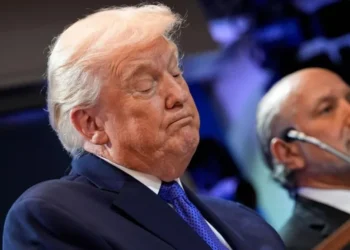 Uncertainties Loom for Businesses and Consumers After Trump’s Tariff Changes
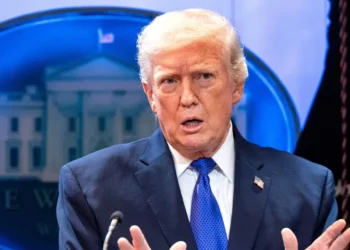 Trump Announces Global Tariffs to Rise to 15%
 Violence Erupts in Mexico After Drug Lord El Mencho Killed
 Trump Tower Gold Coast to Redefine Skyline
 Who Was El Mencho, Mexico’s Most Wanted Man?
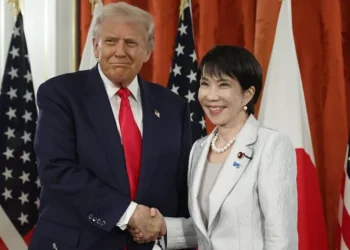 What Now for Asia After Trump’s Tariffs Were Struck Down?

 Inside Atlanta’s Soul Food Revolution
 Ukraine war briefing: Russia exporting more oil now than before war despite sanctions – report
 Trump’s new tariff takes effect at lower than expected rate