Published: 25 February 2026. The English Chronicle Desk. The English Chronicle Online.
Scotland’s climate strategy has received scrutiny for depending heavily on unproven technology, critics warn.
Scotland has recently unveiled its updated approach to reducing carbon emissions, aiming for net zero by 2045. The UK Climate Change Committee (CCC) has cautiously praised the short-term targets but highlighted serious concerns over long-term feasibility. Nigel Topping, chair of the CCC, described “flashing amber lights” regarding the medium- and long-term strategies proposed by the Scottish government. While the introduction of five-year carbon budgets in November marks a positive shift from previous annual targets, there is skepticism about whether these plans can realistically achieve the necessary emissions cuts.
The CCC noted that Scotland had missed eight of twelve annual reduction targets prior to adopting the five-year framework, forcing a recalibration of its ambitions to cut emissions by 75% by 2030. Topping said the new approach represents a “big step forward” in setting achievable targets, adding that the first carbon budget now reflects a strong foundation for near-term progress. According to the committee, Scotland has credible plans for 91% of the emissions reductions required by 2030, a figure considered highly confident. However, projections beyond this period reveal growing uncertainty, particularly for the second and third carbon budgets extending to 2035 and 2040, respectively.

The CCC has highlighted that credible planning drops to 64% for the second carbon budget and falls further to 58% for the third. The committee attributes this decline to the Scottish government’s reliance on carbon capture and storage, unproven CO₂ removal technologies, and a lack of concrete measures to decarbonise heating in buildings. Jamie Livingston, head of Oxfam Scotland, echoed these concerns, warning that the strategy leans too heavily on “science fiction” while failing to specify the necessary financial investment. Nesta, the research foundation, estimates that Scotland must install 110,000 heat pumps or other low-carbon heating systems over the next four years to meet its 2030 target, triple the number outlined in government plans.
Despite these criticisms, Scotland has made measurable progress in other sectors. The country leads the UK in per capita installation of electric vehicle chargers and has begun meeting targets for restoring degraded peatland, a significant source of carbon emissions. Topping acknowledged these achievements, noting that Scotland’s progress with EV infrastructure represents a rare area of confident advancement. However, some experts remain cautious about peatland restoration. NatureScot, the government’s conservation agency, estimates that full restoration of 1.3 million hectares of degraded peatland would cost at least £3 billion and warns that the 2030 restoration target of 250,000 hectares is unlikely to be met.
Gillian Martin, Scotland’s net zero secretary, responded to the CCC report by emphasising that the government would consider the committee’s feedback in shaping its final climate action plan. She avoided direct engagement with specific criticisms, focusing instead on the commitment to refining the country’s approach. Under the Scottish National Party, Scotland has historically positioned itself as a climate policy leader, with former First Minister Nicola Sturgeon the first UK leader to declare a climate emergency. This context underscores the high expectations for the nation’s emission reduction plans and the intense scrutiny applied by both national and international observers.
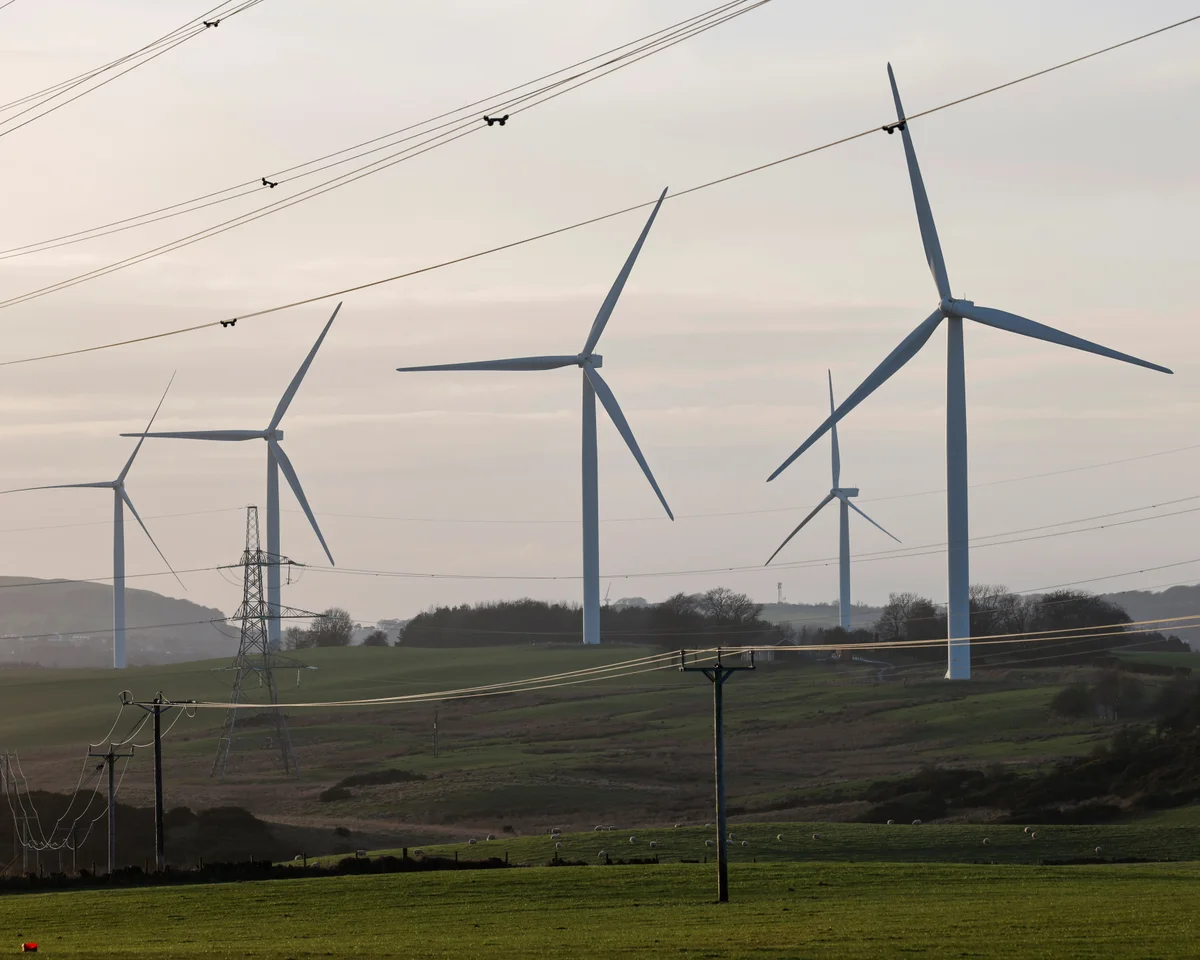
Scotland has already achieved a 51.3% reduction in emissions compared with 1990 levels, primarily through the closure of coal-fired power stations and the expansion of wind energy infrastructure. Nevertheless, Topping highlighted that 58% of the country’s emissions remain governed by Scottish government policies rather than UK-wide frameworks, leaving gaps in the effectiveness of existing measures. Observers argue that the UK Labour government’s broader net zero initiatives may accelerate emissions reductions more rapidly, but Scotland’s autonomy over certain policy areas introduces both opportunities and risks in meeting long-term climate goals.
Lang Banks, director of WWF Scotland, stressed that urgent action is needed to reduce carbon emissions from residential and land-based sectors. He emphasised that delays not only exacerbate climate impacts but also prolong the public’s wait for benefits such as lower energy costs, warmer homes, cleaner air, and nature recovery. The current CCC report paints a mixed picture: while early progress is evident, the reliance on unproven technologies and financial uncertainties casts doubt over Scotland’s ability to maintain momentum in the medium and long term.
The committee’s concerns about decarbonising heating and future reliance on carbon capture technologies have prompted debate across policy and academic circles. Critics note that Scotland’s ambitious net zero target for 2045 demands not only innovative solutions but also clear pathways for funding, infrastructure, and regulatory support. Without robust measures in place, the risks of underperformance grow, potentially undermining public confidence in climate initiatives. The report also highlights that while Scotland contributes less than 10% of the UK’s onshore emissions, its policy choices have symbolic significance and can influence broader climate discussions across the UK and Europe.
The CCC emphasised that Scotland’s approach needs tangible plans for long-term success, especially in the next two carbon budgets, where projected gaps indicate areas of vulnerability. Investments in heat pumps, building retrofits, and sustainable land management are key factors that will determine whether Scotland’s climate targets remain credible. Experts argue that these sectors represent high-leverage opportunities: successful interventions could drive substantial emissions reductions while also delivering socio-economic benefits such as job creation and energy security.
Public engagement remains critical in Scotland’s climate strategy. Advocates stress that transparent communication about realistic targets, funding requirements, and technological limitations is essential to maintain public trust. The CCC report reinforces that short-term achievements, such as EV expansion and initial peatland restoration, demonstrate feasibility, yet long-term goals require consistent political and financial commitment. Without such dedication, critics warn that Scotland risks overpromising while underdelivering, jeopardising both environmental and economic outcomes.

Scotland’s net zero ambitions highlight the challenges faced by nations balancing immediate progress with visionary goals. The CCC report indicates that realistic short-term plans provide a foundation, yet long-term strategies remain exposed to high uncertainty. Policymakers must reconcile technological optimism with tangible delivery mechanisms to meet the demands of climate science and public expectation. With multiple sectors needing intervention, from residential heating to land management, the coming years will be decisive in determining whether Scotland can genuinely achieve net zero by 2045.
The path ahead for Scotland requires careful calibration of policy, finance, and innovation. Strengthening infrastructure, scaling up proven low-carbon technologies, and clearly defining funding sources will be essential to sustain momentum. Critics argue that overreliance on untested solutions could delay meaningful emissions reductions and erode public confidence in government targets. Consequently, while the initial five-year carbon budgets offer promise, the medium- and long-term outlook demands rigorous planning, robust oversight, and adaptive strategies to navigate uncertainties.
The CCC’s analysis ultimately presents a dual narrative: Scotland demonstrates strong early progress, yet the medium- and long-term risks highlight the importance of evidence-based planning. Climate policies will need to evolve alongside technological developments, financial realities, and ecological constraints. Public agencies, policymakers, and independent experts must work collaboratively to ensure Scotland’s carbon reduction ambitions remain achievable, credible, and socially equitable. This nuanced perspective underscores the complex interplay between ambition and pragmatism that defines modern climate governance.
Related News:
 ‘Extinct’ Antelope Returns to Sahara, Bringing Hope
 Eden Project Founder Celebrates 25 Years of Nature’s Hope
 Dog Food Emissions: 1% of UK Greenhouse Gas Revealed
 Dutch Nationwide Fireworks Ban Expected to Transform New Year Traditions
 Wildlife Targets at Risk in England and Northern Ireland
 Dubai Chocolate Craze Inspires South Korea’s Latest Dessert Obsession
 Traces of Glyphosate Found in UK Playground Tests
 Polycrisis Anxiety Leaves Many Feeling Trapped in the Present
 Japan Prepares for Kashiwazaki Restart After Fukushima Legacy
 Kent Residents Continue Facing Water Supply Disruptions
 Water firms may avoid fines under UK water reform plan
 Antarctic Penguins Shift Breeding Season Amid Climate Change
 No Gas Boiler Ban as UK Warm Homes Plan Backs Heat Pumps
 Judi Dench Champions Fight to Save London’s Green Spaces
 Half the World’s Largest Cities Face Rising Water Stress
 The Sound of Mayhem’: Terror and Loss at Mount Maunganui
 Reindeer Deaths Rise as Finnish Herders Blame Border Wolves
 How Sandhill Ashes Rebuilt a Bushfire-Hit Rural Community
 Storm Chandra flooding leaves England on high alert
 Gentoo Penguins First Birds on Australian Territory Hit by Bird Flu
 Chikungunya Spread in Europe Climbs as Climate Warms
 Germany Faces Backlash Over Scrapped Renewable Heating Mandate
 Save the Caterpillars to Help UK Moth Populations Grow
 Wood burner legal threats spark council row
 South East Water Fined £22.5m for Repeated Supply Failures
 Yorkshire Water Funding Sparks Debate Amid Fines and Pay Row
 Net Zero Cheaper Than One Fossil Fuel Crisis, UK Told
 Musk’s xAI Permit Sparks Fury Over Power Plant Expansion
 Welsh Water Faces £44.7m Enforcement Over Sewage Breaches
 London Considers New SUV Charges to Improve Road Safety
 The Truth Behind Rising Energy Costs and Fossil Fuel Myths
 New £10bn rescue plan offered for Thames Water
 Middle East Deluge: Freak Storms Bangle Desert Nations
 Trump to Deploy “God Squad” Over Gulf Wildlife Protections
 RNLI Beach Rescues Surge as Coastal Popularity Hits New High
 The Secret Identity Behind the Enfield Oak Felling
 Evacuations Ordered as California Wildfires Spread Fast
 US Waste Crisis: Mexico Branded a Toxic Garbage Sink
 Cyclone Maila Intensifies to Category Five Strength
 Miles Jupp: How the Magic of the Ashes Sparked a Bold Blag
 RSPB Urges Summer Bird Feeder Removal to Curb Disease
 Britain Facing Sharp Decline in Rare Butterfly Species
 15 Million Oysters Set to Revive UK Marine Ecosystems
 Fuel Prices Drop Despite Geelong Refinery Blaze
 Medellín’s Green Revolution: A Global Climate Blueprint
 Ancient Cattle Breed Faces Urgent Risk of Extinction
 Nature Watchdog Accused of Halting Vital Site Protections
 Broken Promises: Murray-Darling River Crisis Deepens
 Governments Fail Murray-Darling River Projects
 Renewable Energy as a Strategic Shield for UK Security
 Urban Flood Crisis: A Growing Threat to English Homes
 Escobar’s Hippos May Be Moved to India Zoo
 Capitalism ‘Suicidal’, Warns Petro at Climate Summit
 UK Firm Faces Backlash Over US Oil Advertising Deals
 The Lion Guard: How One Woman Heals the Zambezi Valley
 Ukraine strikes Tuapse as oil disaster worsens
 Stolen Hives: The Great Australian Bee Heist
 Charities Demand Labour Deliver Urgent New Clean Air Act
 UN Faces Crucial Vote on Landmark ICJ Climate Ruling
 Man killed in shark attack on Great Barrier Reef
 Hope for mountain bongos returns to Kenya
 Saving Our Lost Rainforests: The Battle for Dartmoor
 Outcry Over Kushner’s Albanian Resort
 Whitehall Steps In: The Battle Over Thames Water Deepens
 Australia Investigates Suspected Mainland H5N1 Case
 Green Lawsuits Surge as AI Expansion Strains Planet
 UK Launches Massive Campaign To Save Precious Water Supply
 US Courts Back Trump on Park Signage Removals
 Deadly H5 Bird Flu Reaches Australia’s East Coast
 UK Heatwaves Ignite Crisis of Sleep and Public Safety
 Britain’s Mini Fan Craze Sparks Major Waste Crisis
 Global Climate Progress: Europe Leads as US Lags Behind
 The Carbon Capture Con: Wasted Billions for Taxpayers
 US Chemical Accidents Rise as Protections Are Rolled Back
 Concerns Rise Over New Zealand’s AI Datacentre Plans
 Swift Nesting Crisis Sparks Outrage in South Tyneside
 New Debt Limits Proposed for England’s Water Sector
 Japan Bear Hunt: Serial Fridge Raider Sparks Panic
 Thames Water Future Remains Uncertain Amid Funding Crunch
 Three-Quarters of England’s Riverbanks Still Off Limits