Published: 26 February 2026. The English Chronicle Desk. The English Chronicle Online.
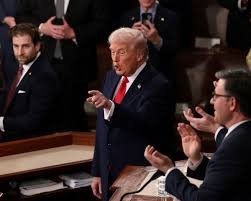
The State of the Union address, delivered by Donald Trump on Tuesday evening, was remarkable more for its length than for its substance. Lasting an unprecedented 107 minutes, the speech was expected to outline a strong legislative agenda, yet it repeatedly veered into grandiose self-praise and partisan attacks. From the moment Trump entered the House chamber, he assumed the air of a monarch, with Republican colleagues eagerly lining the aisles to wave and pose for selfies alongside him. However, this theatrical display was quickly interrupted when Democratic representative Al Green of Texas raised a handwritten sign condemning a racist video Trump had shared about former President Barack Obama and the First Lady. His protest, ignored by some and confronted by others, set the tone for a contentious evening that exposed the deep divisions within American politics.
Trump’s opening remarks painted a picture of a triumphant nation, claiming that inflation, mortgage rates, and gas prices were falling while the economy thrived with surging stock markets, oil production, and foreign investment. He lauded the creation of construction and factory jobs as evidence of his administration’s success, presenting an image of prosperity that was sharply at odds with the struggles of everyday Americans facing financial insecurity. His tone suggested triumphalism rather than empathy, eschewing any acknowledgment of hardship or the need for compromise, signaling that the address would prioritise political theatre over actionable policy. For Trump, the audience’s applause, primarily from Republican ranks, was the barometer of approval rather than substantive consensus.

The president took care to highlight the Olympic gold medal victory of the U.S. men’s hockey team, prompting a rare moment of bipartisan cheer in the gallery. While Republicans responded with chants of “USA! USA!”, most Democrats remained stoic, signaling a lack of engagement with the spectacle. This early interlude demonstrated how moments of national pride could temporarily bridge political divides, yet it also underscored the superficiality of Trump’s appeals. His remarks frequently relied on hyperbole, declaring, “We’re winning so much that we really don’t know what to do about it,” framing national challenges as trivial when juxtaposed with his administration’s proclaimed accomplishments.
As the address progressed, Trump pivoted to contentious topics, including tariffs and Supreme Court decisions that thwarted his policy goals. The president’s references to crime, election integrity, and transgender issues devolved into pointed attacks on Democrats, whom he repeatedly described as “crazy” and as agents intent on destroying the country. These remarks exemplified a central theme of the evening: the deliberate cultivation of division, particularly along racial and cultural lines. Observers noted that the chamber visually reflected these divisions, with Democratic representatives presenting a more diverse front compared to the largely homogeneous Republican delegation.
Trump introduced a so-called “war on fraud,” highlighting a Minnesota social services case he claimed cost billions, prompting outcries of “That’s a lie!” from representatives Ilhan Omar and Rashida Tlaib. Their interjections provided a live fact-checking presence within the chamber, challenging the president’s credibility and emphasising the performative nature of the speech. These moments of confrontation highlighted the tension between Trump’s narrative and reality, with elected officials visibly contesting misleading claims in real time. The president further escalated his rhetoric by targeting immigrant communities, invoking Somali piracy and corruption abroad as justification for stricter immigration policies. This strategy, critics argued, relied on xenophobia to rally political support, sidestepping substantive discussion of domestic governance.
The address also included repeated attempts to shame Democrats for refusing to stand in agreement with his statements, exemplifying Trump’s penchant for spectacle over dialogue. Such interactions illustrated the transactional nature of his engagement, wherein public gestures of loyalty replaced meaningful debate on legislative priorities. Democratic responses ranged from silent resistance to vocal outbursts demanding accountability on issues including the Epstein scandal and the deaths of American citizens under federal action, issues which the president omitted entirely from his speech. These interjections underscored the gap between the administration’s messaging and the pressing concerns of human rights and justice.
Despite the ambitious runtime, the address contributed little to advancing legislative goals or fostering bipartisan solutions. Trump’s focus on hyperbolic achievements, coupled with inflammatory rhetoric, rendered the speech more performative than substantive. Polling ahead of the address indicated historically low approval ratings, with only 39% of Americans expressing positive sentiment. By the conclusion of the nearly two-hour address, this approval had scarcely shifted, suggesting that the speech’s length did not compensate for a lack of actionable policy or compelling leadership messaging.
The spectacle of the State of the Union, rather than clarifying policy intentions, amplified political divisions and highlighted the performative aspects of contemporary presidential communication. Demonstrations by representatives like Green, Omar, and Tlaib punctuated the evening, ensuring that the chamber reflected the broader societal disputes over race, governance, and accountability. These interventions also drew attention to the symbolic nature of protest within formal political settings, where dissent challenges ceremonial authority without necessarily changing outcomes. Trump’s inability to pivot toward unity or empathy further reinforced the perception that the longest State of the Union in history was, paradoxically, one of the least consequential.
Observers noted that the speech’s structure favoured self-congratulation and partisan theatrics, with minimal substantive discussion of pressing issues such as healthcare reform, climate change, and international diplomacy. Trump’s reliance on anecdotal victories and selective economic statistics created a narrative of triumph disconnected from the lived experiences of many Americans. Even brief moments of national pride, such as celebrating Olympic athletes, were overshadowed by polarising rhetoric and targeted attacks. This pattern reflected a broader trend in contemporary political communication, where spectacle often supersedes policy detail, reinforcing ideological echo chambers rather than fostering informed debate.

By the evening’s end, the chamber had witnessed a wide range of reactions, from the silent protest of seated Democrats to vocal interjections demanding accountability. Several representatives exited before the conclusion, highlighting the performative dissonance between the speech’s length and its legislative impact. Al Green’s empty seat, symbolically marked by a handwritten sign, served as a visual testament to sustained dissent and dissatisfaction with the address’s content. The gap between ceremonial pomp and practical policy underscored the limited efficacy of rhetorical flourish in achieving tangible political outcomes, despite the historical record-setting runtime.
In sum, Trump’s State of the Union exemplified how length alone cannot compensate for the absence of substantive policy proposals or constructive engagement. While the address offered moments of spectacle and partisan unity among supporters, it failed to deliver meaningful solutions or inspire cross-party collaboration. The protests and interruptions punctuated an evening dominated by self-praise, inflammatory rhetoric, and divisive appeals. Historical records may note its unprecedented duration, yet analysts and citizens alike observed its limited practical significance, reinforcing the idea that impact is determined more by content than by ceremonial length. Ultimately, the speech left Americans reflecting on spectacle rather than policy, drama rather than substance, and division rather than dialogue.
Related News:
 Trump Plans Venezuela Meeting, Warns of Cartel Land Strikes
 Mandelson apologises over Epstein ties after public scrutiny
 US Senate rejects resolution limiting Trump military powers
 Trump Calls Greenland Critical for US Security After Denmark Talks
 Trump: Iran Killing Has Stopped, Strike Threats Pulled Back
 Machado Trump medal gesture reshapes Venezuela power struggle
 Trump Receives Machado’s Nobel Medal in White House Meeting
 Iran unrest slows under brutal crackdown and global tensions
 Trump Allies Pursue $200m European Gas Pipeline Deal
 US Considers Asylum for British Jews Amid Rising Antisemitism
 Starmer Challenges US Over Controversial Greenland Deal
 Spoof “Make America Go Away” Caps Rally Denmark Over Greenland
 Trump slams UK ‘stupidity’ over Chagos Islands, eyes Greenland takeover
 UK Presses On With Chagos Handover Despite Trump Criticism
 Kim Jong-un Fires Vice-Premier Over Factory Failures
 Shinzo Abe’s killer receives life sentence in Japan
 Starmer Resists Matching Trump Amid Greenland Tensions
 Netanyahu Accepts Trump’s ‘Board of Peace’ Invitation
 South Korean Ex-PM Jailed 23 Years Over Martial Law Role
 Canada Rules Out Free Trade Deal With China Amid US Tensions
 Snow Threatens Japan Election Turnout Amid Extreme Cold
 Keir Starmer meets Xi to strengthen UK-China economic relations
 Crisis Looms as Liberals Debate Sussan Ley Future
 Cambridge Faces Scrutiny Over Arms Investment Transparency
 Files Link Andrew to Epstein Dinner After Prison Release
 Thousands Protest ICE Operations in Nationwide US Day of Action
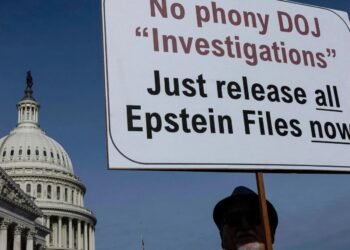 Epstein Files Reveal Trump Officials’ Emails with Financier
 Thousands Protest ICE in New York Against Trump Deportation Campaign
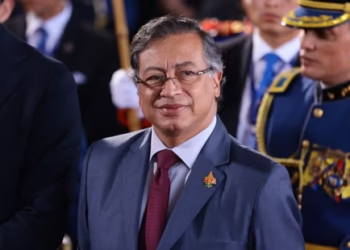 Trump-Petro Meeting Sparks Hopes of Diplomatic Detente
 Epstein UAE Emails Shake British Royal Andrew’s Legacy
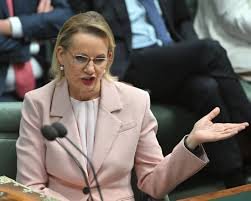 Liberal Fallout: Taylor Challenge Casts Shadow Over Sussan Ley’s Leadership
 Ukraine, Russia Meet in Geneva Ahead of War Anniversary
 Brazilian Politician Brothers Sentenced for Marielle Murder
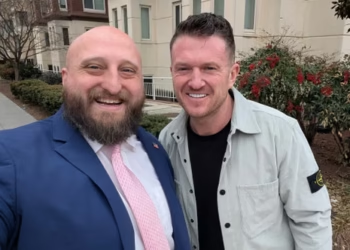 Tommy Robinson Meets Trump Officials at US State Department
 HMS Dragon to Head to Cyprus Amid Rising Tensions
 Starmer Praised for Stance on Trump and Iran Conflict
 Yvette Cooper: UK Must Follow Principles, Not US Pressure
 UK Ministers Signal Strategic Independence From Trump Demands
 Florida Governor renames Palm Beach Airport for Donald Trump
 Farage Shuns Truss as US Right-Wing Roadshow Hits London
 European Leaders Slam Hungary Over Alleged Russian Ties
 Starmer Urges Ambitious EU Ties Amid Middle East Conflict
 A Global Voice For Justice: Stephen Lewis Dies At Age 88
 Trump Mocks Starmer and UK Carriers in White House Speech
 Final Countdown as Trump Deadline Looms Over Tehran
 Starmer visits Gulf as US and Iran agree ceasefire
 GOP Senator Criticizes Trump’s Feud With Pope Leo XIV
 Global Oil Prices Surge Amid Renewed Gulf Tensions
 Faith and Power: Catholics React to Trump-Pope Feud
 Timor-Leste Faces Tough Questions Over Resort Proposal
 Security Scrutiny After Washington Shooting Incident
 Aukus Submarine Plan Faces Critical Failures
 UK Envoy Sparks Controversy Over Special Relationship Claims
 US Calls Australia Media Law “Foreign Extortion”
 USS Gerald R Ford Ends Record Naval Deployment
 Activists allege abuse after Gaza flotilla seizure
 Australia pushes Pacific security pact amid China tension
 Indiana Republicans Defy Trump in Key Vote Test
 Middle East Crisis Escalates as Oil Routes Shake Markets
 One Nation Candidate’s Surprising Ties to Independents
 Anika Wells Repays Over £5,000 in Travel Claims
 Tensions Emerge in Netanyahu-Trump Alliance
 California Mayor Resigns Over Foreign Agent Charges
 Liberal Senator Criticises Immigration Rhetoric
 Hanson Stunner: Norway Model Sparking Energy Row
 Tony Abbott Returns as New Liberal Party President
 Tulsi Gabbard exits after turbulent intelligence tenure
 UK Urged to Build EU Rejoin Consensus, Says Miliband
 Zelenskyy warns over Oreshnik threat as Kyiv hit
 Discontent grows around Putin amid war strain
 Former ICC prosecutor condemns US sanctions
 Trump Weighs Retreat from Controversial $1.8bn Slush Fund
 Iran Prepares for Massive Six-Day Funeral for Khamenei
 Trump’s Mount Rushmore Speech: A Divisive Anniversary
 Iran Mourns: Millions at Khamenei’s Final Procession
 Starmer Braces for Nato Spending Clash in Ankara
 Trump Swaps Planes Amid Iran Tensions
 House Democrats Divided Over Israel Military Funding Bid
 Houthis Strike Saudi Arabia as Middle East Tensions Rise
 Taliban global ties grow as rights fears mount