Published: 30 March 2026. The English Chronicle Desk. The English Chronicle Online.
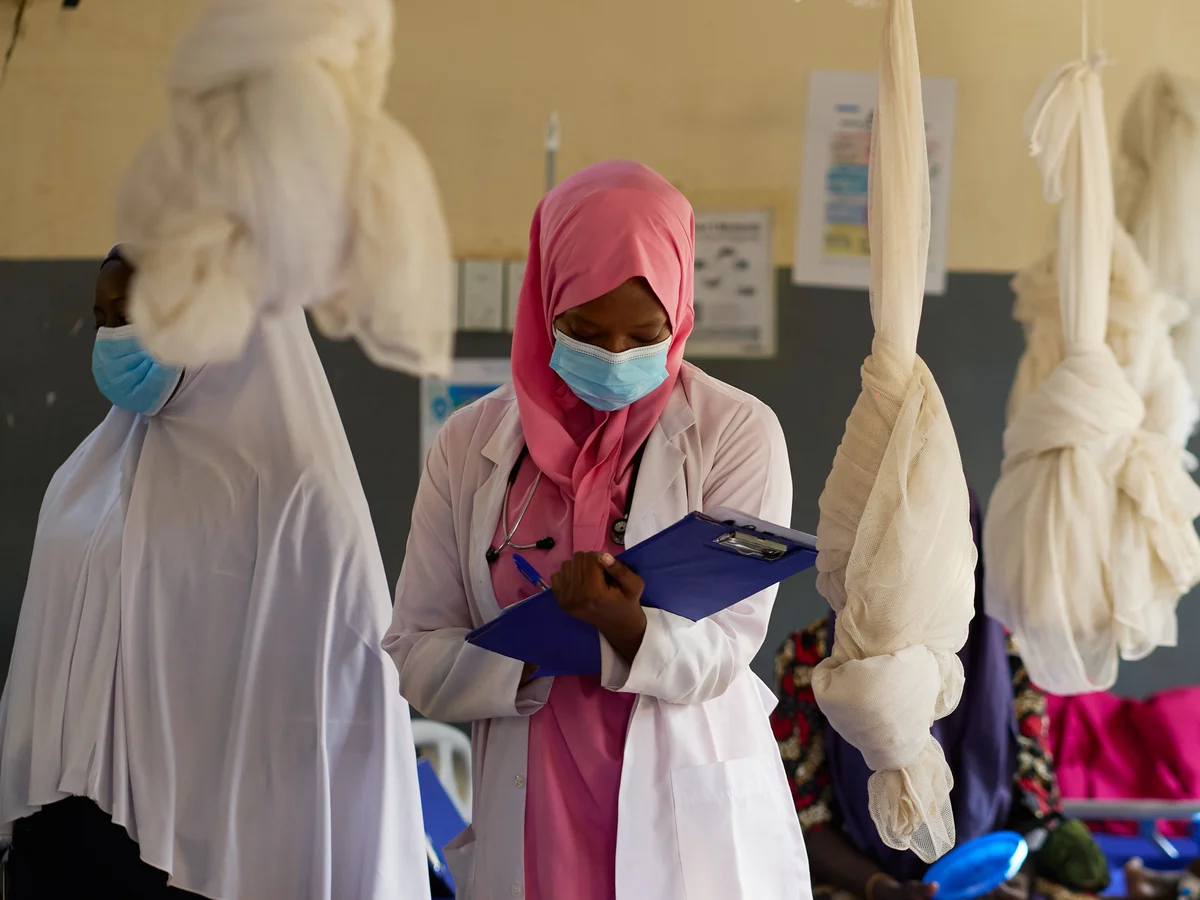
Zuwaira Hanafi stood in frozen shock as four doctors rushed past her into the ward. Her eight-month-old daughter, Hambali, lay inside the facility in a terrifying and deeply semiconscious state. At the entrance to this healthcare centre in Kaita, medical staff worked with urgent speed. They used colour-coded tape to measure the arm diameters of many small, fragile young children. This simple tool helps determine the exact level of malnutrition in these very vulnerable infants. A steady stream of young mothers, some only fifteen, filtered through the crowded hospital doors. Many children, like little Hambali, arrived at the clinic in a truly critical medical condition. These young victims are part of an unprecedented hunger crisis currently gripping the entire nation. The Red Cross warned that thirty-three million Nigerians could face severe hunger throughout this year. This figure represents a record high for the country and demands immediate global humanitarian attention. About six million children are expected to be acutely malnourished by the end of 2026. Most of these suffering children live in the northern regions where resources are extremely scarce.
Dr Soma Bahonan leads the Nigeria mission for the Alliance for International Medical Action team. Her organisation runs the Kaita facility alongside dedicated local officials in the northern Katsina state. She noted that increasing numbers of mothers are now presenting with signs of acute malnourishment. The charity supports mobile clinics to reach families who are unable to travel to Kaita. They even facilitate emergency transport from the surrounding areas for those in the greatest need. However, the organisation faces an almost impossible challenge due to the sheer scale of demand. Katsina state sits at the heart of an intergenerational hunger crisis affecting millions of people. Long-term drivers of food insecurity include frequent climate shocks and very poor regional governance structures. These issues have recently been exacerbated by a sharp rise in attacks by various jihadists. Non-state actors have prevented aid access to many remote communities in the northern border regions. Funding shortfalls for international aid have also left many essential programs without enough basic resources.
Across the entire country, the doctor-to-patient ratio has reached a staggering one to nine thousand. This is far less than the ratio recommended by the World Health Organization for safety. Thousands of skilled Nigerian doctors are currently fleeing abroad to seek much better working conditions. They cite the late payment of their meagre salaries as a primary reason for leaving. Digital health startups have made some small inroads in big cities like Lagos and Abuja. However, these innovations have not reached rural areas due to poor infrastructure and high inflation. Nigeria remains trapped in a complex polycrisis that affects every single level of its society. Senior analyst Joachim MacEbong describes this as a massive economic and cost of living crisis. He notes that security issues and human development failures are also feeding into this disaster. All four of these major factors amplify each other to create a truly desperate situation. Dr Bahonan said the wider situation remains very concerning despite the results seen in Kaita.

In nonprofit circles, strategising has already begun to combat risks during the upcoming lean season. This difficult period typically runs from June to September when food stocks are at lowest. Last year, the government partnered with the World Bank to provide basic nutrition to households. This project, known as Accelerating Nutrition Results in Nigeria, has now entered its second phase. Still, experts insist that far more must be done to increase food affordability for families. Sustained investment in maternal nutrition is also required to protect the health of future generations. A key part of this strategy involves fixing the supply chain for drugs and equipment. Peter Bunor Jr is the cofounder of Field Intelligence, a prominent African health-tech company. He believes that local systems must grapple with the rapid changes happening on a global. For everyday people, this situation translates into travelling long distances only to find empty shelves. Necessary drugs are often unavailable or substituted with expensive alternatives that families cannot afford to buy.
Malnutrition weakens immune systems and increases the demand for treatments at the worst possible time. This compounding effect creates a cycle of illness that the current supply chain cannot support. In 2018, Field Intelligence launched a system to track data for public health initiatives nationwide. Unicef recently joined this digital platform which is now managed by the federal health ministry. Bunor hopes more organisations follow suit so that shortages can be anticipated and properly addressed. Aid workers also hope the health sector receives more attention from the central Nigerian government. The health sector was allocated only five percent of the total national budget for 2025. For years, this spending has remained well below the targets agreed by African Union nations. It represents one of the lowest per capita spends on health across the entire continent. In February, the public was shocked by comments from the health minister, Muhammad Ali Pate. He revealed that only a tiny fraction of the allocated operational budget was actually released. This lack of funding makes it nearly impossible to maintain basic services for the poor.
The minister lamented that only thirty-six million naira was released for headquarters capital project costs. This represents a minuscule percentage of the billions that were originally promised in the budget. Joachim MacEbong noted that this specific figure tells its own very tragic and revealing story. He pointed out that some modern luxury cars are more expensive than this released health fund. This massive gap between policy and reality leaves millions of children like Hambali in danger. Without a significant shift in funding and security, the hunger crisis will only continue growing. The international community must look toward northern Nigeria with a renewed sense of moral urgency. Local medical teams are working tirelessly but they cannot win this battle without more support. Every day, more mothers arrive at the clinics hoping for a miracle for their children. The resilience of the Nigerian people is strong but the current pressure is becoming unbearable. If the supply chains do not improve, the lean season could bring a catastrophe. We must hope that the government acts quickly to release the funds needed for survival.
Related News:
 British skier killed in La Plagne avalanche tragedy
 Mandelson apologises over Epstein ties after public scrutiny
 Friedman Uninvited From 2024 Adelaide Writers’ Week
 Starmer Challenges US Over Controversial Greenland Deal
 Spoof “Make America Go Away” Caps Rally Denmark Over Greenland
 Starmer Resists Matching Trump Amid Greenland Tensions
 Silence and Unity Mark Bondi Terror Attack Memorial
 India-EU Free Trade Deal Marks Historic Economic Shift
 Thousands Protest ICE Operations in Nationwide US Day of Action
 Concerns rise for Canberra boy amid Iran detention fears
 Anthony Albanese Must Uphold Rights for All Australians
 UK suspends study visas for four nations to curb asylum
 New Zealand Covid Response Praised Despite Lingering Scars
 African World Cup Fans Face $15,000 Entry Bond Fee
 Diplomacy on the Brink: Pakistan’s Risky Peace Mission
 Police Seek Immunity in Indigenous Custody Death Case
 Farage Shuns Truss as US Right-Wing Roadshow Hits London
 Trump Slams Europe as Transatlantic Tensions Boil Over
 Spain Faces Backlash Over Xenophobic Chants in Egypt Draw
 Trump Facing Backlash Over Firing of Cabinet Women
 The Price of Hubris: Trump, Netanyahu, and the ‘Easy’ War
 Trump and Tehran Find Common Ground in Landmark Ceasefire
 Own an Entire Australian Town for the Price of a UK Flat
 Cyclone Maila Intensifies to Category Five Strength
 Melania Trump Denies Ties to Epstein and Ghislaine Maxwell
 Reeves Slams Trump Over Iran War Lack Of Exit Plan
 Kyiv and Odesa Mourn After Deadly Wave of Russian Strikes
 Norway’s Telenor Faces Lawsuit Over Myanmar Data Breach
 Strait of Hormuz Status Uncertain Despite Iran’s Claims
 Trump’s Presidency: A House of Cards Collapsing?
 US Forces Seize Iranian Ship Near Hormuz Blockade
 Trump Starts $166bn Tariff Refund Process
 Israeli Soldiers Jailed Over Vandalism of Lebanese Statue
 Investigation: Offshore Loans and Sanctions
 Prominent Voices Challenge Palestine Action Ban
 Cross-Border Crisis Shatters Fragile Afghan Peace
 Tragedy Near Jakarta: Train Collision Leaves 14 Dead
 NSW Police Urged Victim to Abandon Antisemitic Case
 The Burning Lens: An Iranian Artist’s Visual Resistance
 FIFA Confirms Global Ban for Benfica Star Prestianni
 The Global Battle for Control Over the Women’s Game
 Tensions Surge in the Gulf as Ceasefire Wobbles
 One Nation Candidate’s Surprising Ties to Independents
 New South Wales Wetland Rescue Legislation Passes
 US and Mexico Face Heatwave as Floods Batter South Africa
 French Patient Told Hantavirus Was Just Anxiety
 Putin Signals War End as Russian Momentum Stalls
 Romania’s Judicial Crisis: A System Under Siege
 Scepticism and tight security as Beijing braces for Trump
 Philippine Senator Flees After Days Under Senate Siege
 Alberta Separatist Bid Blocked by Canadian Court
 Big Tobacco Under Fire Over Controversial New Ad Campaign
 Court Upholds Landmark Win for Transgender Rights
 Fragile Truce Shattered as Violence Escapes Diplomatic Control
 Secrecy Down Under: Albanese Faces FoI Scandal
 Taliban Codifies Strict New Marriage and Divorce Legislation
 Tony Abbott Returns as New Liberal Party President
 Discontent grows around Putin amid war strain
 Trump Diplomacy Faces Hurdles from Tehran to Tbilisi
 Teaching Machines Right From Wrong in the Digital Age
 Oman Defies US Pressure Over Strategic Strait of Hormuz
 Ex-CIA Agent Accused of $40m Gold Theft and Fake Spy Unit
 Aukus Deal Facing Fierce Backing and Historic Criticism
 Thai Princess Bajrakitiyabha Passes Away at 47
 Tragic Loss of Australian Sprinter Jemma Stapleton
 Firearm Fine for Missing Boy’s Grandmother
 Trump Urged to Condemn UFC Fighter Over Obama Slurs
 US Democratic Crisis Deepens as Trump Limits Mail Voting
 Russian Tanker Captain Remanded in UK Court After Channel Seizure
 US Military Pacific Boat Strike Kills Three People
 US Battles Auction of Titanic Artifacts
 Scouts Introduce Badges For AI And Digital Skills
 France Dominate Sweden as Deschamps’ New Era Takes Shape
 Trump’s Mount Rushmore Speech: A Divisive Anniversary
 Trump Swaps Planes Amid Iran Tensions
 Rotterdam Museum Honours Artist With Peanut Butter Floor
 Bangkok Nightclub Blaze Claims 30 Lives Amid Negligence Probe
 Yemen Accuses Iran of Violating National Sovereignty
 Japan Bear Hunt: Serial Fridge Raider Sparks Panic
 Houthis Strike Saudi Arabia as Middle East Tensions Rise