Published: 13 April 2026. The English Chronicle Desk. The English Chronicle Online.
The British government has taken a definitive stance regarding the escalating tensions within the Middle East. It has formally declined to participate in a naval blockade of the Strait of Hormuz today. This decision comes shortly after President Donald Trump suggested that Western allies would support such actions. The American leader claimed on Sunday that clearing the vital waterway would be a quick task. He suggested that numerous countries were already preparing to assist the United States in this mission. Trump specifically mentioned that the United Kingdom would be sending specialized minesweepers to help the cause. However, sources within Whitehall have clarified that Britain will not join any aggressive blockade efforts. The UK does maintain significant naval assets and advanced anti-drone capabilities within the Gulf region. These resources are primarily intended to ensure the safe passage of commercial vessels through international waters. British officials are concerned that joining a blockade could lead to a dangerous regional escalation. There is a clear distinction between removing sea mines and enforcing a total maritime shutdown. A government spokesperson emphasized the importance of maintaining global trade and protecting the British economy. The cost of living remains a primary concern for the current administration in London today. Britain is currently working with France and other European partners to protect the freedom of navigation. This coalition aims to prevent any party from imposing illegal tolls on international shipping routes.

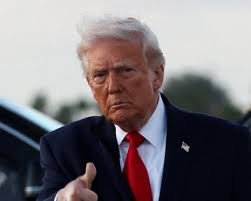
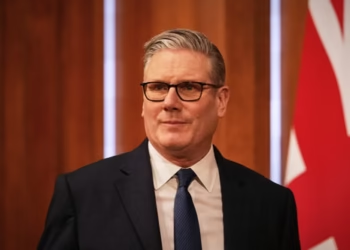
Prime Minister Keir Starmer has been actively discussing viable plans with various global partners recently. These talks involve allies in Europe, the Gulf states, and the United States of America. The objective is to find a credible way to reopen the strait to all traffic. Iran has recently blocked the waterway, causing significant disruption to the global supply of energy. The tension between London and Washington has become increasingly visible over the last few days. Health Secretary Wes Streeting recently described the rhetoric from the White House as being quite provocative. He suggested that the language used by the American president was both incendiary and outrageous. In response, Donald Trump has continued to criticize the perceived lack of British military action. He even went as far as comparing the British Prime Minister to Neville Chamberlain yesterday. Trump told reporters that Starmer was waiting until the conflict ended before sending any equipment. This comparison to historical appeasement has not elicited a direct response from the Prime Minister yet. Starmer has instead focused his efforts on urging both the United States and Iran. He believes that both nations must find a diplomatic path forward despite recent failures. The Prime Minister spoke with the Sultan of Oman to discuss regional stability on Sunday. They both expressed a desire for the current ceasefire to be maintained and respected.
The fragile truce that was announced last Tuesday now faces a very uncertain future indeed. Negotiations in Pakistan between Washington and Tehran ended without a formal agreement early Sunday morning. The American Vice President, JD Vance, stated that Iran refused to halt its nuclear program. This refusal was cited as the primary reason for the collapse of the peace talks. British officials have expressed their deep disappointment regarding the failure to reach a lasting deal. Wes Streeting noted that diplomacy often involves many failures before a final success is achieved. He argued that there is still significant merit in continuing the difficult work of negotiation. The relationship between the United Kingdom and the United States has faced many recent challenges. Streeting acknowledged that the last few months have been particularly difficult for the two allies. He reminded the public that the two nations still share many vital security interests. The UK and the US remain old friends with a shared democratic outlook on life. However, the current British government prefers to judge the American president by his actual actions. They are less focused on the bold statements he often makes on social media platforms. The Chancellor of the Exchequer, Rachel Reeves, also commented on the situation this weekend. She warned that the conflict in Iran would impact British families and local businesses.
The economic consequences of a closed strait are felt deeply by many people in Britain. Reeves explained that her economic approach would be both responsive and responsible during this crisis. She vowed to protect the national interest while navigating a rapidly changing and volatile world. The government is aware that rising energy prices could place further strain on many households. Streeting praised the Prime Minister for showing significant grit and guts during these difficult times. He highlighted Starmer’s refusal to support the initial strikes against targets located within Iran. The Health Secretary suggested that few former leaders would have made such a difficult call. This decision reflects a desire to avoid being drawn into a large-scale regional war. Britain remains committed to a diplomatic solution that ensures the safety of all maritime trade. The focus remains on building a broad international coalition to keep the shipping lanes open. This approach favors multilateral cooperation over the unilateral enforcement of a strict military blockade. The UK will continue to monitor the situation in the Strait of Hormuz very closely. Further updates are expected as the Prime Minister continues his talks with various world leaders. The hope is that a peaceful resolution can still be found through careful diplomacy. For now, the British naval presence will focus on defense and the removal of mines. This strategy aims to reduce the risk of a wider conflict in the Middle East.

The international community is watching these developments with a great deal of concern and anxiety. Any further disruption to the strait could have catastrophic effects on the global economy tonight. The UK remains a key player in the efforts to stabilize this volatile region. While the alliance with the US is vital, London is choosing its own path. This independent stance marks a significant moment in modern British foreign policy and strategy. The government believes that a measured response is the best way to protect citizens. It remains to be seen how Washington will react to this latest British refusal. The dialogue between the two nations will undoubtedly continue behind closed doors this week. Both sides understand that the stakes are incredibly high for the entire world. Protecting the freedom of navigation is a goal that all trading nations share. The challenge lies in achieving this goal without starting a new and costly war. Britain’s emphasis on mine-clearing suggests a preference for technical rather than purely offensive solutions. This reflects a broader strategy of de-escalation that is favored by many European allies. The coming days will be crucial for the future of the Strait of Hormuz. Global markets are reacting to every statement made by leaders in London and Washington. Stability in the region is essential for the continued recovery of the global economy. The British public will be looking for leadership that prioritizes both security and peace. As the situation evolves, the commitment to diplomacy will be tested to its limit. The English Chronicle will continue to provide updates as this complex story develops further. Stay tuned for more detailed analysis on the unfolding situation in the Middle East. Our reporters are working to bring you the latest information from the heart of Whitehall. The path to peace is long, but the UK remains committed to the journey.
Related News:
 George Clooney and Amal Clooney Receive French Citizenship
 Capitol Attack Anniversary Sparks Deep Political Divide
 Saudi Officials Report Zubaidi Flee Before Yemen Peace Talks
 UK Targets in New York Bomb Threat Hoax: Man Jailed
 Gambia Supreme Court Hears Case to Overturn FGM Ban
 Trump targets Iran trade with 25% tariff warning
 Rudd successor: Defence chief and former ministers considered
 US Senate rejects resolution limiting Trump military powers
 Venezuela regime claims release of political prisoners signals new era
 Gulf states warn Trump Iran strikes risk wider Middle East war
 Machado Trump medal gesture reshapes Venezuela power struggle
 Greenland defence seen as shared Nato duty amid troop arrivals
 Geopolitical football: Iran, Trump and the World Cup clash
 Canada-China trade gains momentum in new strategic partnership
 Trump Receives Machado’s Nobel Medal in White House Meeting
 Syria President Declares Victory as Ceasefire Reached with SDF
 US Considers Asylum for British Jews Amid Rising Antisemitism
 Trump slams UK ‘stupidity’ over Chagos Islands, eyes Greenland takeover
 More Than 100 Islamic State Inmates Escape Amid Syrian Clashes
 Trump Tightens Grip on EU and UK Energy Supply
 Shinzo Abe’s killer receives life sentence in Japan
 China General Under Investigation Amid Leadership Purge
 Philippines ferry disaster leaves 15 dead, dozens missing
 Turnbull urges Albanese to confront Trump’s global ‘bully’ politics
 Crisis Looms as Liberals Debate Sussan Ley Future
 Cambridge Faces Scrutiny Over Arms Investment Transparency
 Files Link Andrew to Epstein Dinner After Prison Release
 Epstein UAE Emails Shake British Royal Andrew’s Legacy
 Minnesota Nurse Saves Refugees, Witnesses Tragedy Decades Later
 Christchurch gunman seeks to vacate guilty plea
 Liberal Fallout: Taylor Challenge Casts Shadow Over Sussan Ley’s Leadership
 Infantino Faces Russia Threat and Trump Concerns at Uefa Congress
 Concerns rise for Canberra boy amid Iran detention fears
 Ukraine, Russia Meet in Geneva Ahead of War Anniversary
 Caribbean Leaders Urge Dialogue Amid US Oil Embargo on Cuba
 Anthony Albanese Must Uphold Rights for All Australians
 DHS Probe Into Border Official Sparks National Debate
 Ukraine Sends Drone Experts to Defend US Bases in Jordan
 New Zealand Covid Response Praised Despite Lingering Scars
 Abramovich Chelsea Sale Cash Faces Jersey Probe
 Yvette Cooper: UK Must Follow Principles, Not US Pressure
 US Strike on IRIS Dena Strains Strategic Indian Security Ties
 Slovenia Election: A Nation at a Crossroads
 Jury Rules Meta and YouTube Liable for Addictive Design
 Saudi Arabia Urging US to Keep Up Iran Attacks
 Trump Softens Cuba Oil Stance as Russian Tanker Nears
 Health & Social Affairs | International Development
 The Woman Guarding Earth From the Threat of Asteroids
 IMF Predicts Global Economic Crisis Due to Gulf Unrest
 Spain Shuts Airspace to US Military Over Iran Conflict
 California Defies Trump With Strict New AI Standards
 Germany Grapples With AI Abuse Following TV Star Scandal
 Exiled Tycoon Warns of New Russian Attacks on UK Soil
 Labor Under Fire Over Stalled University Fee Reform
 LA 2028: Millions of Affordable Olympic Tickets Announced
 Trump Slams Europe as Transatlantic Tensions Boil Over
 Inside the Deceptive Machine: A Former Producer Speaks Out
 Italy Faces Third Successive World Cup Absence After Loss
 Turkey End Kosovo Dreams to Secure World Cup Return
 Starmer Urges Ambitious EU Ties Amid Middle East Conflict
 Spain Faces Backlash Over Xenophobic Chants in Egypt Draw
 A Global Voice For Justice: Stephen Lewis Dies At Age 88
 Trump Issues Stark Warning After Strike On Iran’s Largest Bridge
 Macron Urges Stability as Trump Jolts Nato and Iran
 Hope and Fear as Iranians Flee Across the Turkish Border
 Trump Mocks Starmer and UK Carriers in White House Speech
 Tragic End to Outback Search as Floods Claim a Life
 Michigan Battleground: Middle East Crisis Stirs US Senate Race
 Ben Roberts-Smith Arrested Over Alleged War Crimes
 Reform UK Pledges To Halt Visas Over Reparations Demands
 ABC Ends Diversity Memberships to Protect Independence
 Albanese Flies to Singapore to Bolster Fuel Security
 US and Iran Agree to Two-Week Provisional Ceasefire
 Starmer visits Gulf as US and Iran agree ceasefire
 Gaza Child Arrives in UK for Life-Changing Care
 Israel Defies Ceasefire as Lebanon Operations Persist
 Own an Entire Australian Town for the Price of a UK Flat
 Pakistan Brokers Historic Peace Deal Amid Rising Tensions
 Netanyahu Vows Continued Lebanon Strikes Amid Peace Talks
 Australian War Memorial Updates Ben Roberts-Smith Display