Published: 15 August 2025 — The English Chronicle Desk
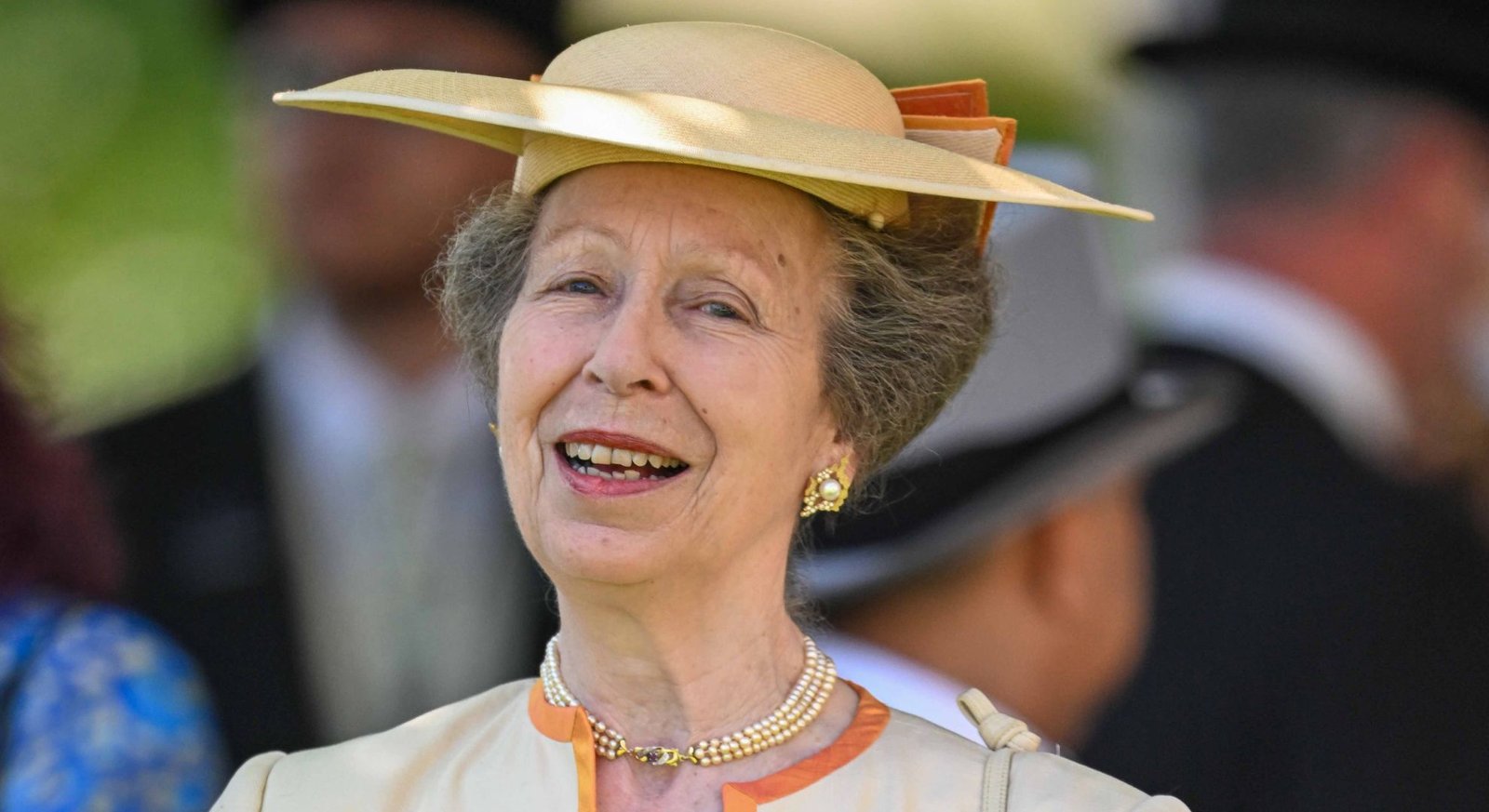
Princess Anne, the Princess Royal, has reached her 75th birthday with the same no-nonsense dedication and understated dignity that has long defined her public life. Known widely as the hardest-working member of the British Royal Family, she continues to approach her role with a directness and efficiency that sets her apart in an era when the monarchy faces both unprecedented challenges and evolving public expectations.
The landmark birthday will not be marked by grand public celebrations or media interviews. True to form, the Princess Royal has chosen a modest approach, allowing the occasion to be commemorated solely by the Royal Mint’s release of a special coin — the first ever to bear her image. This quiet milestone reflects the character of a woman who last year alone undertook 474 public engagements both in the United Kingdom and abroad, even after a brief hiatus necessitated by a concussion sustained in an incident involving a horse on her Gatcombe Park estate.

Royal commentator Jennie Bond describes Anne’s style as “crisp, clean and efficient,” a manner that allows her to manage multiple engagements in different parts of the country in a single day. Bond recalls moments in the Princess’s career when her dedication was perhaps underappreciated, but she believes that in recent years, Anne’s tireless contribution to the monarchy — particularly her unwavering support for her brother, King Charles III — has been more fully recognised.
Born on 15 August 1950 at Clarence House, Anne was third in line to the throne at the time, behind her elder brother Charles. Their shared childhood experiences, shaped by the frequent absences of their parents, Queen Elizabeth II and Prince Philip, during overseas tours, forged a lifelong bond. This closeness was evident during the King’s Coronation, when Charles entrusted her with the ceremonial role of “Gold-Stick-in-Waiting,” a historic position charged with the personal safety of the sovereign.
The Princess Royal’s upbringing, strongly influenced by her parents, also paved the way for her celebrated equestrian career. She became the first British royal to compete in the Olympic Games when she joined the national equestrian team in Montreal in 1976. Friends and observers note that, like her father, she is direct, often brusque, and wary of media attention, preferring to focus on the task at hand rather than personal publicity.
Anne’s life has also been defined by her own family choices. With her husband, Vice Admiral Sir Tim Laurence, she resides near her children, Peter Phillips and Zara Tindall, from her first marriage. Notably, she declined to grant them royal titles at birth, ensuring they would pursue independent careers. Both have since expressed gratitude for that decision, crediting it with giving them freedom and privacy. Zara, like her mother, has achieved Olympic recognition in equestrian sport, while Peter has built a successful business career. Both describe Anne as a warm and involved grandmother, known for her dry wit and playful spirit.
This sense of humour was memorably displayed when her son-in-law, former England rugby player Mike Tindall, split his trousers while dancing on television, revealing underpants emblazoned with the phrase “Nibble my Nuts.” Anne’s quick response — “I’d rather not!” — was quintessentially her: sharp, unflappable, and delivered with perfect timing.
Royal watchers have speculated whether Anne might have been able to play a role in bridging the widening rift between King Charles and his younger son, Prince Harry. Harry, who shares with Anne the experience of being a “spare” in the line of succession, has become estranged from both his father and his elder brother, Prince William. Bond believes that Anne could have offered valuable guidance on how a second-born royal can serve as a vital supporter of the monarch rather than viewing their role as secondary. However, she doubts that such counsel is possible now, given Harry’s stated unwillingness to return to royal duties and Anne’s deep sense of loyalty to the Crown — a quality that might make forgiveness difficult.
Looking ahead, Princess Anne has indicated that retirement is not on her immediate horizon. In a recent visit to South Africa, she said that stepping back “isn’t really an option” for her, and palace sources suggest she intends to remain active until at least the age of 80, perhaps even into her 90s, following the example of her father. One area where she is unlikely to change, however, is her engagement with modern technology. Despite a growing fan base on social media platforms, particularly among younger generations who admire her 1960s and 1970s fashion archive, Anne remains firmly uninterested in cultivating an online presence.

As she enters her 76th year, the Princess Royal stands as a symbol of steadfast dedication in a family and institution navigating the pressures of modernity. She continues to embody the virtues of discretion, discipline, and duty — the same values that have defined her since she first stepped into the public eye. And if her record is any indication, Britain’s hardest-working royal has no intention of slowing down just yet.
Related News:
 A Royal Smile for Twelve: Prince George’s Birthday Photo Delights the Nation
 Royals, Ratings, and Renewals: Harry and Meghan Eye Record Netflix Deal Amid Mixed Reception
 Prince Harry Cleared of Bullying Allegations Amid Charity Dispute Fallout
 Close Friend of Princes William and Harry Faces Delicate Godparent Decision
 Where Is Prince William and Kate Middleton’s New House? Inside the Historic Lodge Set to Become Their ‘Forever Home’
 Princess Kate Revealed as the Ultimate Supportive Parent at Children’s Sporting Events
 Duke and Duchess of Edinburgh to Embark on Key Diplomatic Visits to Papua New Guinea and Japan
 Royal Family Turmoil: Prince Harry’s Moves, Palace Reactions and the Future of the Monarchy
 Boris Johnson Allegedly Plotted ‘Revenge’ on King Charles Over Political Remark
 Meghan Markle’s Netflix Show Faces Uncertain Future After Ratings Drop
 Duchess of Kent Dies at 92, Buckingham Palace Confirms
 Prince Harry Pays Tribute to Queen Elizabeth on Third Anniversary of Her Passing
 Prince Harry Meets King Charles in First Private Encounter in 19 Months
 George and Amal Clooney Celebrate Global Human Rights Champions at Star-Studded Albies
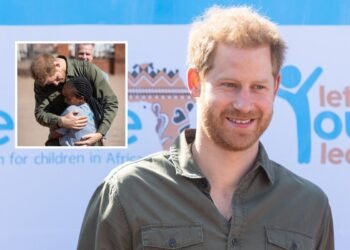 Prince Harry Responds to Charity Commission Criticism Over Sentebale Row
 Sussexes Warn on Children’s Phone Use Echoing Princess of Wales
 Prince Andrew told Epstein “we are in this together”
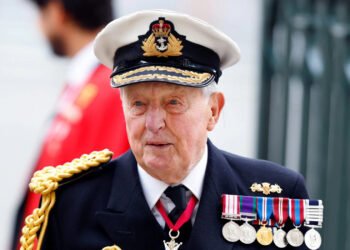 Admiral of the Fleet Sir David Bathurst Dies Aged 89
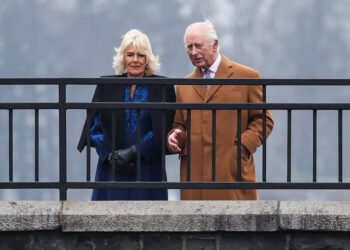 King Charles to pray publicly with pope in historic Vatican visit
Prince Andrew steps aside as royal succession shifts
Prince Andrew under police scrutiny over Giuffre claims
Giuffre’s bombshell memoir names Prince Andrew 88 times in shocking revelations
King Charles to pray publicly with pope in historic Vatican visit
Prince Andrew steps aside as royal succession shifts
Prince Andrew under police scrutiny over Giuffre claims
Giuffre’s bombshell memoir names Prince Andrew 88 times in shocking revelations
 Harry and Meghan join global AI leaders urging superintelligence ban
 William Steps Up Over Prince Andrew Palace Response
 Prince Andrew May Leave Royal Lodge for Frogmore Cottage
 King Charles Heckled Over Prince Andrew-Epstein Links
Prince Andrew Hosted Epstein Days Before Arrest
Prince Andrew Under Pressure as MPs Question Royal Lodge Rent Arrangements
King Charles Heckled Over Prince Andrew-Epstein Links
Prince Andrew Hosted Epstein Days Before Arrest
Prince Andrew Under Pressure as MPs Question Royal Lodge Rent Arrangements
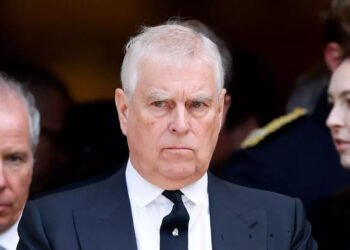 Prince Andrew Stripped of Title: Giuffre Family Hails Historic Moment
 Kate Winslet to Narrate Film Highlighting King’s Environmental Mission
Trump Speaks on Prince Andrew’s Royal Scandal Fallout
Kate Winslet to Narrate Film Highlighting King’s Environmental Mission
Trump Speaks on Prince Andrew’s Royal Scandal Fallout
 Prince of Wales showcases volleyball skills on Brazil visit
 Is Carbis Bay Hotel the Best Stay on North Cornwall’s Coast?
 Prince William Plants Trees with Brazil’s Nature Heroes
 Meghan ‘to return to acting’ after eight-year hiatus
 Oprah enjoys Meghan’s jam on English muffins
 Earl of Yarmouth Faces £1.3m Legal Bill Over Family Estate
 King Charles to Lead Nation in Remembrance Sunday Service
 Second world war veterans honoured as King leads Remembrance Sunday
 The Debate Over Princess Beatrice and Eugenie’s Royal Status Intensifies
 Farage appointee to lead Reform youth accused of anti-British views
Palace to reinstate hyphen in Andrew’s surname
Farage appointee to lead Reform youth accused of anti-British views
Palace to reinstate hyphen in Andrew’s surname
 Princess of Wales Hosts Festive Christmas Service at Abbey
 Thai King Embarks on Historic China Visit After 50 Years
 Andrew Told Epstein ‘I Can’t Take Any More’ Over Media Storm
 Royal Hopes Rest on George and the Next Generation
 Princess Eugenie-Linked Gallery Faces Russia Sanctions Charges
 Princess of Wales Hosts Carol Service Celebrating Love for All
 Princess Anne Takes the Controls in Airbus Flight Simulator
 Princess Beatrice Opens Up About Premature Birth Journey
 107-Year-Old Veteran Credits Whiskey for Longevity
 What Now for the Queen’s Childhood Playhouse After Andrew’s Eviction?
 Catherine urges end to stigma around addiction
 Prince Harry’s Security Faces UK Review