Published: 24 June 2026. The English Chronicle Desk. The English Chronicle Online.
A Vision on the Brink
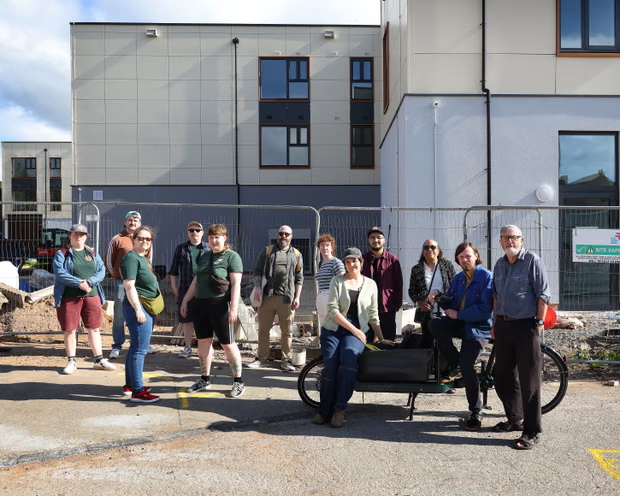
The dream of a pioneering community housing project in Birmingham is facing an imminent and tragic collapse. A bitter dispute over spiralling construction costs has pushed this highly ambitious development straight to the brink. Local residents and independent businesses originally founded the Stirchley Cooperative Development back in the year 2016. They aimed to create thirty-nine affordable homes completely free from traditional landlord control by 2024. The unique project was widely praised as a brilliant national model for democratically managed urban housing. Instead, a deep financial deadlock has left the entire neighborhood initiative in a state of limbo. The true heart of this community-led dream now faces a very uncertain and painful future. Prospective residents initially described the site as a landmark project intended to inspire other British cities. It was hoped the development would give local people greater control over their changing urban environments. This was crucial in the face of rising rents throughout this increasingly sought-after Birmingham area.
The Core Construction Dispute
The major conflict involves GreenSquareAccord, the large housing association that currently owns the development land. Problems intensified significantly when the housing association assumed full construction responsibilities during the year 2024. The previous building contractor went completely bankrupt, causing severe operational delays and immediate budget overruns. Originally, the housing association promised to sell the completed land back to the cooperative group. However, the housing provider recently announced it would no longer transfer ownership to the community. They cited a massive and unexpected funding shortfall of over one million pounds sterling. This sudden corporate decision has sparked intense outrage among the expectant residents and business partners. The community feels betrayed by an organization that relies heavily on public funds for support. They argue that major commitments to community-led housing should be maintained when times get tough. The sudden shift in policy has left years of collaborative planning in complete disarray.
Severe Human Impacts
The ongoing construction delay has caused immense personal hardship for many prospective community scheme residents. John Holmes is an eighty-year-old retired lecturer who eagerly joined this creative urban living scheme. He strongly believes in communal principles and previously dedicated his career to the youth sector. Because of the sudden financial freeze, he is currently homeless and relies on his family. He describes the ongoing situation as deeply frustrating and lacking any clear, predictable path forward. Many other vulnerable families are experiencing similar emotional stress while waiting for a final resolution. Their collective efforts to build something truly meaningful are now completely stuck in permanent limbo. They were trying to make a real difference and develop something beautiful for themselves. Now they are left watching their future home become a subject of corporate legal battles. The human cost of this budget dispute grows larger with every passing week of inaction.
Local Businesses Under Threat
The financial crisis also threatens several beloved independent cooperative businesses located on the ground floor. Sean Farmelo wishes to operate his local bike foundry cooperative business from the new premises. He firmly blames the current crisis on the housing association and its operational project mismanagement. He notes that six vulnerable people are now completely homeless because of these continuous delays. Furthermore, multiple independent local businesses now face a very real and dangerous risk of insolvency. He argues that public organisations must always stand firmly by their original community-led commitments. Instead, local people are being forced to pay heavily for external construction management errors. The constant delays have placed immense financial pressure on enterprises that operate on tight margins. These businesses form the economic backbone of the Stirchley area and need urgent stability. Without a swift resolution, the neighborhood risks losing these vital cooperative institutions entirely.
Economic Struggles of Loaf Bakery
Another vital cooperative facing severe operational hardship is Loaf, a incredibly popular local craft bakery. Co-director Rachel Kershaw described the intense emotional toll of this prolonged and painful construction dispute. She states that the very soul of this unique development has been completely ripped away. The prolonged building delays forced her to reduce the wages of nine loyal staff members. This independent bakery is barely treading water by using temporary pop-up markets to survive. Years of intensive planning and community trust have transformed into deep skepticism and mental exhaustion. The partners feel completely powerless as their hard work slips away without their consent. They have invested their own capital and passion into a project that promised security. Now they are caught in a cycle of rising costs and broken corporate promises. The survival of the bakery depends heavily on gaining access to their promised home.
The Housing Association Responds
In response, the housing association defended its difficult position regarding the rising overall project costs. A spokesperson explained that high interest rates and inflation drove the expenses up very significantly. They stated that absorbing this large shortfall would negatively impact their other social housing tenants. As a non-profit organisation, they are simply trying to cover their basic construction costs. They claim they do not want to make any commercial profit from this land sale. However, this corporate explanation provides very little comfort to the struggling community members involved. The gap between corporate responsibility and community expectation remains incredibly wide and deep here. Activists argue that a social landlord should prioritize community value over pure balance sheets. The housing association insists it remains committed to reaching the right outcome for everyone. Meanwhile, the physical building stands unfinished as a monument to institutional disagreement.
Political Intervention and Support
The escalating dispute has now attracted significant political attention from prominent West Midlands regional leaders. West Midlands Mayor Richard Parker has openly condemned the actions of the housing provider group. He stated that a large provider should never walk away from its clear commitments. He believes small community groups should not carry the heavy consequences of corporate errors. Local Member of Parliament Al Carns has also demanded urgent action from the association. He pledged to do everything humanly possible to return the project to community hands. Their strong political backing gives the desperate residents a small glimmer of hope for survival. Political leaders recognize that community-led housing is vital for the future of the region. They are putting pressure on the housing association to honor its original social obligations. This political weight might force both sides back to the negotiating table soon.
Searching for Financial Solutions
In a bold move to save their dream, residents are exploring creative funding alternatives. They are currently seeking independent loans through non-equity and non-transferable community financial bonds. This fundraising effort aims to bridge the massive funding gap left by the association. The community remains determined to reclaim full ownership of their future neighborhood living space. They refuse to let corporate mismanagement destroy a decade of passionate and collaborative local work. Whether these community bonds can raise enough capital quickly enough remains to be seen. The entire United Kingdom housing sector is watching this crucial Stirchley battle unfold closely. If the community succeeds, it could set a major precedent for grassroots financial resilience. Success would prove that local people do not have to yield to corporate pressure. The determination of the Stirchley residents is inspiring similar groups across the nation.
Implications for UK Housing
This distressing situation highlights the immense challenges facing community-led housing schemes across modern Britain. When large housing associations clash with grassroots initiatives, the smaller partners usually suffer most. Stirchley was supposed to prove that alternative housing models could succeed in expensive British cities. Instead, it serves as a cautionary tale about inflation, contracts, and fragile corporate partnerships. Affordable housing remains a critical issue throughout the United Kingdom and especially within Birmingham. Projects like this are vital for protecting diverse local areas from aggressive urban gentrification. Losing this development would be a massive blow to the broader spirit of cooperation. The government must do more to protect community assets from commercial funding shortfalls. Without better legal safeguards, future community housing projects may never get off the ground. The lessons learned here will undoubtedly shape housing policy for many years.
The Future of Stirchley
Stirchley has slowly transformed into an increasingly sought-after and vibrant area of southwest Birmingham. The community development was designed to protect the neighbourhood from aggressive and exclusionary commercial gentrification. By offering landlord-free properties, it guaranteed long-term economic stability for residents and creative businesses. Now, the local community watches as a beautiful vision risks becoming another corporate asset. The prospective residents refuse to give up their fight for fairness and democratic management. They continue to meet, organize, and advocate fiercely for the future they were promised. Their resilience is a testament to the power of community solidarity in tough times. They believe that housing should serve human needs rather than corporate financial balances. The fight for Stirchley is a fight for the soul of the neighborhood. The final outcome will determine what kind of community Stirchley becomes.
A Call for Compromise
A fair compromise between both parties is urgently required to prevent a total community disaster. The housing association must recognize the immense social value created by this grassroots project. Simultaneously, the community needs transparent access to the actual construction cost data logs. Only through honest dialogue and shared responsibility can this deadlock be broken for good. Six homeless people deserve a permanent place to live after years of patient waiting. Local independent businesses deserve the chance to thrive inside the spaces they helped design. The English Chronicle will continue to monitor this vital neighborhood story as it develops. The hope remains that cooperation will ultimately triumph over financial division in Birmingham. Both sides have a duty to ensure this landmark project does not fail. The future of community housing in the United Kingdom depends on finding a solution.
Related News:
 Reeves Faces Setback as Labour May Miss Homes Target
 Kate Winslet to Narrate Film Highlighting King’s Environmental Mission
 Trump’s UK Ambassador Urges North Sea Drilling to Strengthen US Ties
 UK Bans Fake Numbers: Scammers Lose Their Trick
 Millionaires group urge Reeves to introduce wealth tax to ‘lift kids out of poverty’
 Reeves rejects £1bn plea for NHS redundancy payouts
 PM Condemns Leaks, Vows Loyalty to Ministers and Stability
 Stroke Patient Mistaken for Drunk, Care Delayed
 Inside the Helpline Protecting Missing Children in the UK
 Boots Showstopper Beauty Bundle Outshines Many Advent Calendars This Holiday Season
 PlayStation PS5 Deals Hit Lowest Prices Ahead of Black Friday
 Five-Year-Old Dies After Rare Tonsil Surgery Complication
 Starmer Says Labour’s Economic Plan Needs Years to Deliver
 UK unemployment rises to four-year high of 5.1% before budget
 Wiltshire Police Use Lasso to Catch Rampaging Village Goat
 Coasting Drinks: The Trend Redefining Alcohol Enjoyment This New Year
 Rising Hate Crimes Threaten Safety on UK Public Transport
 Starmer Faces Parliamentary Battles Over UK-EU ‘Reset’ Plan
 Met Police Vetting Failures Let Serial Rapists Remain
 Google Employee Claims Redundancy After Harassment Report
 Fatal Bolton Taxi Crash Claims Three Teens and Driver
 ScottishPower Tops List of Worst UK Energy Suppliers
 Judi Dench Champions Fight to Save London’s Green Spaces
 Crowborough Camp Welcomes First Asylum Seekers
 BBC Funding Crisis: Tim Davie Warns of Jeopardy Ahead
 Storm Chandra floods Somerset, triggers major incident declaration
 Artificial intelligence will cost jobs, admits Liz Kendall
 Older Women Vanish from BBC Screens, Review Confirms Bias
 Mandelson Faces Police Inquiry Over Epstein Leak
 Streeting moves on doctor pay to end strike dispute
 UK reports baby formula toxin poisoning cases across the country
 Morgan McSweeney downfall shocks Labour leadership
 Send spending gap leaves deprived areas behind
 Hidden Crisis: Domestic Abuse Suicide Toll in UK
 UK Unemployment Rate Climbs to 5.2% Peak
 Farage Unveils Reform UK Frontbench Team
 BBC World Cup Presenting Duties Shared Among Trio
 Placenta Accreta Warning as Hunt Urges Action
 Wales Approves Assisted Dying Bill Consent
 CPS Updates Guidance on Honour-Based and Dowry Abuse
 Rolling Hills and Heritage: A Car-Free Break in Leicestershire
 Asylum Seekers to Work After Year-Long Wait
 Inquiry into HMRC child benefit errors launched by NAO
 Rising Costs Force Families to Rethink Days Out
 Scott Mills Sacked by BBC Over Personal Conduct Claims
 Palantir Boss Defends NHS Deal Amid Government Break Clause
 Relationship with Trump may be beyond repair, Starmer warned
 UK Government Poised to Revive Stalled Hillsborough Law
 Home Office Faces Legal Risks Over Asylum Hotel Living
 Crisis in NHS Surgery Scheduling Hits Patients Hard
 Blue Badge Abuse: The Rising Tide of Public Hostility
 Scott Parker Leaves Burnley After Premier League Drop
 Silent Tracks: Rail Line Without Passengers
 RFU Backs Borthwick Despite England’s Poor Six Nations
 Major test for Labour as polls open in Great Britain
 Keir Starmer Struggles to Secure His Grip on Downing Street
 Fear and Betrayal: The Chilling Case of Kouri Richins
 Farage Faces Standards Probe Over Cash Property Purchase
 Closing the Gap: UK Pensions Commission Demands Action
 Sun and Jams: Britain Braces for a Sizzling Bank Holiday
 Russian Electronic Attack Targets UK Defence Chief Jet
 UK Shoppers Face Prolonged Price Rises At Tills
 Tube Strike Brings Capital to a Standstill Over Shift Disputes
 Labour Denies Benefit Tax Hike Amid Mandelson Leak
 Makerfield Voters Demand Real Change as Election Looms
 US Condemns ‘Two-Tier’ UK Policing After Student Murder
 Millions in British Charity Funds Linked to Illegal Settlements
 Ryanair Faces Probe Over Mandatory Family Seating Fees
 Britain’s Crowning Butterfly Takes the Nation by Storm
 Labour MP Revives Blocked Assisted Dying Bill in Commons
 Starmer Set to Announce Exit Plan as Burnham Eyes No 10
 The Hybrid School Revolution Defying the Social Media Ban
 UK Care Crisis: Row Explodes Over New Visa Settlement Rules
 Sainsbury’s Boss Optimistic As Grocery Inflation Eases
 NHS Urges Investigation For Irregular Periods
 US Airman Avoids British Court in Indecent Exposure Case
 Farage Warns Sky News Following Financial Inquiry
 Ann Widdecombe, Formidable Political Figure, Dies at 78
 UK Schools Struggle as Classrooms Top 40C
 Westminster Council Threatens Charing Cross Soup Kitchen