Published: 22 January 2026. The English Chronicle Desk. The English Chronicle Online.
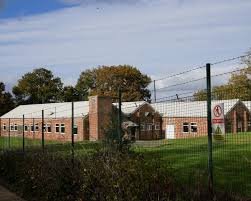
The arrival of asylum seekers at Crowborough has sparked immediate local concern and protests. The Home Office confirmed the first group of 27 men moved into the East Sussex military camp early Thursday, a move that forms part of its broader plan to relocate asylum seekers from hotels into larger, more secure facilities. This “board of peace” approach, aimed at orderly processing, is expected to scale up to 500 residents over the coming months. Officials stress that thorough police and health checks were conducted before arrival, alongside strict sign-in procedures for new residents.
Crowborough is one of two former military camps identified by ministers to accommodate 900 asylum seekers, the other being in Inverness. Using language that reflects her firm stance, Home Secretary Shabana Mahmood said relocating claimants from hotels was essential to relieve pressure on communities. “Illegal migration has been placing immense pressure on local areas,” she said. “Closing asylum hotels and transferring claimants to controlled sites is a necessary step. Crowborough is just the start, and more sites will follow until hotels are returned to their communities.”

Recent Home Office statistics show asylum seekers housed in hotels rose by 13% to 36,273 by the end of September, highlighting the challenge facing authorities. More than 400 hotels were opened under the previous government, costing nearly £9 million daily, though the number has now fallen to just under 200. The East Sussex transfer had originally been planned for December but was postponed to January to ensure safety, avoiding problems like the legionella outbreak aboard the Bibby Stockholm barge.
The new arrivals are believed to be recent arrivals via small boats across the English Channel. Security measures at Crowborough include 24/7 monitoring, CCTV, and controlled access to protect both residents and surrounding communities. The Home Office emphasized that all arrivals completed mandatory health and police checks prior to relocation, ensuring compliance with UK immigration standards.
Locals in Crowborough have repeatedly protested plans to house undocumented male migrants near the town, often gathering in large numbers every weekend. They have also raised nearly £100,000 to fund legal action seeking a judicial review of the scheme. On Wednesday, Wealden District Council revealed that Immigration Minister Alex Norris had confirmed approval for the plan, a decision the council may challenge in court.
Council leader James Partridge voiced strong opposition, saying, “Despite our objections, the minister has disregarded our concerns. We are exploring legal options with our barristers to determine if a successful challenge is possible.” He added that the council had closely monitored the Home Office throughout the process in hopes of identifying any legal loopholes.
Public opinion in East Sussex remains divided. While some residents argue the camps are a humane and structured way to manage asylum seekers, others fear the social and logistical impact on the local community. The board of peace strategy, however, is designed to reduce disruption by centralizing accommodation and providing comprehensive oversight, including health, welfare, and security support for the new arrivals.
Analysts note that this move reflects a national trend in UK policy to replace temporary hotel accommodation with purpose-built or adapted facilities, aiming to improve safety and reduce costs. Mahmood emphasized that closing hotels is crucial to removing perceived incentives for illegal entry into Britain, a point that resonates with her firm approach toward immigration control.
Legal experts predict that any challenges could take months to resolve. If successful, judicial reviews may force the Home Office to adjust relocation plans or reconsider site selection. Meanwhile, advocacy groups continue to monitor conditions at Crowborough and Inverness, ensuring that human rights obligations and safety standards are maintained.

Community groups in Crowborough have committed to ongoing vigilance, with regular meetings to discuss concerns and organize peaceful demonstrations. The Home Office has reiterated its commitment to transparency and to responding to local concerns, ensuring residents are informed about site management and operational procedures. The board of peace initiative reflects a balance between accommodating asylum seekers and addressing community worries, though tensions remain high as the first arrivals settle in.
As authorities prepare for the transfer of additional asylum seekers, the success of Crowborough as a model may influence similar future facilities across the UK. Officials hope lessons learned here will inform improvements in logistics, safety protocols, and community engagement. The East Sussex site represents a testing ground for structured, centralized accommodation, aiming to create a more orderly and secure approach to asylum processing nationwide.
The arrival of asylum seekers at Crowborough highlights the ongoing challenge faced by the UK in managing immigration responsibly, balancing legal obligations with the concerns of local communities. Residents, activists, and officials alike continue to monitor developments closely, while the Home Office emphasizes that the board of peace strategy is central to ensuring fairness, safety, and compliance in handling new arrivals.
Related News:
 Peterborough Mosques Tighten Security After Attack
 Reeves Faces Setback as Labour May Miss Homes Target
 Hospice Cuts Raise Alarm Across England Amid Funding Crisis
 UK Woman Loses Child Benefit After Booking Flight She Never Took
 Kate Winslet to Narrate Film Highlighting King’s Environmental Mission
 Green Party Surges Past Labour in Latest UK Poll
 Trump’s UK Ambassador Urges North Sea Drilling to Strengthen US Ties
 Children to Learn Local History in Major Curriculum Overhaul
 Granit Xhaka Rescue Earns Everton Draw at Sunderland
 French Taxi Driver Cleared in David Lammy Theft Case After Fare Dispute
 The Lowry Hotel: Manchester’s Iconic Five-Star Retreat
 UK Bans Fake Numbers: Scammers Lose Their Trick
 Prince William Plants Trees with Brazil’s Nature Heroes
 M&S Profits More Than Halve After Cyber-Attack
 Just Stop Oil Protesters Convicted Amid Climate Defence Row
 Kent village told to remove flags before Christmas lights go up
 Tony Blair think tank warns Rachel Reeves must cut taxes if manifesto broken
 Patients to Test Health at Home to Ease NHS Winter Pressure
 Bellingham has ‘the edge’ among England No 10s
 King Charles to Lead Nation in Remembrance Sunday Service
 How to get help when a child goes missing – call 999 urgently
 Palace May Restore Hyphen to Andrew Mountbatten-Windsor’s Name
 Millionaires group urge Reeves to introduce wealth tax to ‘lift kids out of poverty’
 Starmer Faces Growing Dissent as Labour MPs Weigh Leadership Challenge
 Shouting Works Best to Deter Gulls, UK Study Finds
 Mary Earps’s Manchester United Return Faces Mixed Reception
 Reeves rejects £1bn plea for NHS redundancy payouts
 Northern Lights may illuminate UK skies this week
 PM Condemns Leaks, Vows Loyalty to Ministers and Stability
 Son Reveals UK Couple in Iran Resort to Hunger Strike for Help
 Major Rent Reform Ends No-Fault Evictions in England
 Peers Flood Assisted Dying Bill with 942 Amendments
 Former Lion Heskey Warns of Shortage of England Strikers
 Global markets drop amid tech sell-off and China slowdown
 Criminal Gangs Pose as Truckers to Hijack UK Supply Chains
 Mum Calls for New Licence Rules After Teen Road Death
 Stroke Patient Mistaken for Drunk, Care Delayed
 Mother Watches in Horror as Teen Daughter Dies on Tracks
 Van Dwellers Face Eviction After Park Misuse Sparks Outcry
 ‘Traumatic Wait’: Northern Ireland Women Face Breast Cancer Delays
 Serial Rapist and Former Cop Found Guilty Again
 Royal Navy Shadows Russian Warships Entering the Channel
 Coffins Now Too Large to Cremate Amid Rising Obesity Crisis
 Inside the Helpline Protecting Missing Children in the UK
 Most Tories Expect to Support a Farage-Led Government
 Boots Showstopper Beauty Bundle Outshines Many Advent Calendars This Holiday Season
 Bill Murray Terrified Wes Anderson but Became His Closest Collaborator
 Labour’s ‘blinkered’ drive to build risks pushing wildlife to point of no return, nature experts warn
 Labour MP claims devolution bill is ‘blatant discrimination’ against Cornwall
 PlayStation PS5 Deals Hit Lowest Prices Ahead of Black Friday
 Karen Carney Stuns on Blackpool Week, Deserves Strictly Final
 Millions Face Higher Taxes Under Reeves New Budget
 Five-Year-Old Dies After Rare Tonsil Surgery Complication
 Fibromyalgia Patients Struggle as NHS Fails to Provide Care
 Search underway for British man overboard off Tenerife
 Starmer Says Labour’s Economic Plan Needs Years to Deliver
 Virgin Media Fined £23.8m Over Telecare Safety Failures
 More Patients Now Contacting GPs Online, Data Shows
 Rising Water Bills Lift Troubled Thames Back to Profit
 UK unemployment rises to four-year high of 5.1% before budget
 Culture secretary to review Telegraph takeover by Daily Mail owner
 Wiltshire Police Use Lasso to Catch Rampaging Village Goat
 Prince George Helps Father at London Homelessness Charity
 Children to Receive Home Vaccines as England Acts
 Protest Rights Under Threat Across England and Wales
 Cambridge College Faces Backlash Over Private School Recruitment
 NHS Violence Crisis: Staff Face Daily Assaults
 Celebrity Campaign Highlights SMA Screening Failures
 Bereaved Fathers Gain New Paternity Leave Rights in UK
 Storm Goretti leaves Cornwall homes without power
 Plans to Limit Jury Trials Face Retreat After Mounting Opposition
 New Documentary Examines Teen’s Zombie Knife Murder
 Amazon Milton Keynes closure sparks concern for UK warehouse workforce
 Woman Jailed for Life After Killing E-Bike Rider in Tragic Mistaken Identity Case
 Right Must Unite After Jenrick Defection, Urges Rees-Mogg
 UK Ministers Drop Foreign Student Targets for Global Education Push
MPs warn AI financial risks threaten UK stability
UK Ministers Drop Foreign Student Targets for Global Education Push
MPs warn AI financial risks threaten UK stability
 No Gas Boiler Ban as UK Warm Homes Plan Backs Heat Pumps
 UK Glaucoma Rise Signals Looming Eye Health Crisis by 2060
 Shinzo Abe’s killer receives life sentence in Japan