Published: 16 October 2025. The English Chronicle Desk. The English Chronicle Online.
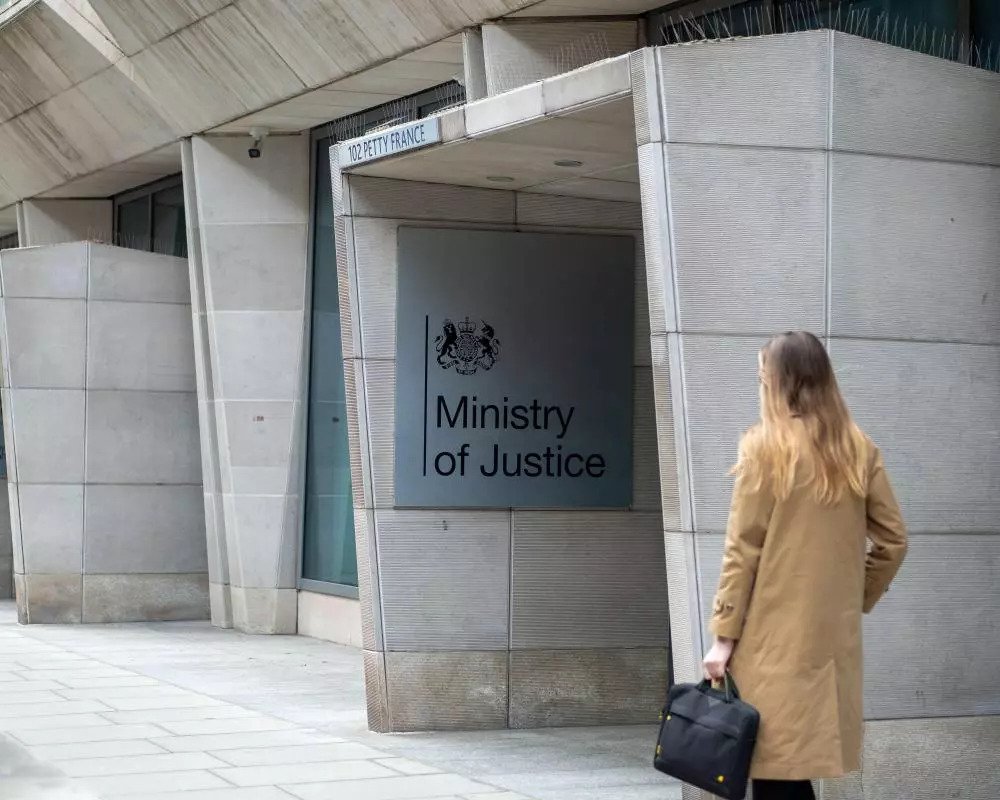
The Ministry of Justice, responsible for overseeing a £13 billion annual budget covering prisons, probation, and courts across England and Wales, has failed to file spending receipts totalling nearly £11 billion, according to a report by public spending analyst firm Tussell. The department has fallen more than two years behind in publishing receipts for multimillion-pound contracts, raising concerns about transparency and accountability over public funds.
Tussell highlighted that the last receipts were filed in May 2023, despite industry standards allowing a two-month leeway for publication. “This gap in publication is deeply concerning and highlights that the government is failing to meet its own transparency standards,” a Tussell spokesperson said. “Such delays undermine visibility over public spending at a time when accountability and scrutiny are more critical than ever.”

Between June 2022 and May 2023—the most recent 12-month period with published receipts—the Ministry of Justice reported spending of £5 billion. Tussell calculated the missing £10.8 billion by extrapolating from this figure over the 26 months during which receipts were not filed. This calculation covers all MoJ arm’s length bodies, excluding the family court advisers Cafcass and the Legal Services Board, which remain up to date in their reporting.
Tom Brake, director of the transparency group Unlock Democracy, condemned the delays, warning that prompt publication of government spending is essential to detect and prevent misuse of public resources. “With government finances painfully tight, spending receipts must be published promptly,” he said. “Delaying their publication damages the government’s ability to control its expenditure.”
Government-wide data indicates the Ministry of Justice is the worst-performing department when it comes to missing spending data. The Department for Energy Security and Net Zero is 13 months behind, with unreported spending estimated at £3.7 billion, while the Department for Science, Innovation and Technology lags by 10 months, with approximately £880 million unaccounted for.
Despite the reporting delays, the Ministry of Justice has received a 1.8% real-term increase in funding as announced in the chancellor’s recent spending review. Day-to-day MoJ expenditure is projected to reach £13.2 billion by 2028-29, while capital spending will rise to £2.3 billion annually for 2026-27 and 2028-29 before returning to £2 billion in 2029-30. These funds support the government’s plan to create 14,000 additional prison places by 2031, with approximately 2,500 new places already built since July 2024.
The Institute for Fiscal Studies noted in February that MoJ spending was sharply reduced during the early 2010s, with capital funding for HM Courts and Tribunals Service and HM Prison and Probation Service cut by more than 90%. The recent funding increases aim to reverse some of this underinvestment while modernising the justice infrastructure.
A Ministry of Justice spokesperson defended the department’s accounting practices, stating that all spending has been properly recorded. “We need to review a substantial amount of data to ensure we do not release anything that could cause any risk, particularly to individuals,” the spokesperson said. “All departmental spend is accounted for in our annual accounts, and it’s misleading to suggest otherwise.”
The failure to file receipts on time highlights the continuing challenges of transparency within large government departments. Analysts warn that delayed reporting limits public scrutiny and may reduce confidence in the effective use of taxpayer money. Given the scale of the MoJ’s budget and the critical services it oversees, timely publication of spending data is essential for both parliamentary oversight and public accountability.

As the department continues to expand investment in prisons and courts, the gap in published spending data serves as a reminder of the importance of adhering to transparency standards. Stakeholders, including transparency advocates and fiscal watchdogs, continue to monitor the situation, urging the government to ensure that all expenditures are properly documented and made publicly available promptly.
The case also underscores wider issues of public finance management across Whitehall, where several departments face delays in publishing spending data. Transparency organisations say these delays complicate efforts to hold departments accountable and hinder meaningful oversight of public funds, particularly in areas with large and complex budgets.
The Ministry of Justice’s substantial annual budget covers a broad range of responsibilities, including maintaining secure prison facilities, supervising probation services, and operating the court system. Effective management of this budget is critical for the delivery of justice services and the protection of public resources. Observers say that bridging the current reporting gap will not only improve accountability but also strengthen public confidence in the management of taxpayer funds.
Related News:
 Labour Members Push for Wealth Tax as Public Finance Crisis Deepens
 Rachel Reeves Hosts Top UK and US Financial Executives as Trump’s State Visit Begins
 Resolution Foundation Chief Urges Chancellor Reeves to Rethink Budget Before November
 Farage’s Reform UK Receives £100,000 from Design Firm with Past Tax Issues
 Rachel Reeves Faces Criticism Over Appearance at Gambling Industry Event Amid Tax Review
 Gatwick Secures Approval for £2.2bn Second Runway Expansion
 Kemi Badenoch Unveils ‘Golden Rule’ to Halve Spending Cuts for Deficit Reduction at Tory Conference
 Rachel Reeves urged to consider welfare cuts to boost fiscal credibility
 Rachel Reeves to lead UK trade push in Saudi Arabia amid rights debate
 Rachel Reeves Eyes 20% Tax on Assets for UK Departures
Thinktanks Urge Rachel Reeves to Reform UK Tax System
MPs Press Rachel Reeves to Hike Gambling Taxes
Rachel Reeves Eyes 20% Tax on Assets for UK Departures
Thinktanks Urge Rachel Reeves to Reform UK Tax System
MPs Press Rachel Reeves to Hike Gambling Taxes
 Labour Urged to Honour Tax Pledges Ahead of Budget
 Millionaires group urge Reeves to introduce wealth tax to ‘lift kids out of poverty’
 Government righting decades-old injustice for miners
 UK Must Act with Courage and Clarity on Israel-Palestine Conflict, Says Foreign Affairs Committee Report
 Chancellor Faces Mounting Pressure Amid “Impossible Trilemma” Over Tax Rises
 Radioactive Leak at UK’s Nuclear Warhead Base Sparks Outcry Over Safety and Secrecy
 Mass Arrests in London as Protest Defies Ban on Palestine Action
 Mutual Inconvenience: Why Alaska Was Chosen for the Trump-Putin Summit on Ukraine
 UK Government Expands ‘Deport Now, Appeal Later’ Policy to 23 Countries
 Farage Accuses PM of ‘Democratic Disparity’ in House of Lords Representation
 Chancellor Rachel Reeves Pushes for Sweeping Changes to Environmental Protections to Accelerate Development
 Larger Families Could Gain Thousands if Labour Ends Two-Child Benefit Cap
 Inflation Latest: Cost of Living Expected to Rise Again in Key Figures Released Today
 Is the UK Ready to Put Boots on the Ground in Ukraine? Assessing Military Capacity and Challenges
 Palestine Action Ban Protesters Plan Tactic to Overwhelm Police at Next London Demonstration
 Police Scotland Spends £500,000 Compensating Officers Over Trump Visit
 Britain’s Migration Challenge: Rising Asylum Numbers and Hotel Pressures
 Elon Musk Sparks New Controversy by Backing Tommy Robinson Amid Farage Feud
 Urgent Action Needed on Windrush Compensation as Survivors Speak of “Waiting to Die”
 Retail Sales See Uptick Amid Errors and Delays as ONS Faces Scrutiny
Shein UK Faces Allegations of Shifting Majority of Profits to Singapore to Reduce UK Tax
Retail Sales See Uptick Amid Errors and Delays as ONS Faces Scrutiny
Shein UK Faces Allegations of Shifting Majority of Profits to Singapore to Reduce UK Tax
 Tanni Grey-Thompson Faces Abuse Over Opposition to Assisted Dying Bill
 UK Retail Sales Rise in August, but Tax Concerns Loom Over Festive Period
 TfL Invites RMT to Resume Talks as London Tube Strikes End
 UK Rejoining EU ‘Unlikely in My Lifetime,’ Says Starmer’s Europe Reset Negotiator
 ‘Unite the Kingdom’ Rally Sparks Fears of Far-Right Normalisation Among Minority Britons
 UK Labour Market Shows Signs of Cooling as Wage Growth Slows and Redundancies Rise
 Thousands Gather in London to Protest Donald Trump’s Second UK State Visit
 Zarah Sultana Seeks Legal Action After Bitter Clash with Jeremy Corbyn Over Party Membership Funds
 Nigel Farage Unveils Controversial Immigration and Welfare Plans at Reform UK Press Conference
 Top Andy Burnham Ally Launches Fierce Critique of Starmer Ahead of Labour Conference
 Mahmood Pledges Reform of Modern Slavery Laws After Court Blocks Deportation Appeal
 Ed Miliband Warns UK Government on X, Citing Elon Musk as a “Dangerous Influence”
 Ed Miliband Urges Labour to Confront Billionaire-Backed Opposition to Net Zero Goals
 A Third of EU Citizens in UK Report Discrimination by Public Bodies Post-Brexit
 Senior Tories Condemn Badenoch’s Vow to Repeal Climate Change Act as Catastrophic
 Digital ID Plans Ignite Debate Over £600m Treasury Tax Boost and Privacy Concerns
 Public Trust in SNP Hits Historic Low Amid NHS Concerns
 Yvette Cooper Backs Digital ID Plan for UK Teens
 Johnson Suggests Mandelson Linked to China Spy Controversy
 UK border officers deployed to Balkans to tackle migrant smuggling
Rachel Reeves signals welfare reform ahead of key budget
UK border officers deployed to Balkans to tackle migrant smuggling
Rachel Reeves signals welfare reform ahead of key budget
 Starmer pledges to claw back Baroness Michelle Mone’s Covid contract millions
 Reform UK candidate fined £19,000 after using AI-generated cases to challenge election
 The debate over England’s compulsory reading test for 13-year-olds
 Kosovo agrees to host Britain’s refused asylum seekers
 William Steps Up Over Prince Andrew Palace Response
 UK Health Leaders Push for Urgent Tobacco & Vape Bill
 How the Royal Navy Can’t Stop the Channel Boats
 British Woman in Iran ‘Losing Hope’ Amid Ongoing Detention
 Johnson Approved China’s London ‘Super-Embassy’ in 2018
 Green Party Surges Past Labour in Latest UK Poll
 Celebrities and Charities Demand UK Government Act on Child Poverty
 Zarah Sultana Launches Party to Change Politics
 FBI Director Kash Patel Defends Girlfriend Amid Government Jet Claims
 Tony Blair think tank warns Rachel Reeves must cut taxes if manifesto broken
 ‘Reckless’ cuts to victims’ services will cost more than they save
 Starmer Faces Growing Dissent as Labour MPs Weigh Leadership Challenge
 Politics latest: Starmer ‘will fight any leadership coup’ as Streeting denies attempt to oust Labour PM
 Pressure Mounts on Starmer to Sack Chief of Staff Over Briefing Row
 Peers Flood Assisted Dying Bill with 942 Amendments
 England’s Special Needs Support Faces Breaking Point
 MoD warned over Excel risks before Afghan data breach
 Global markets drop amid tech sell-off and China slowdown
 Most Tories Expect to Support a Farage-Led Government
 Labour MP claims devolution bill is ‘blatant discrimination’ against Cornwall
 Millions Face Higher Taxes Under Reeves New Budget
 Rising Water Bills Lift Troubled Thames Back to Profit