Published: 09 December 2025. The English Chronicle Desk. The English Chronicle Online.
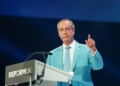
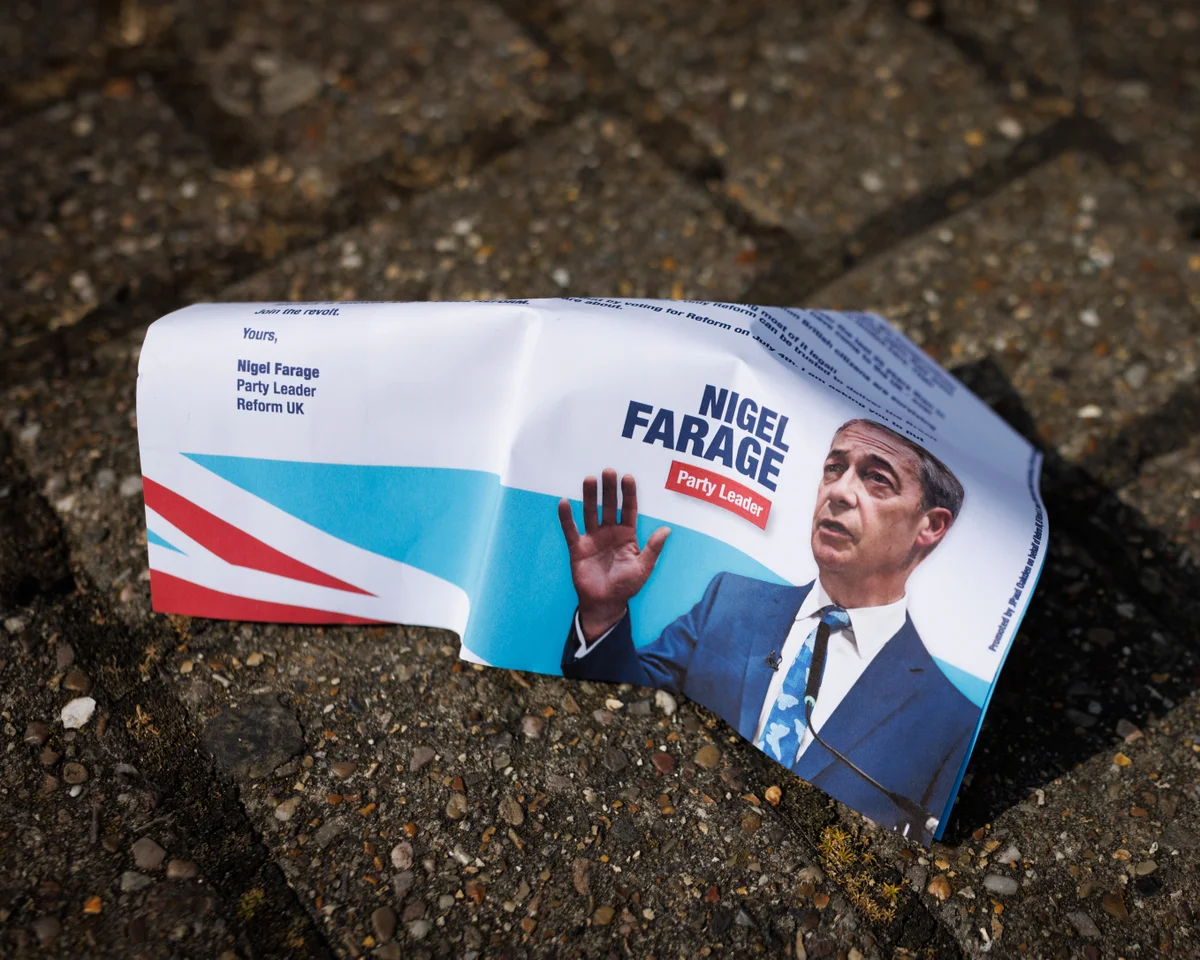
The contest for the Clacton seat continues to stir political debate many months after Nigel Farage secured his return to Westminster. The campaign that brought him victory remains under close examination, following allegations that Reform UK significantly exceeded its spending limit. The rivals he defeated, both Conservative and Labour, recall a race that felt overwhelming from the earliest days, marked by a tidal wave of publicity, volunteers and resources that shaped the final outcome and left many questions about campaign conduct. Their reflections now sit against the backdrop of an unfolding police assessment that could yet become a wider electoral controversy.
Essex Police confirmed they are assessing a report that claims Reform UK misreported its spending during the Clacton campaign. These allegations emerged after Richard Everett, a former Reform UK councillor who worked directly on Farage’s team, submitted documents suggesting the party spent far beyond the legally permitted £20,660 limit. His claims include the nondisclosure of costs linked to leaflets, banners, utility payments and the refurbishment of a bar in the party’s campaign office. He said the official return reported expenses coming in just £400 under the legal threshold, a figure he does not believe reflects the full picture. Everett also stated that he thought Farage himself might have been unaware of the details, adding another layer of political and personal complexity to the matter.

Giles Watling, the Conservative incumbent who lost the seat after previously holding it, described the scale of Reform’s operation as extraordinary. He said the campaign felt almost unstoppable and suggested that Farage achieved far greater visibility for his spending than seemed possible in a typical contest. Watling mentioned the presence of volunteers arriving from across the country, creating a constant movement that shaped voter perceptions. He added that his own efforts suffered from limited support from Conservative headquarters, leaving him to face an opponent whose presence seemed to fill the constituency even when Farage himself was travelling widely. Watling reflected on how rallies created the impression of relentless momentum, despite Farage spending many days in the United States during the crucial campaign period.
He described encountering what felt like endless waves of Reform leaflets circulating across the constituency, often outnumbering material from other parties at three or four to one. He recalled moments when Labour supporters arrived at his own events to offer help, a sign of the unusual local dynamics and shared concern about the scale of Reform’s presence. Watling recognised Farage’s strong communication style, explaining that his skill in addressing large crowds contributed to the powerful energy behind the campaign. However, he also expressed concern about what Reform’s rapid rise might mean for the direction of British politics and for the tone of future elections.
Jovan Owusu-Nepaul, the Labour candidate, also felt overshadowed throughout the race. He said the campaign became dominated by the visibility and intensity of Reform’s messaging. He spoke about the constant flow of leaflets, vehicle-mounted banners and organised displays that appeared throughout the constituency. For him, the issue is not only about spending but also about fairness and trust in the democratic system. He said that a contest must respect agreed standards, and that the apparent imbalance in resources made it harder for other candidates to present their case to voters. He argued that democracy requires clear boundaries and honest reporting, because the public deserves a level playing field.
Another significant voice in the debate is Tony Mack, originally selected as the Reform candidate before leaving the party to stand as an independent. Mack said he believed Reform spent more than was declared and described a campaign that had almost no local structure until Farage entered the race. He recalled seeing new furnishings, a refurbished headquarters and high-profile advertising campaigns appearing in rapid succession. He mentioned full-page adverts in the Clacton Gazette and large billboards that seemed difficult to reconcile with the stated spending figures. Mack said his concerns extend beyond political rivalry, focusing on whether established rules were followed and whether voters were presented with a fair and transparent process.
The growing police interest in the case intensifies pressure on both Reform UK and Farage. It also arrives at a moment when the party is facing separate controversy following allegations of racist behaviour by former classmates of Farage from his time at Dulwich College. Several individuals have described incidents that have intensified public debate about his leadership and the values associated with the party. Reform UK has denied the election spending allegations in strong terms, stating that the claims come from a disgruntled former councillor and insisting the party acted lawfully throughout the campaign. A spokesperson said they expect to clear their name once the assessment concludes.
Political opponents remain focused on the integrity of the democratic process. Labour chair Anna Turley said Farage must reassure the public by cooperating fully with investigators and providing all necessary evidence. She emphasised that electoral fraud carries serious consequences because it undermines the foundations of public trust. Her comments reflect a broader sentiment within both Labour and Conservative circles that campaign spending rules are central to fair elections and that any breach threatens the balance required for a functioning democratic system. Conservative figures have echoed similar concerns, noting that clarity and transparency are essential for public confidence.
The Clacton race was always expected to be a fierce contest, but the scale of Reform’s victory and the subsequent allegations have extended its impact far beyond the final count. Farage’s return to Parliament altered the dynamics of opposition politics and created a new force challenging the established parties. His supporters saw the campaign as a model of energy and determination, driven by charisma and national recognition. His critics saw a campaign that pushed the boundaries of what is acceptable, powered by attention-grabbing tactics and vast publicity.
Residents of Clacton continue to debate the significance of the campaign. Some believe Farage delivered a message that resonated deeply with local voters frustrated by years of political change. Others question whether the campaign relied too heavily on spectacle, overshadowing detailed policy discussion. As police assess the evidence presented, the outcome may determine whether further investigation is needed, and the result could influence future electoral conduct across the country.

Whatever the eventual conclusion, the Clacton contest remains a powerful example of how modern campaigns blend personality, messaging, digital reach and on-the-ground organisation. It also highlights the importance of maintaining clear legal frameworks, especially when political momentum appears unstoppable. Candidates who faced Farage described a race where competition felt uneven and where resources shaped public perception in unprecedented ways. Their accounts speak to a broader national conversation about the direction of electoral politics, the impact of personality-driven campaigns and the critical need for transparency.
As scrutiny continues, Clacton stands as a reminder that every contest, even one fought in a coastal constituency far from the centres of power, can hold lasting implications for the country’s democratic landscape. The voices of those who fought the race offer a window into the pressures and challenges that define modern campaigning. Their perspectives underline how crucial it is for elections to be conducted with integrity, openness and respect for the rules that safeguard public trust. The final judgment is yet to come, but the debate has already shaped a wider reflection on how political battles should be fought and how future campaigns will be measured.
Related News:
 UK Must Act with Courage and Clarity on Israel-Palestine Conflict, Says Foreign Affairs Committee Report
 Tasers Introduced in UK Prisons to Combat Rising Violence and Protect Staff
 Wethersfield Controversy Deepens as Asylum Seeker Numbers Set to Surge by 50%
 Chancellor Faces Mounting Pressure Amid “Impossible Trilemma” Over Tax Rises
 Radioactive Leak at UK’s Nuclear Warhead Base Sparks Outcry Over Safety and Secrecy
 Mass Arrests in London as Protest Defies Ban on Palestine Action
 Mutual Inconvenience: Why Alaska Was Chosen for the Trump-Putin Summit on Ukraine
 Russell T Davies Warns of Declining UK Gay Rights Amid Rise of Reform UK and Trump Influence
 UK Government Expands ‘Deport Now, Appeal Later’ Policy to 23 Countries
 Farage Accuses PM of ‘Democratic Disparity’ in House of Lords Representation
 Chancellor Rachel Reeves Pushes for Sweeping Changes to Environmental Protections to Accelerate Development
 Larger Families Could Gain Thousands if Labour Ends Two-Child Benefit Cap
 Is the UK Ready to Put Boots on the Ground in Ukraine? Assessing Military Capacity and Challenges
 Ory Councils Urged to Challenge Asylum Hotels After Epping Ruling
 Palestine Action Ban Protesters Plan Tactic to Overwhelm Police at Next London Demonstration
 Police Scotland Spends £500,000 Compensating Officers Over Trump Visit
 Britain’s Migration Challenge: Rising Asylum Numbers and Hotel Pressures
 Elon Musk Sparks New Controversy by Backing Tommy Robinson Amid Farage Feud
 Urgent Action Needed on Windrush Compensation as Survivors Speak of “Waiting to Die”
 Tanni Grey-Thompson Faces Abuse Over Opposition to Assisted Dying Bill
 Protests Expected as Israeli Arms Firms Join Global Defence Trade Fair in London
 TfL Invites RMT to Resume Talks as London Tube Strikes End
 UK Rejoining EU ‘Unlikely in My Lifetime,’ Says Starmer’s Europe Reset Negotiator
 ‘Unite the Kingdom’ Rally Sparks Fears of Far-Right Normalisation Among Minority Britons
 France Proposes Ceiling on UK Role in €150bn EU Defence Fund
 Thousands Gather in London to Protest Donald Trump’s Second UK State Visit
 Zarah Sultana Seeks Legal Action After Bitter Clash with Jeremy Corbyn Over Party Membership Funds
 Nigel Farage Unveils Controversial Immigration and Welfare Plans at Reform UK Press Conference
 Top Andy Burnham Ally Launches Fierce Critique of Starmer Ahead of Labour Conference
 Mahmood Pledges Reform of Modern Slavery Laws After Court Blocks Deportation Appeal
 It Changed My View’: Campaign Encourages Pupils in Deprived Areas to Consider University
 UK Fighter Jet Purchase Could Breach Nuclear Treaty, Warns CND
 Ed Miliband Warns UK Government on X, Citing Elon Musk as a “Dangerous Influence”
 Ed Miliband Urges Labour to Confront Billionaire-Backed Opposition to Net Zero Goals
 A Third of EU Citizens in UK Report Discrimination by Public Bodies Post-Brexit
 Senior Tories Condemn Badenoch’s Vow to Repeal Climate Change Act as Catastrophic
 Home Secretary condemns Gaza protests after Manchester synagogue attack as “un-British”
 Digital ID Plans Ignite Debate Over £600m Treasury Tax Boost and Privacy Concerns
 Robert Jenrick Reiterates Controversial Comments on Birmingham’s Integration as Backlash Grows
 Kemi Badenoch Unveils ‘Golden Rule’ to Halve Spending Cuts for Deficit Reduction at Tory Conference
 Public Trust in SNP Hits Historic Low Amid NHS Concerns
 Yvette Cooper Backs Digital ID Plan for UK Teens
 Johnson Suggests Mandelson Linked to China Spy Controversy
 UK border officers deployed to Balkans to tackle migrant smuggling
 Ministry of Justice fails to file £11bn in spending receipts
 UK MPs warn of repeat riots over online misinformation
 Rachel Reeves signals welfare reform ahead of key budget
 Reform UK candidate fined £19,000 after using AI-generated cases to challenge election
 The debate over England’s compulsory reading test for 13-year-olds
 William Steps Up Over Prince Andrew Palace Response
 UK Health Leaders Push for Urgent Tobacco & Vape Bill
 Army Barracks to House Migrants as Hotels Phase Out
 Johnson Approved China’s London ‘Super-Embassy’ in 2018
 Green Party Surges Past Labour in Latest UK Poll
 Celebrities and Charities Demand UK Government Act on Child Poverty
 Zarah Sultana Launches Party to Change Politics
 Trump’s UK Ambassador Urges North Sea Drilling to Strengthen US Ties
 FBI Director Kash Patel Defends Girlfriend Amid Government Jet Claims
 French Taxi Driver Cleared in David Lammy Theft Case After Fare Dispute
 ‘Reckless’ cuts to victims’ services will cost more than they save
 Millionaires group urge Reeves to introduce wealth tax to ‘lift kids out of poverty’
 Starmer Faces Growing Dissent as Labour MPs Weigh Leadership Challenge
 Reeves rejects £1bn plea for NHS redundancy payouts
 Politics latest: Starmer ‘will fight any leadership coup’ as Streeting denies attempt to oust Labour PM
 PM Condemns Leaks, Vows Loyalty to Ministers and Stability
 Pressure Mounts on Starmer to Sack Chief of Staff Over Briefing Row
 Major Rent Reform Ends No-Fault Evictions in England
 Peers Flood Assisted Dying Bill with 942 Amendments
 England’s Special Needs Support Faces Breaking Point
 MoD warned over Excel risks before Afghan data breach
 Most Tories Expect to Support a Farage-Led Government
 Labour MP claims devolution bill is ‘blatant discrimination’ against Cornwall
 Millions Face Higher Taxes Under Reeves New Budget
 Starmer Says Labour’s Economic Plan Needs Years to Deliver
 England delays four mayoral elections amid criticism
 Met officers ordered to declare Freemason links
 Culture secretary to review Telegraph takeover by Daily Mail owner
 Ministers to back regulation of England’s funeral industry
 Starmer’s communications chief to outline media strategy overhaul
 Reform Candidate Sparks Fury Over Loyalty Comments