Published: 03 February 2026. The English Chronicle Desk. The English Chronicle Online.
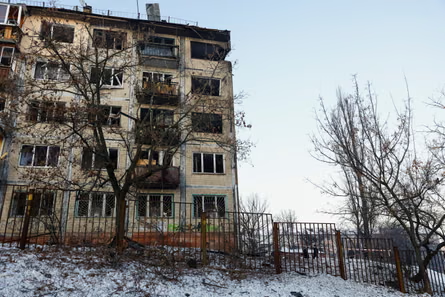
The heating crisis in Ukraine escalated on Tuesday as more than 1,000 buildings in Kyiv were left without warmth during one of the harshest winter nights. Temperatures plunged to -20C, and residents endured the bitter cold after Russia launched a major air attack across the country. Over 450 drones and more than 70 missiles targeted Ukrainian cities, causing significant damage and leaving at least nine people injured. Flames engulfed the upper floors of a Kyiv apartment building, while the capital’s air raid sirens blared for over five hours.
Ukraine’s President Volodymyr Zelenskyy condemned the attacks, describing them as proof that Russian President Vladimir Putin prioritises terror over diplomacy. “Taking advantage of the coldest days of winter to terrorise citizens is more important to Russia than negotiating peace,” Zelenskyy said. He urged Western allies to accelerate missile deliveries for air defence systems to safeguard civilians and critical infrastructure.

The heating crisis has intensified after a short-lived truce previously arranged through a personal request by former US President Donald Trump. Trump stated he persuaded Putin to pause attacks for a week due to severe cold, but Moscow only honoured this ceasefire partially. Ukrainian officials reported continued missile and drone strikes during the period, targeting facilities critical for heating and water distribution.
Denys Shmyhal, Ukraine’s energy minister, confirmed that hundreds of thousands of homes, including those of children, were left without heat, with temperatures dropping as low as -25C in certain regions. Among the targets hit was Kyiv’s iconic Motherland monument, a Soviet-era titanium statue symbolising Ukraine’s fight against past aggression. Culture Minister Tetyana Berezhna condemned the act as both symbolic and cynical, highlighting Moscow’s repeated aggression across centuries.
The heating crisis comes ahead of crucial trilateral peace talks in Abu Dhabi between Ukraine, Russia, and the United States. Ukraine reportedly presented a multi-tier plan with allies for enforcing any ceasefire, involving diplomatic warnings and potential military responses if violations occurred. Sources familiar with the negotiations indicated that a Russian breach would provoke swift action, with escalation procedures in place after 72 hours.
Northern cities, including Kharkiv and Sumy, also suffered severe impacts. In Kharkiv, over 800 buildings lost heating as water was drained from radiator systems to prevent freezing, leaving thousands of residents exposed to extreme cold. Deputy Prime Minister Oleksiy Kuleba reported that 110,000 properties in Kharkiv were affected. Russian strikes further disrupted electricity in towns such as Izium and Balakliia, worsening the heating crisis for local populations.
Russian state media has sought to frame the destruction of Ukraine’s energy infrastructure as a strategic victory, with presenters boasting about pushing Ukraine into a “stone age” scenario. Yet international observers categorise the deliberate targeting of civilians’ essential services as a war crime under international law. The attacks represent a clear effort to create maximum suffering during the winter, aiming to undermine morale and escalate pressure ahead of ongoing diplomatic negotiations.
Analysts note that the heating crisis is not merely an operational issue but a calculated tactic, striking fear into communities during extreme winter conditions. Ukraine continues to urge international partners for increased support, highlighting that energy resilience is critical to sustaining normal life and protecting the population from further harm.

Despite repeated attacks, Ukrainian citizens remain resilient, using emergency shelters and improvised heating methods to endure the bitter conditions. Humanitarian organisations have mobilised to deliver assistance, though supply chains remain disrupted due to ongoing strikes. Meanwhile, the international community watches closely as Abu Dhabi talks seek to establish enforceable safeguards and deter further Russian aggression.
The repeated targeting of civilian infrastructure illustrates a brutal aspect of modern conflict, where basic necessities such as heating and electricity become tools for intimidation. Ukraine’s government stresses that international backing is crucial to prevent further escalation and protect citizens from deliberate wintertime terror.
As diplomatic efforts continue, the heating crisis underscores the human cost of strategic attacks. Ukrainian leaders continue to call for maximum pressure on Russia, warning that without decisive action, the civilian population will remain vulnerable to similar tactics. With temperatures remaining dangerously low, the coming days will test both the resilience of Ukraine’s infrastructure and the urgency of international support in sustaining life during this winter siege.
The ongoing heating crisis has become a symbol of civilian endurance and the stakes of geopolitical conflict, highlighting the profound consequences of targeting essential services during extreme weather conditions.
Related News:
 High-speed Spain train crash leaves nation in mourning
 EU weighs response amid Greenland tariff crisis with Trump
 EU Says US Ties Have Suffered ‘Big Blow’ After Greenland Crisis
 British Woman in Iran ‘Losing Hope’ Amid Ongoing Detention
 BBC Journalist Held and Interrogated in Vietnam
 UK University Suspends Human Rights Research Following Pressure from China
 Top Christmas Books Reads: Classics to Cozy Romcoms
 World Whisky Tour: 9 Global Gems
 Just Stop Oil Protesters Convicted Amid Climate Defence Row
 Tension and Turmoil at Aston Villa v Maccabi Match
 BBC to Apologise Over Edited Trump Speech Amid Backlash
 Lando Norris Dominates Brazil GP to Strengthen F1 Title Bid
 Britain deploys RAF specialists to assist Belgium with drone threats
 Palace May Restore Hyphen to Andrew Mountbatten-Windsor’s Name
 US Senate Passes Funding Bill to End Historic Shutdown
 Suicide Bombing at Islamabad Court Kills 12, Injures Dozens
 Hitler’s DNA Confirms He Truly Had Only One Testicle
 US Justice Department Files Lawsuit Against California Over Partisan Voting Maps
 Oklahoma Governor Grants Last-Minute Clemency to Death Row Inmate
 Greene Pushes Epstein Files Amid Trump Fallout
 Trump Deploys DHS to Charlotte in Major Arrest Operation
 December Run-Off in Chile as Election Produces No Winner
 Zelenskyy Signs Fighter Jet Deal Amid Russian Drone Attacks
 Orban Says Ukraine Has ‘No Chance’ as EU Support Continues
 Canada Passes Carney’s First Budget in Tight Parliamentary Vote
 Israeli Strike Kills 13 Near Palestinian Camp in Lebanon
 Zelensky Meets US Envoy in Turkey to Push Ukraine Peace Talks
 Shadow Fleet at Sea: Europe’s Battle Against Illicit Oil Shipping
 Tiny Curacao Makes History as Smallest Nation to Reach World Cup
 Haiti Qualifies for World Cup Despite Coach Never Visiting Country
 Deadly Russian Strikes Hit Western Ukraine, 20 Killed in Ternopil
 Pentagon Officials in Ukraine to Discuss War End
 Ukraine Peace Plan: Zelensky Ready for Dialogue
 Vietnam Battles Deadly Floods as Rains Continue
 Venezuela Threatens Nobel Winner Machado with Fugitive Status
 At Least Three Dead in Bangladesh Earthquake
 Royal Navy Shadows Russian Warships Entering the Channel
 Israel Confirms Hamas Returned Dror Or’s Body
 US Suspends Afghan Immigration After White House Shooting
 Two National Guard Soldiers Critically Injured Near White House
 Georgians Defy Government Crackdown After Year of Protests
 Southern Lebanon reels as Israeli strikes shatter communities
 Mbappe Scores 4 as Real Madrid Edge Olympiakos
 Sri Lanka Floods Leave 56 Dead, Dozens Missing
 India’s Labour Law Overhaul Sparks Fierce Debate
 Tokyo court rules Japan’s same-sex marriage ban constitutional
 ‘Extinct’ Antelope Returns to Sahara, Bringing Hope
 EU plans $105bn Ukraine aid using frozen Russian assets
 Global campaign launched to free Palestinian leader Barghouti
 American Mother Extradited From UK to U.S. on Murder Charges
 Khaleda Zia, Bangladesh’s First Female Prime Minister, Dies at 80
 Russia losses Ukraine war peace talks intensify amid rising deaths
 Facebook Slow to Remove Bondi Attack Praise, Anti-Hate Group Claims
 Australian Cruise Ship Freed After Reef Grounding in Papua New Guinea
 Zelenskyy Accuses Russia of Sabotaging Peace Talks
 US Cities Erupt in Protests Against Trump’s Venezuela Military Action
 Albanese Opens Door to Bondi Royal Commission Amid Rising Pressure
 Trump Escalates Minnesota Immigration Surge Amid Rising Tensions
 Venezuela Oil Shift to US Could Disrupt China Supplies
 Iran Protesters Defy Crackdown as Violent Clashes Intensify
 US Clears Nvidia AI Chip Sales to China in Policy Shift
 Trump Threatens Strong Action If Iran Executes Protesters
 Gulf states warn Trump Iran strikes risk wider Middle East war
 Machado Trump medal gesture reshapes Venezuela power struggle
 Greenland defence seen as shared Nato duty amid troop arrivals
 Trump Receives Machado’s Nobel Medal in White House Meeting
 Syria President Declares Victory as Ceasefire Reached with SDF
 US Considers Asylum for British Jews Amid Rising Antisemitism
 Sydney Shark Attack Surge Shocks Australia Beaches
 ICE street raids expose a chilling future for public freedoms
 Thousands Flee Cambodia Scam Centres Amid Global Pressure
 Andrew Hastie Emerges as Leadership Rival to Ley
 Starmer China visit raises human rights pressure on Beijing
 Arizona border shooting leaves suspect hospitalised after agent pursuit
 US Launches Multi-Day Air Drills Amid Rising Iran Tensions
 Videos reveal earlier clash before Alex Pretti shooting
 China Executes 11 Linked to Myanmar Scam Networks
 UK New Car Discounts Near £6,000 as Prices Are Slashed
 Israel Moves to Bar MSF From Gaza Operations
 Tragic Ski Lift Accident Claims Australian Snowboarder