Published: 07 January 2026. The English Chronicle Desk. The English Chronicle Online.
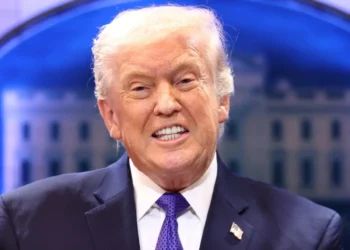
Donald Trump has announced that Venezuela will be “turning over” $2bn in Venezuelan oil to the United States, a move that could redirect crucial supplies from China. The focus keyword, Venezuela Oil, is central to this agreement, appearing in Trump’s statement within the first 100 words. Trump said, “This Venezuela Oil will be sold at its market price, and the revenue will be controlled by me, as President of the United States, to benefit both Venezuelan and American citizens.”
The announcement comes amid growing tensions over control of Venezuela’s energy resources. Millions of barrels of oil remain in storage or on tankers, unable to leave due to previous US sanctions and blockades. Trump’s intervention marks a significant shift, promising to channel Venezuela Oil directly into the US market, potentially limiting supplies to China, which has been the country’s top buyer over the last decade.

Top Venezuelan officials, including interim president Delcy Rodríguez, have publicly resisted US pressure. Rodríguez described the weekend capture of former president Nicolás Maduro as a “kidnapping” and decried the US operation as “illegal aggression,” reaffirming that Venezuela remains sovereign over its resources. Yet, the emerging oil deal demonstrates a complex negotiation, balancing US interests, Venezuela’s economic pressures, and China’s longstanding energy relationship.
US Energy Secretary Chris Wright is overseeing the execution of this plan, ensuring that the Venezuela Oil would be rerouted from ships originally destined for China to US ports. Chevron, as PDVSA’s primary joint venture partner, will manage the initial transfers, continuing to export between 100,000 and 150,000 barrels per day under US authorization. This arrangement highlights Chevron’s unique role as the only company able to operate uninterrupted within Venezuela’s heavily sanctioned energy sector.
Analysts note that Venezuela Oil flowing to the United States could temporarily stabilize US crude prices, which dropped more than 1.5% following Trump’s statement. The move may also provide Venezuela with an opportunity to access some financial benefits, though sanctions still prevent PDVSA from fully participating in the global banking system or processing transactions in US dollars.
Rodríguez’s rhetoric illustrates Venezuela’s internal balancing act. After being sworn in as president by the Supreme Court, she initially called for cooperation with the US government. However, her recent address reverted to a firm stance against foreign interference, emphasizing that Venezuela’s government rules independently and rejecting external control over its oil assets. Despite these tensions, the ongoing negotiation shows that pragmatic energy agreements continue to take shape.
This Venezuela Oil initiative could reshape global energy flows. Redirecting crude from China to the United States reflects a strategic move to strengthen American energy security while keeping Venezuela financially afloat under sanctions. China, long reliant on Venezuelan crude, may face supply adjustments, prompting broader implications for Asian markets and global oil pricing.
Experts highlight the delicate balance between economic interests and political sovereignty in Venezuela. The US aims to maximize oil imports without triggering major instability, while Venezuelan leaders seek to retain authority and protect national resources. Chevron’s role, alongside strict US oversight, underscores the unprecedented level of foreign intervention and cooperation in managing Venezuela Oil.

The deal also raises questions about transparency and the eventual allocation of revenue. While Trump emphasized control over proceeds for mutual benefit, sanctions and frozen Venezuelan accounts mean that direct access to funds remains heavily restricted. This could limit immediate economic gains for Caracas despite the apparent success of the deal in logistical terms.
Global reactions are mixed. While the US touts Venezuela Oil as a win for energy security, critics view the move as further intervention in Latin American sovereignty. China, as a major affected party, may seek alternative sources or negotiate new trade agreements to compensate for redirected oil shipments. Venezuela’s position as a pivotal oil supplier remains contentious, balancing diplomacy, trade, and domestic politics under the watchful eyes of global powers.
The unfolding Venezuela Oil transfer highlights how energy resources continue to drive geopolitical strategy. With US oversight, Chevron logistics, and complex negotiations with China, the operation is unprecedented. Experts predict this arrangement could define oil market dynamics for months, demonstrating the high stakes involved when global energy security intersects with international diplomacy.
As Venezuela Oil begins to move toward US ports, the world watches closely. How the revenues are managed, and whether China adapts its energy strategy, will have lasting consequences for oil markets and geopolitical relations. This latest development emphasizes the critical role of energy resources in shaping both foreign policy and economic stability across continents.
Related News:
 BBC to Apologise Over Edited Trump Speech Amid Backlash
 Britain deploys RAF specialists to assist Belgium with drone threats
 Palace May Restore Hyphen to Andrew Mountbatten-Windsor’s Name
 Greene Pushes Epstein Files Amid Trump Fallout
 December Run-Off in Chile as Election Produces No Winner
 Zelenskyy Signs Fighter Jet Deal Amid Russian Drone Attacks
 Canada Passes Carney’s First Budget in Tight Parliamentary Vote
 Shadow Fleet at Sea: Europe’s Battle Against Illicit Oil Shipping
 Tiny Curacao Makes History as Smallest Nation to Reach World Cup
 Deadly Russian Strikes Hit Western Ukraine, 20 Killed in Ternopil
 Ukraine Peace Plan: Zelensky Ready for Dialogue
 Royal Navy Shadows Russian Warships Entering the Channel
 US Suspends Afghan Immigration After White House Shooting
 Georgians Defy Government Crackdown After Year of Protests
 Tokyo court rules Japan’s same-sex marriage ban constitutional
 ‘Extinct’ Antelope Returns to Sahara, Bringing Hope
 American Mother Extradited From UK to U.S. on Murder Charges
 Irish Beach Tragedy: Irish Drown at Whitehaven Beach in Australia
 Trump Policies Boost China’s Global Rise, Survey Finds
 Iran unrest slows under brutal crackdown and global tensions
 ‘Black Tax’: Burden, Pride and Survival for African Workers
 Thousands Protest ICE Operations in Nationwide US Day of Action
 Starmer Condemns ‘Depraved’ Russian Strikes on Ukraine
 Herzog visit sparks protests across Australian cities
 Tarique Rahman’s Rise Toward Bangladesh’s Top Job
 AFP Reviews Pauline Hanson Comments
 Duterte ICC Hearing Begins Amid Defiance
 Trump Tariffs Threat Spark UK and EU Alarm
 Australian Women in Syrian Camp Offer Separation Deal
 The Dangerous Rise of Remigration Across Modern Europe
 US to offer passport services in West Bank settlements
 Seeking Truth: The Vital Battle for Honest Journalism
 Iranian Australian community divided after vigils
 UK Rescue Flight Delayed Amid Middle East War
 Seventh US Service Member Killed in Iran Conflict Identified
 Iran Defiance Grows Amid US-Israel War Pressure
 US Missile Strike on Iran School Sparks Global Shock
 Canada Plasma Deaths Raise Safety Concerns After Two Donors Die
 US Attack on IRIS Dena Shocks Indian Ocean Security
 Australian Petrol Crisis Deepens as Local Stations Run Dry
 Gulf Tensions Rise as Iran Alleges Covert Support
 Oil Slides, Stocks Jump on Trump Peace Signals
 Danish Election Deadlock Shakes Frederiksen’s Grip
 Bondi terror attack linked to global rise in IS plots
 Pope Rebukes Leaders for War as Middle East Tensions Rise
 Army Probes Apache Flyover at Kid Rock’s Nashville Estate
 Artemis II: Humanity Returns to the Moon After Decades
 Nuns of Schloss Goldenstein Move Closer to Staying Home
 Italian Town Buys Mussolini Villa to Keep Away Fascist Fans
 Report Says Pezzullo Acted ‘Recklessly’ in Dealings
 Trump and Tehran Find Common Ground in Landmark Ceasefire
 Suspected Plot Targets Pipeline Before Hungary Vote
 Reeves Slams Trump Over Iran War Lack Of Exit Plan
 Learner Driver Charged After Expo Tragedy
 Coalition pushes fossil fuel phaseout plan
 Trump approval plunges amid Iran war fears
 Ohio’s Battle for Trust: Democrats Vying to Flip the Buckeye State
 US ‘Narco Boat’ Strikes Draw Global Outcry
 FIFA Confirms Global Ban for Benfica Star Prestianni
 US Awaits Iran Reply on New Ceasefire Proposal
 US and Mexico Face Heatwave as Floods Batter South Africa
 Putin Signals War End as Russian Momentum Stalls
 Australia Welcomes the Iconic Michelin Guide
 Scepticism and tight security as Beijing braces for Trump
 Philippine Senator Flees After Days Under Senate Siege
 Tensions Flare as Israeli Nationalists March in Jerusalem
 High Street Crisis: Fears Grow Over Post Office Closures
 Xi Hosts Putin for Talks Right After Trump Visit
 Fragile Truce Shattered as Violence Escapes Diplomatic Control
 Oil Markets Face ‘Red Zone’ Threat Amid Iran Crisis
 Pope Meets Families in Italy Toxic Waste Zone
 Discontent grows around Putin amid war strain
 US Strikes Iranian Sites Amid Shaky Ceasefire Talks
 Starmer Leadership Under Pressure After Setbacks
 Papal Visit Offers Political Lifeline to Spanish Premier
 Aukus Deal Facing Fierce Backing and Historic Criticism
 Thai Princess Bajrakitiyabha Passes Away at 47
 Le Pen to Run for President Despite Embezzlement Conviction
 Ukraine Creates Long-Range Strike Command
 Houthis Strike Saudi Arabia as Middle East Tensions Rise