Published: 05 February 2026. The English Chronicle Desk. The English Chronicle Online.
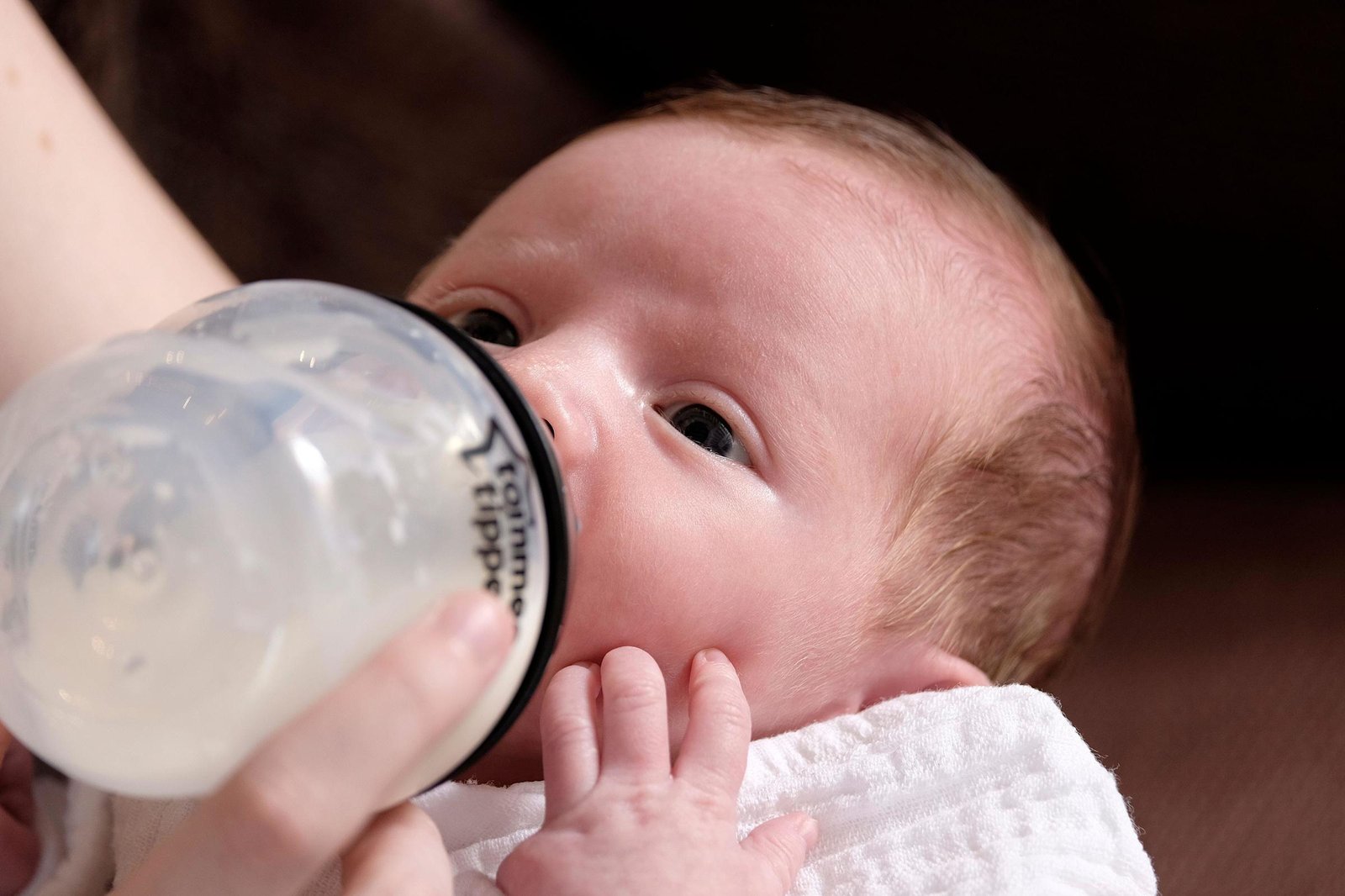
In a development alarming parents and public health officials alike, the UK Health Security Agency has reported 36 cases consistent with baby formula toxin poisoning across Britain. Families are reeling as clinical reports now link a series of recalled infant formulas to symptoms experienced by children who consumed the affected products. The focus on baby formula toxin contamination has grown intensively since early January, when the Food Standards Agency first announced precautionary recalls, and alarm among caregivers has steadily intensified. Those affected range from infants to toddlers who had been fed the implicated formulas before the recalls were issued.
Across England, Scotland, Wales, Northern Ireland and the Crown Dependencies, health authorities say they have received notifications of children developing symptoms consistent with exposure to a toxin believed to be present in several formula batches. Of the 36 notifications, 24 were reported in England, seven in Scotland, three in Wales, one in Northern Ireland, and one in the Crown Dependencies.
The term baby formula toxin has now entered everyday conversation among parents and paediatric healthcare teams, and the urgency is palpable. Symptoms linked to the suspected toxin include rapid onset nausea, vomiting and abdominal cramps, typically emerging hours after feeding. In many cases, symptoms have resolved within 24 hours, but sporadic complications have raised additional concern among clinicians. Across online parenting forums and social media platforms, stories of unsettled babies and worried parents underline the emotional and physical toll this issue has taken on families.

The situation first took shape on 5 January when the Food Standards Agency issued a precautionary recall of multiple batches of SMA Infant Formula and Follow-On Formula produced by Nestlé, following detection of traces of the cereulide toxin. This toxin is produced by strains of the bacterium Bacillus cereus, known for its ability to survive harsh conditions, including the heating processes commonly used in formula preparation. Cereulide is heat stable, meaning it cannot be reliably destroyed by boiling water or standard formula preparation techniques, a fact that has complicated reassurance efforts from authorities.
Public health experts have emphasised that baby formula toxin can cause symptoms rapidly, typically between fifteen minutes to six hours after ingestion. The most commonly reported issues have been persistent vomiting and nausea, sometimes coupled with stomach cramps and diarrhoea. While most symptoms appear to resolve quickly, health officials remain vigilant for any signs of more severe complications, such as dehydration or prolonged illness. Parents and carers have been urged to seek professional medical advice if they fall into any of the high-risk categories or observe severe reactions in their children.
The recall list quickly expanded, with updated expiry dates published on 9 January, capturing additional batches of formula implicated in the ongoing investigation. Then, on 24 January, Danone, another major manufacturer, issued a targeted recall for one specific batch of its Aptamil First Infant Formula due to the presence of a similar toxin concern. This added to the growing public anxiety over baby formula toxin risks and brought the total number of product recalls to more than a dozen distinct batches earlier this month.
The involvement of two global infant nutrition companies underscored the complexity of the contamination issue. In public statements, both Nestlé and Danone have stressed that product safety is their top priority. Nestlé noted its recalls were made out of an abundance of caution and that no confirmed reports of illness were directly attributed to its products at the time of earliest recalls. Danone’s recall notice similarly advised caregivers to stop using the identified batch and return it for a full refund, stressing that it was a precautionary decision based on testing results.
Investigations into the root of the contamination have pointed to a common ingredient supplier used by both manufacturers, which has raised questions about broader supply chain vulnerabilities. The ingredient suspected as the source of the contamination is arachidonic acid oil, an additive used to support infant development in formula products. While this nutrient plays a beneficial role in infant nutrition, traces of cereulide have been detected in certain batches, triggering the recalls. Authorities continue to probe how this ingredient became tainted and what safeguards can be strengthened to prevent future occurrences.
For many parents, the unfolding baby formula toxin situation has meant scouring cupboards for recalled products and double-checking batch codes against official lists published by the Food Standards Agency and manufacturers. The FSA has been displaying notices at retail points of sale and on official websites, helping caregivers identify potentially affected formulas. In some UK regions, parents have been told to contact their GP or call NHS 111 should they have concerns or if their baby has consumed a recalled formula. Those whose infants were receiving prescribed formula have been told to consult healthcare professionals for guidance before switching to alternatives.
Healthcare professionals, for their part, are advising calm but caution. Paediatric dietitians and public health officials are reiterating that many infants will not experience severe effects and that most symptoms are short-lived when exposure stops. At the same time, they are pressing for prompt medical evaluation if symptoms worsen or persist. The UKHSA remains in active investigation mode, gathering data and liaising with regional health teams to monitor developments.
Parents across the UK have taken to online communities to share their experiences and questions about alternatives to the recalled formulas. Some note the anxiety of trying new brands in the midst of the crisis, while others speak to the support they have received from health visitors and community health teams. The swift rise in online conversation about baby formula toxin has mirrored the spread of concern among caregivers, with many hoping for swift clarification on safety assurances.
In addition to immediate health impacts, there are broader questions about regulation, testing standards and supply chain oversight. Consumer advocacy groups argue that this situation highlights the need for more rigorous and transparent testing of raw materials before they enter products intended for the most vulnerable populations. The fact that the contamination appears to trace back to a shared supplier has intensified calls for accountability at multiple levels of the formula production process.

While parents await clearer guidance, the Food Standards Agency continues to update its recall lists and advice resources. They have reiterated that any formula listed under recall should not be used and that caregivers should check their products against the official lists. Point-of-sale notices remain displayed in stores, and consumer help lines are available to answer questions. The NHS also continues to provide support and advice to those with concerns about their child’s reaction to recalled formula.
The emotional strain on families affected by the baby formula toxin issue cannot be understated. Beyond the physical symptoms experienced by infants, many parents describe feelings of worry, guilt, and frustration as they navigate mixed messages and shifting recall information. Community-led support networks have become a space for sharing practical advice and reassurance, even as official channels work to keep pace with public concern.
In the coming weeks, UK health authorities have pledged to provide more detailed updates on their investigations and any additional recalls or safety measures. The priority remains to ensure affected families receive the support they need and to prevent further cases of suspected toxin exposure. For now, vigilance and adherence to recall guidance are the main defences against further baby formula toxin related illness.
The ongoing situation is a stark reminder of the delicate balance between food production, regulatory oversight and consumer safety. As investigations proceed, the hope is that lessons learned will strengthen protections and reassure parents that infant nutrition in the UK remains safe and secure.
Related News:
 Mother dies after black market weight loss injection
 Young Woman Missed 13 Times by GPs Before Bowel Cancer Diagnosis
 Hospice Cuts Raise Alarm Across England Amid Funding Crisis
 How Bringing Forests Into Preschools Boosts Children’s Health
 The diet that can significantly ease symptoms of IBS
 Celebrities and Charities Demand UK Government Act on Child Poverty
 Long A&E waits causing heartbreaking suffering, charity says
 Experts Warn on Home Birth Risks, Call for Skilled Midwives
 Lancashire council plans to close care homes and day centres
 Britain could face worst flu season on record, NHS warns
 Experts Urge Legal Right to Timely Cancer Care
 Patients to Test Health at Home to Ease NHS Winter Pressure
 London’s Childlessness Crisis: Schools Closing as Families Shrink
 NHS Takes Over Nuffield Hospital in ‘Windfall’ for London Care
 North Sea oil workers must lose weight or face job loss
 Crisis charity to become landlord amid UK housing emergency
 No link found between paracetamol in pregnancy and autism
 UK Disability Pay Gap Means Millions Work for Free From Today
 Shouting Works Best to Deter Gulls, UK Study Finds
 Reeves rejects £1bn plea for NHS redundancy payouts
 NHS trust fined after woman takes life in mental health unit
 Leading doctors issue warning amid ‘bad’ flu season
 UK Centres Used Risky Heart Pump Despite Safety Fears
 Reeves Rejects £1bn NHS Payout Plea from Streeting
 New Campaign Trains Vets to Spot Farmers’ Health Risks
 Stroke Patient Mistaken for Drunk, Care Delayed
 ‘Traumatic Wait’: Northern Ireland Women Face Breast Cancer Delays
 Boris Johnson Oversaw Toxic No 10 Culture, Covid Inquiry Finds
 Welsh Government Christmas 2020 Lockdown Criticised
 Coffins Now Too Large to Cremate Amid Rising Obesity Crisis
 Thinktank Urges Smaller Hospitals to End NHS ‘Permacrisis’
 David Cameron Reveals Prostate Cancer Diagnosis, Advocates Screening
 NHS paediatric leave parents waiting months for answers
 Catherine urges end to stigma around addiction
 11 Best Supermarket Wines Chosen by Experts and Sommeliers
 Inquiry Opens Into Disgraced Surgeon Eljamel Scandal
 Five-Year-Old Dies After Rare Tonsil Surgery Complication
 Fibromyalgia Patients Struggle as NHS Fails to Provide Care
 More Patients Now Contacting GPs Online, Data Shows
 Streeting launches review into mental health and ADHD diagnoses
 Flu cases in Scotland more than double in a week
 People in England’s Poorest Areas Face Higher Lung Health Emergencies
 MND Patients Die Waiting for Home Adaptations in England
 Minor A&E Visits Surge Across England as Hospitals Face Pressure
 Children to Receive Home Vaccines as England Acts
 UK children to get chickenpox jab with MMRV vaccine
 UK Enforces Junk Food Ad Ban Before 9pm
 Salt Intake England: Crisps Comparison Sparks Health Alarm
 Weight Loss Jabs Linked to Rapid Weight Regain, New Study Shows
 Patients Collapsing in NHS Corridors, Watchdog Warns
 Offenders to Receive Health Support During Probation Appointments
 NHS Violence Crisis: Staff Face Daily Assaults
 Celebrity Campaign Highlights SMA Screening Failures
 NHS corridor care crisis sparks fears over patient safety
 Jess’s Rule Urges GPs to Rethink Persistent Symptoms
 UK Glaucoma Rise Signals Looming Eye Health Crisis by 2060
 UK ADHD medication use triples over 13 years, landmark study finds
 Reform UK Health Plan ‘Would Cost £1.7bn’, Streeting Says
 NHS boosts bowel screening accuracy with FIT reform
 UK loses measles-free status amid deaths and jab decline
 Nottingham survivor warns of repeat attacks without mental health reform
 UK vets face reforms to tackle high pet care costs
 Small risk warning raised over weight-loss jabs in UK review
 Study Finds One in Seven England Takeaways Are Dark Kitchens
 Deadly Cancer Postcode Lottery Limits NHS Care
 Pneumonia Surge Pushes England Emergency Cases Higher
 Streeting moves on doctor pay to end strike dispute
 Systemic Racism in Maternity Care Continues to Endanger Black Women in England, MPs Warn
 M&S and Morrisons Lead Christmas Supermarket Taste Test
 Reeves Faces Setback as Labour May Miss Homes Target
 Kate Winslet to Narrate Film Highlighting King’s Environmental Mission
 Trump’s UK Ambassador Urges North Sea Drilling to Strengthen US Ties
 UK Bans Fake Numbers: Scammers Lose Their Trick
 Millionaires group urge Reeves to introduce wealth tax to ‘lift kids out of poverty’
 PM Condemns Leaks, Vows Loyalty to Ministers and Stability
 Inside the Helpline Protecting Missing Children in the UK
 PlayStation PS5 Deals Hit Lowest Prices Ahead of Black Friday
 Starmer Says Labour’s Economic Plan Needs Years to Deliver
 Cambridge College Faces Backlash Over Private School Recruitment
 Bereaved Fathers Gain New Paternity Leave Rights in UK