
Published: 16 February 2026. The English Chronicle Desk. The English Chronicle Online.
A fast-moving measles outbreak is gripping north London, raising urgent public health concerns. Health officials have confirmed that the measles outbreak is largely affecting unvaccinated children under ten years old. The surge has centred on schools and nurseries in the borough of Enfield. Families across the capital are now being urged to check vaccination records without delay. Authorities warn that immediate action is vital to prevent wider transmission.
The UK Health Security Agency has reported dozens of laboratory-confirmed infections since early January. Thirty-four confirmed cases were recorded between 1 January and 9 February. Most children affected attend local primary schools and early years settings. Several of those infected required hospital treatment due to complications. Officials believe additional suspected cases are still being assessed across the borough.
Medical experts describe measles as one of the most contagious viral illnesses known. It spreads rapidly through coughs, sneezes, and contaminated surfaces. In communities with low vaccination coverage, infection can accelerate within days. Although many children recover fully, complications can be severe. Pneumonia and brain inflammation are among the most dangerous risks. In rare cases, measles can cause long-term disability or death.

Dr Vanessa Saliba, a consultant epidemiologist at the UK Health Security Agency, described the situation as deeply concerning. She confirmed that most cases involve children who were not fully immunised. She stressed that vaccination remains the safest and most effective protection. Two doses of the combined measles vaccine offer strong immunity. Without them, children remain vulnerable to infection and serious illness.
The current measles outbreak comes at a difficult time for public health authorities. National immunisation rates have declined steadily over recent years. Across England, only around 84 percent of children receive both recommended doses by age five. Experts say at least 95 percent coverage is required to prevent outbreaks. Enfield’s uptake is significantly lower than the national average. Recent figures show just over 64 percent of five-year-olds received both doses last year.
Local health leaders have reacted with urgency. Temporary vaccination clinics have been established inside several schools. Parents are receiving direct communication encouraging immediate appointments. Dudu Sher-Arami, Enfield’s director of public health, has written to families throughout the borough. She warned that travel across London could fuel further spread. Daily commuting patterns increase the risk of wider transmission beyond borough boundaries.
The possibility of a broader citywide crisis remains a serious concern. Modelling conducted by the UK Health Security Agency suggests that a large London outbreak could infect tens of thousands. Estimates range between 40,000 and 160,000 potential cases if immunity gaps persist. These projections underline the fragile state of herd protection. Public health officials fear that low vaccination pockets could ignite rapid escalation.
Earlier this year, international health authorities confirmed that the United Kingdom had lost its measles elimination status. Nearly 4,000 infections have been recorded nationally since 2024. This reversal marks a setback after years of sustained control efforts. Experts attribute the decline partly to pandemic disruption. However, misinformation circulating online has also influenced parental decisions.
False claims linking the measles vaccine to autism continue to circulate on social media platforms. These claims have been repeatedly discredited by extensive scientific research. Despite clear evidence, vaccine hesitancy persists in some communities. Health professionals emphasise that the vaccine has an excellent safety record. Decades of monitoring confirm its effectiveness and reliability.
Within Enfield, the outbreak has affected diverse neighbourhoods. Some schools have reported clusters of symptomatic pupils. According to local GP surgery communications, one in five infected children required hospital care. All hospitalised children were not fully vaccinated. Doctors describe the illness as exhausting and distressing for young patients. High fever and persistent cough are common early symptoms. A distinctive rash typically appears several days later.
Parents have expressed anxiety about classroom transmission. Many worry about younger siblings who are not yet eligible for full vaccination. Health officials are advising families to monitor symptoms carefully. Children with suspected infection should remain at home. Prompt medical advice is recommended if breathing difficulties develop. Early isolation can significantly reduce further spread.
The measles outbreak has also highlighted wider health inequalities. Borough-level data reveal marked differences in vaccine uptake across London. In some communities, coverage falls far below recommended thresholds. Public health teams are now focusing on targeted engagement. Outreach initiatives include multilingual information and community partnership programmes. Leaders hope tailored communication will rebuild trust and understanding.
Easter travel plans add another layer of concern. Families preparing for overseas trips are being reminded to confirm vaccination status. Measles remains widespread in parts of Europe and other regions. International travel increases exposure risk for unprotected individuals. Returning travellers can unknowingly introduce infections into local settings. Authorities therefore stress vaccination before departure.
The National Health Service continues offering the combined measles, mumps, rubella, and varicella vaccine free of charge. Appointments are available through GP practices and temporary clinics. Health professionals say there is no specific antiviral treatment for measles. Care focuses on symptom relief and monitoring for complications. Prevention through vaccination remains the primary defence.
Public response across north London has been mixed but increasingly proactive. Many parents have booked catch-up appointments after receiving official letters. Schools are cooperating closely with health protection teams. Attendance monitoring has been intensified during this period. Teachers are reinforcing hygiene guidance within classrooms.

Medical leaders insist that community action can contain the outbreak. They emphasise that high immunisation levels protect vulnerable individuals. Infants, pregnant women, and immunocompromised patients face higher risks. When vaccination rates rise, transmission chains weaken rapidly. The window for intervention remains open if families respond promptly.
This measles outbreak serves as a stark reminder of preventable disease resurgence. Public health infrastructure remains strong but depends on community participation. Experts continue to reassure parents about vaccine safety and effectiveness. Transparent communication aims to counter persistent misinformation. Confidence in immunisation programmes is essential for long-term disease control.
As investigations continue, surveillance teams are monitoring trends daily. Additional confirmed cases may emerge in coming weeks. However, officials remain cautiously optimistic that swift action will limit escalation. The message from health authorities is clear and consistent. Vaccination protects children, families, and the wider community.
The unfolding situation in Enfield illustrates how quickly immunity gaps can translate into outbreaks. It also demonstrates the importance of sustained public health investment. With coordinated local efforts and informed parental choices, containment remains achievable. For now, north London watches closely as health teams work to restore stability and safeguard young lives.
Related News:
 Mother dies after black market weight loss injection
 Young Woman Missed 13 Times by GPs Before Bowel Cancer Diagnosis
 Hospice Cuts Raise Alarm Across England Amid Funding Crisis
 How Bringing Forests Into Preschools Boosts Children’s Health
 The diet that can significantly ease symptoms of IBS
 Celebrities and Charities Demand UK Government Act on Child Poverty
 Long A&E waits causing heartbreaking suffering, charity says
 Experts Warn on Home Birth Risks, Call for Skilled Midwives
 Lancashire council plans to close care homes and day centres
 Britain could face worst flu season on record, NHS warns
 Experts Urge Legal Right to Timely Cancer Care
 Patients to Test Health at Home to Ease NHS Winter Pressure
 London’s Childlessness Crisis: Schools Closing as Families Shrink
 NHS Takes Over Nuffield Hospital in ‘Windfall’ for London Care
 North Sea oil workers must lose weight or face job loss
 Crisis charity to become landlord amid UK housing emergency
 No link found between paracetamol in pregnancy and autism
 UK Disability Pay Gap Means Millions Work for Free From Today
 Shouting Works Best to Deter Gulls, UK Study Finds
 Reeves rejects £1bn plea for NHS redundancy payouts
 NHS trust fined after woman takes life in mental health unit
 Leading doctors issue warning amid ‘bad’ flu season
 UK Centres Used Risky Heart Pump Despite Safety Fears
 Reeves Rejects £1bn NHS Payout Plea from Streeting
 New Campaign Trains Vets to Spot Farmers’ Health Risks
 Stroke Patient Mistaken for Drunk, Care Delayed
 ‘Traumatic Wait’: Northern Ireland Women Face Breast Cancer Delays
 Boris Johnson Oversaw Toxic No 10 Culture, Covid Inquiry Finds
 Welsh Government Christmas 2020 Lockdown Criticised
 Coffins Now Too Large to Cremate Amid Rising Obesity Crisis
 Thinktank Urges Smaller Hospitals to End NHS ‘Permacrisis’
 David Cameron Reveals Prostate Cancer Diagnosis, Advocates Screening
 NHS paediatric leave parents waiting months for answers
 Catherine urges end to stigma around addiction
 11 Best Supermarket Wines Chosen by Experts and Sommeliers
 Inquiry Opens Into Disgraced Surgeon Eljamel Scandal
 Five-Year-Old Dies After Rare Tonsil Surgery Complication
 Fibromyalgia Patients Struggle as NHS Fails to Provide Care
 More Patients Now Contacting GPs Online, Data Shows
 Streeting launches review into mental health and ADHD diagnoses
 Flu cases in Scotland more than double in a week
 People in England’s Poorest Areas Face Higher Lung Health Emergencies
 MND Patients Die Waiting for Home Adaptations in England
 Minor A&E Visits Surge Across England as Hospitals Face Pressure
 Children to Receive Home Vaccines as England Acts
 UK children to get chickenpox jab with MMRV vaccine
 UK Enforces Junk Food Ad Ban Before 9pm
 Salt Intake England: Crisps Comparison Sparks Health Alarm
 Weight Loss Jabs Linked to Rapid Weight Regain, New Study Shows
 Patients Collapsing in NHS Corridors, Watchdog Warns
 Offenders to Receive Health Support During Probation Appointments
 NHS Violence Crisis: Staff Face Daily Assaults
 Celebrity Campaign Highlights SMA Screening Failures
 NHS corridor care crisis sparks fears over patient safety
 Jess’s Rule Urges GPs to Rethink Persistent Symptoms
 UK Glaucoma Rise Signals Looming Eye Health Crisis by 2060
 UK ADHD medication use triples over 13 years, landmark study finds
 Reform UK Health Plan ‘Would Cost £1.7bn’, Streeting Says
 NHS boosts bowel screening accuracy with FIT reform
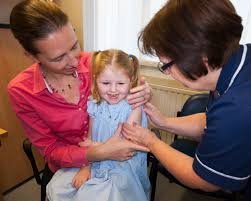 UK loses measles-free status amid deaths and jab decline
 Nottingham survivor warns of repeat attacks without mental health reform
 UK vets face reforms to tackle high pet care costs
 Small risk warning raised over weight-loss jabs in UK review
 Study Finds One in Seven England Takeaways Are Dark Kitchens
 Deadly Cancer Postcode Lottery Limits NHS Care
 Pneumonia Surge Pushes England Emergency Cases Higher
 Streeting moves on doctor pay to end strike dispute
 UK reports baby formula toxin poisoning cases across the country
 Children of Close-Relative Parents Face Higher Mortality Risk in England
 Systemic Racism in Maternity Care Continues to Endanger Black Women in England, MPs Warn
 M&S and Morrisons Lead Christmas Supermarket Taste Test
 Cambridge College Faces Backlash Over Private School Recruitment
 Bereaved Fathers Gain New Paternity Leave Rights in UK
 Woman Jailed for Life After Killing E-Bike Rider in Tragic Mistaken Identity Case
 No Gas Boiler Ban as UK Warm Homes Plan Backs Heat Pumps
 Police response times face strict new national limits
 Devon hosts first high-density hydro power system
 AI breast screening cuts later cancer diagnoses by 12%, study finds
 Most Statin Side-Effects Are Not Caused by Drugs, Study Confirms
 Send spending gap leaves deprived areas behind