Published: 17 February 2026. The English Chronicle Desk. The English Chronicle Online.
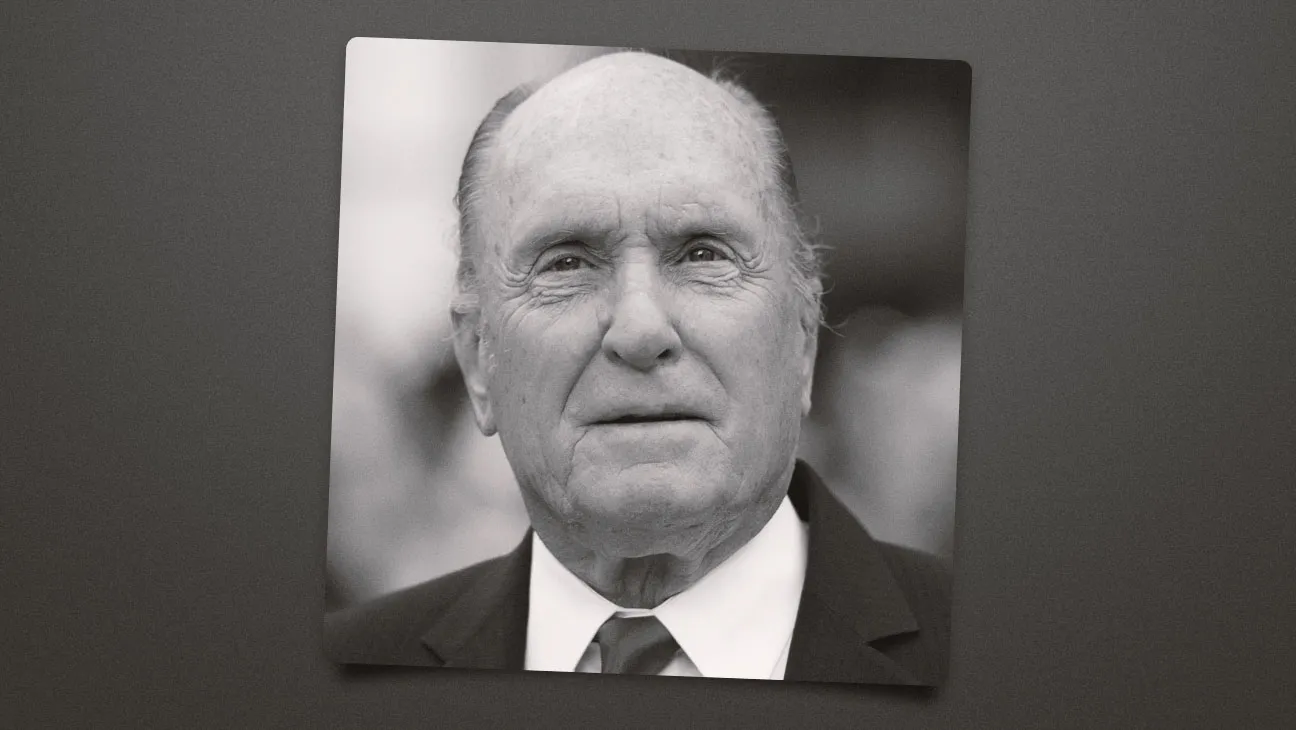
The Robert Duvall legacy shaped generations of cinema lovers across the world. News of his death at 95 has prompted tributes from Hollywood and beyond. The acclaimed actor passed away peacefully at his home, surrounded by family. His wife, Luciana Duvall, confirmed the news in an emotional message. She described him as a storyteller whose dedication defined his life.
Born in San Diego, California, in 1931, Duvall was raised in a disciplined household. His father served as a naval officer, instilling structure and resilience. Those early values later influenced his measured and commanding screen presence. After studying drama in Missouri, he joined the army briefly. Soon after, he pursued acting seriously in New York.
At the Neighborhood Playhouse School of the Theatre, Duvall trained alongside emerging talents. Among them were future stars like Gene Hackman and Dustin Hoffman. They shared modest flats while chasing theatrical dreams. Those formative years shaped the Robert Duvall legacy in subtle but powerful ways.
His film debut came in 1962 with To Kill a Mockingbird. He played the reclusive Boo Radley with haunting restraint. Though the role was small, it left a lasting impression. Critics noted his ability to convey depth without dialogue. That performance hinted at a remarkable career ahead.

Wider recognition arrived through M*A*S*H, where he portrayed the rigid Frank Burns. His character’s self-importance provided biting satire during turbulent times. Soon after, director Francis Ford Coppola cast him in The Godfather. As Tom Hagen, he delivered a calm yet commanding presence. The Robert Duvall legacy grew stronger with each carefully chosen role.
He reprised the role in The Godfather Part II, deepening the character’s moral complexity. Audiences admired his understated strength beside towering performances. His collaboration with Coppola extended to Apocalypse Now. There, he played Lieutenant Colonel Kilgore, wearing a cavalry hat with confidence. His lines became etched in cinema history.
The Robert Duvall legacy found global resonance through that unforgettable portrayal. “I love the smell of napalm in the morning” echoed across decades. His performance balanced bravado with chilling detachment. It demonstrated his rare ability to humanise complex figures. That blend of authenticity defined his craft.
Throughout the 1970s and 1980s, Duvall balanced mainstream and artistic projects. He appeared in Network and The Natural. He won the Academy Award for Best Actor for Tender Mercies. In that role, he portrayed a troubled country singer seeking redemption. The performance remains one of his most moving achievements.
Colleagues responded swiftly after news of his passing emerged. Al Pacino described him as a born actor with extraordinary instinct. Robert De Niro offered heartfelt words and admiration. Jamie Lee Curtis praised his unforgettable screen presence. Tributes reflected respect for both his talent and humility.
In later decades, Duvall continued exploring diverse roles. He starred in Days of Thunder alongside rising stars. He directed and acted in The Apostle, earning another Oscar nomination. That project revealed his commitment to personal storytelling. The Robert Duvall legacy expanded beyond acting into direction and production.
He later appeared in The Judge, earning critical acclaim once more. At the time, he became the oldest male nominee in his category. Even in his eighties, his performances retained emotional clarity. Audiences sensed wisdom shaped by decades of experience.
Duvall’s work crossed genres effortlessly, from war dramas to intimate character studies. His interest in football led him to A Shot at Glory. He embraced varied projects with quiet enthusiasm and discipline. Off screen, he valued conversation, good meals, and storytelling. Friends described him as thoughtful and grounded.
Beyond cinema, Duvall occasionally spoke about political beliefs. For many years, he supported Republican candidates publicly. In later interviews, he acknowledged stepping away from active alignment. His comments reflected evolving personal reflection rather than controversy. Throughout, he avoided grandstanding and focused on craft.
The Robert Duvall legacy remains rooted in authenticity and emotional truth. He never relied on spectacle to command attention. Instead, he trusted subtle expression and measured dialogue. Younger actors often cited him as a master of restraint. Film historians consider his body of work essential viewing.
As Hollywood reflects on his passing, his influence feels enduring. Streaming platforms are already reporting renewed interest in his films. Cinemas are planning retrospective screenings in major cities. The Robert Duvall legacy continues to inspire aspiring performers worldwide. His dedication demonstrated how patience shapes greatness.
Family members have requested privacy during this period of mourning. Luciana Duvall thanked fans for their compassion and messages. She emphasised that his greatest joy was meaningful storytelling. That devotion shaped every project he accepted. It also shaped the quiet dignity he carried.

The Robert Duvall legacy now enters history as a defining chapter of American cinema. From Boo Radley’s silence to Kilgore’s thunderous declarations, his range astonished audiences. His single Oscar win never captured his full contribution. Seven nominations only hinted at broader influence.
Film scholars note his consistency across six decades. He adapted to shifting cinematic movements with ease. Yet he never chased trends for attention. Instead, he selected roles that explored the human spirit. That philosophy underpinned the Robert Duvall legacy from beginning to end.
As tributes continue worldwide, one truth stands clear. His performances will remain part of cultural memory for generations. Students of acting will study his technique and timing. Viewers will revisit his films during quiet evenings. Through those moments, his artistry lives on.
Hollywood has lost a towering presence, yet his voice endures. The Robert Duvall legacy represents dedication, humility, and creative courage. In every carefully delivered line, he offered audiences honesty. That gift now stands as his lasting memorial.
Related News:
 Top Christmas Books Reads: Classics to Cozy Romcoms
 Miss Mexico Wins Miss Universe After Walkout Drama
 Gen Z Embraces the Big, Bold ‘Fake’ Indian Wedding Party Trend
 Terence Stamp, ’60s British Film Legend and Star of Superman, Dies at 87
 Kate Winslet to Narrate Film Highlighting King’s Environmental Mission
 Just Stop Oil Protesters Convicted Amid Climate Defence Row
 Pauline Collins, Beloved ‘Shirley Valentine’ Star, Dies at 85
 I’m a Celebrity 2025 line-up revealed: Osbourne joins
 BBC to Apologise Over Edited Trump Speech Amid Backlash
 Britain deploys RAF specialists to assist Belgium with drone threats
 Palace May Restore Hyphen to Andrew Mountbatten-Windsor’s Name
 US Senate Passes Funding Bill to End Historic Shutdown
 VAR Must Rein Its Neck In to Save Football’s Spirit
 From Lego to Pokémon: How Adults Are Driving UK Toy Market Growth
 US Justice Department Files Lawsuit Against California Over Partisan Voting Maps
 Pokémon to open world’s first theme park in Japan next year
 Greene Pushes Epstein Files Amid Trump Fallout
 Trump Deploys DHS to Charlotte in Major Arrest Operation
 December Run-Off in Chile as Election Produces No Winner
 Zelenskyy Signs Fighter Jet Deal Amid Russian Drone Attacks
 Orban Says Ukraine Has ‘No Chance’ as EU Support Continues
 SS Rajamouli Announces ‘Varanasi,’ a Mythic Time-Travel Epic
 Canada Passes Carney’s First Budget in Tight Parliamentary Vote
 Eminem Takes Legal Aim at Australian ‘Swim Shady’ Brand
 Israeli Strike Kills 13 Near Palestinian Camp in Lebanon
 Shadow Fleet at Sea: Europe’s Battle Against Illicit Oil Shipping
 Tiny Curacao Makes History as Smallest Nation to Reach World Cup
 Haiti Qualifies for World Cup Despite Coach Never Visiting Country
 Deadly Russian Strikes Hit Western Ukraine, 20 Killed in Ternopil
 Pentagon Officials in Ukraine to Discuss War End
 Ukraine Peace Plan: Zelensky Ready for Dialogue
 Vietnam Battles Deadly Floods as Rains Continue
 Director Michael Caton-Jones Reflects on Career and Beginnings
 Venezuela Threatens Nobel Winner Machado with Fugitive Status
 Royal Navy Shadows Russian Warships Entering the Channel
 US Suspends Afghan Immigration After White House Shooting
 Two National Guard Soldiers Critically Injured Near White House
 Georgians Defy Government Crackdown After Year of Protests
 Southern Lebanon reels as Israeli strikes shatter communities
 Sri Lanka Floods Leave 56 Dead, Dozens Missing
 Tokyo court rules Japan’s same-sex marriage ban constitutional
 Rusty Bond-Era Aston Martin Restored to £1m Glory
 Pavarotti statue frozen in Italian ice rink sparks backlash
 ‘Extinct’ Antelope Returns to Sahara, Bringing Hope
 EU plans $105bn Ukraine aid using frozen Russian assets
 American Mother Extradited From UK to U.S. on Murder Charges
 Russia losses Ukraine war peace talks intensify amid rising deaths
 Facebook Slow to Remove Bondi Attack Praise, Anti-Hate Group Claims
 Australian Cruise Ship Freed After Reef Grounding in Papua New Guinea
 US Cities Erupt in Protests Against Trump’s Venezuela Military Action
 Albanese Opens Door to Bondi Royal Commission Amid Rising Pressure
 Trump Escalates Minnesota Immigration Surge Amid Rising Tensions
 Iran Protesters Defy Crackdown as Violent Clashes Intensify
 US Clears Nvidia AI Chip Sales to China in Policy Shift
 Trump Threatens Strong Action If Iran Executes Protesters
 Gulf states warn Trump Iran strikes risk wider Middle East war
 Machado Trump medal gesture reshapes Venezuela power struggle
 EU weighs response amid Greenland tariff crisis with Trump
 Syria President Declares Victory as Ceasefire Reached with SDF
 Sydney Shark Attack Surge Shocks Australia Beaches
 ICE street raids expose a chilling future for public freedoms
 Thousands Flee Cambodia Scam Centres Amid Global Pressure
 EU Says US Ties Have Suffered ‘Big Blow’ After Greenland Crisis
 Andrew Hastie Emerges as Leadership Rival to Ley
 Starmer China visit raises human rights pressure on Beijing
 US Launches Multi-Day Air Drills Amid Rising Iran Tensions
 Videos reveal earlier clash before Alex Pretti shooting
 China Executes 11 Linked to Myanmar Scam Networks
 UK New Car Discounts Near £6,000 as Prices Are Slashed
 Israel Moves to Bar MSF From Gaza Operations
 Tragic Ski Lift Accident Claims Australian Snowboarder
 Thousands Left Without Heating in Ukraine Amid Russia Strikes
 Trump Praises ‘Terrific’ Petro After White House Talks
 Julia Donaldson Reveals New Character and Title for Third Gruffalo Book
 Portugal Election Delivers Socialist Win as Far Right Surges
 Sydney Protest Escalates and Elderly Woman Suffers Severe Injury
 Top 10 Must-See Films Arriving This February
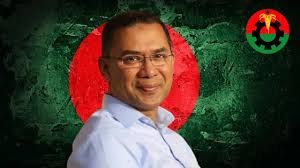 Tarique Rahman’s Rise Toward Bangladesh’s Top Job
 Australian Families Leave Syrian Camp for Home
 SA Police Intensify Search in Gus Lamont Case