
Published: 17 February 2026. The English Chronicle Desk. The English Chronicle Online
Bangladesh is preparing to welcome a new prime minister following a historic general election that saw record voter turnout and a decisive victory for the winning party. Millions of citizens across the country took part in the elections, signaling strong engagement and a desire for stability and effective governance. The swearing-in ceremony is scheduled to take place at Bangabhaban, the presidential palace in Dhaka, and is expected to be attended by senior political leaders, members of parliament, foreign diplomats, and representatives of civil society.
The prime minister-elect secured a commanding majority in the Jatiya Sangsad, giving the incoming administration a clear mandate to implement its legislative and policy agenda. Analysts say the scale of the victory is significant not only because of the number of seats won but also due to the broad support across both urban and rural constituencies. Many observers see this as an indication of strong national appeal and the public’s trust in the government’s promises for economic growth, job creation, and reforms in governance.

The elections were closely monitored by local and international observers, who reported that voting was largely peaceful, with only isolated incidents of tension. Security forces were deployed nationwide to maintain order, particularly in areas historically prone to election-related disturbances. While some opposition groups raised concerns about campaign fairness and administrative neutrality, the Election Commission confirmed that the process adhered to constitutional and legal standards.
As the new government prepares to take office, attention is turning to its immediate priorities. The prime minister has pledged to focus on strengthening economic resilience amid global market uncertainties, expanding export industries beyond ready-made garments, improving energy security and infrastructure, and addressing inflation and the rising cost of living. Experts note that restoring investor confidence and ensuring fiscal stability will be key tasks during the early months of governance.
Youth employment has emerged as a major focus, as a significant portion of Bangladesh’s population is under 35. The incoming prime minister has announced initiatives aimed at vocational training, technology-driven job creation, and support for start-ups, highlighting the administration’s commitment to providing opportunities for the next generation. First-time voters, many of whom participated enthusiastically in the elections, have expressed cautious optimism and hope that promised reforms translate into tangible benefits.
Foreign relations will also be a priority, with Bangladesh maintaining strategic partnerships with regional neighbors, including India and China, while fostering closer ties with the United States, the European Union, and Gulf nations. Diplomats have welcomed the peaceful transition of power and emphasized the importance of collaboration on shared priorities such as climate resilience, sustainable development, and regional security.
Bangladesh’s vulnerability to climate change remains a pressing concern. Rising sea levels, river erosion, and extreme weather events continue to threaten agriculture, coastal communities, and infrastructure. The incoming administration has promised increased investment in flood defenses, renewable energy, and green urban planning to mitigate these risks and support sustainable growth.

The political landscape will remain closely watched, as opposition parties have pledged to remain active and hold the government accountable. Analysts emphasize that the durability of democratic institutions will depend on how effectively the new administration engages with dissenting voices and encourages constructive parliamentary debate. Citizens across the country are hopeful that political stability will translate into improved public services, economic opportunity, and enhanced governance.
The formal swearing-in at Bangabhaban, followed by the oath-taking of cabinet ministers, will mark the official start of the new government. Roads near the palace are expected to experience temporary closures, and the ceremony will be broadcast live on state television. Across Bangladesh, citizens are preparing to witness a historic moment, while supporters celebrate and civil society calls for inclusive and accountable governance.
As the nation embarks on this new chapter, expectations remain high. The prime minister enters office with a clear mandate and a strong parliamentary majority, tasked with transforming electoral promises into meaningful outcomes for Bangladesh’s people. The coming months will be crucial in shaping the country’s political, economic, and social trajectory for years to come.
Related News:
 After the Landslide: Can India Reset Ties with BNP Bangladesh?
 China Strikes at Japan’s Core — Will PM Takaichi Back Down?
 UK Must Act with Courage and Clarity on Israel-Palestine Conflict, Says Foreign Affairs Committee Report
 The Fight for Trans Safety Is a Fight for Everyone’s Safety — MPs Must Debate This Crucial Issue
 Brian Cox Slams Donald Trump’s Remarks on Scottish Independence and Voices Support for Kevin Spacey’s Return to Acting
 Chancellor Faces Mounting Pressure Amid “Impossible Trilemma” Over Tax Rises
 Radioactive Leak at UK’s Nuclear Warhead Base Sparks Outcry Over Safety and Secrecy
 Mutual Inconvenience: Why Alaska Was Chosen for the Trump-Putin Summit on Ukraine
 Chancellor Rachel Reeves Pushes for Sweeping Changes to Environmental Protections to Accelerate Development
 Hong Kong Summons UK and Australian Envoys Following Asylum Grants to Democracy Activists
 Is the UK Ready to Put Boots on the Ground in Ukraine? Assessing Military Capacity and Challenges
 Police Scotland Spends £500,000 Compensating Officers Over Trump Visit
 Britain’s Migration Challenge: Rising Asylum Numbers and Hotel Pressures
 Elon Musk Sparks New Controversy by Backing Tommy Robinson Amid Farage Feud
 Rylan Clark Criticizes UK Immigration Policies on This Morning, Sparking Public Debate
 Farage Blasts Essex Council Over St George’s Flag Controversy, Calls Message ‘Unbelievable
 Urgent Action Needed on Windrush Compensation as Survivors Speak of “Waiting to Die”
 Tanni Grey-Thompson Faces Abuse Over Opposition to Assisted Dying Bill
 TfL Invites RMT to Resume Talks as London Tube Strikes End
 Channel Crossings Surge: Over 1,000 People Arrive in the UK in Small Boats in a Single Day
 Widow of Charlie Kirk Forgives Killer at Emotional Memorial Service
 Nigel Farage Unveils Controversial Immigration and Welfare Plans at Reform UK Press Conference
 Yvette Cooper Signals Global Momentum Towards Gaza Peace Deal Amid Humanitarian Crisis
 Ed Miliband Warns UK Government on X, Citing Elon Musk as a “Dangerous Influence”
 Kemi Badenoch Unveils ‘Golden Rule’ to Halve Spending Cuts for Deficit Reduction at Tory Conference
 UK border officers deployed to Balkans to tackle migrant smuggling
 UK MPs warn of repeat riots over online misinformation
 Russia’s Latest Push to Win US Favors Shows Deep Desperation
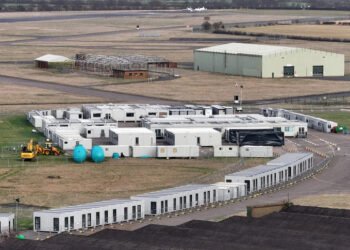 Army Barracks to House Migrants as Hotels Phase Out
 Army Officers Orders to Cut Ties with Men-Only Clubs
 Trump’s UK Ambassador Urges North Sea Drilling to Strengthen US Ties
 French Taxi Driver Cleared in David Lammy Theft Case After Fare Dispute
BBC to Apologise Over Edited Trump Speech Amid Backlash
French Taxi Driver Cleared in David Lammy Theft Case After Fare Dispute
BBC to Apologise Over Edited Trump Speech Amid Backlash
 Britain deploys RAF specialists to assist Belgium with drone threats
 Millionaires group urge Reeves to introduce wealth tax to ‘lift kids out of poverty’
 Reeves rejects £1bn plea for NHS redundancy payouts
 PM Condemns Leaks, Vows Loyalty to Ministers and Stability
 Trump Urges Herzog to Grant Netanyahu Full Pardon
 Major Rent Reform Ends No-Fault Evictions in England
 Senator John Fetterman Hospitalized After Fall from Heart Flare-Up, Keeps Sense of Humor
 Indian authorities demolish Kashmir home linked to Red Fort blast
 Greene Pushes Epstein Files Amid Trump Fallout
 December Run-Off in Chile as Election Produces No Winner
 Canada Passes Carney’s First Budget in Tight Parliamentary Vote
 Shadow Fleet at Sea: Europe’s Battle Against Illicit Oil Shipping
 India’s COP30 Delay Raises Global Climate Concerns
 Georgians Defy Government Crackdown After Year of Protests
 US National Guard Member Killed in DC Shooting
 ICC to Rule on Duterte’s Provisional Release
 Starmer Says Labour’s Economic Plan Needs Years to Deliver
 England delays four mayoral elections amid criticism
 Tory Free Schools Waste £325m on Failed Projects
 Khaleda Zia Death in Bangladesh: First Female PM Dies at 80
 Albanese Opens Door to Bondi Royal Commission Amid Rising Pressure
 Iran Protesters Defy Crackdown as Violent Clashes Intensify
 Homeland security agents deployed amid Minneapolis protests
 US Senate rejects resolution limiting Trump military powers
 Right Must Unite After Jenrick Defection, Urges Rees-Mogg
 EU weighs response amid Greenland tariff crisis with Trump
 UK Ministers Drop Foreign Student Targets for Global Education Push
 No Gas Boiler Ban as UK Warm Homes Plan Backs Heat Pumps
 Shinzo Abe’s killer receives life sentence in Japan
 American democracy faces crisis after Trump’s return
 Sussan Ley leadership milestone shakes Liberal future
 EU Says US Ties Have Suffered ‘Big Blow’ After Greenland Crisis
 Satire Can Skewer Trump, But It Won’t Save Democracy
 Police response times face strict new national limits
 Labour policing overhaul sparks fears over growing central control
 Starmer warns of toxic division politics in Reform challenge
 Israel Moves to Bar MSF From Gaza Operations
 Palantir contracts face UK halt calls over transparency
 Australia’s Opposition Coalition Reunites After Rift
 Diane Abbott Slams Applause for Keir Starmer as PM Vows to Stay On After Mandelson-Epstein Row
 Nurses’ families fear breakup under UK immigration crackdown
 ‘Trump Will Be Gone in Three Years,’ Top Democrats Tell Europe
 Children ‘Weaponised’ by Both Sides of Trans Debate, Cass Says
 Could Manchester Lead the UK’s Economic Revival?
 Australian Families Leave Syrian Camp for Home
 Starmer Weighs Fast-Tracking Defence Boost
 Japan’s Lost “Tigers” Were Actually Lions, Study Reveals