Published: 17 February 2026. The English Chronicle Desk. The English Chronicle Online.
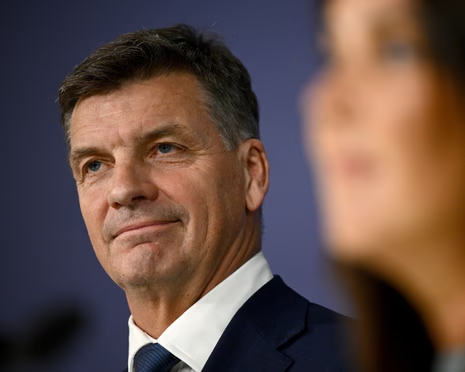
The 60 Minutes exit of trust in political leadership parallels the mounting challenges facing Angus Taylor, who has unveiled a new frontbench designed to confront Labor directly. From the outset, Taylor’s reshaped shadow ministry reflects a broader struggle to preserve the Liberal party’s relevance amid dwindling voter confidence. With critics deeming the party increasingly irrelevant, only committed loyalists may realistically anticipate competitiveness in the next election cycle. Key appointments signal a strategic effort to consolidate the party’s core base, with Tim Wilson assuming the role of shadow treasurer and Claire Chandler tasked with finance responsibilities.
Supporting allies such as Andrew Hastie, Jonno Duniam, and Jacinta Nampijinpa Price were rewarded with influential portfolios, while rising performers like James Paterson and Aaron Violi gained critical positions in defence and the digital economy. Taylor also navigated internal divisions by retaining figures associated with Sussan Ley, including Ted O’Brien in foreign affairs, reflecting ongoing fractures within the party. Cooperation with the Nationals has been partially restored, bringing back figures like Bridget McKenzie and Ross Cadell after tensions under Ley highlighted leadership vulnerabilities.


The 60 Minutes exit-style scrutiny from media and political analysts ensures that Taylor’s decisions and public statements will be evaluated in real time. Each portfolio assignment, statement on policy, and reaction to Labor initiatives will contribute to shaping public opinion and the narrative around the Liberal party’s viability. Effective communication, combined with strategic policy articulation, will be central to countering narratives of irrelevance and sustaining party momentum heading toward the next election.
The Liberals’ survival hinges on their ability to demonstrate both competence and responsiveness in addressing the electorate’s pressing concerns. Taylor’s leadership, while currently focused on internal consolidation, must transition toward a broader engagement with voters’ priorities, blending firm ideological stances with practical solutions. The interplay between internal party cohesion and external political positioning will define the trajectory of the Liberal party in the coming months.
Ultimately, the challenges confronting Taylor extend beyond personnel management; they encompass the necessity of crafting a resonant policy agenda that can engage diverse voter groups. Strategic appointments, factional diplomacy, and careful messaging constitute the first steps in this process, but tangible policy outcomes will be the true measure of effectiveness. The shadow ministry’s performance, public reception, and ability to respond decisively to unfolding political events will determine whether Taylor’s leadership can revitalize the party or merely delay an inevitable decline.
Related News:
 Liberal Turmoil Threatens Victorian Election Hopes
 Hanson and Joyce Use Rinehart Jet to Tour Flooded Queensland
 Labor’s Hate Speech and Gun Laws Face Federal Roadblocks
 Nationals Crisis Meeting Threatens Coalition Stability
 Sussan Ley leadership milestone shakes Liberal future
 Andrew Hastie Emerges as Leadership Rival to Ley
 Morrison Faces Backlash Over Call to Regulate Islam in Australia
 David Littleproud and Sussan Ley to Discuss Coalition Future
 Jess Wilson Event Exit After Joyce Controversy
 Australia’s Opposition Coalition Reunites After Rift
 Liberal Party Faces Leadership Spill as Taylor Challenges Ley
 Green Party Surges Past Labour in Latest UK Poll
 Army Officers Orders to Cut Ties with Men-Only Clubs
 Trump’s UK Ambassador Urges North Sea Drilling to Strengthen US Ties
 French Taxi Driver Cleared in David Lammy Theft Case After Fare Dispute
 Labour immigration crackdown could cost UK £4.4bn
BBC to Apologise Over Edited Trump Speech Amid Backlash
Labour immigration crackdown could cost UK £4.4bn
BBC to Apologise Over Edited Trump Speech Amid Backlash
 Britain deploys RAF specialists to assist Belgium with drone threats
 Millionaires group urge Reeves to introduce wealth tax to ‘lift kids out of poverty’
 Starmer Faces Growing Dissent as Labour MPs Weigh Leadership Challenge
 Reeves rejects £1bn plea for NHS redundancy payouts
 PM Condemns Leaks, Vows Loyalty to Ministers and Stability
 Major Rent Reform Ends No-Fault Evictions in England
 Peers Flood Assisted Dying Bill with 942 Amendments
 Senator John Fetterman Hospitalized After Fall from Heart Flare-Up, Keeps Sense of Humor
 US Justice Department Files Lawsuit Against California Over Partisan Voting Maps
 Greene Pushes Epstein Files Amid Trump Fallout
 Trump Deploys DHS to Charlotte in Major Arrest Operation
 December Run-Off in Chile as Election Produces No Winner
 Canada Passes Carney’s First Budget in Tight Parliamentary Vote
 Shadow Fleet at Sea: Europe’s Battle Against Illicit Oil Shipping
 Pentagon Officials in Ukraine to Discuss War End
 Venezuela Threatens Nobel Winner Machado with Fugitive Status
 Most Tories Expect to Support a Farage-Led Government
 Labour MP claims devolution bill is ‘blatant discrimination’ against Cornwall
 Millions Face Higher Taxes Under Reeves New Budget
 Georgians Defy Government Crackdown After Year of Protests
 US National Guard Member Killed in DC Shooting
 ICC to Rule on Duterte’s Provisional Release
 Jordan Bardella: France’s Young Presidential Contender
 Starmer Says Labour’s Economic Plan Needs Years to Deliver
 EU plans $105bn Ukraine aid using frozen Russian assets
 Culture secretary to review Telegraph takeover by Daily Mail owner
 Khaleda Zia Death in Bangladesh: First Female PM Dies at 80
 Russia losses Ukraine war peace talks intensify amid rising deaths
 Albanese Opens Door to Bondi Royal Commission Amid Rising Pressure
 Trump Escalates Minnesota Immigration Surge Amid Rising Tensions
 Iran Protesters Defy Crackdown as Violent Clashes Intensify
 Adelaide Festival Sparks Widespread Controversy Among Writers
 Homeland security agents deployed amid Minneapolis protests
 Trump Threatens Strong Action If Iran Executes Protesters
 US Senate rejects resolution limiting Trump military powers
 Machado Trump medal gesture reshapes Venezuela power struggle
 Right Must Unite After Jenrick Defection, Urges Rees-Mogg
 EU weighs response amid Greenland tariff crisis with Trump
 Sydney Shark Attack Surge Shocks Australia Beaches
 UK Ministers Drop Foreign Student Targets for Global Education Push
 MPs warn AI financial risks threaten UK stability
 NSW Shark Attacks Surge, Authorities Urge Swimmers to Stay Out
 No Gas Boiler Ban as UK Warm Homes Plan Backs Heat Pumps
 Shinzo Abe’s killer receives life sentence in Japan
 Deadly NSW Shooting Leaves Three Dead, Gunman Escapes
 EU Says US Ties Have Suffered ‘Big Blow’ After Greenland Crisis
 Satire Can Skewer Trump, But It Won’t Save Democracy
 Police response times face strict new national limits
 Labour policing overhaul sparks fears over growing central control
 Starmer warns of toxic division politics in Reform challenge
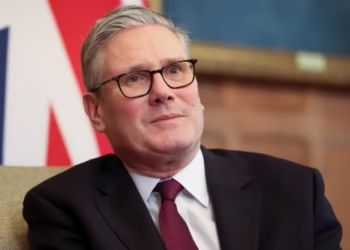 Starmer China visit raises human rights pressure on Beijing
 Keir Starmer Signals UK China Reset With Xi Visit Possibility
 Cambridge Faces Scrutiny Over Arms Investment Transparency
 Israel Moves to Bar MSF From Gaza Operations
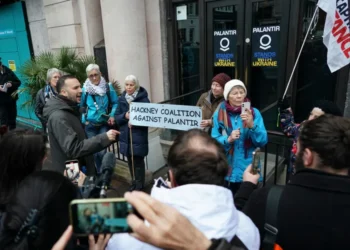 Palantir contracts face UK halt calls over transparency
 Gus Lamont Case: Grandmothers ‘Devastated’ by Major Crime Status
 Nurses’ families fear breakup under UK immigration crackdown
 Labour Lord Doyle Apologises Over Paedophile Ties in Political Storm
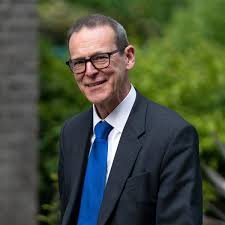 Cabinet Secretary Shake-Up Triggers Due Diligence Warning
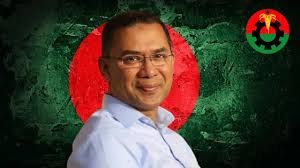 Tarique Rahman’s Rise Toward Bangladesh’s Top Job
 Starmer Faces Inquiry Calls Over Thinktank Probe
 Australian Families Leave Syrian Camp for Home
 Trump Attacks UK-California Energy Pact