Published: 17 February 2026. The English Chronicle Desk. The English Chronicle Online
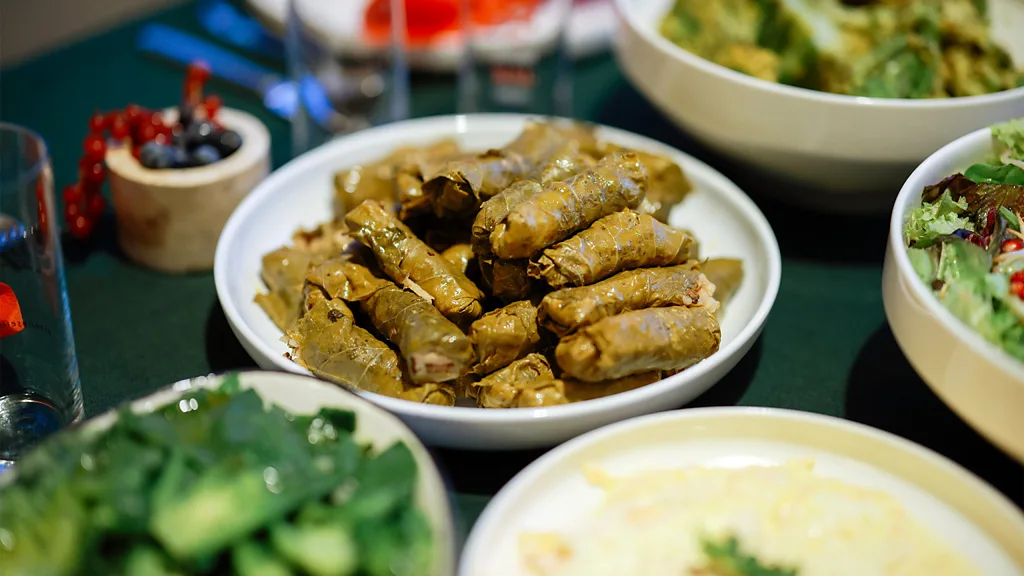
Across the Eastern Mediterranean, the Middle East, the Balkans and the Caucasus, millions of food lovers know it as a simple yet irresistible culinary tradition: dolma, a family of stuffed dishes that has become beloved around the globe. From grape leaves tightly wrapped around fragrant rice to vegetables artfully filled with minced meat and herbs, dolma’s journey through history reflects centuries of cultural exchange, migration and shared kitchens.
The name dolma comes from the Turkish verb dolmak, meaning “to be stuffed,” and the dish has deep roots in the Ottoman Empire, where kitchens across the vast realm perfected countless variations. Though the exact origin is debated, evidence of stuffed vegetables appears in cookbooks from the Islamic Golden Age and in ancient Mediterranean culinary traditions, showing how the idea of filling vegetables with rich mixtures transcends time and borders.

Traditionally, dolma features vine leaves filled with rice, herbs and sometimes minced meat, then gently cooked until tender. But the concept extends far beyond these classic rolls: zucchini, peppers, cabbage leaves, eggplants and even fruits like quinces and apples have all been filled and simmered in savory sauces. The fillings vary by region and season, with aromatic spices, fresh herbs, and local produce shaping every bite.
In Azerbaijan, dolma is not just food but a cultural treasure — so central to local cuisine that its preparation and sharing traditions were added to the UNESCO Representative List of the Intangible Cultural Heritage of Humanity. In this part of the world alone, more than 300 distinct regional variations are celebrated, each with its own wrapping style and flavour secrets passed down through generations.
Greek dolmades — grape leaves stuffed with rice and often served with lemon or avgolemono sauce — have become emblematic of Mediterranean cuisine worldwide, while in Arab countries, similar stuffed dishes are known by names like mahshi, often cooked with olive oil or paired with yogurt and tahini sauces. Across Armenia, Turkey, Lebanon, Syria and beyond, dolma remains a festive dish, served at weddings, holidays and family gatherings.

Variations also reflect how cultures adapt and reinterpret the recipe: in Bengali kitchens, influences from Armenian dolma evolved into potoler dolma, where pointed gourd is stuffed with seafood or minced meat — a testament to how this humble stuffed dish adapts to new lands and tastes while preserving its essence.
More than just a meal, dolma embodies community, tradition and hospitality. Its preparation often brings families together — laying out grape leaves, mixing rice with spices, and rolling each piece by hand — turning cooking into a shared experience and the dish into a symbol of cultural heritage that continues to delight palates around the world.
Related News:
 South Africa’s Garden Route Gem Faces Looming Water Crisis
 Two Britons Among Three Dead in French Alps Avalanche
 ‘Fabled Knights of Old’: The True Story of Japan’s Mysterious Samurai
 A Very Chinese Time? Soft Power on the Rise
 How to Get the Best View of the Northern Lights in 2026
 Cuban Cigar Festival Cancelled Amid US-Linked Energy Crisis
 What Happened to Bathroom Doors in Hotels?
 Battle to Save the Crumbling Palace of General Gordon’s Last Stand
 Year of the Fire Horse Welcomed by Millions from Beijing to Bangkok
 Lunar New Year 2026: Celebrations Around the World
 ‘There Is a Feeling of the Greatest Outrage’: The Mystery of Stolen Champion Racehorse Shergar
 ‘Simple but Harmonious’: Eight Iconic Nordic Homes Throughout History