Published: 18 February 2026. The English Chronicle Desk. The English Chronicle Online.
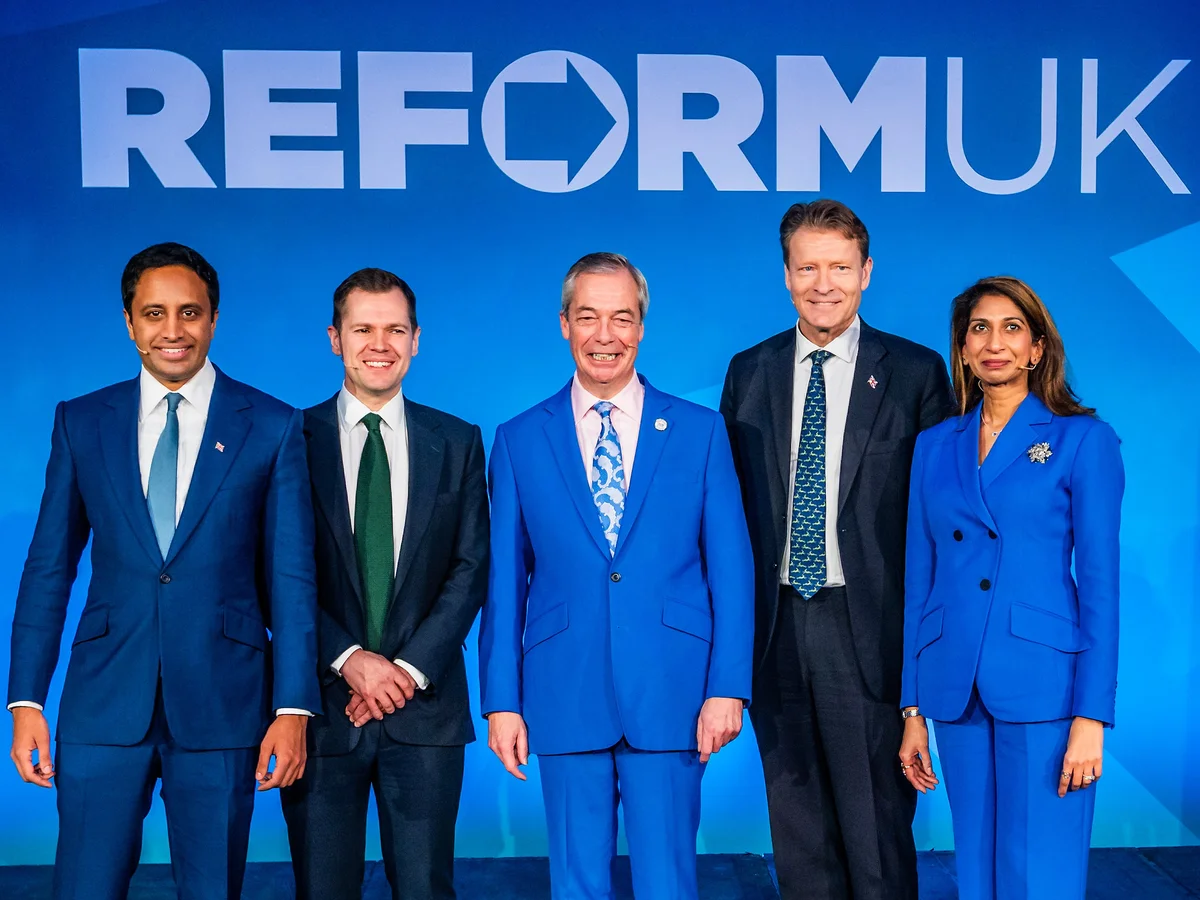
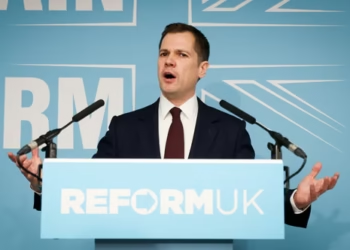
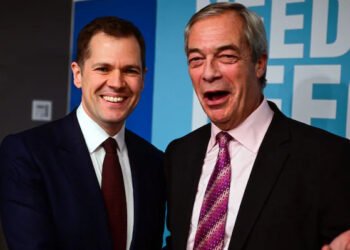
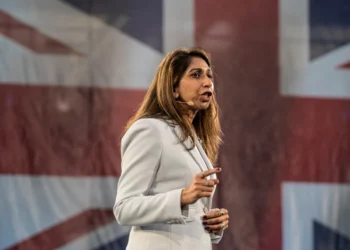
Nigel Farage has unveiled Reform UK’s frontbench team, signalling a strategic reshaping of the party. Reform UK now presents a team with clear portfolios, demonstrating the party is no longer solely dependent on Farage himself, while he stressed that internal dissent would not be tolerated. This first announcement features four senior figures, two of whom are recent Conservative defectors: Robert Jenrick will handle the Treasury brief, and Suella Braverman takes charge of education, skills, and equalities, reinforcing Reform UK’s growing political presence.
Richard Tice, the party’s deputy leader, had previously been expected to take on the Treasury role but has now been assigned a combined brief covering business, trade, and energy. Zia Yusuf, the head of policy and the only appointee outside Parliament, will oversee home affairs and migration, completing the first tier of the newly formed cabinet. Farage insisted that the emergence of this team addresses prior criticism that Reform UK functioned as a “one-man band,” and he positioned it as a fully operational machine ready for government challenges.
“This is about creating a machine for government,” Farage stated, highlighting the party’s aim to close the recognition gap between him personally and Reform UK as a whole. He emphasised that the party now has its own senior figures capable of managing distinct departments independently. “Reform now has its own identity and senior characters with leadership across key areas. I’m enormously proud of that,” he added, underscoring the shift toward collective governance while retaining ultimate authority.

Despite this delegation, Farage made clear that policy decisions will ultimately remain under his control. When asked whether the assignment of roles had caused tension, he replied that no concerns had yet reached him, and warned that disloyalty or disruptive behaviour would be swiftly addressed. This approach was reinforced by his conduct during the press conference, in which he frequently answered questions on behalf of his appointees or pre-empted responses, asserting strict control over public messaging.
Policy outlines from the new team revealed a clear ideological direction. Braverman immediately signalled her priorities by declaring she would abolish her own equalities brief and repeal the Equality Act. On education, she criticised the prevalence of liberal ideology in schools and proposed redirecting efforts from university attendance targets toward vocational training, aiming for half of young people to train in skilled trades such as carpentry or electrical work. Jenrick is scheduled to provide more detail on economic policy, emphasizing that a Reform UK government would maintain the Bank of England’s independence and preserve the Office for Budget Responsibility, while bringing in external experts to enhance diversity of opinion.
Farage defended the appointments of Jenrick and Braverman, countering potential criticism over hiring former Conservative officials who had served in governments he previously condemned. He stressed their suitability due to past resignations or dismissals, noting Braverman had been sacked twice as home secretary. Farage indicated the party will continue to accept defectors from the Conservatives until May, though he does not anticipate a significant influx of additional members.
The political reaction to the frontbench announcement has been mixed. Labour’s Anna Turley described the team as a “top team of failed Tories,” suggesting Reform UK risks repeating past mistakes. Conservative chair Kevin Hollinrake observed that the lineup appears more like a tribute to former Conservatives than a genuine alternative, noting the potential for career-minded behaviour among some appointees. Despite these critiques, Reform UK’s latest moves have been interpreted as a serious attempt to consolidate leadership and policy direction ahead of forthcoming electoral contests.
Reform UK’s positioning reflects Farage’s strategic desire to demonstrate political credibility while maintaining tight internal discipline. By assembling a team with distinct responsibilities and signalling immediate policy intentions, the party aims to attract voters seeking change without the perception of reliance on a single leader. The integration of experienced former Conservatives is intended to reassure investors and voters alike, presenting a blend of continuity and reform in key economic and social areas. However, the party’s ideological stance, particularly on education and equalities, will likely remain contentious, drawing attention from both media and opposition parties.
As the party solidifies its identity, Farage’s emphasis on loyalty and obedience within the team highlights the importance of unity in projecting competence. The controlled messaging at the press conference, combined with early policy declarations, is designed to signal a professional, disciplined operation ready to take on governmental responsibilities. Reform UK’s frontbench is therefore positioned not only as a functional political team but also as a tool to bolster the party’s credibility in the eyes of the public, stakeholders, and potential defectors still considering joining the movement.
The announcement also reflects a broader tactical approach in contemporary UK politics, where smaller parties seek to establish their presence rapidly by leveraging high-profile figures and clearly defined policy portfolios. By doing so, Reform UK positions itself as a serious competitor, capable of governing, and demonstrates strategic acumen in both personnel selection and policy prioritisation. The frontbench team’s composition illustrates Farage’s dual strategy: consolidating political talent while preserving ultimate authority over decision-making.

Farage’s choice of appointees and their respective responsibilities suggest an effort to appeal to both traditionalist and reformist voter bases. The economic brief handled by Jenrick seeks to convey fiscal stability, while Braverman’s radical approach to education and equalities aims to attract those frustrated with perceived ideological dominance in schools. Tice’s portfolio covering business, trade, and energy addresses market concerns, and Yusuf’s oversight of home affairs and migration underscores the party’s commitment to reshaping national policy agendas. Collectively, these appointments portray Reform UK as a coherent, prepared, and strategically disciplined party.
The party’s focus on immediate operational readiness, combined with long-term planning for potential defections, indicates an ambitious roadmap. Farage’s May deadline for new Conservative defectors underlines the party’s urgency to capture experienced talent while consolidating authority among existing members. The coordinated messaging and public handling of the frontbench reveal Farage’s intent to control the narrative and prevent internal divisions from undermining the party’s broader political goals. This structured approach marks a significant evolution in Reform UK’s maturity as a political entity.
As Reform UK continues to define its role in the UK’s political landscape, the frontbench announcement provides a clear indication of Farage’s strategic vision. By emphasizing loyalty, operational capability, and targeted policy interventions, the party seeks to establish credibility and differentiate itself from both the Conservative and Labour parties. The inclusion of experienced figures alongside emerging policy leaders allows Reform UK to present a balanced yet decisive image, reinforcing the party’s message of reform, competence, and readiness to govern.
Related News:
 British Woman in Iran ‘Losing Hope’ Amid Ongoing Detention
 BBC Journalist Held and Interrogated in Vietnam
 Green Party Surges Past Labour in Latest UK Poll
 Celebrities and Charities Demand UK Government Act on Child Poverty
 Trump’s UK Ambassador Urges North Sea Drilling to Strengthen US Ties
 FBI Director Kash Patel Defends Girlfriend Amid Government Jet Claims
 French Taxi Driver Cleared in David Lammy Theft Case After Fare Dispute
 MPs Press Rachel Reeves to Hike Gambling Taxes
 Boris Johnson accused of undermining BBC leadership
 ‘Reckless’ cuts to victims’ services will cost more than they save
 Millionaires group urge Reeves to introduce wealth tax to ‘lift kids out of poverty’
 Starmer Faces Growing Dissent as Labour MPs Weigh Leadership Challenge
 Reeves rejects £1bn plea for NHS redundancy payouts
 Farage appointee to lead Reform youth accused of anti-British views
 Politics latest: Starmer ‘will fight any leadership coup’ as Streeting denies attempt to oust Labour PM
 PM Condemns Leaks, Vows Loyalty to Ministers and Stability
 Major Rent Reform Ends No-Fault Evictions in England
 Peers Flood Assisted Dying Bill with 942 Amendments
 England’s Special Needs Support Faces Breaking Point
 MoD warned over Excel risks before Afghan data breach
 UK Asylum Overhaul Sparks Debate Over Human Rights and Deportations
 UK Asylum Reforms: Temporary Refugee Status and Faster Deportations
 UK Candidate Moved to Safe House After Election Threats
 Mahmood Defends Tough Overhaul of UK Asylum System
 UK Warns China After MI5 Issues Espionage Alert
 Westminster Advances Legacy Bill Amid Criticism
 UK Vulnerable to Attack, Defence Committee Finds
 Labour Faces Historic Decline in Wales
 Rama Rebukes Mahmood for Targeting Albanian Families
 PM Highlights UK Business at G20 in South Africa
 Kate Forbes: Motherhood Harder Than Politics
 Welsh Government Christmas 2020 Lockdown Criticised
 Most Tories Expect to Support a Farage-Led Government
 Labour MP claims devolution bill is ‘blatant discrimination’ against Cornwall
 Millions Face Higher Taxes Under Reeves New Budget
 Peers Get Extra Time to Debate Assisted Dying Bill
 Planned Palestinian Flag Raising at Belfast City Hall Faces Delay Amid Legal Concerns
 Government righting decades-old injustice for miners
 Starmer Says Labour’s Economic Plan Needs Years to Deliver
 UK delays ruling on China embassy plan until January
 Culture secretary to review Telegraph takeover by Daily Mail owner
 Andy Burnham Apologises for Past LGBTQ+ Police Discrimination
 Plans to Limit Jury Trials Face Retreat After Mounting Opposition
 Jenrick Reform defection deepens Tory civil war
 China Dependence Threatens UK Energy Supply Chains and Jobs
 Right Must Unite After Jenrick Defection, Urges Rees-Mogg
 UK Ministers Drop Foreign Student Targets for Global Education Push
 MPs warn AI financial risks threaten UK stability
 MPs warn AI financial risks threaten UK stability
 No Gas Boiler Ban as UK Warm Homes Plan Backs Heat Pumps
 Hugh Grant Joins Call for Under-16 Social Media Ban in UK
 Shinzo Abe’s killer receives life sentence in Japan
 US Africa aid remarks spark anger after leaked State email
 Lords Vote Piles Pressure on Starmer Over Social Media Ban
 Planned Troubles Board Game Sparks Outrage in Northern Ireland
 Reform UK Health Plan ‘Would Cost £1.7bn’, Streeting Says
 Police response times face strict new national limits
 Labour policing overhaul sparks fears over growing central control
 Tories criticised after Braverman defection sparks mental health row
 Burnham Westminster return hopes fade amid Labour rift
 Starmer warns of toxic division politics in Reform challenge
 Starmer China visit raises human rights pressure on Beijing
 Labour Must Revive High Streets to Avoid Election Collapse
 Conservative Party Rejects Centrism Under Badenoch’s Leadership
 Calls Grow for King Charles to Apologise for Crown’s Role in Slavery
 Starmer Signals UK Return to EU Defence Pact Talks
 Starmer crisis deepens as Labour MPs turn on PM
 Palantir contracts face UK halt calls over transparency
 Labour Thinktank Row Deepens Over Journalist Probe Claims
 Morgan McSweeney downfall shocks Labour leadership
 Sarwar call shakes Labour as No 10 calms fears
 Starmer Aide Loses Lords Role in Doyle Whip Row
 Labour Lord Doyle Apologises Over Paedophile Ties in Political Storm
 Palestine Action Verdict Sparks Debate on Activist Tactics
 Cabinet Secretary Shake-Up Triggers Due Diligence Warning
 Starmer Faces Inquiry Calls Over Thinktank Probe
 Royal Mail Delivery Crisis Deepens Amid Weather Chaos
 Labour Together probe scandal sparks fresh Cabinet Office investigation
 Farage to Name Jenrick as Reform Chancellor Pick
 Training Drive May Not Curb Net Migration