Published: 19 February 2026. The English Chronicle Desk. The English Chronicle Online
A stark climate analysis warns that the world is rapidly approaching a new era of global warming of around 1.7°C above pre‑industrial levels, a threshold that scientists say could make the impacts of climate change much more visible and damaging to economies, ecosystems and human life — and critics blame recent political shifts, including actions by US President Donald Trump, for weakening efforts to curb emissions and pushing the world further away from the goals of the Paris Agreement.
According to a study highlighted in commentary by The Telegraph, climate scientists — including veterans such as Jim Hansen of Columbia University — estimate that global temperatures could reach a 1.7°C average increase as soon as next year, particularly as cyclical weather patterns such as the shift from La Niña to El Niño add extra heat to already warming global trends. This projection reflects a broader pattern of rising temperatures globally, with recent years often breaking records and exceeding earlier scientific models.

The discussion arrives at a politically charged moment, with the Trump administration taking major steps to dismantle key US climate regulations, including moves to revoke scientific findings that underpinned emissions rules and significantly roll back federal authority to regulate greenhouse gases that trap heat in the atmosphere. Critics argue that these deregulatory actions — which have drawn strong condemnation from scientists and environmental groups — will reduce the United States’ contribution to emissions reduction efforts just as global warming edges closer to thresholds once considered avoidable.
Economists and climate experts caution that each fraction of a degree of warming matters: staying closer to the 1.5°C target outlined in the Paris Agreement is widely seen as important for reducing the severity of extreme weather events, sea‑level rise and ecological disruption, while a rise to 1.7°C or higher could amplify these impacts significantly. Current climate models — backed by assessments from the United Nations Environment Programme (UNEP) — indicate that even with existing pledges, global average temperature rise is likely to exceed 2°C later this century without rapid and dramatic emissions cuts.
Environmental scientists highlight that climate warming is already affecting weather patterns, ocean heat content and ice melt, with accelerating warming trends in recent decades tied directly to human‑induced emissions of CO₂ and other greenhouse gases. Although there is still technical debate about specific short‑term temperature spikes, the overall direction is clear: without stronger global action, warming beyond 1.5°C toward 1.7°C and above carries heightened risks for agriculture, infrastructure and biodiversity.

Supporters of stronger climate action argue that policies promoting renewable energy, electrification of transport and rapid decarbonisation in major economies are essential to slow the pace of warming and limit the worst consequences of climate change. Critics of Trump’s climate stance counter that rolling back environmental protections will undermine decades of progress and make it harder for the global community to coordinate effective responses.
As the world edges toward a “brave new world” of near‑2°C warming scenarios, the gap between political will and scientific urgency remains at the centre of international climate debates — with significant implications for future generations, global food security, and the resilience of communities around the world.
Related News:
 BP’s Influence Sparks Controversy in UK STEM Education
 Fast-moving Wildfires Rage Across Southwestern US
 Donald Trump’s UK State Visit Kicks Off Amid Major Tech Investments and Business Engagements
 Ed Davey Urges UK to Attract US Cancer Scientists Amid Funding Cuts Under Trump
 Digital ID Cards: A Useful Modern Tool or a Threat to Privacy and Security?
 UK Fighter Jet Purchase Could Breach Nuclear Treaty, Warns CND
 Russia repeatedly targets UK military satellites, warns Space Command chief
 Teen and Man Arrested Over Nursery Cyber Attack Exposing 8,000 Children
 Yvette Cooper Backs Digital ID Plan for UK Teens
 UK to Test Digital ID Scheme with Veteran Card
 Reform UK candidate fined £19,000 after using AI-generated cases to challenge election
 Experts Warn Russia’s Burevestnik Missile Could Destabilise Arms Control
 Britain deploys RAF specialists to assist Belgium with drone threats
 Night after night, Belgium is on high alert.
 US National Guard Member Killed in DC Shooting
 Trump to Recheck Green Cards from 19 Nations After DC Attack
 “Enough is Enough”: Local MP Vows to Fight Rainham Quarry Plans
 Republicans Hold Tennessee Seat Despite Democratic Surge
 Franklin Turtle, Sabrina Carpenter Slam US Social Media Use
 UK’s Largest Proposed Datacentre Faces Water Use Concerns
 Russia losses Ukraine war peace talks intensify amid rising deaths
 Trump Escalates Minnesota Immigration Surge Amid Rising Tensions
 Trump: US Stands Ready to Help Iran Find Freedom Amid Widespread Unrest
 US Conducts Large-Scale Strikes Against ISIS Targets Across Syria
 Homeland security agents deployed amid Minneapolis protests
 Top Senate Republican Says Federal Probe of Powell Could Challenge Fed Nominees
 Trump Administration Probe of Fed’s Powell Draws Pushback
 US Senator Mark Kelly Sues Pentagon Chief Hegseth Over Demotion Threats
 Greenland Faces Pivotal Summit Over Arctic Power Struggle
 US Clears Nvidia AI Chip Sales to China in Policy Shift
 Trump Threatens Strong Action If Iran Executes Protesters
 Government Unveils Northern Powerhouse Rail Plans
 Trump press secretary attacks reporter over ICE question
 Kyrsten Sinema Faces High-Profile Lawsuit Over Marriage Interference
 Trump Receives Machado’s Nobel Medal in White House Meeting
 Iran Signals Permanent Break From Global Internet, Activists Warn
 Greenland Crisis Forces Europe to Draw a Line With Trump
 China Halts Nvidia H200 Chips Despite US Export Approval
 Guterres Warns Global Cooperation Under Threat at UN’s 80th Year
 Nasa Prepares Historic Round-the-Moon Artemis II Mission
 European Leaders Condemn Trump Tariff Threat Over Greenland
 Robo-Vaccination Could Transform Fight Against Bovine TB
 Iran Cannot Be Bombed Into Democracy, Only Helped There
 ‘He Believed Help Was Coming’: Why Iran’s Protesters Feel Betrayed
 MPs warn AI financial risks threaten UK stability
 MPs warn AI financial risks threaten UK stability
 No Gas Boiler Ban as UK Warm Homes Plan Backs Heat Pumps
 Trump Fed bid heads to Supreme Court
 Historic Abu Dhabi Talks Bring US, Ukraine and Russia Together
 Trump Pulls Canada from His Controversial ‘Board of Peace’ Plan
 EU Says US Ties Have Suffered ‘Big Blow’ After Greenland Crisis
 ‘Unfathomable’: Australian veterans rebuke Trump claims
 Trump officials continue false claims after Alex Pretti shooting
 ‘Evil is resilient’: Pressure Mounts on Stephen Miller
 Reform UK Taps Boris Ally to Shape Party Nature Agenda
 Partial US Government Shutdown Hits Homeland Security Funding
 Thousands Protest ICE Operations in Nationwide US Day of Action
 Epstein Files Reveal Trump Officials’ Emails with Financier
 Thousands Protest ICE in New York Against Trump Deportation Campaign
 Sinema payment row deepens after $9,000 transfer claim
 Trump Praises ‘Terrific’ Petro After White House Talks
 Starmer to Release Mandelson Files
 California Wins Supreme Court Approval for New Map
 Fears of New Arms Race as US-Russia Nuclear Weapons Treaty Expires
 What is Groundwater Flooding and Why Dorset is Seeing ‘Historical Highs’
 Dozens of Flood Warnings in England After Days of Non-Stop Rain
 Fungi Mining and Giant Waste Piles: How to Get Rare Earths Without Mining Rock
 Nurses’ families fear breakup under UK immigration crackdown
 Trump Calls Democrats ‘Demented and Evil’ in Unhinged Tirade About Voter IDs
 ‘Trump Will Be Gone in Three Years,’ Top Democrats Tell Europe
 Starmer Targets AI Chatbots Over Child Safety Concerns
 Hillary Clinton Accuses Trump of Epstein Files ‘Cover-Up’ in BBC Interview
 US Civil Rights Leader Jesse Jackson Dies Aged 84
 New Nuclear Talks Between US and Iran Begin in Geneva
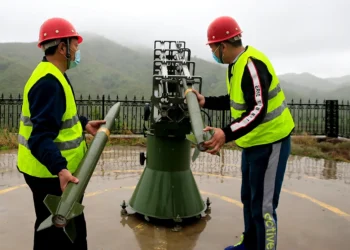 How China Became Fixated on Cloud Seeding
 Temperatures Dip Below Freezing as Arctic Air Sweeps Across the UK
 ‘He Did It for Us’: US Soldier Recalls Jesse Jackson’s Efforts to Free Him and Two Other POWs
 Stephen Colbert Says CBS Spiked Interview With Democrat Over FCC Fears
 Moment Officers Rescue Injured Bald Eagle From Icy Hudson River
 I Saw First‑Hand Why Trump Still Wants More from Greenland