Published: 20 February 2026. The English Chronicle Desk. The English Chronicle Online
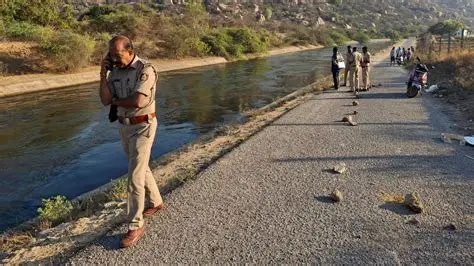
A court in southern India has handed down the death penalty to three men convicted of a brutal attack last year that saw an Israeli tourist and her Indian homestay host raped and a male tourist killed, judicial and media sources report. The verdict highlights both the severity of the crime and mounting public concern over the safety of travellers in one of the country’s most popular heritage tourism regions.

The First Additional District and Sessions Court in Koppal, Karnataka, delivered the death sentences on Monday after finding the three accused guilty of murder, gang rape, attempted murder, robbery and other offences stemming from the violent incident on 6 March 2025 near Sanapur Lake close to the UNESCO World Heritage site of Hampi. Judges described the offence as falling into the legal “rarest of rare” category, warranting the harshest punishment available under Indian law.
According to court documents and prosecution statements, a group of five tourists — including a 27‑year‑old Israeli woman, a 29‑year‑old Indian homestay host, an American man and two other male travellers — were stargazing by the Tungabhadra canal when they were accosted by three men on a motorcycle. After a brief confrontation, the assailants pushed the three male tourists into the canal; one, an Indian visitor from Odisha, later drowned. The attackers then subjected the two women to repeated sexual assaults before fleeing the scene.
The three convicted men — Mallesh alias Handi Malla (22), Sai alias Chaitanya Sai (21) and Sharanappa alias Sharanabasavaraj (27) — were arrested shortly after the attack and stood trial over the subsequent months. In addition to the death penalty for the murder charge, the court imposed life imprisonment terms and additional sentences for the related offences. The conviction and sentencing reflect India’s stringent judicial approach to violent crimes, especially those affecting both domestic citizens and foreign nationals.

Legal experts note that the sentence must still be ratified by the Karnataka High Court, and the convicts retain the right to appeal, meaning the executions are not imminent. India imposes capital punishment by hanging, but executions are uncommon and typically follow exhaustive legal review.
The case drew widespread national and international attention when it first came to light, renewing debates about women’s safety and visitor protection at tourist sites across India and prompting authorities to reaffirm commitments to bolster security in popular destinations.
Related News:
 Emails Show Epstein Funded Mandelson’s Husband After Jail
 Northern Ireland Family of Three Shot Dead in Maguiresbridge Home Incident
 Seventeen Dead as Russia Targets Ukrainian Prison in Devastating Airstrike
 A Fugitive’s Double Life Uncovered: My Interview with Nicholas Rossi, Scotland’s Notorious Escapee Facing Utah Rape Trial
 Failed New Mexico Candidate Sentenced to 80 Years for Drive-By Shootings at Lawmakers’ Homes
 Madeleine McCann Case: German Woman at Centre of Hit-and-Run Theory Speaks Out
 Australian Mushroom Murderer Sentenced to Life in Prison
 UK Home Office to Launch French Beach Signage to Warn Asylum Seekers of Risks
Channel Crossings Surge: Over 1,000 People Arrive in the UK in Small Boats in a Single Day
UK Home Office to Launch French Beach Signage to Warn Asylum Seekers of Risks
Channel Crossings Surge: Over 1,000 People Arrive in the UK in Small Boats in a Single Day
 Jailed Georgian Opposition Leaders Warn UK of Iranian Links to Ruling Party
 Cooper Unveils £4m Cyber Plan Against Russian Hackers
 Kosovo agrees to host Britain’s refused asylum seekers
 UK Gamer Recruited by Wagner Group Found Guilty of Arson
 WW2 Pilot’s Long-Lost Crash Site Unearthed in Essex
 Trump Speaks on Prince Andrew’s Royal Scandal Fallout
 UK University Faces Counter-Terror Probe Over China Pressure
 Just Stop Oil Protesters Convicted Amid Climate Defence Row
 British Grandmother to Return Home After Death Sentence in Bali
 BBC’s Tim Davie to Address Staff Amid Trump $1bn Threat
 Ukraine-Russia war latest: Putin’s troops exploit bad weather to force Kyiv withdrawal from multiple towns
 New Epstein Files Spark Political Clash in Washington
 New review urges UK to repatriate Shamima Begum, others from Syria
 Newly released emails reveal Epstein kept close eye on Trump
 Hasina Rejects Allegations Ahead of Bangladesh Tribunal Verdict
 Oklahoma Governor Grants Last-Minute Clemency to Death Row Inmate
 US Pushes Global Effort to Stop Arms Flow to Sudan RSF Forces
 Israel Confirms Returned Hostage as Meny Godard
 Indian authorities demolish Kashmir home linked to Red Fort blast
 Greene Pushes Epstein Files Amid Trump Fallout
 Tragedy Strikes Indian Pilgrims in Saudi Bus Accident
 Deadly Russian Strikes Hit Western Ukraine, 20 Killed in Ternopil
 WhatsApp Messages Expose Nathan Gill’s Bribery
 Venezuela Threatens Nobel Winner Machado with Fugitive Status
 Trump Envoy to Discuss Ukraine Peace at Kremlin
 Twenty-Four Nigerian Schoolgirls Freed After Abduction
 Two National Guard Soldiers Critically Injured Near White House
 Southern Lebanon reels as Israeli strikes shatter communities
 Video shows Israeli troops kill Palestinians after surrender
 Guinea-Bissau President Flees After Military Coup
 Rare shark attack kills woman, injures man at remote NSW beach
 American Mother Extradited From UK to U.S. on Murder Charges
 Migrant father guilty of honour killing in Holland
 Shock US Raid: Maduro Pleads Not Guilty in Manhattan Court
 UK and France Agree Troop Deployment Plan for Ukraine
 EU Weakens as Trump Targets Venezuela and Greenland
 Israel Dossier Sparks Australian Political Interference Concern
 Venezuela Oil Deal Opens Tensions with US Control
 UK Targets in New York Bomb Threat Hoax: Man Jailed
 US Citizens Warned to Venezuela Flee Amid Paramilitary Threats
 Gulf states warn Trump Iran strikes risk wider Middle East war
 Machado Trump medal gesture reshapes Venezuela power struggle
 Greenland defence seen as shared Nato duty amid troop arrivals
 Trump Receives Machado’s Nobel Medal in White House Meeting
 Iran unrest slows under brutal crackdown and global tensions
 Syria President Declares Victory as Ceasefire Reached with SDF
 US Considers Asylum for British Jews Amid Rising Antisemitism
 Thousands Flee Cambodia Scam Centres Amid Global Pressure
 Russia Strikes Kyiv and Kharkiv as Peace Talks Enter Day Two
 Files Link Andrew to Epstein Dinner After Prison Release
 Saif al-Islam Gaddafi Reportedly Killed in Libya Shooting
 Fears of New Arms Race as US-Russia Nuclear Weapons Treaty Expires
 US Military Says Two Killed in Strike on Alleged Drug Boat in Eastern Pacific
 Trump Endorses Japan’s Takaichi Ahead of Snap Election
 Venezuela’s Opposition Says Party Leader Kidnapped Hours After Being Freed
 Christchurch Shooter Seeks to Overturn Guilty Plea in Appeals Court
 Christchurch gunman seeks to vacate guilty plea
 After the Landslide: Can India Reset Ties with BNP Bangladesh?
 SA Police Intensify Search in Gus Lamont Case
 Taylor Swift concert attack plot shocks Austria
 China Strikes at Japan’s Core — Will PM Takaichi Back Down?
 Japan’s Lost “Tigers” Were Actually Lions, Study Reveals
 Five Young People Die in Spain Apartment Block Fire
 NSW kidnapping mistake sparks urgent appeal
 US Says It “Supports” UK Chagos Islands Deal
 Iran Says ‘Guiding Principles’ Agreed With US at Nuclear Talks
 Suspect in Rhode Island Ice Hockey Shooting Killed Ex‑Wife and Son
 Nine Arrested in France Over Death of Far‑Right Student
 Ukraine Peace Talks End in Acrimony After Two Hours
Leave Chagos Now, Britain Tells Returning Islanders
Ukraine Peace Talks End in Acrimony After Two Hours
Leave Chagos Now, Britain Tells Returning Islanders
 Indian University Kicked Out of AI Summit for Claiming Chinese Robot Dog as Its Own Invention