Published: 20 February 2026. The English Chronicle Desk. The English Chronicle Online
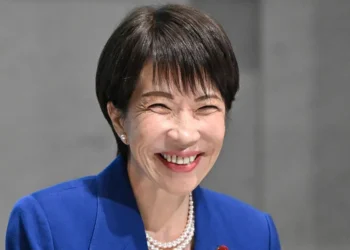
Japan is gearing up for a period of political and policy change after Prime Minister Sanae Takaichi was reappointed with a commanding legislative mandate following a landslide election victory for her ruling coalition, giving her government a supermajority in the lower house of the National Diet and the muscle to push through a bold conservative agenda.

Takaichi, who made history as Japan’s first female prime minister when she initially took office in October, sought a fresh public mandate in a snap election held on 8 February, calling for support for her ambitious blueprint of tax cuts, economic reform and a more assertive security posture. With her Liberal Democratic Party (LDP) and its Japan Innovation Party (JIP) coalition partners winning an overwhelming number of seats, she now enters her new term with increased authority to pursue sweeping policy changes.
At the centre of Takaichi’s agenda is a low‑tax economic strategy designed to revive Japan’s economy in the face of persistent inflation, demographic decline and stagnant growth. Her government has pledged a two‑year suspension of the 8 per cent food consumption tax to ease cost‑of‑living pressures, a move aimed at stimulating consumer spending but criticised by economists for adding strain to Japan’s already high public debt.
Beyond fiscal policy, Takaichi’s conservatives are expected to accelerate a right‑ward shift in security and defence, in part by increasing defence spending, easing restrictions on weapons exports, and expanding Japan’s role in regional security — particularly in response to rising tensions with China over Taiwan. She is also poised to pursue revisions to Japan’s pacifist constitution and tighten immigration policies, reflecting her ultra‑conservative vision for Japan’s future.
However, the sweeping mandate comes with challenges. Critics warn that aggressive tax cuts could worsen debt dynamics in the world’s most indebted major economy, while hawkish defence and nationalist policies risk heightening diplomatic tensions with neighbouring countries and atypical strain with Beijing. Japan has already seen a significant drop in Chinese tourism as diplomatic rifts over security issues simmer, underscoring the complexities of Takaichi’s foreign policy direction.

Domestically, there are also social implications to Takaichi’s agenda: proposals such as stricter immigration rules and maintaining traditional imperial succession norms have drawn concern from civil society groups, while markets and financial analysts watch closely how Tokyo balances fiscal stimulus with long‑term economic stability.
As Japan’s parliament reconvenes, Takaichi’s government faces the task of navigating economic, security and social policy reforms that could reshape the nation’s direction at home and abroad, making this new term a defining moment for the country’s ultra‑conservative leadership.
Related News:
 Modi’s London Visit Seals Historic UK-India Trade Pact Amid Global Tensions
 Rubio Calls Russian Oil Imports a Strain on India-US Relations
 Rachel Reeves to lead UK trade push in Saudi Arabia amid rights debate
 Canada Passes Carney’s First Budget in Tight Parliamentary Vote
 India’s Labour Law Overhaul Sparks Fierce Debate
 Carney’s Alberta Pipeline Deal Sparks Immediate Pushback
 Austrian Airlines Halts Tehran Flights Amid Political Unrest
 Trump Administration Probe of Fed’s Powell Draws Pushback
 Mark Carney Walks Diplomatic Tightrope on China Visit
 ‘Repatriate the Gold’: Germany Debates Bringing Reserves Home
 After the Landslide: Can India Reset Ties with BNP Bangladesh?
 Starmer Weighs Fast-Tracking Defence Boost
 Macron Rebuked in Franco-German Defence Row
 China Strikes at Japan’s Core — Will PM Takaichi Back Down?
 Reeves Blocking Spending Boost for Defence
 Kinnock’s Rebuke Echoes Loudly as Corbyn Allies Launch Left-Wing Breakaway: “A Gift to Farage”
 UK and Norway Forge Stronger Ties Through Joint Sanctions and Enhanced Defence Cooperation
 Trump Administration Dismisses 17 Immigration Judges, Sparking Debate Over Judicial Independence
 UK Must Act with Courage and Clarity on Israel-Palestine Conflict, Says Foreign Affairs Committee Report
 Trump Threatens 100% Tariff on Nations Importing Russian Oil Amid India Standoff Over Ukraine War
 Radioactive Leak at UK’s Nuclear Warhead Base Sparks Outcry Over Safety and Secrecy
 Mutual Inconvenience: Why Alaska Was Chosen for the Trump-Putin Summit on Ukraine
 China’s crackdown on civil servant perks sparks economic concerns
 Chancellor Rachel Reeves Pushes for Sweeping Changes to Environmental Protections to Accelerate Development
 Hong Kong Summons UK and Australian Envoys Following Asylum Grants to Democracy Activists
 Is the UK Ready to Put Boots on the Ground in Ukraine? Assessing Military Capacity and Challenges
 Shein UK Faces Allegations of Shifting Majority of Profits to Singapore to Reduce UK Tax
 Conservative Influencer Charlie Kirk Fatally Shot During University Debate
 Thousands Gather in London to Protest Donald Trump’s Second UK State Visit
 Channel Crossings Surge: Over 1,000 People Arrive in the UK in Small Boats in a Single Day
 Widow of Charlie Kirk Forgives Killer at Emotional Memorial Service
 Denmark Investigates Professional Drone Incursions Across Multiple Airports, No Evidence of Russian Involvement
 Yvette Cooper Signals Global Momentum Towards Gaza Peace Deal Amid Humanitarian Crisis
 A Third of EU Citizens in UK Report Discrimination by Public Bodies Post-Brexit
 Senior Tories Condemn Badenoch’s Vow to Repeal Climate Change Act as Catastrophic
 Kemi Badenoch Unveils ‘Golden Rule’ to Halve Spending Cuts for Deficit Reduction at Tory Conference
 Public Trust in SNP Hits Historic Low Amid NHS Concerns
 Johnson Suggests Mandelson Linked to China Spy Controversy
 Rachel Reeves signals welfare reform ahead of key budget
 Ireland Votes as Two Women Compete for Presidency
 Russia’s Latest Push to Win US Favors Shows Deep Desperation
 Experts Warn Russia’s Burevestnik Missile Could Destabilise Arms Control
 Trump’s UK Ambassador Urges North Sea Drilling to Strengthen US Ties
BBC to Apologise Over Edited Trump Speech Amid Backlash
Trump’s UK Ambassador Urges North Sea Drilling to Strengthen US Ties
BBC to Apologise Over Edited Trump Speech Amid Backlash
 Britain deploys RAF specialists to assist Belgium with drone threats
 Millionaires group urge Reeves to introduce wealth tax to ‘lift kids out of poverty’
 Trump Urges Herzog to Grant Netanyahu Full Pardon
 US Justice Department Files Lawsuit Against California Over Partisan Voting Maps
 Indian authorities demolish Kashmir home linked to Red Fort blast
 Greene Pushes Epstein Files Amid Trump Fallout
 Trump Deploys DHS to Charlotte in Major Arrest Operation
 December Run-Off in Chile as Election Produces No Winner
 Shadow Fleet at Sea: Europe’s Battle Against Illicit Oil Shipping
 Pentagon Officials in Ukraine to Discuss War End
 India’s COP30 Delay Raises Global Climate Concerns
 Venezuela Threatens Nobel Winner Machado with Fugitive Status
 Georgians Defy Government Crackdown After Year of Protests
 Starmer Says Labour’s Economic Plan Needs Years to Deliver
 EU plans $105bn Ukraine aid using frozen Russian assets
 Russia losses Ukraine war peace talks intensify amid rising deaths
 Albanese Opens Door to Bondi Royal Commission Amid Rising Pressure
 Trump Escalates Minnesota Immigration Surge Amid Rising Tensions
 Iran Protesters Defy Crackdown as Violent Clashes Intensify
 Trump Threatens Strong Action If Iran Executes Protesters
 Machado Trump medal gesture reshapes Venezuela power struggle
 EU weighs response amid Greenland tariff crisis with Trump
 ICE street raids expose a chilling future for public freedoms
 MPs warn AI financial risks threaten UK stability
 EU Says US Ties Have Suffered ‘Big Blow’ After Greenland Crisis
 Andrew Hastie Emerges as Leadership Rival to Ley
 Starmer China visit raises human rights pressure on Beijing
 UK New Car Discounts Near £6,000 as Prices Are Slashed
 Israel Moves to Bar MSF From Gaza Operations
 Fears of New Arms Race as US-Russia Nuclear Weapons Treaty Expires
 Tarique Rahman’s Rise Toward Bangladesh’s Top Job
 Could Manchester Lead the UK’s Economic Revival?
 Australian Families Leave Syrian Camp for Home
 Japan’s Lost “Tigers” Were Actually Lions, Study Reveals
 Trump Attacks UK-California Energy Pact
 Nine Arrested in France Over Death of Far‑Right Student