Published: 19 February 2026. The English Chronicle Desk. The English Chronicle Online.
A landmark NHS negligence ruling has reshaped how childbirth injury claims are assessed across England. The decision, handed down by the Supreme Court of the United Kingdom on Wednesday, means children who suffer catastrophic injuries at birth can now claim compensation for future earnings they will never receive. Lawyers say the judgment corrects a decades-old injustice that treated injured children differently from adults in negligence cases.
The ruling centres on what are known as “lost years” damages. Until now, children whose lives were significantly shortened due to medical negligence were unable to recover compensation for income they would have earned in adulthood. The court’s majority decision overturns more than forty years of legal precedent and is expected to increase the overall cost of settling serious birth injury claims within the NHS.
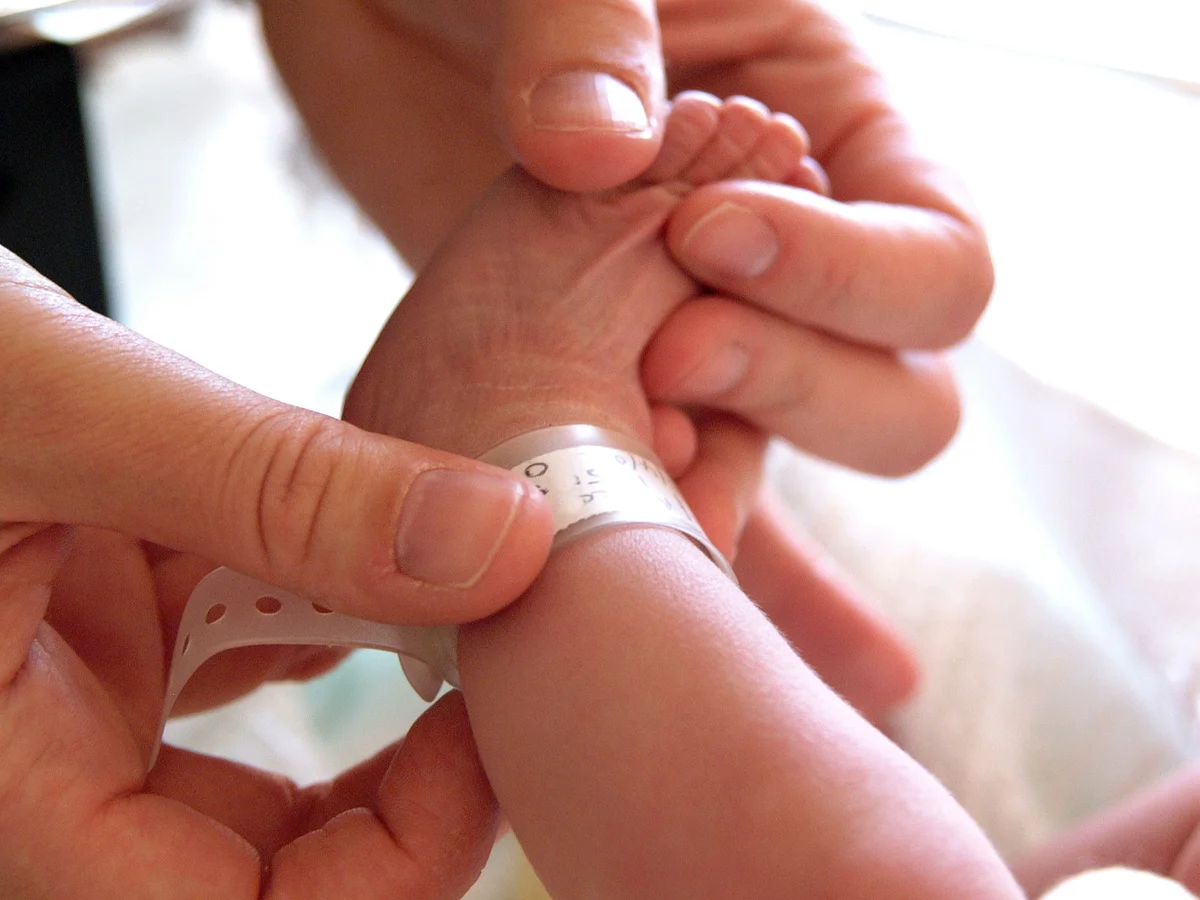
The case was brought on behalf of a girl identified only as CCC. She suffered severe brain damage in Sheffield in 2015 after being deprived of oxygen during labour. Medical errors by the midwife overseeing her mother’s delivery were found to have caused catastrophic harm. CCC now lives with cerebral palsy and requires constant care. She cannot walk, talk, or eat independently, and her life expectancy is significantly reduced.
In 2015, the High Court of Justice awarded her family a £6.8 million lump sum. It also ordered annual payments of £350,000 to fund round-the-clock care from two carers. However, the court ruled that she could not pursue compensation for the earnings she would never have the chance to make. Her legal team challenged that conclusion, arguing it placed injured children at a clear disadvantage compared with adults.

The family used a rare “leapfrog appeal” to take the matter directly to the Supreme Court. In a four-to-one majority decision, five justices ruled in favour of CCC. They concluded that denying lost years damages to injured children was inconsistent with broader negligence principles. The court stated that compensation law should reflect the financial loss suffered, regardless of whether the claimant had begun a working life.
James Drysdale, the solicitor representing CCC, described the outcome as historic. He said the NHS negligence ruling restores fairness and ensures injured children are no longer treated as second-class claimants. According to Drysdale, it is unconscionable that children were previously barred from seeking damages for income they would have earned in adulthood.
The judgment overturns the long-standing precedent set in the 1981 case of Croke v Wiseman. In that case, the court determined that children could not claim for lost years because they had not yet entered employment. The Supreme Court found that reasoning outdated and inconsistent with later case law involving adult claimants whose life expectancy was shortened by negligence.
As a result of the new decision, the High Court will now reconsider CCC’s claim for an additional £800,000. This sum reflects projected earnings and pension income from age 29, her estimated lifespan, to 85, the average life expectancy for a woman in the United Kingdom. The figure is calculated using national average earnings data and pension projections, rather than assumptions about a specific career path.
Legal experts believe the financial implications for the NHS could be significant. The health service in England already faces clinical negligence liabilities estimated at around £60 billion. A substantial proportion of these claims arise from maternity care incidents. Errors during childbirth often result in life-long disabilities, leading to high compensation payments to cover specialist care, accommodation, and equipment.
The NHS negligence ruling is therefore likely to add to an already heavy financial burden. Lawyers say future settlements in severe birth injury cases will now routinely include compensation for lost earnings. For children with shortened life expectancy, those sums could amount to hundreds of thousands of pounds per case.
However, patient safety advocates argue that the real issue lies not in compensation costs but in preventing harm. Paul Whiteing, chief executive of Action Against Medical Accidents, welcomed the judgment while acknowledging its financial impact. He said that while the decision may increase negligence payouts, the most effective way to reduce costs is to improve patient safety standards.
Whiteing echoed recent concerns raised by Parliament’s Public Accounts Committee. The committee has repeatedly warned that rising negligence liabilities pose long-term risks to NHS finances. It has also stressed that systemic improvements in maternity care are essential to reducing avoidable injuries. According to campaigners, investment in staffing, training, and oversight would ultimately save money by preventing tragic errors.
Specialist birth injury solicitors have also described the NHS negligence ruling as monumental. Jodi Newton, head of birth and paediatric negligence at Osbornes Law, said the decision recognises the profound injustice faced by injured children. She noted that many families already struggle with emotional and financial pressures after catastrophic birth injuries.
For families like CCC’s, the ruling carries both practical and symbolic importance. The additional compensation sought in her case would not change her medical prognosis. However, it would provide greater financial security for her care and acknowledge the working life she has been denied. Supporters argue that compensation must reflect not only care needs but also lost opportunities.
The NHS has not yet issued a detailed public response to the judgment. However, health service leaders are acutely aware of mounting negligence costs. In recent years, maternity services have faced intense scrutiny following a series of high-profile reviews into care failings across several trusts. These investigations have revealed patterns of understaffing, poor communication, and missed warning signs during labour.
Campaigners say the NHS negligence ruling should serve as a further wake-up call. They argue that litigation costs represent the visible consequence of deeper systemic problems. Each successful claim reflects a patient who has suffered avoidable harm. While compensation offers financial redress, it cannot undo lifelong disability.
Legal commentators suggest that the decision may prompt renewed debate over how clinical negligence is funded. Some policymakers have proposed reforms to limit rising liabilities. Others maintain that access to full compensation remains essential for justice and accountability. The Supreme Court’s ruling appears firmly aligned with the latter principle.
The judgment emphasises that negligence law must apply consistently. Adults with shortened life expectancy have long been able to claim for lost years. Denying children that same right created an unequal system. By correcting this imbalance, the court has reinforced the principle that compensation should reflect the full extent of financial loss.

In practical terms, calculating lost years damages for children will involve careful assumptions. Courts will rely on statistical averages rather than speculative career projections. This approach aims to balance fairness with realism. Judges must ensure awards are reasonable while acknowledging the economic value of a working life.
For families navigating complex litigation, clarity in the law is crucial. The NHS negligence ruling removes a longstanding barrier and offers a clearer path to comprehensive compensation. Lawyers expect that similar cases currently in the system may now be reassessed in light of the judgment.
Ultimately, the case highlights the human dimension behind legal principles. CCC’s life has been irrevocably altered by mistakes made during her birth. The Supreme Court’s decision cannot change that reality. Yet it affirms that the law must recognise every aspect of loss caused by negligence.
As the NHS confronts rising financial pressures, the ruling underscores a difficult balance. Ensuring justice for injured patients carries a cost. Preventing harm in the first place would spare both families and the health service from future hardship. The NHS negligence ruling therefore marks not only a legal milestone but also a renewed call for safer maternity care across England.
Related News:
 Celebrities and Charities Demand UK Government Act on Child Poverty
 Lancashire council plans to close care homes and day centres
 Reeves rejects £1bn plea for NHS redundancy payouts
 Boris Johnson Oversaw Toxic No 10 Culture, Covid Inquiry Finds
 Welsh Government Christmas 2020 Lockdown Criticised
 Reform UK Health Plan ‘Would Cost £1.7bn’, Streeting Says
 Norfolk Hospital Ranked Worst in England as NHS League Tables Return
 UK Health Leaders Push for Urgent Tobacco & Vape Bill
 British Woman in Iran ‘Losing Hope’ Amid Ongoing Detention
 Hospice Cuts Raise Alarm Across England Amid Funding Crisis
 Green Party Surges Past Labour in Latest UK Poll
 Trump’s UK Ambassador Urges North Sea Drilling to Strengthen US Ties
 FBI Director Kash Patel Defends Girlfriend Amid Government Jet Claims
 French Taxi Driver Cleared in David Lammy Theft Case After Fare Dispute
 Patients to Test Health at Home to Ease NHS Winter Pressure
 London’s Childlessness Crisis: Schools Closing as Families Shrink
 ‘Reckless’ cuts to victims’ services will cost more than they save
 Millionaires group urge Reeves to introduce wealth tax to ‘lift kids out of poverty’
 Starmer Faces Growing Dissent as Labour MPs Weigh Leadership Challenge
 Shouting Works Best to Deter Gulls, UK Study Finds
 Politics latest: Starmer ‘will fight any leadership coup’ as Streeting denies attempt to oust Labour PM
 PM Condemns Leaks, Vows Loyalty to Ministers and Stability
 Major Rent Reform Ends No-Fault Evictions in England
 Peers Flood Assisted Dying Bill with 942 Amendments
 England’s Special Needs Support Faces Breaking Point
 Senator John Fetterman Hospitalized After Fall from Heart Flare-Up, Keeps Sense of Humor
 MoD warned over Excel risks before Afghan data breach
 Stroke Patient Mistaken for Drunk, Care Delayed
 ‘Traumatic Wait’: Northern Ireland Women Face Breast Cancer Delays
 Labour Faces Historic Decline in Wales
 PM Highlights UK Business at G20 in South Africa
 Kate Forbes: Motherhood Harder Than Politics
 Coffins Now Too Large to Cremate Amid Rising Obesity Crisis
 Most Tories Expect to Support a Farage-Led Government
 Labour MP claims devolution bill is ‘blatant discrimination’ against Cornwall
 Millions Face Higher Taxes Under Reeves New Budget
 Peers Get Extra Time to Debate Assisted Dying Bill
 Five-Year-Old Dies After Rare Tonsil Surgery Complication
 Fibromyalgia Patients Struggle as NHS Fails to Provide Care
 “Enough is Enough”: Local MP Vows to Fight Rainham Quarry Plans
 Starmer Says Labour’s Economic Plan Needs Years to Deliver
 More Patients Now Contacting GPs Online, Data Shows
 Culture secretary to review Telegraph takeover by Daily Mail owner
 Minor A&E Visits Surge Across England as Hospitals Face Pressure
 Children to Receive Home Vaccines as England Acts
 Offenders to Receive Health Support During Probation Appointments
 NHS Violence Crisis: Staff Face Daily Assaults
 Celebrity Campaign Highlights SMA Screening Failures
 Plans to Limit Jury Trials Face Retreat After Mounting Opposition
 Right Must Unite After Jenrick Defection, Urges Rees-Mogg
 UK Ministers Drop Foreign Student Targets for Global Education Push
 MPs warn AI financial risks threaten UK stability
 MPs warn AI financial risks threaten UK stability
 No Gas Boiler Ban as UK Warm Homes Plan Backs Heat Pumps
 UK Glaucoma Rise Signals Looming Eye Health Crisis by 2060
 Hugh Grant Joins Call for Under-16 Social Media Ban in UK
 Shinzo Abe’s killer receives life sentence in Japan
 Lords Vote Piles Pressure on Starmer Over Social Media Ban
 UK ADHD medication use triples over 13 years, landmark study finds
 Police response times face strict new national limits
 NHS boosts bowel screening accuracy with FIT reform
 Labour policing overhaul sparks fears over growing central control
 Tories criticised after Braverman defection sparks mental health row
 Burnham Westminster return hopes fade amid Labour rift
 Nottingham survivor warns of repeat attacks without mental health reform
 Starmer warns of toxic division politics in Reform challenge
 Starmer China visit raises human rights pressure on Beijing
 Labour Must Revive High Streets to Avoid Election Collapse
 Calls Grow for King Charles to Apologise for Crown’s Role in Slavery
 Study Finds One in Seven England Takeaways Are Dark Kitchens
 Deadly Cancer Postcode Lottery Limits NHS Care
 Pneumonia Surge Pushes England Emergency Cases Higher
 Palantir contracts face UK halt calls over transparency
 Labour Thinktank Row Deepens Over Journalist Probe Claims
 Labour Lord Doyle Apologises Over Paedophile Ties in Political Storm
 Cabinet Secretary Shake-Up Triggers Due Diligence Warning
 Starmer Faces Inquiry Calls Over Thinktank Probe
 Royal Mail Delivery Crisis Deepens Amid Weather Chaos
 Farage to Name Jenrick as Reform Chancellor Pick
 UK MPs Demand Ban on Brazilian Butt Lifts