Published: 09 September 2025. The English Chronicle Desk
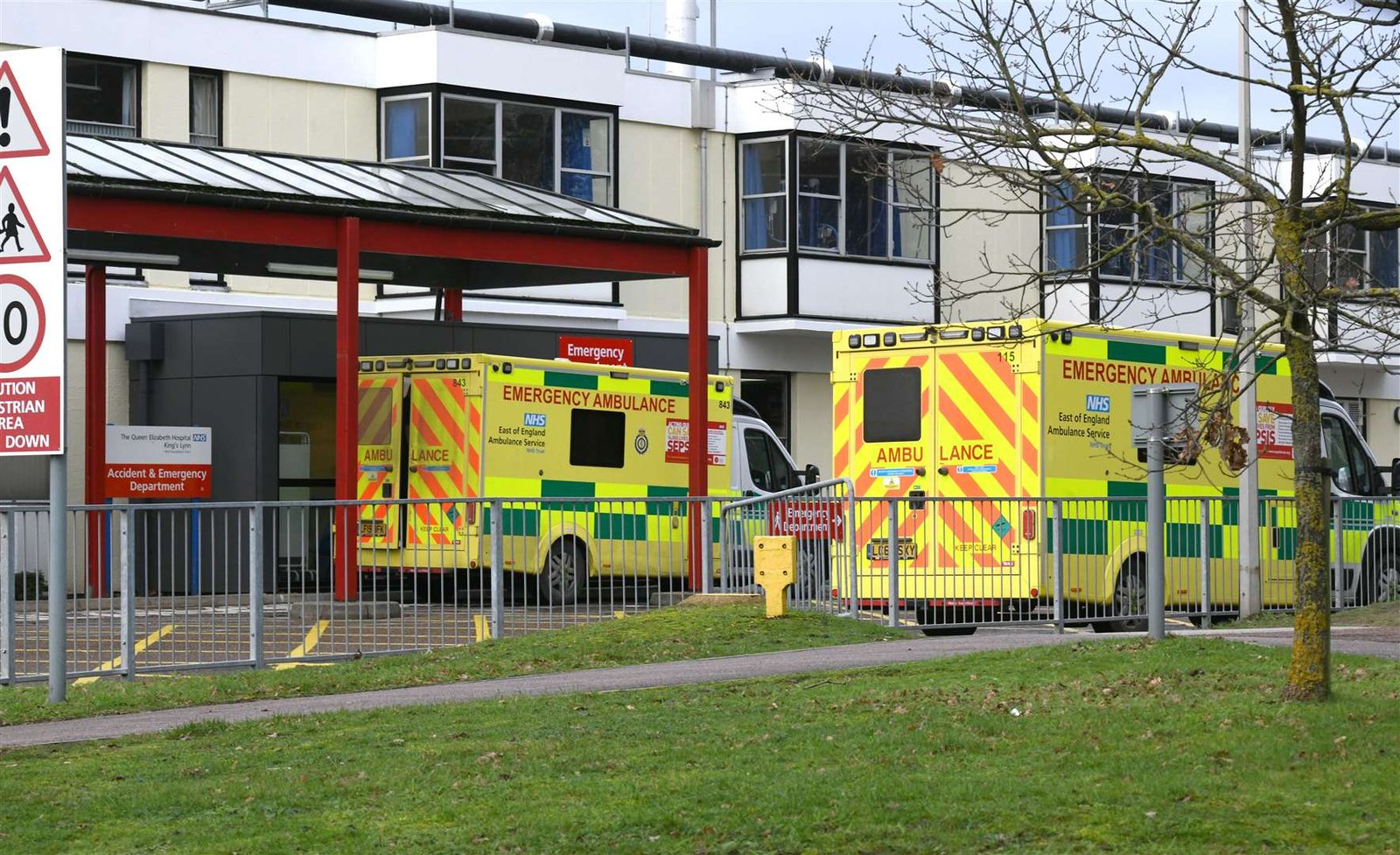
The first football-style league tables ranking England’s hospitals from best to worst since the early 2000s have been published, with Moorfields Eye Hospital in London topping the list and the Queen Elizabeth Hospital in King’s Lynn, Norfolk, at the bottom. The revival of these tables, aimed at enhancing transparency and accountability in the NHS, has prompted debate among health experts over their usefulness and potential unintended consequences for patients.
Health Secretary Wes Streeting said the tables would help eliminate the so-called “postcode lottery” in treatment speed and quality, arguing that patients and taxpayers have the right to know how their local NHS services perform relative to others. “We must be honest about the state of the NHS to fix it,” Streeting said.

The tables cover all 205 NHS trusts in England, spanning acute, mental health, community-based, and ambulance care. They are based on 30 performance metrics, including waiting times for A&E and planned treatments, financial positions, and patient experiences, and will be updated quarterly. According to the Department of Health and Social Care, high-performing trusts will be granted greater autonomy, while poorer performers will receive “enhanced support” to improve standards.
League tables, first introduced as “star ratings” under Tony Blair in 2000 and scrapped in 2010, are being revived in response to declining public satisfaction with the NHS. Officials insist the tables are not intended to shame hospitals but to highlight challenges and provide targeted support for improvement.
However, health analysts caution that the tables may be of limited value for patients trying to choose where to seek care. Thea Stein, chief executive of the Nuffield Trust, warned that using financial performance as a criterion could discourage patients from attending lower-rated hospitals and dissuade staff from working there. Danielle Jefferies of the King’s Fund added that a single rating cannot fully capture the performance of a trust that runs multiple hospitals, each with differing levels of service across departments.
Specialist hospitals dominated the top ranks, with Moorfields Eye Hospital first, followed by the Royal National Orthopaedic Hospital, Christie Cancer Hospital in Manchester, and Liverpool Heart and Chest Hospital. Northumbria was the highest-ranking non-specialist acute hospital, with University College London following. Performance metrics revealed that Moorfields was 10th for patients waiting under 18 weeks for elective care, third for providing diagnostic tests within six weeks, and second for four-hour A&E performance.

The tables also underscore wider political pressures. Labour politicians were warned that failure to improve NHS services in deprived areas could jeopardise their electoral prospects. Research for the Independent Commission on Neighbourhoods, chaired by former Labour grandee Hilary Armstrong, highlighted the urgency of opening “neighbourhood health centres” to provide comprehensive care in disadvantaged communities, noting that success in these areas could influence the government’s chances of re-election.
The return of NHS league tables represents a renewed focus on transparency and accountability, but experts emphasize the need for careful interpretation, cautioning that hospital performance is multifaceted and not easily distilled into a single ranking.
Related News:
 UK Health Leaders Push for Urgent Tobacco & Vape Bill
 Reeves rejects £1bn plea for NHS redundancy payouts
 “Enough is Enough”: Local MP Vows to Fight Rainham Quarry Plans
 The Ketamine Crisis in the UK is a Silent Epidemic Leaving Users with Lifelong Pain
 MPs Warn Thousands Still Face Poverty Despite Labour’s Welfare Reform Retreat
 Wethersfield Controversy Deepens as Asylum Seeker Numbers Set to Surge by 50%
 Woman Warned She Might Need Leg Amputation to Survive After Liquid Brazilian Butt Lift
 Russell T Davies Warns of Declining UK Gay Rights Amid Rise of Reform UK and Trump Influence
 Alarming rise in abusive teen relationships in the UK sparks urgent warnings
 Inquest Finds Agency Worker Failings Led to Unlawful Death of Vulnerable 14-Year-Old
 Shocking Rise in Children’s Exposure to Violent Online Pornography Raises Alarm
 Martha’s Rule Now Fully Implemented Across All Acute Hospitals in England
 Why E-Bikes and E-Scooters Are Making Streets a ‘Nightmare’ for Blind People
 Council Proposes Limits on Ice Cream Van Music and Parking in South Cambridgeshire
 More Than Half of UK Births Now Involve Medical Intervention
 Oxford Union Condemns President-Elect’s Comments Following Charlie Kirk Shooting
 NHS ‘Toxic Culture’ Risks Harm to Mothers and Babies, Health Leader Warns
 Starmer Urged to Champion Workers’ Rights Amid Low Public Awareness
 First “One In, One Out” Deportation Flight Departs Without Migrants Amid Legal Challenges
 First Group of Children from Gaza Arrive in UK for Life-Saving NHS Treatment
 UK Doctors Guilty of Sexual Misconduct Continue Practising Amid Weak Sanctions, Research Finds
 Corbyn and Sultana Clash Over Membership Portal as Divisions Surface in New Leftwing Party
 Private Psychology Costs Surge in UK as Practitioners Turn Away Clients Amid Record Demand
Zarah Sultana Seeks Legal Action After Bitter Clash with Jeremy Corbyn Over Party Membership Funds
Private Psychology Costs Surge in UK as Practitioners Turn Away Clients Amid Record Demand
Zarah Sultana Seeks Legal Action After Bitter Clash with Jeremy Corbyn Over Party Membership Funds
 Anti-Immigration Protesters and Counter-Protesters Clash in Glasgow
 Ministers Consider Granting Mayors Oversight of Schools and Hospitals in Major Devolution Push
 Zarah Sultana Calls Off Legal Action Amid Party Feud with Jeremy Corbyn
 Lib Dems Urged to Focus on Policy Over Stunts, Survey Shows
 “Social Housing Crisis in England: Tenant Complaints Soar Amid Dangerous Living Conditions”
 Heavy Drinkers Lead Growth in Non-Alcoholic and Low-Alcohol Market
 Labour Announces Pay Boost and New Negotiating Body to Address England’s Care Sector Crisis
 Starmer Unveils Plan for NHS “Online Hospital” to Tackle Waiting Lists
 Tragic Death Strikes Half-Marathon in Stoke-on-Trent: Runner Dies Shortly After Crossing Finish Line
 A Third of EU Citizens in UK Report Discrimination by Public Bodies Post-Brexit
 Campaigners Urged to Reframe Child Poverty Debate in Scotland Ahead of Elections
 Medical Cannabis Offers New Hope for British Women Struggling with Chronic Pain
 One in four UK residents fear a loved one drinks excessively as addiction concerns rise
 Majority of UK Men Would Opt for Prostate Cancer Screening, Survey Finds
One in Three UK Workers Call in Sick After Work Drinks as Cultural Pressures Persist, Survey Finds
Majority of UK Men Would Opt for Prostate Cancer Screening, Survey Finds
One in Three UK Workers Call in Sick After Work Drinks as Cultural Pressures Persist, Survey Finds
 NHS Facilities Staff Vote to Strike Over Pay Discrimination
 NHS Staff Strike Over £30m Pay Discrimination Claim
 Ambulance Worker Fired After Flinging Amputee from Wheelchair and Offering Bribe
 Women Challenge Meta Over Targeted Ads After Miscarriage
 Mum’s Final Wish: Donating Her Body to Science
 UK Woman Becomes Longest Survivor of Heart-Lung Transplant
£18 Prostate Cancer Test Could Save Thousands of Lives
UK Woman Becomes Longest Survivor of Heart-Lung Transplant
£18 Prostate Cancer Test Could Save Thousands of Lives
 Pregnant Women in England Face Rising Risk of Severe Birth Injury
 One in 12 Secondary Pupils Sent to Isolation Weekly
 Secret Report Exposes Home Office ‘Defeatism’ on Migration
 Man Trapped in Quicksand Rescued in Dramatic Coastal Rescue
 Hospice Cuts Raise Alarm Across England Amid Funding Crisis
 Morning-After Pill Now Free Across England’s Pharmacies
 Celebrities and Charities Demand UK Government Act on Child Poverty
 Experts Warn on Home Birth Risks, Call for Skilled Midwives
 Lancashire council plans to close care homes and day centres
 Experts Urge Legal Right to Timely Cancer Care
 Nicola Sturgeon Urges SNP to Oppose New Oil Fields
 Boris Johnson accused of undermining BBC leadership
 North Sea oil workers must lose weight or face job loss
 Crisis charity to become landlord amid UK housing emergency
No link found between paracetamol in pregnancy and autism
Crisis charity to become landlord amid UK housing emergency
No link found between paracetamol in pregnancy and autism
 Tim Davie resigns as BBC director general amid bias claims
 ‘Reckless’ cuts to victims’ services will cost more than they save
 UK Disability Pay Gap Means Millions Work for Free From Today
 Tim Davie Defends BBC Amid Bias Scandal Storm
 Politics latest: Starmer ‘will fight any leadership coup’ as Streeting denies attempt to oust Labour PM
 Leading doctors issue warning amid ‘bad’ flu season
 Victims’ commissioner Baroness Newlove dies aged 63
 UK Asylum Overhaul Sparks Debate Over Human Rights and Deportations
 UK Asylum Reforms: Temporary Refugee Status and Faster Deportations
 ‘Traumatic Wait’: Northern Ireland Women Face Breast Cancer Delays
 PM Shares Emotional Letter to Son on Men’s Struggles
 Boris Johnson Oversaw Toxic No 10 Culture, Covid Inquiry Finds
 Kate Forbes: Motherhood Harder Than Politics
 Welsh Government Christmas 2020 Lockdown Criticised
 Coffins Now Too Large to Cremate Amid Rising Obesity Crisis
 Reeves to Crack Down on Benefit Fraud While Lifting Two-Child Limit
 Labour MP claims devolution bill is ‘blatant discrimination’ against Cornwall
 Planned Palestinian Flag Raising at Belfast City Hall Faces Delay Amid Legal Concerns
 Fibromyalgia Patients Struggle as NHS Fails to Provide Care