Published: 19 February 2026. The English Chronicle Desk. The English Chronicle Online.
The conviction of Yoon Suk Yeol marks a defining moment in South Korea’s democracy. In a historic ruling, Yoon Suk Yeol was sentenced to life imprisonment with labour for leading an insurrection. The verdict followed months of hearings into his failed martial law declaration in December 2024. Judges found that Yoon Suk Yeol deliberately attempted to undermine the constitutional order. The decision makes him the first elected South Korean president to receive the maximum custodial penalty.
The ruling was delivered at the Seoul Central District Court in the capital, Seoul. Judge Jee Kui-youn said the former leader’s actions amounted to insurrection under national law. The court concluded that his declaration of martial law on 3 December 2024 was unlawful. It found that he mobilised troops to block the National Assembly and detain key political figures. According to the judgment, this move aimed to prevent lawmakers from gathering and voting.
The court described the six-hour crisis as the gravest democratic challenge in decades. Prosecutors argued that Yoon Suk Yeol attempted to paralyse the legislature and seize institutional control. They said he ordered forces to surround parliament and interfere with the National Election Commission. During the hearings, the prosecution insisted that these actions represented a calculated attack on constitutional governance. Yoon Suk Yeol denied wrongdoing and claimed he was protecting the nation from anti-state elements.

Judges rejected those arguments and stressed the seriousness of his conduct. They noted his refusal to apologise and his absence from several hearings. The court also pointed to the immense social costs created by the attempted power grab. It stated that the crisis damaged the political neutrality of both the military and police. International credibility was also harmed, leaving society deeply divided and politically tense.
Prosecutors had sought the death penalty, citing the gravity of the offence. Under South Korean law, insurrection carries three possible punishments. These include death, life imprisonment with labour, or life imprisonment without labour. The court chose life imprisonment with labour, describing the crime as severe but not fully premeditated. Judges said his planning lacked meticulous coordination and most of his plans ultimately failed. They also observed that he appeared to limit the use of physical force.
In a striking historical comparison, the court referenced the 1649 execution of Charles I. The judge explained that even a head of state can commit insurrection against the legislature. By invoking this precedent, the court underlined that democratic institutions must remain supreme. The comparison resonated widely, both domestically and abroad, given Britain’s own constitutional history.
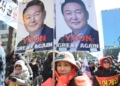
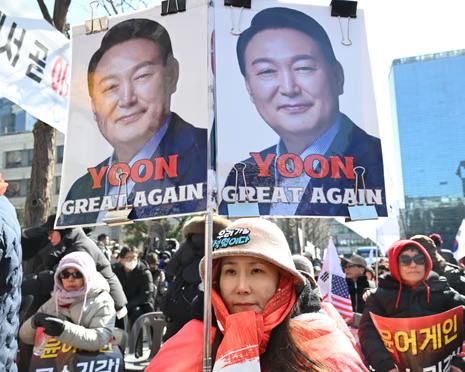
The verdict was broadcast live across South Korea. Cameras captured Yoon Suk Yeol arriving at court with a faint smile. He showed little visible reaction when the life sentence was pronounced. Outside the courthouse, hundreds of supporters gathered, waving South Korean and American flags. Some initially cheered when portions of prosecution evidence were dismissed. However, as the ruling progressed, the mood shifted sharply.
Chants of “Yoon again” gave way to anger and disbelief. Several supporters shouted at journalists and accused the judiciary of bias. When the sentence was announced, some collapsed in tears, declaring that the nation was finished. Around 500 metres away, progressive groups celebrated the judgment. Supporters embraced and described the ruling as a victory for democratic resilience. Yet even among critics, there was debate about whether capital punishment would have been justified.
The life sentence arrives fourteen months after the events that shook the nation. On the night of 3 December 2024, troops were deployed around parliament. Within hours, 190 lawmakers forced their way past security barriers. They passed an emergency resolution lifting martial law and restoring legislative authority. Eleven days later, parliament impeached Yoon Suk Yeol. Four months after impeachment, the Constitutional Court formally removed him from office.
Legal analysts say the verdict reflects a broader pattern of accountability. In January, former Prime Minister Han Duck-soo received a 23-year prison sentence. The court described the martial law attempt as a dangerous self-coup by elected authority. That punishment exceeded prosecutors’ request and signalled judicial resolve. On 12 February, former Interior Minister Lee Sang-min was sentenced to seven years. Judges found he relayed orders to cut utilities to media outlets.
Several other officials also received lengthy prison terms. Former Defence Minister Kim Yong-hyun was sentenced to 30 years. Former intelligence commander Noh Sang-won received 18 years in prison. Former police chief Cho Ji-ho was handed a 12-year sentence. Former Seoul police chief Kim Bong-sik received 10 years. Mok Hyun-tae, a police commander, was sentenced to three years. Two defendants were acquitted after the court found insufficient evidence.
Yoon Suk Yeol faces six additional criminal trials. Two stem directly from the martial law crisis. One treason charge alleges he ordered drone incursions into North Korean airspace. Prosecutors claim the manoeuvre sought to provoke confrontation that could justify extended military rule. He has already received a five-year sentence for obstructing his own arrest. His legal team insists the proceedings constitute a show trial. They described the verdict as a predetermined conclusion shaped by political pressure.

In a statement, his lawyers accused the judiciary of yielding to public opinion. They cited cases involving President Lee Jae Myung and opposition politicians. According to the defence, double standards were applied in evaluating evidence. They vowed to appeal and promised to fight to the end. Observers expect a lengthy appellate process in the months ahead.
The ruling inevitably draws comparisons with previous presidential prosecutions. In 2018, former president Park Geun-hye was sentenced to 32 years for corruption. Her sentence was later reduced and ultimately erased by a presidential pardon in 2021. Earlier, military rulers Chun Doo-hwan and Roh Tae-woo were convicted for their roles in the 1979 coup. Both eventually received pardons after serving portions of their terms.
Every South Korean president who has served prison time has later been pardoned. Whether that precedent will apply to Yoon Suk Yeol remains uncertain. Life imprisonment carries no fixed release date under national law. Parole is theoretically possible after twenty years with demonstrated remorse and good conduct. For now, however, the judgment stands as a stark warning. It underscores that elected leaders are accountable under the rule of law.
Across Asia and beyond, the case has drawn intense scrutiny. Many observers view it as a stress test for democratic resilience. The conviction of Yoon Suk Yeol signals that institutions can withstand internal threats. It also reflects a judiciary prepared to impose severe penalties when constitutional boundaries are breached. As appeals proceed, the broader implications will continue unfolding. Yet the central message appears clear: no office grants immunity from justice.
Related News:
 Green Party Surges Past Labour in Latest UK Poll
 Army Officers Orders to Cut Ties with Men-Only Clubs
 Trump’s UK Ambassador Urges North Sea Drilling to Strengthen US Ties
 French Taxi Driver Cleared in David Lammy Theft Case After Fare Dispute
 Labour immigration crackdown could cost UK £4.4bn
BBC to Apologise Over Edited Trump Speech Amid Backlash
Labour immigration crackdown could cost UK £4.4bn
BBC to Apologise Over Edited Trump Speech Amid Backlash
 Britain deploys RAF specialists to assist Belgium with drone threats
 Millionaires group urge Reeves to introduce wealth tax to ‘lift kids out of poverty’
 Starmer Faces Growing Dissent as Labour MPs Weigh Leadership Challenge
 Reeves rejects £1bn plea for NHS redundancy payouts
 PM Condemns Leaks, Vows Loyalty to Ministers and Stability
 Major Rent Reform Ends No-Fault Evictions in England
 Peers Flood Assisted Dying Bill with 942 Amendments
 Senator John Fetterman Hospitalized After Fall from Heart Flare-Up, Keeps Sense of Humor
 US Justice Department Files Lawsuit Against California Over Partisan Voting Maps
 Greene Pushes Epstein Files Amid Trump Fallout
 Trump Deploys DHS to Charlotte in Major Arrest Operation
 December Run-Off in Chile as Election Produces No Winner
 Canada Passes Carney’s First Budget in Tight Parliamentary Vote
 Shadow Fleet at Sea: Europe’s Battle Against Illicit Oil Shipping
 Pentagon Officials in Ukraine to Discuss War End
 Venezuela Threatens Nobel Winner Machado with Fugitive Status
 Most Tories Expect to Support a Farage-Led Government
 Labour MP claims devolution bill is ‘blatant discrimination’ against Cornwall
 Millions Face Higher Taxes Under Reeves New Budget
 Georgians Defy Government Crackdown After Year of Protests
 US National Guard Member Killed in DC Shooting
 ICC to Rule on Duterte’s Provisional Release
 Jordan Bardella: France’s Young Presidential Contender
 Starmer Says Labour’s Economic Plan Needs Years to Deliver
 EU plans $105bn Ukraine aid using frozen Russian assets
 Culture secretary to review Telegraph takeover by Daily Mail owner
 Khaleda Zia Death in Bangladesh: First Female PM Dies at 80
 Russia losses Ukraine war peace talks intensify amid rising deaths
 Albanese Opens Door to Bondi Royal Commission Amid Rising Pressure
 Trump Escalates Minnesota Immigration Surge Amid Rising Tensions
 Iran Protesters Defy Crackdown as Violent Clashes Intensify
 Homeland security agents deployed amid Minneapolis protests
 Plans to Limit Jury Trials Face Retreat After Mounting Opposition
 Hanson and Joyce Use Rinehart Jet to Tour Flooded Queensland
 Trump Threatens Strong Action If Iran Executes Protesters
 US Senate rejects resolution limiting Trump military powers
 Quebec Premier François Legault Resigns in Surprise Move
 Machado Trump medal gesture reshapes Venezuela power struggle
 Right Must Unite After Jenrick Defection, Urges Rees-Mogg
 EU weighs response amid Greenland tariff crisis with Trump
 ICE street raids expose a chilling future for public freedoms
 UK Ministers Drop Foreign Student Targets for Global Education Push
 MPs warn AI financial risks threaten UK stability
 No Gas Boiler Ban as UK Warm Homes Plan Backs Heat Pumps
 Hugh Grant Joins Call for Under-16 Social Media Ban in UK
 Shinzo Abe’s killer receives life sentence in Japan
 Lords Vote Piles Pressure on Starmer Over Social Media Ban
 Sussan Ley leadership milestone shakes Liberal future
 EU Says US Ties Have Suffered ‘Big Blow’ After Greenland Crisis
 Andrew Hastie Emerges as Leadership Rival to Ley
 Satire Can Skewer Trump, But It Won’t Save Democracy
 Reform UK Health Plan ‘Would Cost £1.7bn’, Streeting Says
 Police response times face strict new national limits
 Labour policing overhaul sparks fears over growing central control
 Tories criticised after Braverman defection sparks mental health row
 Starmer warns of toxic division politics in Reform challenge
 Starmer China visit raises human rights pressure on Beijing
 Keir Starmer Signals UK China Reset With Xi Visit Possibility
 Cambridge Faces Scrutiny Over Arms Investment Transparency
 Israel Moves to Bar MSF From Gaza Operations
 David Littleproud and Sussan Ley to Discuss Coalition Future
 Trump Praises ‘Terrific’ Petro After White House Talks
 Palantir contracts face UK halt calls over transparency
 Epstein UAE Emails Shake British Royal Andrew’s Legacy
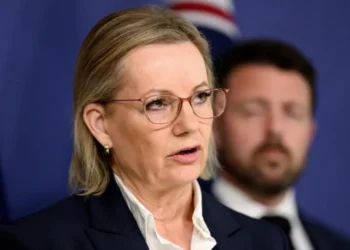 Australia’s Opposition Coalition Reunites After Rift
 Nurses’ families fear breakup under UK immigration crackdown
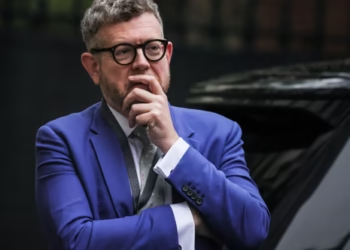 Labour Lord Doyle Apologises Over Paedophile Ties in Political Storm
 Cabinet Secretary Shake-Up Triggers Due Diligence Warning
 Tarique Rahman’s Rise Toward Bangladesh’s Top Job
 Starmer Faces Inquiry Calls Over Thinktank Probe
 Australian Families Leave Syrian Camp for Home
 Trump Attacks UK-California Energy Pact
 Farage to Name Jenrick as Reform Chancellor Pick
 Civil Service Pay: Union Urges Ministers to End ‘Barking Mad’ Limits