Published: 23 February 2026 . The English Chronicle Desk. The English Chronicle Online
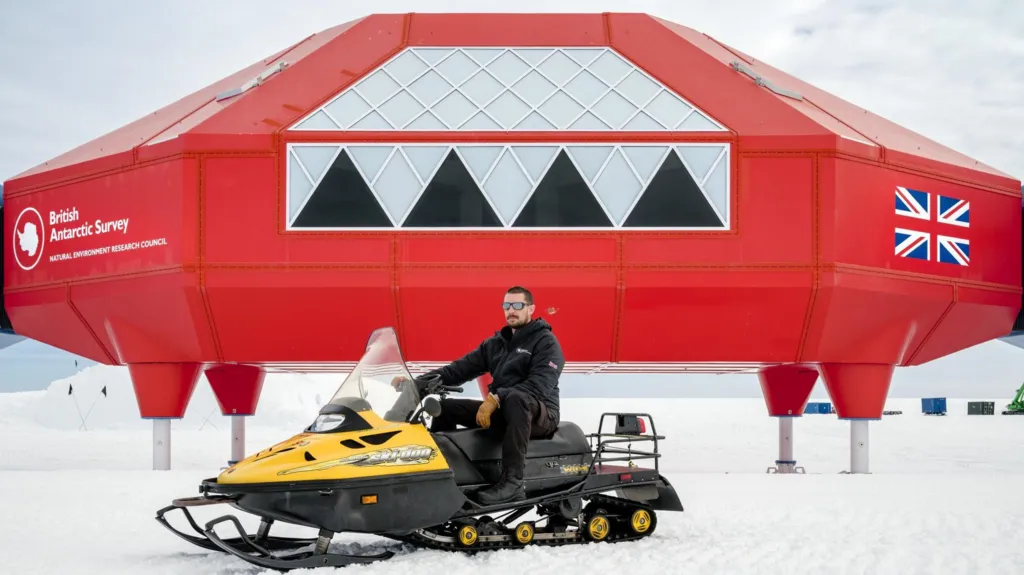
Antarctica remains one of the most extreme and isolated places on Earth — a frozen continent of relentless winds, months of darkness, and temperatures that can plunge below minus 50°C. Yet each year, thousands of scientists, engineers, medics, chefs and support staff choose to live and work there. The question many ask is simple: are you truly cut out for life in Antarctica?

Unlike conventional jobs abroad, working in Antarctica is less about career advancement and more about resilience, adaptability and teamwork. The continent has no permanent residents and no cities — only research stations operated by countries including the United Kingdom, the United States, Australia and others under the Antarctic Treaty System. Personnel typically commit to contracts lasting several months, often through the harsh austral winter when evacuation can be nearly impossible.
The environment itself is the first major test. Winter temperatures routinely fall below −40°C, while katabatic winds can exceed 100 mph. During the polar winter, darkness can last for months, disrupting sleep patterns and mental health. Conversely, in summer, the sun barely sets, bringing its own challenges. Isolation is profound. Internet access is limited, communication delays are common, and face-to-face interaction is restricted to a small, tight-knit community.
Psychological resilience is therefore as important as technical skill. Experts say those who thrive in Antarctica tend to be emotionally stable, patient, cooperative and capable of resolving conflict calmly. With no easy escape and limited privacy, interpersonal tensions can escalate quickly if not handled maturely. Many research programmes conduct extensive psychological screening before deploying staff to stations.
Work in Antarctica is diverse. Scientists conduct climate research, glaciology studies and wildlife monitoring, helping the world understand global warming and environmental change. Engineers maintain generators and heavy machinery. Electricians, plumbers and IT specialists keep operations running in unforgiving conditions. Even chefs play a crucial role, maintaining morale through food and routine. Every job is essential because if one system fails, the entire station can be at risk.
Medical preparedness is another key factor. Most stations have only one doctor or medical officer, and evacuation during winter storms is often impossible. Workers must pass comprehensive health checks before deployment. Even minor dental problems can disqualify applicants due to the risks posed by limited treatment options.
Despite the hardships, many describe Antarctica as life-changing. The untouched landscapes — vast ice shelves, towering glaciers, and colonies of penguins — offer an experience unlike anywhere else on Earth. The sense of purpose, particularly for those contributing to climate science, is a powerful motivator. Many former residents say the simplicity of station life, free from traffic, consumerism and daily distractions, fosters strong bonds and clarity of mind.
Financial incentives vary. Some roles offer competitive salaries, especially for specialised skills, though few go primarily for money. Instead, people are drawn by adventure, scientific contribution, or the desire to test personal limits. The experience can strengthen CVs, particularly in scientific, environmental and engineering fields.

However, Antarctica is not for everyone. Claustrophobia, intolerance for cold, difficulty coping with isolation, or an inability to function in small teams can quickly turn the dream into distress. Experts recommend candidates reflect honestly on their personality, health and motivations before applying.
Ultimately, living and working in Antarctica demands more than qualifications. It requires mental toughness, adaptability and a willingness to embrace both isolation and interdependence. For those who meet the challenge, the frozen continent offers not just employment — but a rare opportunity to live at the edge of the world.
Related News:
 South Africa’s Garden Route Gem Faces Looming Water Crisis
 Two Britons Among Three Dead in French Alps Avalanche
 How to Get the Best View of the Northern Lights in 2026
 Cuban Cigar Festival Cancelled Amid US-Linked Energy Crisis
 Eleven Killed in Israeli Strikes on Gaza, Rescuers Say
 What Happened to Bathroom Doors in Hotels?
 Dolma: The Stuffed Dish the World Fell in Love With
 ‘I Would Scream in My Sleep’: Alawite Women from Syria Tell of Kidnap and Rape
 Iran Says ‘Guiding Principles’ Agreed With US at Nuclear Talks
 Jet2 Hands Passengers Life Ban After Mid‑Air Brawl
 Dual Nationals Face Scramble for UK Passports as New Rules Come Into Force
 Chasing the Next Solar Eclipse: When, Where and How to See It
 US Pushes to Recruit Organised Crime Gangs into Gaza Police Force
 Singapore Offers to Set Up Single Americans with ‘Epic’ First Dates – There’s Just One Catch
 US Urges Iran to Make Deal as Military Presence Rises
 US Build-Up of Warships and Fighter Jets Tracked Near Iran
 Trump’s Foreign Policy Dilemma Laid Bare by Iran Tensions
 Inland Australia Town Turns Streets into a Beach for Volleyball Contest
 Abandoned UK Village Being Reclaimed by Nature is ‘Vast, Wild and Fascinating’
 UK-Bound Jet2 Flight from Spain Declares Mid-Air Emergency Over English Channel
 Bumper Ski Season but Avalanches Threaten Scotland’s Snowy Hills
 Hamas Holds Vote to Choose New Interim Leader, Source Tells BBC
 Powerful Winter Storm Slams US Northeast; NYC Travel Ban
 Germany’s Fairy Tale Route: The Real Places Behind the Grimm Stories