Published: 23 February 2026. The English Chronicle Desk. The English Chronicle Online.
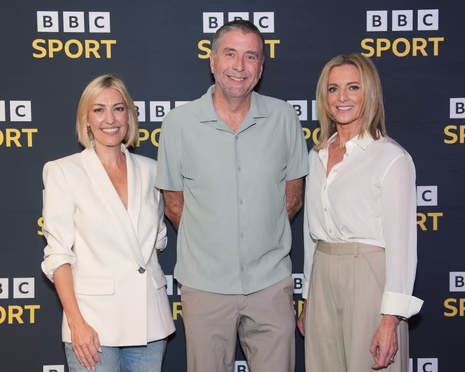
The BBC has confirmed that World Cup presenting duties will be shared equally among three hosts for the upcoming BBC World Cup. Kelly Cates, Gabby Logan, and Mark Chapman will take turns presenting the tournament coverage, reflecting the broadcaster’s commitment to fairness and balance across its flagship football programming. Producers are carefully planning schedules to ensure each presenter receives a comparable number of high-profile matches during the expanded competition. This summer, the spotlight will fall on these three hosts as they navigate the intricacies of covering the BBC World Cup across Mexico City and beyond.
The decision follows the trio’s appointment as Match of the Day presenters at the start of the Premier League season, replacing Gary Lineker after his 26-year association with the programme. Lineker had originally planned to present the BBC World Cup, which this year is staged across Canada, Mexico, and the United States. His early departure from the corporation, following controversy over sharing online material with antisemitic connotations, prompted a rapid reshuffle in presenting responsibilities. As a result, the BBC now faces the unique challenge of allocating duties fairly while maintaining the quality of its football coverage.
Despite careful planning, one question remains unresolved: who will present the World Cup final. Insiders suggest that the decision has yet to be made, with producers reportedly considering multiple factors before confirming a host. The final remains the tournament’s pinnacle, carrying both prestige and responsibility, and the BBC is determined to avoid showing preference for any individual presenter. Fans can therefore expect an even-handed approach to the selection, reflecting the organisation’s broader ethos of fairness across sports broadcasting.

While Cates, Logan, and Chapman will lead the television coverage, they will not operate in isolation. The trio is expected to juggle commitments to other media platforms, including podcasts, highlighting the increasingly multi-faceted nature of football broadcasting. Meanwhile, Lineker himself remains in the public eye, hosting The Rest Is Football video podcast, produced by Goalhanger, which will feature a daily edition from New York during the tournament. His continued prominence outside the BBC provides audiences with multiple angles from which to follow the BBC World Cup.
BBC pundits Micah Richards and Alan Shearer are also involved in Lineker’s podcast, although the corporation has clarified that licence fee payers’ funds will not be used to support content created for rival platforms. This approach demonstrates a careful balancing act, as the BBC navigates both legacy broadcasting responsibilities and modern, digital-first content. Producers aim to ensure that viewers enjoy comprehensive football coverage across all platforms while maintaining transparency about funding sources.
The BBC’s current strategy is part of a wider modernisation of the Match of the Day brand, which has seen some measurable success. Recent viewing figures indicate a decline of approximately 10% in combined linear TV and iPlayer audiences for Saturday and Sunday broadcasts, equating to roughly 770,000 viewers. However, these reductions are offset by the introduction of an 8pm highlights slot, enabling fans to access key moments earlier in the evening. This flexibility, combined with increased digital engagement, suggests the BBC is adapting well to evolving viewing habits.
Digital consumption of Match of the Day content has risen markedly, with BBC accounts accessing programmes and clips up 21% year on year. This growth encompasses the traditional Saturday and Sunday broadcasts on iPlayer, the new 8pm highlights, and short-form content available via the BBC Sport website and app. Such figures indicate that while linear television faces challenges, the audience appetite for football remains strong, particularly when content is made easily accessible across multiple platforms.
Alex Kay-Jelski, the director of BBC Sport, praised the new presenting trio, noting their efforts in continuing the legacy of iconic figures such as Gary Lineker, Des Lynam, and Jimmy Hill. He emphasised the importance of experimentation and innovation in broadcasting, acknowledging that lessons can be drawn from both traditional competitors and digital content creators. This approach reflects a commitment to maintaining audience engagement while embracing the changing media landscape.
Much of the BBC’s World Cup coverage will initially originate from its Salford studios, a practical decision given the logistical and financial challenges of covering an event spanning three countries. With the tournament now featuring 48 teams rather than the traditional 32, the number of games has increased from 64 to 104, significantly impacting broadcasting requirements. Salford will host commentary teams for lower-demand matches, helping to manage expenses without compromising the viewer experience for major fixtures.
Cost considerations remain a significant concern for the BBC, particularly as licence fees face public scrutiny. Stadium commentary, even without flights or accommodation, is expensive, prompting strategic allocation of resources to ensure efficiency. Matches involving home nations and other high-interest fixtures will be covered on-site, while smaller games may rely on remote production. This model demonstrates the corporation’s careful planning and focus on value for viewers.
The expanded tournament format and logistical complexity mean that Cates, Logan, and Chapman must remain flexible while balancing television, podcast, and other media commitments. Their presence across multiple channels will allow fans to experience the BBC World Cup from several perspectives, reflecting the diversity of modern sports broadcasting. Producers hope that rotating the presenters fairly will prevent audience fatigue and maintain enthusiasm throughout the long, expanded competition.
Lineker’s continued involvement in digital media provides an additional layer of insight, enabling fans to explore tactical analysis and commentary beyond traditional television broadcasts. The collaboration between broadcasters, digital platforms, and podcasts illustrates a new era in football coverage, where multiple voices and formats contribute to a richer overall experience. By combining studio presentation with on-site commentary, the BBC aims to deliver comprehensive reporting across every match day.

Producers remain mindful that the World Cup final will demand special attention, as it represents the tournament’s most-watched and highest-profile moment. While the host for the final remains undecided, planning ensures that whoever takes the role will be well-prepared to deliver authoritative and engaging coverage. The careful allocation of responsibilities is a reflection of lessons learned from past tournaments and demonstrates the BBC’s commitment to excellence in live sports presentation.
The 2026 World Cup presents a unique challenge for broadcasters, with an expanded schedule and international venues complicating production. By dividing duties among three presenters, the BBC can maintain consistent quality while providing opportunities for each host to shine. This balanced approach, combined with modernisation of digital content and strategic resource management, underlines the corporation’s effort to keep audiences both informed and entertained.
In summary, the BBC World Cup coverage will see Kelly Cates, Gabby Logan, and Mark Chapman share presenting duties fairly, reflecting a commitment to equality, audience engagement, and modern broadcasting. Their schedules are carefully planned to balance television and digital responsibilities, while the final host remains undecided to ensure impartiality. With expanded coverage, digital growth, and thoughtful allocation of resources, the BBC demonstrates a forward-thinking approach to one of the world’s most-watched sporting events, while continuing to honour its rich footballing heritage.
Related News:
 Tottenham shine at Everton but Frank wary of title push
 Matty Cash seals Villa win as City falter again at Villa Park
 Sarr Double Sinks Young Liverpool in Carabao Cup
 Nwaneri and Saka Secure Arsenal Win Over Brighton
 Woltemade Hot Streak Fires Newcastle Past Spurs
 Kieffer Moore Hat-Trick Ends Coventry’s Unbeaten Run
 Salah & Gravenberch Lead Liverpool to Win Against Villa
 Dyche Criticises Corner Decision as Forest Draw with United
 Caicedo Shines as Chelsea Edge Spurs in Chaotic Derby
 Granit Xhaka Rescue Earns Everton Draw at Sunderland
 Liverpool Edge Real Madrid 1-0 in Champions League Thriller
 Van de Ven Stunner Lifts 10-Man Spurs to UCL Glory
 Merino Shines as Arsenal Beat Slavia 3-0 Without Gyokeres
 Burn and Joelinton Head Newcastle to Victory Over Bilbao
 Foden shines as Man City dismantle Dortmund in dominant display
 Garnacho Spares Chelsea From Shock Champions League Loss in Baku
 Tension and Turmoil at Aston Villa v Maccabi Match
 Bellingham has ‘the edge’ among England No 10s
 Arteta Left Frustrated as Sunderland Deny Arsenal Late Win
Chelsea Cruise Past Wolves to Go Second in the Premier League
Man City Masterclass on Guardiola’s Milestone Day Exposes Liverpool Woes
Arteta Left Frustrated as Sunderland Deny Arsenal Late Win
Chelsea Cruise Past Wolves to Go Second in the Premier League
Man City Masterclass on Guardiola’s Milestone Day Exposes Liverpool Woes
 Lando Norris Dominates Brazil GP to Strengthen F1 Title Bid
 England cannot afford to be in awe of the All Blacks, warns Jamie George
 VAR Must Rein Its Neck In to Save Football’s Spirit
 Trescothick Hints Pope Will Keep Number Three Spot
 Ronaldo Confirms Final World Cup and Plans Retirement
 Mary Earps’s Manchester United Return Faces Mixed Reception
 Sam Kerr Stars in Chelsea Return with Champions League Double
 This kid is something else: Alex Scott’s rise to England call-up
 Anthony Joshua Faces Backlash Over Proposed Jake Paul Fight
 Former Lion Heskey Warns of Shortage of England Strikers
 Rogers Double Aston Villa as Leeds Slip Deeper into Trouble
Eze Hat-Trick Stuns Spurs in Dominant Arsenal Derby Win
Rogers Double Aston Villa as Leeds Slip Deeper into Trouble
Eze Hat-Trick Stuns Spurs in Dominant Arsenal Derby Win
 Moyes Defends Gueye After Dramatic Everton Bust-Up
 Rookie Driver Hollie McRae Flips Car but Walks Away Safe
 Gerrard warns Liverpool’s terrible run could worsen
 Jac Morgan to Miss Six Nations Start After Surgery
 Alexander Isak ends drought as Liverpool stop rot with win at West Ham
 Mbappe rescues Real Madrid with a penalty at Girona
 Wales hits 20,000-strong milestone in women’s football
 Stokes urges empathy for England players amid Ashes struggles
 Sports piracy surges in UK with 3.6bn illegal streams reported
 Chelsea fans inquiry launched after Charlton match policing concerns
 Arsenal vs Man Utd LIVE: Jesus Starts as Carrick Stays Loyal
 Arsenal Edge Closer to Ending ‘Nearly-Men’ Era After Cup Breakthrough
 Newcastle fans face bleak reality under Saudi ambitions
 Hugo Ekitike Becomes Liverpool’s New Cult Hero
 Tottenham Assistant Sacked After Just One Month as Tudor Reshapes Coaching Team
 London Set to Honour Euro 2025 Champions as Lionesses Take Victory Parade Through the Capital
 Premier League Supercomputer Predicts Tough Season for Man Utd Amid Three-Team Title Battle
 Reeves Faces Setback as Labour May Miss Homes Target
 Kate Winslet to Narrate Film Highlighting King’s Environmental Mission
 Trump’s UK Ambassador Urges North Sea Drilling to Strengthen US Ties
 UK Bans Fake Numbers: Scammers Lose Their Trick
 Millionaires group urge Reeves to introduce wealth tax to ‘lift kids out of poverty’
 Reeves rejects £1bn plea for NHS redundancy payouts
 PM Condemns Leaks, Vows Loyalty to Ministers and Stability
 Saka Solidifies Role as Tuchel’s Key England Lieutenant
 Stroke Patient Mistaken for Drunk, Care Delayed
 Tiny Curacao Makes History as Smallest Nation to Reach World Cup
 Inside the Helpline Protecting Missing Children in the UK
 Boots Showstopper Beauty Bundle Outshines Many Advent Calendars This Holiday Season
 PlayStation PS5 Deals Hit Lowest Prices Ahead of Black Friday
 Five-Year-Old Dies After Rare Tonsil Surgery Complication
 Starmer Says Labour’s Economic Plan Needs Years to Deliver
 UK unemployment rises to four-year high of 5.1% before budget
 Wiltshire Police Use Lasso to Catch Rampaging Village Goat
 Australia Face Big Changes as Cummins and Lyon Ruled Out of Ashes
 Children to Receive Home Vaccines as England Acts
 Raducanu Battles Injury as Britain Exit United Cup
 Cambridge College Faces Backlash Over Private School Recruitment
 Manchester United Fan Group Targets Jim Ratcliffe Over Club Chaos
 Bereaved Fathers Gain New Paternity Leave Rights in UK
 Woman Jailed for Life After Killing E-Bike Rider in Tragic Mistaken Identity Case
 No Gas Boiler Ban as UK Warm Homes Plan Backs Heat Pumps
 Police response times face strict new national limits
 Devon hosts first high-density hydro power system
 Send spending gap leaves deprived areas behind
 Civil Service Pay: Union Urges Ministers to End ‘Barking Mad’ Limits
 UK Job Vacancies Hit Five-Year Pandemic Low