Published: 23 February 2026. The English Chronicle Desk. The English Chronicle Online.
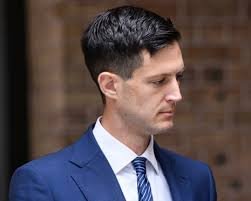
The Rory Amon trial heard powerful evidence in the Supreme Court of New South Wales this week. A former New South Wales MP stands accused of sexually abusing a teenage boy in 2017. The alleged victim, now aged 22, told jurors he did not understand their first meeting was meant to be sexual. His testimony formed a central moment in proceedings that have drawn attention across Australia and beyond.
Rory Amon, aged 36, has pleaded not guilty to multiple charges. The case is being heard before a jury in the Supreme Court of New South Wales. Prosecutors allege the offences occurred when the complainant was just 13 years old. The court was told the pair first connected online before arranging to meet in person.
According to evidence presented, they met on a gay hook-up website. They later exchanged messages on Snapchat and arranged two meetings. Those meetings allegedly took place in a communal bathroom at a Sydney apartment complex. The prosecution claims rape and other sexual offences occurred during those encounters. The defence strongly disputes that account.
Giving evidence on Monday, the complainant described feeling confused and unprepared. He said he lacked the maturity to understand what the meeting involved. Under questioning from defence barrister Matthew Johnston SC, he reflected on his state of mind at 13. He told jurors he did not have “a script” for such experiences. He explained he was developmentally unready for sexual activity of any kind.

Earlier messages to a friend were read to the court. In those texts, he had expressed excitement about possibly starting a romantic relationship. However, he told the jury the brief sexual encounter was not what he expected. He said the reality left him feeling anxious and physically unwell. He later messaged that he felt exposed to adult experiences too early.
The court heard he texted a friend on Instagram shortly afterwards. In that message, he described anxiety so severe it caused stomach pains. He told jurors he struggled to process what had happened. The emotional impact, he suggested, lingered well beyond the alleged incidents. His evidence painted a picture of a young teenager grappling with adult consequences.
A key issue in the Rory Amon trial centres on age. The complainant admitted he lied about his age to join the 18-and-over website. He also accepted that he later misrepresented his age during conversations. However, he insisted he told the accused he was 15 years old. The defence suggested instead that he had claimed to be 17.
When that claim was put to him, he firmly rejected it. He said he was certain he never presented himself as 17. The prosecution argues the accused knew or should have known the boy was under 16. The defence maintains there was no knowledge of any underage status. This disagreement over age is likely to remain central for jurors.
Jurors previously heard evidence about two separate meetings. The alleged victim stated they met twice in the apartment block bathroom. He described kissing, touching and sexual intercourse during those encounters. On the second occasion, he alleged the former MP brought a towel. He said it was used so they could lie down on the bathroom floor.
The accused accepts that one meeting took place. However, he denies any second encounter occurred. Defence counsel suggested the complainant’s recollection was mistaken. The now-22-year-old responded that his memory was clear. He told jurors there were two incidents and insisted the second did not appear “out of thin air”.
The court also heard about disclosures made in 2017. The complainant said he told a teacher, his psychiatrist, his parents and friends. These conversations happened months before any police complaint. At that time, he did not know the true identity of the older man. He believed he was dealing with someone using an online persona.
Years later, he discovered the man was involved in local politics. The accused had become a councillor before entering state parliament. It was then, the jury heard, that the complainant realised his online contact was a public figure. That realisation prompted him to approach police formally. The delay in reporting has been raised during cross-examination.
The former MP faces ten charges in total. They include five counts of sexual intercourse with a child. He is also charged with two counts of attempted sexual intercourse. Additional indecent assault charges have been laid. He has pleaded not guilty to every count.
Throughout proceedings, the judge has reminded jurors of the presumption of innocence. The burden remains on the prosecution to prove each charge beyond reasonable doubt. No findings have yet been made. The trial continues as further evidence is presented. The outcome will ultimately rest with the jury’s assessment.
The Rory Amon trial has also prompted broader discussion about online safety. The case highlights how young teenagers can access adult platforms. It also underlines the risks of meeting strangers from the internet. Legal experts note that age verification remains a complex challenge. Social media and dating applications continue to face scrutiny worldwide.
In court, however, the focus remains on the specific facts. Jurors must consider what was said and understood in 2017. They will weigh the credibility of each witness carefully. They must decide whether the accused knew the complainant was underage. They must also determine whether the alleged acts occurred as described.
For the complainant, giving evidence has been described as difficult. He has faced detailed questioning about private messages and personal memories. Defence counsel has tested inconsistencies and challenged his account. Such cross-examination is a standard part of criminal trials. Yet it can be emotionally taxing for witnesses.
Observers note the case carries significant public interest. Allegations involving former politicians often attract intense scrutiny. At the same time, courts emphasise the need for fairness. Media coverage must avoid prejudicing proceedings. Reporting has therefore focused strictly on evidence heard in open court.

Legal analysts suggest the jury may focus closely on contemporaneous messages. Text exchanges from 2017 could support or undermine recollections. The timing of disclosures to teachers and family may also matter. Jurors may consider whether early complaints strengthen credibility. Equally, they will assess whether inconsistencies create reasonable doubt.
The accused’s political career has inevitably formed part of the background. Before these allegations emerged, he served as a local councillor. He later entered the New South Wales parliament. He is no longer in that role. However, his former public position adds gravity to the proceedings.
As the Rory Amon trial continues, the court will hear further submissions. The defence is expected to call or outline its case in due course. Closing addresses will summarise competing arguments for jurors. A verdict may still be some days away. Until then, the accused remains entitled to the presumption of innocence.
For many following the case, the central issue is clarity. Did a 13-year-old fully understand what he was entering? Did the older man know the boy’s true age? Those questions sit at the heart of this trial. The answers will determine the legal outcome.
Whatever the verdict, the case underscores the lasting impact of early experiences. The complainant described anxiety and confusion that shaped his teenage years. His evidence offered insight into how quickly online interactions can escalate. The jury must now decide how much weight to give his account. Their decision will conclude a case that has captured wide attention.
Related News:
 UPS Cargo Plane Crash in Kentucky Kills Seven
 US private equity set to acquire UK online retailer Very Group
 Switzerland Rolls Out Charm Offensive to Cut Trump’s 39% Tariffs
 Canada Passes Carney’s First Budget in Tight Parliamentary Vote
 India’s Labour Law Overhaul Sparks Fierce Debate
 Carney’s Alberta Pipeline Deal Sparks Immediate Pushback
 Austrian Airlines Halts Tehran Flights Amid Political Unrest
 Mark Carney Walks Diplomatic Tightrope on China Visit
 Wall Street shaken by Trump tariff shock as markets tumble
 ‘Black Tax’: Burden, Pride and Survival for African Workers
 UK New Car Discounts Near £6,000 as Prices Are Slashed
 Coles Discounts Under Fire in Federal Court
 Trump Tower Gold Coast to Redefine Skyline
 China’s crackdown on civil servant perks sparks economic concerns
 Shein UK Faces Allegations of Shifting Majority of Profits to Singapore to Reduce UK Tax
 Reeves Faces Setback as Labour May Miss Homes Target
 Virgin Trains Moves Closer to Challenging Eurostar Monopoly
 Trump’s UK Ambassador Urges North Sea Drilling to Strengthen US Ties
 Ryanair Chief UK Economy ‘Doomed’ Under Labour
 M&S Profits More Than Halve After Cyber-Attack
BBC to Apologise Over Edited Trump Speech Amid Backlash
M&S Profits More Than Halve After Cyber-Attack
BBC to Apologise Over Edited Trump Speech Amid Backlash
 Britain deploys RAF specialists to assist Belgium with drone threats
 Palace May Restore Hyphen to Andrew Mountbatten-Windsor’s Name
 Millionaires group urge Reeves to introduce wealth tax to ‘lift kids out of poverty’
 From Lego to Pokémon: How Adults Are Driving UK Toy Market Growth
 Greene Pushes Epstein Files Amid Trump Fallout
 Trump Deploys DHS to Charlotte in Major Arrest Operation
 December Run-Off in Chile as Election Produces No Winner
 Zelenskyy Signs Fighter Jet Deal Amid Russian Drone Attacks
 Orban Says Ukraine Has ‘No Chance’ as EU Support Continues
 Shadow Fleet at Sea: Europe’s Battle Against Illicit Oil Shipping
 Tiny Curacao Makes History as Smallest Nation to Reach World Cup
 Haiti Qualifies for World Cup Despite Coach Never Visiting Country
 Deadly Russian Strikes Hit Western Ukraine, 20 Killed in Ternopil
 Pentagon Officials in Ukraine to Discuss War End
 Ukraine Peace Plan: Zelensky Ready for Dialogue
 Venezuela Threatens Nobel Winner Machado with Fugitive Status
 Royal Navy Shadows Russian Warships Entering the Channel
 US Suspends Afghan Immigration After White House Shooting
 Two National Guard Soldiers Critically Injured Near White House
 Georgians Defy Government Crackdown After Year of Protests
 Southern Lebanon reels as Israeli strikes shatter communities
 Tokyo court rules Japan’s same-sex marriage ban constitutional
 Starmer Says Labour’s Economic Plan Needs Years to Deliver
 Virgin Media Fined £23.8m Over Telecare Safety Failures
 ‘Extinct’ Antelope Returns to Sahara, Bringing Hope
 EU plans $105bn Ukraine aid using frozen Russian assets
 American Mother Extradited From UK to U.S. on Murder Charges
 Russia losses Ukraine war peace talks intensify amid rising deaths
 Facebook Slow to Remove Bondi Attack Praise, Anti-Hate Group Claims
 Australian Cruise Ship Freed After Reef Grounding in Papua New Guinea
 FTSE 100 Hits 10,000: UK Market Celebrates Record Year
 US Cities Erupt in Protests Against Trump’s Venezuela Military Action
 Albanese Opens Door to Bondi Royal Commission Amid Rising Pressure
 Trump Escalates Minnesota Immigration Surge Amid Rising Tensions
 Iran Protesters Defy Crackdown as Violent Clashes Intensify
 US Clears Nvidia AI Chip Sales to China in Policy Shift
 Trump Threatens Strong Action If Iran Executes Protesters
 Gulf states warn Trump Iran strikes risk wider Middle East war
 Machado Trump medal gesture reshapes Venezuela power struggle
 EU weighs response amid Greenland tariff crisis with Trump
 Sydney Shark Attack Surge Shocks Australia Beaches
MPs warn AI financial risks threaten UK stability
Sydney Shark Attack Surge Shocks Australia Beaches
MPs warn AI financial risks threaten UK stability
 Thousands Flee Cambodia Scam Centres Amid Global Pressure
 EU Says US Ties Have Suffered ‘Big Blow’ After Greenland Crisis
 US Dollar Hits Four-Year Low Amid Market Turmoil
 Amazon mistakenly signals new global layoffs to employees
 Videos reveal earlier clash before Alex Pretti shooting
 Israel Moves to Bar MSF From Gaza Operations
 Tragic Ski Lift Accident Claims Australian Snowboarder
 Portugal Election Delivers Socialist Win as Far Right Surges
 Telstra AI jobs cuts as automation drive expands
 BT Names New Openreach Chief Amid Major Fibre Expansion
 Australian Families Leave Syrian Camp for Home
 SA Police Intensify Search in Gus Lamont Case
 Trump Attacks UK-California Energy Pact
 Andrew Arrest Sparks Republic Debate in Australia
 Live Nation Sees Strong Ticket Sales as Monopoly Lawsuit Looms
 Farage Chagos Islands Row Sparks Fury
 UK Job Vacancies Hit Five-Year Pandemic Low