Published: 23 February 2026. The English Chronicle Desk. The English Chronicle Online.
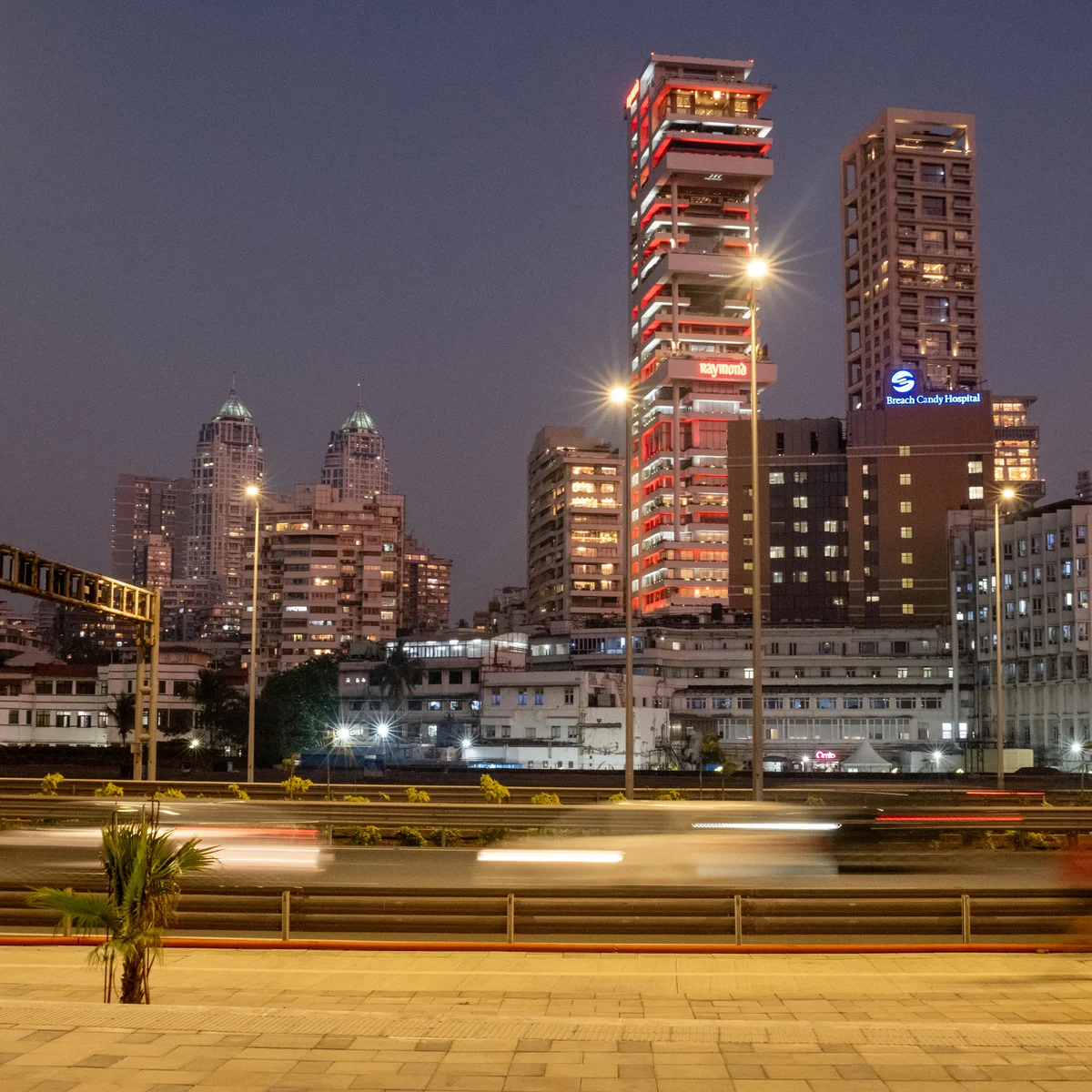
Mumbai residents are expressing growing frustration over the city’s first “musical road,” which plays continuously through their neighbourhoods.
A newly constructed section of the Coastal Road seafront expressway has been designed to play the Oscar-winning song Jai Ho from the movie Slumdog Millionaire.
Officials say the road is meant to encourage safer driving, making it India’s first musical street for traffic management purposes.
Most musical roads around the world are built in quiet, low-population areas, unlike Mumbai’s stretch near Breach Candy.
Breach Candy is home to industrialists, Bollywood stars, and other high-profile residents who now face repeated noise from dawn until midnight.
The tune Jai Ho, roughly translating as “let there be victory,” repeats constantly, creating what residents describe as a persistent, intrusive soundtrack.
More than 650 households have signed formal complaints urging city authorities to stop the music, citing serious mental and emotional distress.
According to the complaint, the tune “enters homes,” forcing many residents to keep windows closed to reduce its disruptive impact.

The concept of musical roads was first pioneered in Japan in 2007, and they have since appeared in countries such as Hungary, South Korea, and the United States.
Mumbai’s municipal officials described the project as a combination of entertainment, engineering, and most importantly, a road safety innovation.
Engineers carved precise grooves into the asphalt that act like a giant vinyl record, producing vibrations that create the musical tune when cars pass.
Vehicles driving at 45 to 50mph trigger the vibrations that reproduce the song composed by the celebrated musician AR Rahman.
Drivers exceeding that speed experience distorted vibrations, which are intended to encourage them to slow down and remain within safe limits.
Large signs warn motorists in advance of the musical section and indicate the exact speed required to hear the tune properly.
The 500-metre stretch was inaugurated on 11 February by Maharashtra Chief Minister Devendra Fadnavis, who called it a “showcase of innovation” in road design.
Authorities defend the musical road as a tool to keep drivers alert and reinforce speed discipline along Mumbai’s busy seafront highway.
However, residents argue that the feature distracts rather than protects, posing a real safety hazard on an already high-speed roadway.
Their complaint to Mumbai’s municipal commissioner, copied to the Chief Minister’s office, stresses concerns over auditory distraction on a high-speed expressway.
Residents also accuse officials of prioritising a novelty speed-control feature while neglecting more pressing traffic dangers from luxury cars speeding along Coastal Road.
The music is generated solely through road vibrations, not loudspeakers, but the repetitive melody reportedly makes it nearly impossible to ignore for nearby residents.
At a time when urban centres worldwide aim to reduce noise pollution, locals argue Mumbai is moving in the opposite direction with this experiment.
The Coastal Road project has been controversial since its conception in 2011, facing criticism over environmental and social impacts.
Spanning eight lanes and built on land reclaimed from the Arabian Sea, the $1.6bn project cut commuting time between Marine Drive and Worli from forty-five minutes to just ten.
Critics argue the motorway primarily benefits wealthier car owners, while the majority of Mumbai’s 23 million residents continue to rely on overcrowded buses and trains.
Despite these concerns, city authorities maintain that the musical road encourages drivers to follow speed limits and remain alert during their journeys.
Safety advocates, however, remain sceptical, suggesting that high-speed vehicles and distracted driving could actually increase risk along the expressway.
Local psychologists have noted that repetitive auditory stimuli, such as the continuous tune of Jai Ho, can significantly impact mental wellbeing and stress levels.
Some residents report difficulty concentrating on work, disrupted sleep, and an ongoing sense of agitation due to the road’s constant musical output.
Automotive experts note that while musical roads can improve compliance with speed regulations, the effect may diminish if drivers simply accelerate to bypass the tune.
The combination of high-end vehicles, frequent traffic, and persistent music creates a unique urban challenge for both city planners and residents alike.
Environmental groups have also weighed in, warning that sound pollution could counteract broader efforts to reduce urban noise across Mumbai’s expanding metropolitan area.
In other countries, musical roads have typically been used in scenic or rural areas to engage drivers without disturbing residential communities, highlighting a misalignment in Mumbai’s planning.
Residents continue to pressure municipal authorities to reconsider the design, calling for quieter alternatives or relocating the musical section away from residential areas.
Some suggest using electronic speed monitoring or conventional road calming measures, which could improve safety without causing constant auditory intrusion.
Despite protests, local media coverage shows that the musical road has also attracted attention from tourists and novelty-seekers, adding to its visibility and controversy.
The debate highlights a broader discussion about urban innovation versus quality of life, particularly in densely populated cities with diverse stakeholders.
City planners argue that Coastal Road is a landmark achievement, blending engineering ingenuity with cultural expression and a nod to India’s cinematic legacy.
Meanwhile, residents insist that innovation should not come at the expense of everyday wellbeing, urging authorities to strike a balance between novelty and livability.
The ongoing tension demonstrates how creative urban projects can face resistance when they directly affect the comfort of high-density communities.
Mumbai’s experiment offers lessons for other cities considering similar musical roads, illustrating the importance of careful site selection and community consultation.
While the concept may be celebrated internationally, local adaptation requires sensitivity to neighbourhood context, population density, and noise pollution concerns.

The Maharashtra government has yet to announce whether it will alter the musical road, but ongoing complaints suggest a reassessment may be inevitable in the coming months.
Residents continue to advocate for quieter streets, highlighting how public participation and community feedback are critical in shaping urban innovations effectively.
The Coastal Road musical road, though inventive, has ignited a debate between progress and everyday peace, showing urban planning complexities.
As Mumbai adapts to rapid growth, its experiment underscores the delicate balance between infrastructure innovation and the wellbeing of residents across city districts.
The city’s authorities face increasing pressure to address noise complaints while preserving the intended safety and entertainment functions of this unique road feature.
Musical roads may remain a global novelty, but Mumbai’s experience demonstrates the need for careful planning to avoid unintended consequences for local communities.
In the coming months, officials are expected to engage with residents to explore modifications that maintain road safety without creating constant auditory disruption.
Mumbai’s musical road debate has captured international attention, highlighting how innovative projects can simultaneously entertain and frustrate local populations.
Related News:
 George Clooney and Amal Clooney Receive French Citizenship
 Shock US Raid: Maduro Pleads Not Guilty in Manhattan Court
 UK and France Agree Troop Deployment Plan for Ukraine
 Capitol Attack Anniversary Sparks Deep Political Divide
 EU Weakens as Trump Targets Venezuela and Greenland
 Saudi Officials Report Zubaidi Flee Before Yemen Peace Talks
 Venezuela Oil Deal Opens Tensions with US Control
 UK Targets in New York Bomb Threat Hoax: Man Jailed
 Trump Plans Venezuela Meeting, Warns of Cartel Land Strikes
 Dutch Nationwide Fireworks Ban Expected to Transform New Year Traditions
 Gambia Supreme Court Hears Case to Overturn FGM Ban
 Trump Labels Renee Good a ‘Paid Agitator’ After Minneapolis ICE Killing
 Indonesia blocks Grok chatbot over sexual content risk
 US Citizens Warned to Venezuela Flee Amid Paramilitary Threats
 UK urges peaceful Iran transition amid escalating protests
 British skier killed in La Plagne avalanche tragedy
 UK Guantánamo Settlement Paid to Tortured Detainee
 Sikh Activist Warned Over Rising Security Threats in UK
 Mandelson apologises over Epstein ties after public scrutiny
 BBC moves to dismiss Trump $10bn lawsuit over Panorama edit
 Trump targets Iran trade with 25% tariff warning
 Rudd successor: Defence chief and former ministers considered
 Russia Moves to Bypass Sanctions, Securing India Oil Imports
 US Senate rejects resolution limiting Trump military powers
 Venezuela regime claims release of political prisoners signals new era
 Friedman Uninvited From 2024 Adelaide Writers’ Week
 Trump Calls Greenland Critical for US Security After Denmark Talks
 Trump: Iran Killing Has Stopped, Strike Threats Pulled Back
 Gulf states warn Trump Iran strikes risk wider Middle East war
 Machado Trump medal gesture reshapes Venezuela power struggle
 Greenland defence seen as shared Nato duty amid troop arrivals
 Gulf states warn Trump Iran strikes risk wider Middle East war
 Geopolitical football: Iran, Trump and the World Cup clash
 Canada-China trade gains momentum in new strategic partnership
 Trump Receives Machado’s Nobel Medal in White House Meeting
 Iran unrest slows under brutal crackdown and global tensions
 Trump Allies Pursue $200m European Gas Pipeline Deal
 Syria President Declares Victory as Ceasefire Reached with SDF
 US Considers Asylum for British Jews Amid Rising Antisemitism
 Starmer Challenges US Over Controversial Greenland Deal
 Chinese tourists drop sharply over Taiwan tensions
 Spoof “Make America Go Away” Caps Rally Denmark Over Greenland
 Trump slams UK ‘stupidity’ over Chagos Islands, eyes Greenland takeover
 More Than 100 Islamic State Inmates Escape Amid Syrian Clashes
 UK Presses On With Chagos Handover Despite Trump Criticism
 Trump Tightens Grip on EU and UK Energy Supply
 Kim Jong-un Fires Vice-Premier Over Factory Failures
 Shinzo Abe’s killer receives life sentence in Japan
 Starmer Resists Matching Trump Amid Greenland Tensions
 Netanyahu Accepts Trump’s ‘Board of Peace’ Invitation
 UK declines Trump’s ‘board of peace’ over Putin concerns
 Silence and Unity Mark Bondi Terror Attack Memorial
 Russia Strikes Kyiv and Kharkiv as Peace Talks Enter Day Two
 China General Under Investigation Amid Leadership Purge
 Philippines ferry disaster leaves 15 dead, dozens missing
 Israel Conditions Gaza Rafah Reopening on Hostage Search Completion
 Turnbull urges Albanese to confront Trump’s global ‘bully’ politics
 India-EU Free Trade Deal Marks Historic Economic Shift
 Iran Death Toll Crisis Exposed: Bodies, Mass Graves, and Concealment
 Snow Threatens Japan Election Turnout Amid Extreme Cold
 Crisis Looms as Liberals Debate Sussan Ley Future
 Cambridge Faces Scrutiny Over Arms Investment Transparency
 Files Link Andrew to Epstein Dinner After Prison Release
 Thousands Protest ICE Operations in Nationwide US Day of Action
 Epstein Files Reveal Trump Officials’ Emails with Financier
 US-Cuba Negotiations Shift as Oil Blockade Looms
 Trump softens stance on Chagos Islands deal after Starmer call
 Epstein UAE Emails Shake British Royal Andrew’s Legacy
 Europeans oppose US after Greenland threat, poll shows
 Christchurch Shooter Seeks to Overturn Guilty Plea in Appeals Court
 Minnesota Nurse Saves Refugees, Witnesses Tragedy Decades Later
 Christchurch gunman seeks to vacate guilty plea
 UK Experts Raise Alarm Over Machinery Export to Armenian Firm
 Liberal Fallout: Taylor Challenge Casts Shadow Over Sussan Ley’s Leadership
 Infantino Faces Russia Threat and Trump Concerns at Uefa Congress
 Concerns rise for Canberra boy amid Iran detention fears
 Ukraine, Russia Meet in Geneva Ahead of War Anniversary
 UK, US Medics Barred from Gaza Amid Rising Aid Concerns
 Sydney Businessman Falsely Claimed Security Advice Came From Kevin Rudd
 Al-Aqsa Tensions: Status Quo at Jerusalem’s Holy Site Collapses