
Published: 25 February 2026. The English Chronicle Desk. The English Chronicle Online.
William Blake House, which supports adults with severe and complex learning disabilities, relies heavily on council and NHS funding exceeding £3 million annually. Its residents are predominantly non-verbal and require 24-hour personal care, making continuity and stability of management critical. The charity’s financial problems became publicly apparent after media reports revealed the care home’s precarious state and families campaigned to assume control to safeguard their loved ones’ welfare.
Families welcomed the commission’s intervention, saying the inquiry offers hope that oversight could prevent a devastating loss of services. “We feel huge relief that the Charity Commission has now instigated a statutory inquiry. Discovering such irregularities has been so traumatic for us,” one family representative stated. The section 46 inquiry represents the most serious regulatory investigation the Charity Commission can undertake, reserved for cases where concerns about mismanagement or misconduct are particularly acute.
The inquiry is expected to investigate a range of governance and financial issues, including the care home’s £1.6 million unpaid tax liability, late filing of accounts, potential conflicts of interest, and allegations of unauthorised personal benefit. Trustees had approved payments totaling £1 million to a company owned solely by the charity chair, Bushra Hamid, despite repeated warnings from auditors about the charity’s diminishing financial viability. The charity’s assets declined from £920,000 to £200,000 between 2022 and 2024, raising alarm among families and regulators alike.

Families have mobilised to try to assume operational control of the care home, but uncertainty remains over whether they will be able to prevent closure. Their efforts highlight broader systemic issues in funding and governance of care services for adults with complex needs, where transparency and proper financial management are critical to ensuring residents’ wellbeing. Many stress that the current crisis should serve as a cautionary tale for other care homes in the sector.
In recent years, the charity’s board reportedly authorised payments to the chair’s company despite auditors repeatedly flagging financial risks. These payments coincided with a dramatic reduction in reserves, demonstrating a mismatch between governance decisions and the organisation’s operational sustainability. Trustees are legally responsible for safeguarding assets and ensuring resources are used to benefit residents, obligations that appear to have been compromised according to reports.
Campaigners emphasise that the inquiry could set a precedent for how regulators approach serious financial concerns in care homes. With families and staff anxiously awaiting the commission’s findings, attention is now focused on whether remedial measures can stabilise operations and protect residents. The outcome may influence regulatory standards for other specialist residential homes, particularly regarding transparency in executive compensation and conflict-of-interest policies.

The statutory inquiry has drawn attention from policymakers and the public alike, with calls for stronger safeguards to prevent similar crises in other homes. Ed Davey and other advocates have argued for clearer accountability frameworks and improved monitoring of both financial practices and governance in the care sector. Stakeholders insist that the welfare of residents must remain paramount, and the inquiry presents an opportunity to reinforce protections for the most vulnerable.
As the investigation proceeds, the families of William Blake House residents continue to stress the importance of immediate action to prevent disruption. They maintain that the charity’s future must not be compromised by historical mismanagement and insist that any corrective measures prioritise continuity of care. Observers note that the Commission’s inquiry may influence policy decisions, funding mechanisms, and governance standards across the wider care charity sector.
The ongoing scrutiny of William Blake House underscores broader challenges facing care homes providing specialist care, including reliance on council funding, high staff costs, and the need for rigorous internal oversight. Experts suggest that lessons learned from this case could inform future legislation and regulatory guidance, ensuring that trustees are held accountable and that residents’ interests are safeguarded consistently.
The Charity Commission’s statutory inquiry represents a crucial step toward addressing serious concerns about governance, transparency, and financial management at William Blake House. Families and advocates hope that the process will not only clarify past mismanagement but also establish stronger protections for residents in the future. The unfolding investigation continues to attract public interest and may have lasting implications for care homes nationwide.
Related News:
 Peterborough Mosques Tighten Security After Attack
 Reeves Faces Setback as Labour May Miss Homes Target
 Hospice Cuts Raise Alarm Across England Amid Funding Crisis
 Kate Winslet to Narrate Film Highlighting King’s Environmental Mission
 Green Party Surges Past Labour in Latest UK Poll
 Trump’s UK Ambassador Urges North Sea Drilling to Strengthen US Ties
 Children to Learn Local History in Major Curriculum Overhaul
 French Taxi Driver Cleared in David Lammy Theft Case After Fare Dispute
 UK Bans Fake Numbers: Scammers Lose Their Trick
 Prince William Plants Trees with Brazil’s Nature Heroes
 M&S Profits More Than Halve After Cyber-Attack
 Kent village told to remove flags before Christmas lights go up
 Patients to Test Health at Home to Ease NHS Winter Pressure
 King Charles to Lead Nation in Remembrance Sunday Service
 Palace May Restore Hyphen to Andrew Mountbatten-Windsor’s Name
 Millionaires group urge Reeves to introduce wealth tax to ‘lift kids out of poverty’
 Starmer Faces Growing Dissent as Labour MPs Weigh Leadership Challenge
 Shouting Works Best to Deter Gulls, UK Study Finds
 Reeves rejects £1bn plea for NHS redundancy payouts
 Northern Lights may illuminate UK skies this week
 PM Condemns Leaks, Vows Loyalty to Ministers and Stability
 Son Reveals UK Couple in Iran Resort to Hunger Strike for Help
 Major Rent Reform Ends No-Fault Evictions in England
 Former Lion Heskey Warns of Shortage of England Strikers
 Criminal Gangs Pose as Truckers to Hijack UK Supply Chains
 Stroke Patient Mistaken for Drunk, Care Delayed
 Van Dwellers Face Eviction After Park Misuse Sparks Outcry
 ‘Traumatic Wait’: Northern Ireland Women Face Breast Cancer Delays
 Serial Rapist and Former Cop Found Guilty Again
 Royal Navy Shadows Russian Warships Entering the Channel
 Inside the Helpline Protecting Missing Children in the UK
 Most Tories Expect to Support a Farage-Led Government
 Boots Showstopper Beauty Bundle Outshines Many Advent Calendars This Holiday Season
 Labour’s ‘blinkered’ drive to build risks pushing wildlife to point of no return, nature experts warn
 PlayStation PS5 Deals Hit Lowest Prices Ahead of Black Friday
 Karen Carney Stuns on Blackpool Week, Deserves Strictly Final
 Five-Year-Old Dies After Rare Tonsil Surgery Complication
 Fibromyalgia Patients Struggle as NHS Fails to Provide Care
 Starmer Says Labour’s Economic Plan Needs Years to Deliver
 Virgin Media Fined £23.8m Over Telecare Safety Failures
 More Patients Now Contacting GPs Online, Data Shows
 UK unemployment rises to four-year high of 5.1% before budget
 Wiltshire Police Use Lasso to Catch Rampaging Village Goat
 Children to Receive Home Vaccines as England Acts
 Cambridge College Faces Backlash Over Private School Recruitment
 NHS Violence Crisis: Staff Face Daily Assaults
 Celebrity Campaign Highlights SMA Screening Failures
 Bereaved Fathers Gain New Paternity Leave Rights in UK
 Storm Goretti leaves Cornwall homes without power
 New Documentary Examines Teen’s Zombie Knife Murder
 Woman Jailed for Life After Killing E-Bike Rider in Tragic Mistaken Identity Case
 Right Must Unite After Jenrick Defection, Urges Rees-Mogg
 UK Ministers Drop Foreign Student Targets for Global Education Push
 No Gas Boiler Ban as UK Warm Homes Plan Backs Heat Pumps
 UK Glaucoma Rise Signals Looming Eye Health Crisis by 2060
 Shinzo Abe’s killer receives life sentence in Japan
 Police response times face strict new national limits
 Edinburgh, Glasgow Lead UK Nightlife Hotspots, Uber Data
 Labour policing overhaul sparks fears over growing central control
 Devon hosts first high-density hydro power system
 Pornhub blocks new UK users over age checks dispute
 Starmer warns of toxic division politics in Reform challenge
 UK New Car Discounts Near £6,000 as Prices Are Slashed
 Pneumonia Surge Pushes England Emergency Cases Higher
 Wigan Dump Crisis Sparks Health and Safety Alarm
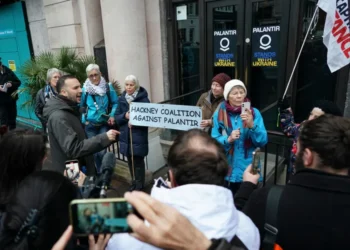 Palantir contracts face UK halt calls over transparency
 Teen Girl Chased in Broad Daylight in Ipswich
 Send spending gap leaves deprived areas behind
 Cabinet Secretary Shake-Up Triggers Due Diligence Warning
 Hidden Crisis: Domestic Abuse Suicide Toll in UK
 Farage to Name Jenrick as Reform Chancellor Pick
 UK MPs Demand Ban on Brazilian Butt Lifts
 Civil Service Pay: Union Urges Ministers to End ‘Barking Mad’ Limits
 Antonia Romeo appointment sparks criticism
 Farage Chagos Islands Row Sparks Fury
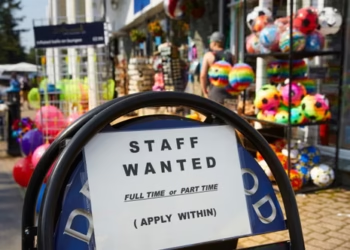 UK Job Vacancies Hit Five-Year Pandemic Low
 UK Youth Unemployment Surges Amid Tax Changes
 Reform UK targets workers’ rights repeal
 Half of Britons Avoid GP When Ill, Survey Reveals Growing Concern
 Strong Rebound for UK Housing Market Sees 6% More Homes