Published: 26 February 2026. The English Chronicle Desk. The English Chronicle Online.
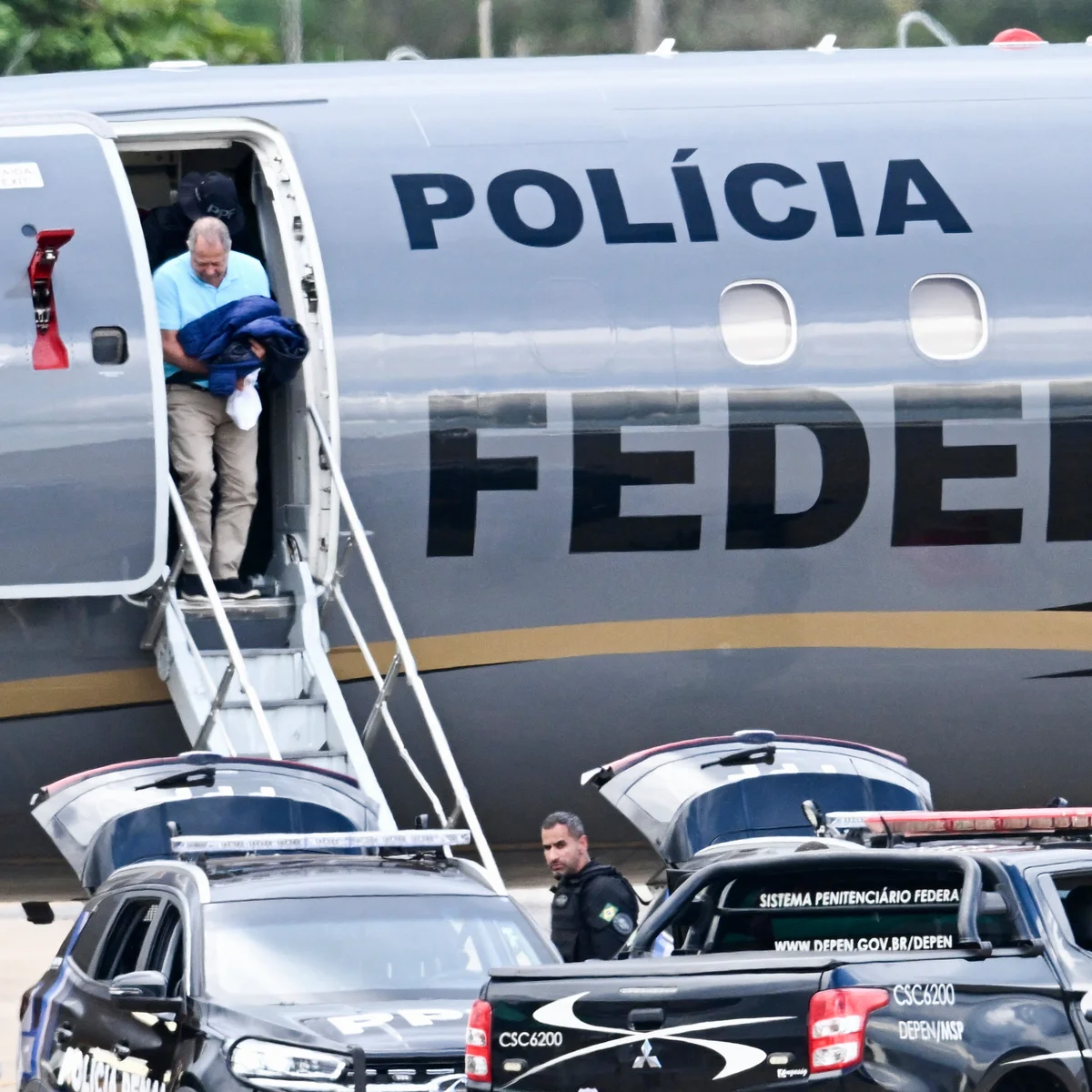
Two influential Brazilian politician brothers have been convicted in a landmark trial for ordering the murder of Marielle Franco, the Rio de Janeiro city councillor, nearly eight years ago. The supreme court’s decision has drawn international attention, reflecting on both the persistence of political corruption and the ongoing struggle for justice in Brazil. João Francisco Inácio Brazão, a former congressman known as Chiquinho, and Domingos Inácio Brazão, a former adviser to Rio’s court of auditors, were each sentenced to 76 years and three months in prison for orchestrating the killings of Franco, 38, and her driver, Anderson Gomes, 39.
Marielle Franco was a rising political star whose advocacy for marginalized communities and opposition to police violence made her a target of powerful interests. Her assassination on 14 March 2018 sent shockwaves through Brazil and internationally, drawing widespread condemnation from human rights organisations, governments, and civil society. The murder represented not only a personal tragedy but also a stark warning about the dangers faced by those challenging entrenched political and criminal networks.

The court’s ruling was unanimous, with justices also convicting the Brazão brothers of the attempted murder of Fernanda Chaves, Franco’s press officer, who was in the car during the attack and survived. The trial highlighted the complex interplay between politics, organized crime, and law enforcement in Rio, illustrating how deeply criminal influence has penetrated public institutions. Human rights advocates have described the conviction as a pivotal moment in confronting systemic corruption and the culture of impunity that has long undermined justice in Brazil.
Franco’s sister, Anielle Franco, expressed her relief and vindication on social media, emphasising the arduous journey to uncover the truth. She stated that eight years of struggle had finally led to a measure of justice for her sister and Anderson Gomes. Anielle Franco, who serves as Brazil’s Minister for Racial Equality under President Luiz Inácio Lula da Silva, called the convictions a historic step in confronting political violence motivated by gender and race, asserting that impunity should not exist within democratic governance.
Justice Cármen Lúcia, announcing her vote, described the proceedings as deeply painful, noting the limited power of human justice to alleviate the grief experienced by the families. She remarked that the trial was a restrained expression of what the law could offer to those directly affected by the atrocity, underscoring the profound emotional impact of the case. The court proceedings were attended by relatives of Franco and Gomes, who witnessed the outcome after nearly a decade of legal struggle.
The investigation itself was fraught with challenges, including the deliberate destruction of evidence, frequent changes in lead investigators, and revelations of active obstruction by law enforcement officials. Rivaldo Barbosa, the former head of Rio’s homicide division, was found guilty of obstruction of justice and corruption, having received bribes from the Brazão brothers, though he was not convicted of murder due to insufficient evidence of direct involvement. These revelations shed light on the deep-rooted interference that delayed accountability and complicated the path to justice.
The case was tried in Brazil’s supreme court because Chiquinho was a sitting congressman when his role in the crime emerged, ensuring the legal authority to prosecute at the highest level. The convictions follow over a year after two former police officers, Ronnie Lessa and Élcio de Queiroz, who executed the killings, received long prison sentences in Rio. Lessa, who fired the fatal shots, and de Queiroz, who drove the getaway car, had their sentences reduced after confessing and cooperating with investigators, but their testimony was crucial in establishing the Brazão brothers’ responsibility.
Lessa’s confession detailed that the Brazão brothers, historically linked to paramilitary militias, had commissioned the killing after becoming frustrated with Franco’s efforts to disrupt lucrative housing and development schemes. Justice Alexandre de Moraes highlighted that Franco’s opposition to illegal real estate projects represented a substantial threat to the brothers’ economic and political interests. The conviction underscores the risks faced by politicians and activists confronting entrenched criminal enterprises and predatory economic practices in Brazil.
The militias associated with the Brazão brothers profited extensively from illegal land occupation, often targeting environmentally protected areas, and subsequently developing properties or providing unauthorised services such as electricity and internet. Marielle Franco, as a city councillor, actively warned residents about these illegal operations and advocated for housing rights, positioning herself as a formidable obstacle to the militia’s ambitions. Justice de Moraes emphasised that the killing was a deliberate act to silence a Black, poor woman challenging the interests of powerful criminal actors, reflecting the intersection of misogyny, racial prejudice, and political violence.

The defence for the Brazão brothers centred on attempting to discredit Lessa’s testimony, arguing that no other evidence directly implicated them in the crime. However, the justices unanimously determined that the evidence, including financial records, witness accounts, and prior criminal involvement, overwhelmingly corroborated the brothers’ role in ordering the assassination. The court also convicted two former police officers, Ronald Paulo de Alves Pereira and Robson Calixto Fonseca, for their contributions to the crime, including monitoring Franco and delivering the murder weapon, demonstrating the broad network of complicity in the attack.
Amnesty International’s executive director in Brazil, Jurema Werneck, hailed the convictions as a critical milestone in the country’s pursuit of justice. She underscored that the ruling affirms the importance of protecting human rights defenders, stressing that activism should never carry a death sentence. Werneck added that the decision could serve as a turning point in the ongoing fight against impunity in Brazil, helping prevent the recurrence of politically motivated killings and reinforcing the rule of law.
The Brazão brothers’ sentencing represents a rare moment of accountability within a system often hampered by corruption, intimidation, and the intertwining of criminal networks with political power. The trial reflects both the resilience of investigative and judicial institutions and the tireless efforts of activists and families who pursued justice over nearly a decade. As Brazil continues to confront the legacies of political violence, the case has become emblematic of the struggle for equitable and transparent governance in the face of entrenched systemic challenges.
Marielle Franco’s legacy endures as a symbol of resistance against oppression and injustice, inspiring activists and citizens to demand greater accountability from public officials. Her assassination, once a source of national outrage and international scrutiny, now serves as a touchstone for meaningful legal and societal reform. The convictions underscore the potential for legal systems to challenge powerful interests, even in contexts marked by pervasive corruption and organized criminal influence.
The case also sends a stark message regarding the intersection of gender, race, and politics in Brazil, highlighting the risks faced by women and minorities who confront entrenched criminal and political interests. Scholars and civil society leaders argue that the trial could catalyse structural reforms, encouraging greater oversight, transparency, and protection for vulnerable public figures. The outcome is expected to influence both policy development and public awareness, reinforcing the imperative of safeguarding human rights defenders.
As Brazil reflects on this landmark judgment, the convictions of the Brazão brothers mark a definitive, if long-delayed, triumph for justice. The ruling serves not only to honour Marielle Franco and Anderson Gomes but also to demonstrate that accountability remains possible even amid complex and powerful networks of influence. This chapter in Brazil’s history may well shape the ongoing fight against impunity, offering hope that justice can prevail against formidable odds, and providing a lasting reminder of the importance of courage, advocacy, and unwavering commitment to human rights.
Related News:
 Files Link Andrew to Epstein Dinner After Prison Release
 Thousands Protest ICE in New York Against Trump Deportation Campaign
 Shock US Raid: Maduro Pleads Not Guilty in Manhattan Court
 Trump Plans Venezuela Meeting, Warns of Cartel Land Strikes
 Gambia Supreme Court Hears Case to Overturn FGM Ban
 Iran Leader Blames Protesters, Says They Serve Trump
 Mandelson apologises over Epstein ties after public scrutiny
 Rudd successor: Defence chief and former ministers considered
 US Senate rejects resolution limiting Trump military powers
 Trump Calls Greenland Critical for US Security After Denmark Talks
 Trump: Iran Killing Has Stopped, Strike Threats Pulled Back
 Machado Trump medal gesture reshapes Venezuela power struggle
 Trump Receives Machado’s Nobel Medal in White House Meeting
 Iran unrest slows under brutal crackdown and global tensions
 Trump Allies Pursue $200m European Gas Pipeline Deal
 US Considers Asylum for British Jews Amid Rising Antisemitism
 Starmer Challenges US Over Controversial Greenland Deal
 Spoof “Make America Go Away” Caps Rally Denmark Over Greenland
 Trump slams UK ‘stupidity’ over Chagos Islands, eyes Greenland takeover
 UK Presses On With Chagos Handover Despite Trump Criticism
 Kim Jong-un Fires Vice-Premier Over Factory Failures
 Shinzo Abe’s killer receives life sentence in Japan
 Starmer Resists Matching Trump Amid Greenland Tensions
 Netanyahu Accepts Trump’s ‘Board of Peace’ Invitation
 South Korean Ex-PM Jailed 23 Years Over Martial Law Role
 Russia Strikes Kyiv and Kharkiv as Peace Talks Enter Day Two
 Canada Rules Out Free Trade Deal With China Amid US Tensions
 Turnbull urges Albanese to confront Trump’s global ‘bully’ politics
 Iran Death Toll Crisis Exposed: Bodies, Mass Graves, and Concealment
 Snow Threatens Japan Election Turnout Amid Extreme Cold
 Keir Starmer meets Xi to strengthen UK-China economic relations
 Crisis Looms as Liberals Debate Sussan Ley Future
 Calls Grow for King Charles to Apologise for Crown’s Role in Slavery
 Cambridge Faces Scrutiny Over Arms Investment Transparency
 Emails Show Epstein Funded Mandelson’s Husband After Jail
 Labour Attacks Reform Candidate Over Tommy Robinson Backing
 Thousands Protest ICE Operations in Nationwide US Day of Action
 Epstein Files Reveal Trump Officials’ Emails with Financier
 Trump-Petro Meeting Sparks Hopes of Diplomatic Detente
 Trump softens stance on Chagos Islands deal after Starmer call
 Epstein UAE Emails Shake British Royal Andrew’s Legacy
 Liberal Fallout: Taylor Challenge Casts Shadow Over Sussan Ley’s Leadership
 Concerns rise for Canberra boy amid Iran detention fears
 Ukraine, Russia Meet in Geneva Ahead of War Anniversary
 Army Officers Orders to Cut Ties with Men-Only Clubs
 Trump’s UK Ambassador Urges North Sea Drilling to Strengthen US Ties
 French Taxi Driver Cleared in David Lammy Theft Case After Fare Dispute
BBC to Apologise Over Edited Trump Speech Amid Backlash
French Taxi Driver Cleared in David Lammy Theft Case After Fare Dispute
BBC to Apologise Over Edited Trump Speech Amid Backlash
 Britain deploys RAF specialists to assist Belgium with drone threats
 Millionaires group urge Reeves to introduce wealth tax to ‘lift kids out of poverty’
 Reeves rejects £1bn plea for NHS redundancy payouts
 PM Condemns Leaks, Vows Loyalty to Ministers and Stability
 Major Rent Reform Ends No-Fault Evictions in England
 Senator John Fetterman Hospitalized After Fall from Heart Flare-Up, Keeps Sense of Humor
 Greene Pushes Epstein Files Amid Trump Fallout
 December Run-Off in Chile as Election Produces No Winner
 Canada Passes Carney’s First Budget in Tight Parliamentary Vote
 Shadow Fleet at Sea: Europe’s Battle Against Illicit Oil Shipping
 Georgians Defy Government Crackdown After Year of Protests
 US National Guard Member Killed in DC Shooting
 ICC to Rule on Duterte’s Provisional Release
 Starmer Says Labour’s Economic Plan Needs Years to Deliver
 Khaleda Zia Death in Bangladesh: First Female PM Dies at 80
 Saudi Officials Report Zubaidi Flee Before Yemen Peace Talks
 Gulf states warn Trump Iran strikes risk wider Middle East war
 UK Ministers Drop Foreign Student Targets for Global Education Push
 No Gas Boiler Ban as UK Warm Homes Plan Backs Heat Pumps
 Sussan Ley leadership milestone shakes Liberal future
 EU Says US Ties Have Suffered ‘Big Blow’ After Greenland Crisis
 Police response times face strict new national limits
 China General Under Investigation Amid Leadership Purge
 Australia’s Opposition Coalition Reunites After Rift
 Australian Families Leave Syrian Camp for Home
 Farage to Name Jenrick as Reform Chancellor Pick
 Civil Service Pay: Union Urges Ministers to End ‘Barking Mad’ Limits
 Antonia Romeo appointment sparks criticism
 Farage Chagos Islands Row Sparks Fury
 Reform UK targets workers’ rights repeal
 Russian Trade Routed Through British Islands Exposed
 Mandelson Arrest: Met Apologises to Hoyle