Published: 26 February 2026. The English Chronicle Desk. The English Chronicle Online.
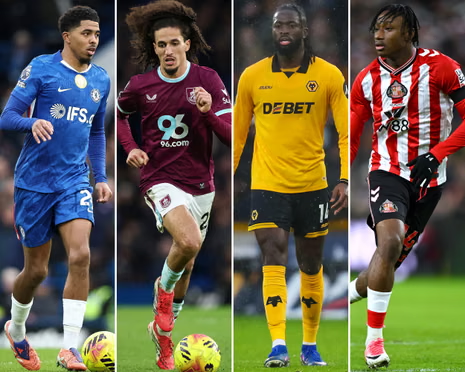
The global football community is currently facing a very difficult and testing period. Professional players are now standing up against racism with a very strong collective voice. This movement follows several high-profile incidents that have deeply affected the beautiful game lately. Many fans are wondering if discrimination is actually increasing in our modern sporting world. Others believe that players are simply more willing to report these disgusting verbal attacks. Recent events involving Sir Jim Ratcliffe and Vinícius Júnior have certainly fueled this debate. Four Premier League stars recently highlighted the horrific abuse they received on social media platforms. These players were targeted by anonymous accounts immediately following their matches last weekend. This surge in reporting shows a new level of bravery among professional athletes today.
Sir Jim Ratcliffe recently made some very controversial comments regarding immigration in the UK. Many people believe his words have unfortunately emboldened those who hold prejudiced views online. Such language from a major club owner can create a very hostile environment indeed. At the same time, Vinícius Júnior continues his relentless fight against Spanish stadium abuse. His determination to hold perpetrators accountable has inspired many other young players to speak. Wesley Fofana and Hannibal Mejbri are among those now refusing to stay silent anymore. Tolu Arokodare and Romaine Mundle have also joined this brave group of vocal athletes. They are showing the kind of leadership that is often missing at the top. Footballers are tired of waiting for governing bodies to take the necessary decisive steps.

The courage required to call out racism in public should never be underestimated. It is a bold move that often invites even more scrutiny from the public. We saw this trend begin to grow significantly during the previous summer months. England defender Jess Carter took a stand against abuse during the Women’s European Championship. Her actions led to a successful prosecution and a guilty plea in court. Antoine Semenyo also reported an incident during a match at the Anfield stadium. These cases have set a vital precedent for accountability within the footballing world. Players now want to see real consequences for those who spread such hatred. The UK Football Policing Unit is currently investigating the latest wave of online attacks. Meeting this discrimination with legal action is the best way to empower everyone.
Statistics from Kick It Out suggest that reports of discrimination have risen sharply lately. Online abuse reports have increased by one third compared to the last season. Across the entire sport, total reports have surged by a massive forty-five percent. These numbers indicate that football is a lightning rod for broader societal issues today. The UK Football Policing Unit notes that many offenders now use sophisticated technology. They often hide their true locations by using virtual private networks on phones. The abuse has also evolved from simple emojis to complex AI-generated images lately. Some perpetrators are even sending offensive audio files to players via direct messages. Social media companies have unfortunately reduced their monitoring teams over the last year. This makes it much harder to remove offensive content in a timely manner.
There is now a greater alliance between various footballing bodies and official regulators. Organizations like Ofcom are working closely with Kick It Out to tackle this. They want to ensure that social media platforms face heavy fines for failures. Protecting players from real-world consequences of online hate is a top priority now. Clubs are also doing more to support their squads through these difficult times. However, the burden of leadership still seems to fall mostly on the players. This responsibility should be shared by those who hold power in the boardrooms. We need to see the same passion from executives as we do players. When leaders fail to use the right words, the entire sport suffers greatly.
Ratcliffe is not the only high-profile figure to face criticism for his remarks. José Mourinho also faced backlash for his comments regarding the situation with Vinícius. Some felt his words effectively denied the reality of the discrimination taking place. He suggested that a goal celebration might have contributed to the fan reaction. Others pointed to past club legends to suggest racism could not exist there. These types of arguments are often seen as a way to avoid accountability. Such comments were roundly criticized by those who value diversity within the game. Unity is essential if we want to build a truly welcoming football environment. We must safeguard the progress that has been made over many difficult decades.
Representation at the highest levels of football remains a very significant ongoing challenge. Vincent Kompany recently spoke about the need for more diverse leaders and coaches. He believes that a lack of diversity at the top hinders real progress. Our analysis shows that senior leadership positions lack representation from diverse ethnic backgrounds. Only three percent of board positions at Premier League clubs are currently filled. This lack of diversity might explain why some issues are not prioritized enough. A more inclusive leadership team would naturally understand the concerns of the players. They would be more likely to push for long-term structural changes in football. Transparency in how these cases are handled is also a very vital component.

The new Independent Football Regulator could play a massive role in changing this culture. This body has the power to hold clubs accountable for their diversity targets. It can ensure that representation is not just a box-ticking exercise for teams. We need a system where players feel supported by every level of management. Grassroots football also requires more attention to stop discrimination before it reaches professional levels. Every fan has a role to play in calling out hate when they see it. Silence is often interpreted as acceptance by those who seek to cause harm. We must work together to ensure that the pitch remains a safe space. The future of the game depends on our ability to embrace all people.
Social media firms must also be held to a much higher standard globally. They have the technology to stop most of this abuse before it reaches players. Fines and regulations are necessary to force these multi-billion dollar companies to act. Footballers should be able to check their phones without fearing a wave of hate. This is a basic human right that should be protected by the law. The mental health of athletes is at risk when this abuse goes unchecked. Many young players are feeling the pressure of this constant digital onslaught today. We owe it to the next generation to clean up the digital game. Leadership must come from the top down to be truly effective and lasting.
The fight against racism is not a sprint but a very long marathon. It requires constant vigilance and a refusal to accept the status quo anymore. Football has the power to unite people from all different walks of life. We see this every time a stadium erupts in joy after a goal. That joy should belong to everyone regardless of their race or their background. The players have started the fire of change with their incredible recent bravery. Now it is time for the authorities to keep that flame burning bright. Only through collective effort can we hope to eradicate this poison from sport. Let us stand with the players who are demanding a better future. The time for empty statements has passed and the time for action is here.
Related News:
 Sarr Double Sinks Young Liverpool in Carabao Cup
 Nwaneri and Saka Secure Arsenal Win Over Brighton
 Salah & Gravenberch Lead Liverpool to Win Against Villa
 Dyche Criticises Corner Decision as Forest Draw with United
 Caicedo Shines as Chelsea Edge Spurs in Chaotic Derby
 Granit Xhaka Rescue Earns Everton Draw at Sunderland
 Burn and Joelinton Head Newcastle to Victory Over Bilbao
 Foden shines as Man City dismantle Dortmund in dominant display
 Tension and Turmoil at Aston Villa v Maccabi Match
 Bellingham has ‘the edge’ among England No 10s
 Man City Masterclass on Guardiola’s Milestone Day Exposes Liverpool Woes
 Lando Norris Dominates Brazil GP to Strengthen F1 Title Bid
 England cannot afford to be in awe of the All Blacks, warns Jamie George
 VAR Must Rein Its Neck In to Save Football’s Spirit
 Trescothick Hints Pope Will Keep Number Three Spot
 Ronaldo Confirms Final World Cup and Plans Retirement
 Mary Earps’s Manchester United Return Faces Mixed Reception
 Sam Kerr Stars in Chelsea Return with Champions League Double
 This kid is something else: Alex Scott’s rise to England call-up
 UK and Ireland Announce Venues for Euro 2028 Tournament
 Saka Solidifies Role as Tuchel’s Key England Lieutenant
 Former Lion Heskey Warns of Shortage of England Strikers
 Australia Mourns Paralympic Champion Paige Greco
 Irish Hero Parrott Says Goal Brought First Tears in Years
 Nigeria Misses World Cup Again After Play-Off Loss
 From heartbreak to glory: Scotland’s dramatic return to the World Cup
 Tiny Curacao Makes History as Smallest Nation to Reach World Cup
 Haiti Qualifies for World Cup Despite Coach Never Visiting Country
 Major League Baseball Scores New Broadcast Deals Through 2028
 Barcelona Returns to Camp Nou vs Athletic Bilbao
 Moyes Defends Gueye After Dramatic Everton Bust-Up
 Kids Football Coach Removed Over Suspected ‘Drugs Menu’
 Mbappe Scores 4 as Real Madrid Edge Olympiakos
 Man City Lose, Champions League Risk
 Jac Morgan to Miss Six Nations Start After Surgery
 Alexander Isak ends drought as Liverpool stop rot with win at West Ham
 Mbappe rescues Real Madrid with a penalty at Girona
 Barcelona, Atletico set for decisive La Liga showdown
 Maxwell withdraws from IPL 2026 after 13 seasons
 Mbappe stars as Real Madrid thrash Athletic, close on Barca
 Trump to attend 2026 FIFA World Cup draw in Washington
 Australia Face Big Changes as Cummins and Lyon Ruled Out of Ashes
 Van de Ven Tackle Leaves Isak with Fractured Leg
 City Set to Land Semenyo After Chelsea Exit from Transfer Race
 Arrizabalaga Sends Arsenal Through in Dramatic Shootout
 Ashes Shock: Boland Admits Struggle Bowling With Keeper Up
 ECB powerless to halt England’s recurring Ashes failures
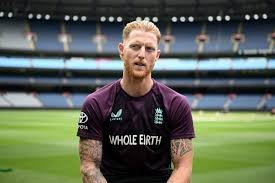 Stokes urges empathy for England players amid Ashes struggles
 Damien Martyn in Induced Coma After Meningitis Diagnosis
 Spin Bowling Struggles as Pace Dominates 2025 Ashes Series
 Anthony Joshua Released After Nigeria Car Crash
 Chelsea Sack Looms: Enzo Maresca Relationship Collapses
 Africa’s Superpowers Shine in Cup of Nations Quarter-Finals
 Amorim’s United Future Uncertain Amid Wilcox Tension
 Raducanu Battles Injury as Britain Exit United Cup
 Australia Dominates England: Smith, Head Crush Bowlers in Sydney
 Australian Open Prize Money Hits Record $111.5m
 Nick Kyrgios Faces Singles Struggles at Brisbane Tennis Return
 Nottingham Forest Deny West Ham in Dramatic Late Win
 Manchester United Fan Group Targets Jim Ratcliffe Over Club Chaos
 Morocco sail into Afcon semis after Díaz inspires win
 Wrexham stun Nottingham Forest with Okonkwo FA Cup heroics
 Salah Shines as Egypt Knock Out Ivory Coast at Afcon
 Israeli fans ban questioned after Dutch police dispute evidence
 Semenyo Shines for City – Winners and Losers of Transfer
 Geopolitical football: Iran, Trump and the World Cup clash
 Regragui condemns Afcon final chaos after dramatic defeat
 Brahim Díaz’s Panenka Fail Highlights Penalty Risks
 Madison Keys’ Australian Open defence tested as Ukrainian debutant dazzles
 ‘A long time coming’: US table tennis finds its moment
 Mbappé’s Late Penalty Lifts Real Past Nine-Man Rayo
 Women’s FA Cup Could Introduce Seeded Teams from Last 32
 Yamal and Rashford Shine as Barcelona Reach Copa Semis
 Newcastle fans face bleak reality under Saudi ambitions
 ‘Scrutiny and Pressure on Irish Has Reached New Level’ — Rugby Faces Brutal Spotlight After France Defeat
 Hugo Ekitike Becomes Liverpool’s New Cult Hero
 Wrestler at 60: A Powerful New Start in the Ring
 ‘We’re like a family here’: Habib Diarra thrives at Sunderland
 Infantino Faces Russia Threat and Trump Concerns at Uefa Congress
 Coventry v Boro: Momentum Shifts in Championship Race