Published: 26 February 2026. The English Chronicle Desk. The English Chronicle Online.
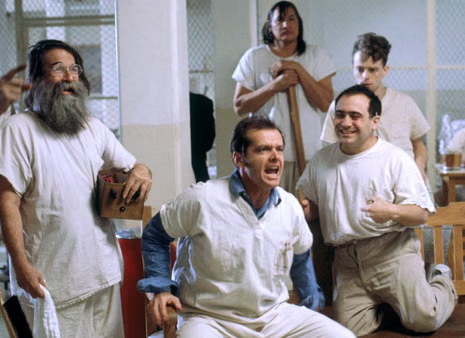
The cinematic world continues to celebrate the enduring power of One Flew Over the Cuckoo’s Nest. This masterpiece remains a cornerstone of film history five decades after its initial 1976 UK release. The performance by Jack Nicholson transformed a complex literary adaptation into a global cultural phenomenon. Critics and audiences alike still find themselves moved by the raw energy of the story. The film explores the thin line between sanity and the crushing weight of authority. It presents a world where individual freedom battles against a rigid and unyielding social system.
Milo Forman directed this adaptation of the famous novel written by the visionary Ken Kesey. The narrative focuses on an attempted coup within a restrictive and cold psychiatric institution. Randle McMurphy enters this sterile environment with a vibrant and rebellious spirit of pure defiance. He quickly encounters the standard-bearer of institutional order known as the formidable Nurse Ratched. Their conflict represents a moral struggle between personal liberty and the demand for absolute control. The film successfully moved a niche subject into the mainstream of the commercial movie field. It earned numerous Oscar nominations and secured its place in the hearts of many viewers.
The production required a leading man with significant box office muscle and undeniable acting talent. Jack Nicholson provided the perfect balance of charisma and vulnerability for the role of McMurphy. His performance is often described as riveting because he avoids typical Hollywood leading man tropes. He fits himself around the part rather than forcing the role to fit him. This approach allowed the supporting cast to shine alongside his magnetic presence on the screen. The ensemble playing creates a realistic atmosphere that feels both intimate and deeply tragic. Each minor character possesses a unique entity that contributes to the strength of the whole.

Ken Kesey’s original book was a classic of the sixties counter-culture movement of that era. The film version makes certain concessions to ensure it appeals to a much wider audience. Forman focused more on the people involved rather than the abstract ideas of the novel. This naturalistic style allows the imagination of the viewer to fill in the darker gaps. While some purists noted the differences, the core message of the story remains very powerful. It addresses what happens when institutions treat those under their power with fundamental and cold insufferability. The film suggests that the evil done by such people is often unintentional.
Nurse Ratched believes she is doing the right thing for the patients in her care. This makes her character more terrifying than a standard villain in a typical horror film. Louise Fletcher delivers a superbly icy portrait of a fanatic who values order above all. Her performance provides the perfect foil for the chaotic and life-affirming energy of Jack Nicholson. The director explores the nature of heroism and the necessity for it in society. He asks what we should think of a man who fights a tank. McMurphy uses a metaphorical broomstick to challenge a system he cannot possibly hope to defeat.
The example he sets becomes the stuff of life-sustaining hope for those he leaves behind. The film was shot on location at the Oregon State Institution for authentic visual detail. This setting adds a layer of realism that grounds the more theatrical elements of the plot. Real patients appeared at the edges of the frames to enhance the atmosphere of the wards. This collaboration between professional actors and the institution created a truly unique cinematic environment. The technical execution of the film remains a high point of seventies filmmaking and artistry. It avoids the cultural ghetto of the art circuit to find a permanent home.
Forman’s human sympathies sometimes encourage laughs that come perhaps a little too easily for some. Certain lessons regarding therapy and business might seem a bit glib to a modern audience. However, the cold wrath of the final section of the movie buries these minor concerns. The emotional impact of the ending remains as devastating today as it was years ago. It forces the viewer to question their own judgment regarding who is truly sane. The film makes it clear that judging dissenters as mentally ill is a dangerous road. This theme resonated deeply with audiences living through the political tensions of the Cold War.
As Jack Nicholson demonstrates through his character, help can often be a masked form of defeat. The struggle for the soul of the individual is a timeless theme in literature. This movie captures that struggle with a clarity that few other films have managed since. It serves as a reminder that the spirit of rebellion is often a necessity. Even when the battle seems lost, the act of defiance carries its own intrinsic value. The legacy of the film is secured by its honest portrayal of human fragility. We see ourselves in the patients who are searching for a way to belong.
The dialogue remains sharp and relevant to contemporary discussions about mental health and personal rights. Jack Nicholson used his platform to bring attention to the plight of the marginalized in society. His portrayal of McMurphy is a masterclass in acting that students still study with great intensity. The film does not shy away from the darker aspects of the human condition or society. It presents a world that is often unfair and sometimes even downright cruel to people. Yet, there is a persistent thread of humor that weaves through the darkest of moments. This balance is what makes the movie a perennial favorite for fans of serious drama.

The 1976 review of the film highlighted its ability to bridge the gap between art. It turned a challenging subject into a narrative that everyone could understand and feel deeply. The success of the film at the Academy Awards was a testament to its quality. It became one of the few movies to win all five major award categories. This achievement cemented the reputations of Forman, Fletcher, and the incomparable Jack Nicholson. Their work continues to inspire new generations of filmmakers to tell bold and brave stories. The English Chronicle celebrates this anniversary by looking back at a true cinematic giant.
The influence of the film can be seen in many modern dramas and television series today. It set a standard for how to handle sensitive topics with both grace and power. The character of McMurphy remains an icon of the silver screen for many movie lovers. His laughter echoes through the halls of the fictional asylum and into our collective memory. Jack Nicholson gave a voice to the voiceless through his dedicated and passionate performance here. As we look back, we realize that the message of the film is eternal. It calls us to value freedom and to recognize the humanity in everyone around us.
The final scenes of the movie leave a lasting impression that is difficult to shake off. It is a story of sacrifice and the enduring nature of the human spirit. Chief Bromden’s final act is a powerful symbol of the liberation that McMurphy helped spark. The institution remains, but the spirit of the men inside has been forever changed. This is the true power of great storytelling and exceptional acting in the cinema. Jack Nicholson will always be remembered for bringing this unforgettable character to life so vividly. One Flew Over the Cuckoo’s Nest is more than a movie; it is an experience.
Related News:
 Prunella Scales: From Fawlty Towers Icon to Beloved Canal Explorer
 Charlie Kaufman: They told me Being John Malkovich would never get made
 The Line of Beauty, Almeida review: A wild, witty ride through Thatcher-era high society
 Kate Winslet to Narrate Film Highlighting King’s Environmental Mission
 The upcoming book-to-screen adaptations I’m most excited about
 Hollywood Is an Industry of Looney Tunes Pretending to Be Normal
 Prince of Wales showcases volleyball skills on Brazil visit
 My standout favourite book of 2025: The Names
 Top Christmas Books Reads: Classics to Cozy Romcoms
 Meghan ‘to return to acting’ after eight-year hiatus
 Oprah enjoys Meghan’s jam on English muffins
 Pauline Collins, Beloved ‘Shirley Valentine’ Star, Dies at 85
 Lola Petticrew: ‘Calling it the Troubles minimises what it really was’
 Amber Davies Shines on Strictly – Time to Drop the West End Debate
 VAR Must Rein Its Neck In to Save Football’s Spirit
 From Lego to Pokémon: How Adults Are Driving UK Toy Market Growth
 David Szalay’s ‘Flesh’ Wins 2025 Booker Prize
 Boos, backlash and body horror: The story of Alpha
 Pop Stars Call on UK Government to Cap Resale Prices for Fans
 Princess of Wales Hosts Festive Christmas Service at Abbey
 Anthony Joshua Faces Backlash Over Proposed Jake Paul Fight
 Akon Arrested in Georgia Over Outstanding Warrant
 Princess of Wales Hosts Carol Service Celebrating Love for All
‘I’ve Read 38 Books, but This Is My Standout Favourite’
Princess of Wales Hosts Carol Service Celebrating Love for All
‘I’ve Read 38 Books, but This Is My Standout Favourite’
 Pat Butcher Returns to EastEnders in Touching Dementia Storyline
 EastEnders icon Pat Butcher returns to Walford this Christmas
 Wuthering Heights: bold new trailer for Emerald Fennell’s epic adaptation

 Yungblud Pauses Tour Over Health Concerns, Apologises to Fans
 SS Rajamouli Announces ‘Varanasi,’ a Mythic Time-Travel Epic
 UK Government to Ban Reselling Tickets Above Face Value
 Tom Cruise Receives Honorary Oscar, Celebrates Cinema
 Eminem Takes Legal Aim at Australian ‘Swim Shady’ Brand
 The Lasting Legacy of Seven: Crime, Morality, and Urban Decay
 Two Judges Quit Miss Universe Amid Allegations of Rigged Competition
 New Miss Universe Crowned Amid Controversy in Thailand
 Australia to Ban Social Media for Kids Under-16 Starting December
 Director Michael Caton-Jones Reflects on Career and Beginnings
 TikTok Star Jessie Yendle Mocked by KFC
 Miss Mexico Wins Miss Universe After Walkout Drama
 Sony, Warner, Universal Sign AI Music Deals With Klay
 Chef Skye Gyngell, Slow Food Pioneer, Dies Aged 62
 11 Best Supermarket Wines Chosen by Experts and Sommeliers
 Reggae Legend Jimmy Cliff Dies at 81
 Rosalía Inspires Young Listeners to Discover Classical Music
 Belfast’s Elle Vosque finishes runner-up on Drag Race UK
 Rusty Bond-Era Aston Martin Restored to £1m Glory
 Pavarotti statue frozen in Italian ice rink sparks backlash
 Franklin Turtle, Sabrina Carpenter Slam US Social Media Use
 Liverpool Cinema Proposal Inspired by Love Actually’s Iconic Scene
 Stranger Things 5 Documentary Reveals Last-Minute Finale
 Amanda Seyfried, Faith and Fear in a Radical Musical Leap
 ‘A long time coming’: US table tennis finds its moment
 Victoria Beckham Breaks Silence as Spice Girls Close Ranks
 John Lithgow criticises Rowling stance in trans debate
 Draco Malfoy Emerges as Lunar New Year Icon in China
 Julia Donaldson Reveals New Character and Title for Third Gruffalo Book
 Top 10 Must-See Films Arriving This February
 He Was Once a Teen ‘Superstar’. Why Did James Van Der Beek Need Help to Pay His Medical Bills?
 Oscar Nominee Wagner Moura: ‘Latinos Are More Than Drug Dealers’
 Robert Duvall dies aged 95, Hollywood mourns
 Gordon Ramsay’s Stressful New Netflix Series Shines
 One Battle After Another Triumphs at BAFTAs as Robert Aramayo Wins Best Actor
 Toxic e-waste found in dolphins raises urgent health concerns
 ‘People feel like they’re in on the joke’: the new wave of pseudo-biopics
 The Hidden Dark Side of Early Reality TV Fame
 Zelenskyy Signs Fighter Jet Deal Amid Russian Drone Attacks
 Sundar Pichai Cautions on AI Hype and Market Risks
 Shadow Fleet at Sea: Europe’s Battle Against Illicit Oil Shipping
 Snow and Ice Cause Travel Chaos in North Yorkshire
 Inside the Helpline Protecting Missing Children in the UK
 PlayStation PS5 Deals Hit Lowest Prices Ahead of Black Friday
 US Suspends Afghan Immigration After White House Shooting
 Five-Year-Old Dies After Rare Tonsil Surgery Complication
 Starmer Says Labour’s Economic Plan Needs Years to Deliver
 ‘Extinct’ Antelope Returns to Sahara, Bringing Hope
 IndiGo Cancels Hundreds of Flights Amid Pilot Shortages
 Young Britons Face Heaviest Burden from Ageing Population, Lords Warn
 U‑Turn on Farmers’ Inheritance Tax Sparks Political Firestorm
 Khaleda Zia Death in Bangladesh: First Female PM Dies at 80