Published: 26 February 2026. The English Chronicle Desk. The English Chronicle Online.
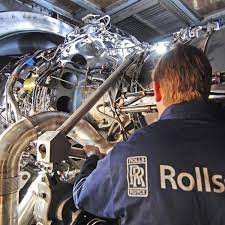
The British engineering landscape witnessed a historic milestone today as Rolls-Royce profits reached unprecedented heights during a fiscal year defined by strategic transformation. The company reported a staggering forty percent increase in underlying profits which reached three point five billion pounds for the year twenty twenty five. This remarkable growth marks a significant rise from the two point five billion pounds recorded during the previous annual period. Much of this financial success stems from an intense global race to build massive infrastructure for artificial intelligence. Technology firms across the world are currently competing to establish the next generation of digital processing hubs. These facilities require immense amounts of electrical energy to maintain their complex and high speed computing operations. Rolls-Royce has positioned itself as a primary provider of the heavy duty generators needed for these sites. The power systems division of the company saw its specific earnings jump by sixty percent recently. This division contributed eight hundred and fifty two million pounds to the total annual profit figure. Chief executive Tufan Erginbilgiç has led this corporate recovery with a very firm and steady hand. He famously described the company as a burning platform when he first took the lead. Since that moment he has focused on cutting unnecessary costs and renegotiating many lossmaking contracts. His strategy also involved securing much better commercial terms with various major global airline customers. The civil aerospace sector remains the largest contributor to the overall wealth of the business. This division reported a profit of two point one billion pounds over the last twelve months. It represents a forty one percent increase compared to the performance of the previous year. Most of this revenue comes from servicing engines and charging fees for every flight hour. The company is now benefiting from a significant post pandemic recovery in long haul air travel. Demand for the massive Trent engines used in wide body aircraft has remained consistently high. Investors have responded with great enthusiasm to the news of a massive shareholder return program. Rolls-Royce intends to return up to nine billion pounds to its investors over three years. This represents the most significant cash return to shareholders seen in over a full decade. Two point five billion pounds will be distributed through share buybacks during this year alone. The company only resumed these types of payments last year after a very long hiatus. Such a move signals immense confidence in the future cash flow of the entire group. Markets reacted instantly to these positive financial disclosures during the early morning trading session. Shares in the company rose by nearly seven percent shortly after the London opening bell. This surge helped push the FTSE 100 index to a new record of ten thousand points. It is a proud moment for a brand that is synonymous with British engineering excellence. The path to this success was not without its share of significant external challenges. The company had to navigate a complex global landscape defined by shifting trade policies. Tensions regarding international tariffs caused some initial concern for the board of directors last year. However a special trade deal between the United Kingdom and the United States was reached. This agreement ensured that engines for the Boeing seven eighty seven remained exempt from duties. Such diplomatic success has allowed the manufacturing lines in Derby to continue operating at capacity. The focus on future technology is also visible in the recent nuclear energy developments. Rolls-Royce was selected to build the first small modular reactors for the British government. This project is located at the Wylfa site in the northern region of Wales. The initiative is supported by two and a half billion pounds in public funding. Management expects this new nuclear business to become profitable within the next five years. This diversification strategy ensures the company is not reliant on just one industrial sector.
 The firm has also raised its long term financial targets for the coming seasons. It now expects to reach an operating profit of five billion pounds by twenty twenty eight. This target is roughly one third higher than the previous goals set by management. The transformation of the business appears to be moving with great pace and intensity. Every division of the company is now contributing to a more efficient corporate structure. Analysts suggest that the demand for artificial intelligence power is only just beginning to grow. As more companies adopt digital tools the need for reliable backup power will increase. Rolls-Royce is uniquely qualified to meet these specific and demanding technical requirements today. Their generators are known for being extremely reliable during periods of peak electrical load. This reputation gives them a competitive edge over many other international engineering firms. The company is also investing heavily in sustainable aviation fuel technologies for the future. Reducing the carbon footprint of flight remains a top priority for the executive team. They are testing new engine designs that can run entirely on renewable fuel sources. These innovations will help the company maintain its market leadership in a changing world. The workforce has also seen the benefits of this renewed sense of corporate purpose. Higher profits allow for more investment in the skills of the engineering staff. Apprenticeship programs are expanding to train the next generation of highly skilled British technicians. The English Chronicle notes that this recovery is a vital sign for the economy. A strong Rolls-Royce often correlates with a healthy manufacturing sector in the United Kingdom. The ripple effects of their success reach hundreds of smaller suppliers across the country. Total employment supported by the company remains a cornerstone of the national industrial base. The latest report confirms that the burning platform has been replaced by growth. Tufan Erginbilgiç has proven that disciplined management can revive even the largest industrial giants. His focus on commercial rigor has clearly paid off for every single stakeholder involved. The journey from a struggling manufacturer to a high growth tech partner is complete. Looking ahead the company seems well prepared for any potential shifts in the economy. Their diverse portfolio provides a natural hedge against volatility in any single market area. Whether in the sky or in a datacentre their engines are working hard. This blend of traditional engineering and modern data needs is a winning combination. As the sun sets on another successful financial year the outlook is bright. The English Chronicle will continue to monitor this fascinating story of British corporate revival.
Related News:
 Reeves Faces Setback as Labour May Miss Homes Target
 Virgin Trains Moves Closer to Challenging Eurostar Monopoly
 Trump’s UK Ambassador Urges North Sea Drilling to Strengthen US Ties
 Ryanair Chief UK Economy ‘Doomed’ Under Labour
 Court Hears Challenge Over Water Bills Funding Sewage Fixes
 ABF May Split Primark from Food Division Amid Tough Market
 UPS Cargo Plane Crash in Kentucky Kills Seven
 M&S Profits More Than Halve After Cyber-Attack
 Tony Blair think tank warns Rachel Reeves must cut taxes if manifesto broken
 Oprah enjoys Meghan’s jam on English muffins
 MPs Press Rachel Reeves to Hike Gambling Taxes
 Earl of Yarmouth Faces £1.3m Legal Bill Over Family Estate
 Warning as Britons prepare to spend £4 billion this Black Friday
 Millionaires group urge Reeves to introduce wealth tax to ‘lift kids out of poverty’
 From Lego to Pokémon: How Adults Are Driving UK Toy Market Growth
 UK toy market enjoys bumper year as ‘kidults’ fuel demand
 New laws to bolster UK’s defences against cyber attacks on NHS, transport and energy
 Skims Eyes Global Expansion After Reaching $5 Billion Value
 Trump Moves to Cut Coffee and Banana Tariffs in Latin America Deals
 Global markets drop amid tech sell-off and China slowdown
 Canada Passes Carney’s First Budget in Tight Parliamentary Vote
 PM Highlights UK Business at G20 in South Africa
 Mossmorran Plant Closure Hits Cowdenbeath Hard
 UK Taskforce Unveils Plan to Streamline Nuclear Reactor Rules
 Steel billionaire Lakshmi Mittal reportedly leaves UK
 India’s Labour Law Overhaul Sparks Fierce Debate
 Starmer Says Labour’s Economic Plan Needs Years to Deliver
 Virgin Media Fined £23.8m Over Telecare Safety Failures
 Rising Water Bills Lift Troubled Thames Back to Profit
 Tesla Warns UK That Weak EV Rules Could Threaten Sales
 BP agrees £7.4bn Castrol sale to US investment firm
 Sainsbury’s CEO leads business honours in New Year list
 FTSE 100 Hits 10,000: UK Market Celebrates Record Year
 UK House Prices Fall Sharply at Year-End, Nationwide Reports
 UK Car Sales Pass 2 Million as Chinese Brands Surge
 Wessex Water chiefs receive £50,000 extra despite government bonus ban
 3,000 Jobs at Risk Without UK Helicopter Order
 German Supermarket Aldi to Open 180 US Stores This Year
 China Dependence Threatens UK Energy Supply Chains and Jobs
 Canada-China trade gains momentum in new strategic partnership
MPs warn AI financial risks threaten UK stability
Canada-China trade gains momentum in new strategic partnership
MPs warn AI financial risks threaten UK stability
 MPs warn AI financial risks threaten UK stability
 B&M and The Works Struggle During Christmas Trading
 UK Disposable Income Growth Transforms Eleven Towns and Cities
 US Dollar Hits Four-Year Low Amid Market Turmoil
 Amazon mistakenly signals new global layoffs to employees
 Labour Must Revive High Streets to Avoid Election Collapse
 Households in England Face Rising Water Bills in April
 UK needs new factory to reach 1.3m car target, says industry chief
 UK food industry urges transition if post-Brexit rules reset
 UK New Car Discounts Near £6,000 as Prices Are Slashed
 Study Finds One in Seven England Takeaways Are Dark Kitchens
 Riverford sales surge as UK organic market booms
 Telstra AI jobs cuts as automation drive expands
 BT Names New Openreach Chief Amid Major Fibre Expansion
 AI fears hit UK wealth and comparison sites
 UK Housing Market Shows Early Recovery Signs
 UK economy struggles as growth stalls at 0.1% in late 2025
 Schroders sold to US investor in £9.9bn deal ending family control
 Aberdeen Chosen for GB Energy HQ at Marischal Square
 Bank of England Urged to Cut Rates to Spur Growth
 Lloyds Faces Scrutiny Over Staff Data Use in Pay Talks
 Santos Wins Landmark Greenwashing Case in Court
 Royal Mail Blames Poor Weather and Sickness for Delayed Deliveries
 British Steel wins Turkey rail boost
 Glencore Approves $2bn Payout Despite Profit Slump
 Sanders Condemns Billionaire ‘Greed’ in California Tax Debate
 UK Sees Record £30.4bn Budget Surplus, Boosting Reeves’ Position
 UK Job Vacancies Hit Five-Year Pandemic Low
 UK Youth Unemployment Surges Amid Tax Changes
 Ministers Urged to Ban Crypto Political Donations
 Strong Rebound for UK Housing Market Sees 6% More Homes
 How Ancient Scottish Rocks Challenge the “Snowball Earth” Theory
 HSBC Signals Overhaul Nearing Completion Despite Profit Drop
 Reserve Bank May Hike Rates Twice Amid Persistent Inflation
 Inflation Pressure RBA Policies
 Engie UK Power Networks Deal Seals £10.5bn Buy
 Reeves Must Back Defence Plan or Face Dismissal, Says Unite Chief
 Qantas Revamps Loyalty Program Amid $1.46bn Profit Surge
 Doom Bar Closure Stuns Cornish Brewing Fans