Published: 3 March 2026 . The English Chronicle Desk.
The English Chronicle Online
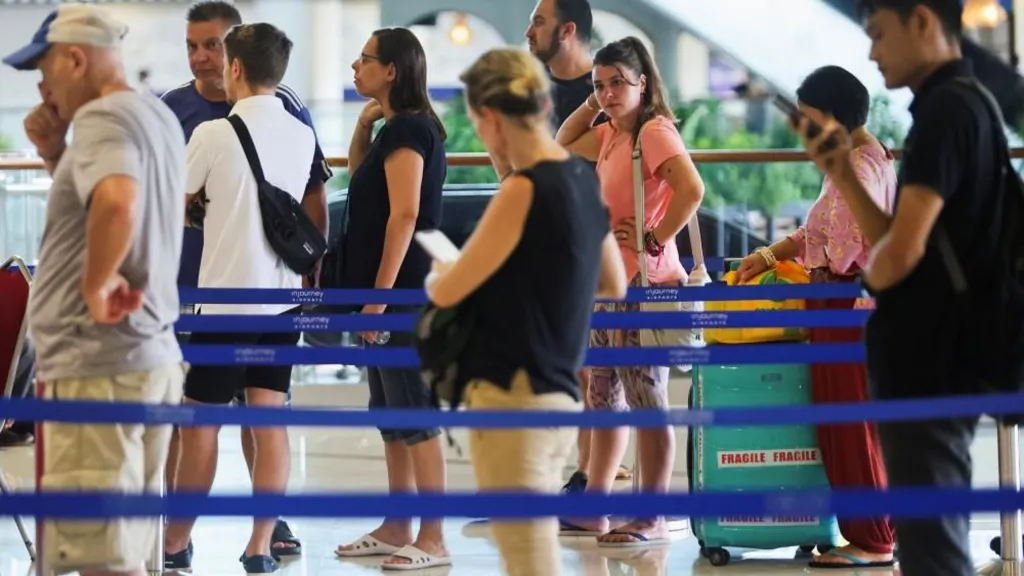
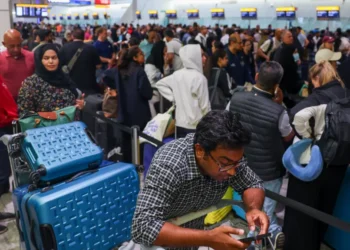
Travel chaos persists across the United Arab Emirates (UAE) as limited flights operate from key Gulf hubs while broader airspace disruptions sparked by the ongoing US‑Israel campaign against Iran continue to unsettle global aviation. The evolving situation — marked by closures, cancellations and selective departures — underscores how conflict in the region has reverberated through one of the world’s busiest air corridors.

Commercial flight operations at major UAE airports such as Dubai International Airport and Abu Dhabi International Airport remain heavily restricted, with the bulk of scheduled services still suspended as authorities keep civilian airspace closed or subject to stringent safety conditions. The disruptions began after U.S. and Israeli strikes on Iranian targets triggered widespread airspace closures across the Gulf and Middle East, drawing airlines to cancel or reroute flights to avoid potential conflict zones.
Despite the continued limitations, a small number of flights have resumed under tightly controlled circumstances. Carriers including Emirates, Etihad and flydubai are operating special services largely focused on evacuations, repatriations and essential repositioning flights coordinated with government authorities to assist stranded travellers and clear congested airports. These limited departures represent a concerted effort by airlines and the UAE government to provide options for travellers while ensuring safety remains paramount.
Passengers based in the region or seeking to transit through the Gulf face a highly fluid situation. Most scheduled commercial flights remain cancelled, with rebooking, refunds and contingency arrangements continuing to be processed by carriers. Thousands of travellers — including expatriate residents, tourists and business passengers — remain stranded or uncertain about onward travel, while some governments are arranging dedicated evacuation flights for their citizens from the UAE and neighbouring states.
Airspace closures and partial reopenings have also forced carriers worldwide to reroute long‑haul services via alternative corridors, lengthening flight times and complicating global airline schedules. Data from aviation analysts show sustained cancellations and delays not only across the Middle East but also at connecting hubs in Europe and Asia that normally rely on Gulf transit routes.

Officials and airlines continue to emphasise that safety is the overriding priority and that flight operations will expand only in line with assessments of risk and airspace conditions. At the same time, the persistence of disruption reflects ongoing uncertainty around the conflict’s trajectory and its impact on civil aviation infrastructure and regional security.
Related News:
 Cuban Cigar Festival Cancelled Amid US-Linked Energy Crisis
 Flights Cancelled and New Travel Warnings Issued After Iran Strikes
 Tehran Makes New Threat to Gulf Shipping as US Says ‘Hardest Hits’ on Iran ‘Yet to Come’
 Modi’s London Visit Seals Historic UK-India Trade Pact Amid Global Tensions
 China’s crackdown on civil servant perks sparks economic concerns
 Shein UK Faces Allegations of Shifting Majority of Profits to Singapore to Reduce UK Tax
 British AI Startup Outshines Human Forecasters in Global Prediction Contest
 Indian Court Deals Legal Setback to Elon Musk’s X in Free Speech Battle
 China warns UK over delayed London mega embassy decision
 Rachel Reeves to lead UK trade push in Saudi Arabia amid rights debate
 UPS Cargo Plane Crash in Kentucky Kills Seven
 Canada Passes Carney’s First Budget in Tight Parliamentary Vote
 India’s Labour Law Overhaul Sparks Fierce Debate
 Carney’s Alberta Pipeline Deal Sparks Immediate Pushback
 Austrian Airlines Halts Tehran Flights Amid Political Unrest
 Trump Administration Probe of Fed’s Powell Draws Pushback
 ‘Black Tax’: Burden, Pride and Survival for African Workers
 ‘Repatriate the Gold’: Germany Debates Bringing Reserves Home
 UK New Car Discounts Near £6,000 as Prices Are Slashed
 Two Britons Among Three Dead in French Alps Avalanche
 Eleven Killed in Israeli Strikes on Gaza, Rescuers Say
 Coles Discounts Under Fire in Federal Court
 Tourism Is Booming in 2026 — Just Not Where You Think
 ‘I Would Scream in My Sleep’: Alawite Women from Syria Tell of Kidnap and Rape
 Iran Says ‘Guiding Principles’ Agreed With US at Nuclear Talks
 Jet2 Hands Passengers Life Ban After Mid‑Air Brawl
 Dual Nationals Face Scramble for UK Passports as New Rules Come Into Force
 Netflix and Paramount Are Battling for Warner Bros. — Who Is Likely to Win?
 US Pushes to Recruit Organised Crime Gangs into Gaza Police Force
 Japan Braces as Takaichi Begins New Term with Huge Mandate for Low‑Tax, Ultra‑Conservative Agenda
 US Urges Iran to Make Deal as Military Presence Rises
 US Build-Up of Warships and Fighter Jets Tracked Near Iran
 The Chinese AI App Sending Hollywood Into a Panic
 US and Indonesia Finalise Deal to Cut Tariffs to 19%
 Inland Australia Town Turns Streets into a Beach for Volleyball Contest
 Live Nation Sees Strong Ticket Sales as Monopoly Lawsuit Looms
 ‘We’re Still on Edge’: Toy Firms Look to US Supreme Court as Tariffs Hit Profits
 Etsy Sells Second‑Hand Fashion App Depop to eBay for $1.2bn
 Are You Cut Out for Life and Work in Antarctica?
 US Will Not Back Out of Tariff Deals with UK and Others, Says Trump Trade Representative
 Trump Tower Gold Coast to Redefine Skyline
 Major 7.1 Earthquake Strikes Off Malaysian Tourist Coast
 Brit Killed in Horror Bus Crash as 18 Others Die and 25 Injured
Storm Hernando: Edinburgh Airport Flights Cancelled in US Travel Chaos
Brit Killed in Horror Bus Crash as 18 Others Die and 25 Injured
Storm Hernando: Edinburgh Airport Flights Cancelled in US Travel Chaos
 Luxury Airbnb Cabins With Hot Tubs Must Be Demolished After Planning Ruling
 What Now for Asia After Trump’s Tariffs Were Struck Down?
 More Than 5,000 Flights Cancelled as US East Coast Digs Out of Record Snow
 Ukraine war briefing: Russia exporting more oil now than before war despite sanctions – report
 Trump’s tariff strategy collapse sows global chaos and confusion
 UK’s New Travel System: What It Is and How Dual Nationals Are Impacted
 Shein’s Elusive Boss Hails Chinese Roots in Rare Public Appearance
 Bill Gates ‘Took Responsibility’ Over Epstein Ties in Staff Meeting, Foundation Says
 Qantas Revamps Loyalty Program Amid $1.46bn Profit Surge
 Why Asian Firms Are Not Cheering Trump Tariff Ruling
 Why Asian Firms Are Not Cheering Trump Tariff Ruling
 Middle East Flights Halted After Iran Strikes
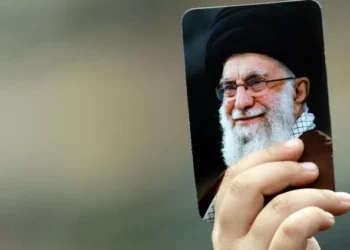 Iran’s Regime Still Intact — Coming Days Will Test Its Survival
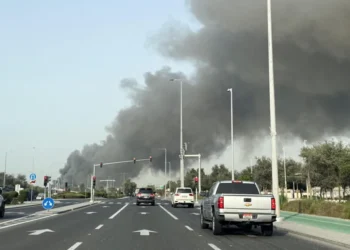 Allies of US in the Gulf Bear Brunt of Iran Attacks
 Hopes and Fears as US Iranians Take to Streets After Toppling of Supreme Leader
 Oil Prices Rise After Ships Attacked Near Strait of Hormuz
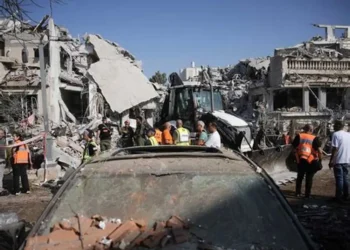 Retaliations Continue on Day Two of US-Israel Attacks on Iran
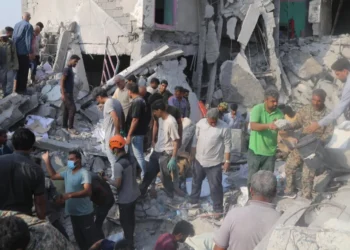 At Least 153 Dead After Reported Strike on School, Iran Says
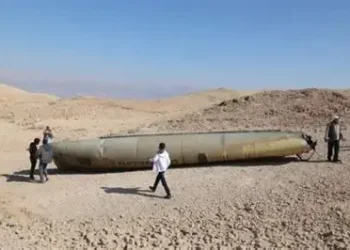 BBC Reports from Beit Shemesh After Deadly Iranian Missile Strike
 Iran, the US, and a World Cup That Starts in Three Months
 Islanders Advised on Travel to Middle East Amid Escalation
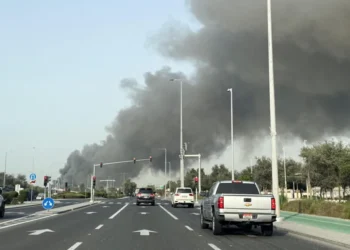 Allies of US in the Gulf Bear Brunt of Iran Attacks
 Australian GP Confident Amid Travel Disruption
 Israeli Attacks Kill 31 in Lebanon, Iran Strikes Across Region, US Warplanes Crash in Kuwait
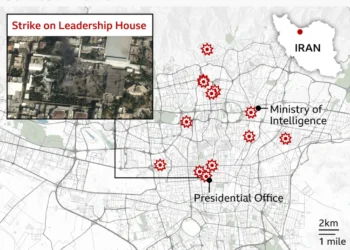 In Maps: Strikes Across Iran and the Middle East
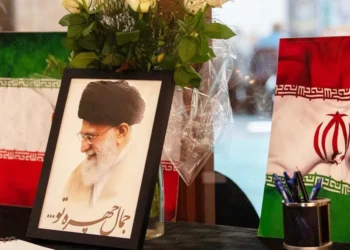 Months of Planning Behind US‑Israeli Mission to Target Iran’s Supreme Leader
 Oil Prices Surge as Iran War Jolts Markets
 Cooper: Joining US Strikes on Iran ‘Not in Britain’s Interest’
 What Khamenei’s Death Means for Russia and China
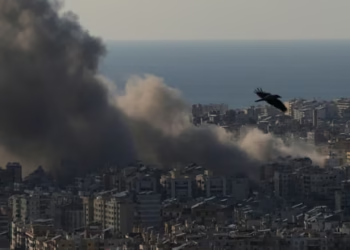 US Iran Operation: Sixth Service Member Killed
 Hezbollah Anger Erupts as War Returns to Beirut
 Trump’s Iran Endgame Unclear After Mixed Messaging on War Aims
 Did Trump Declare War and Did Congress Approve Iran Attacks? What to Know
 Gaza Siege Deepens as Iran War Escalates
 Melania Trump Chairs UN Security Council Meeting on Children in Conflict Amid Iran Strikes
 Rubio Responds to Reported Strike on Iranian School